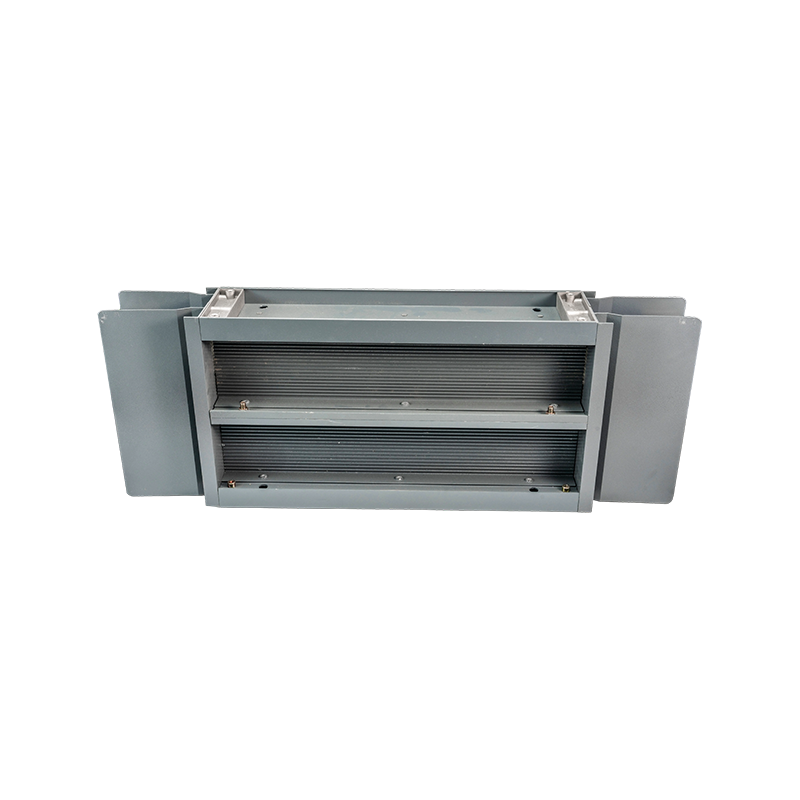
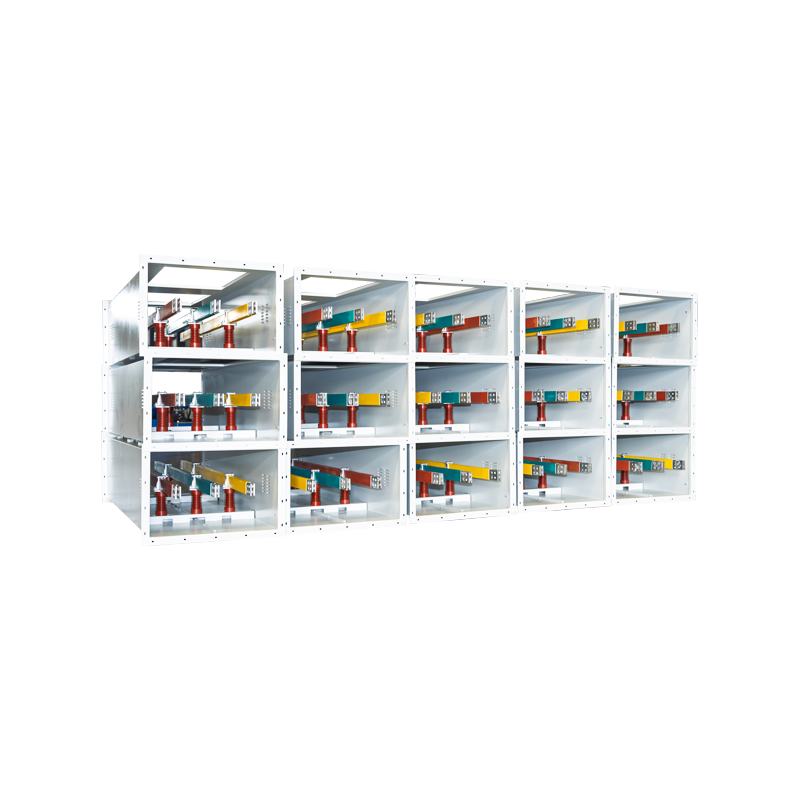
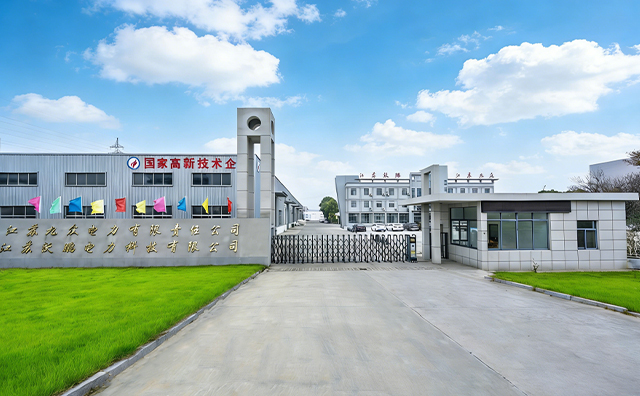
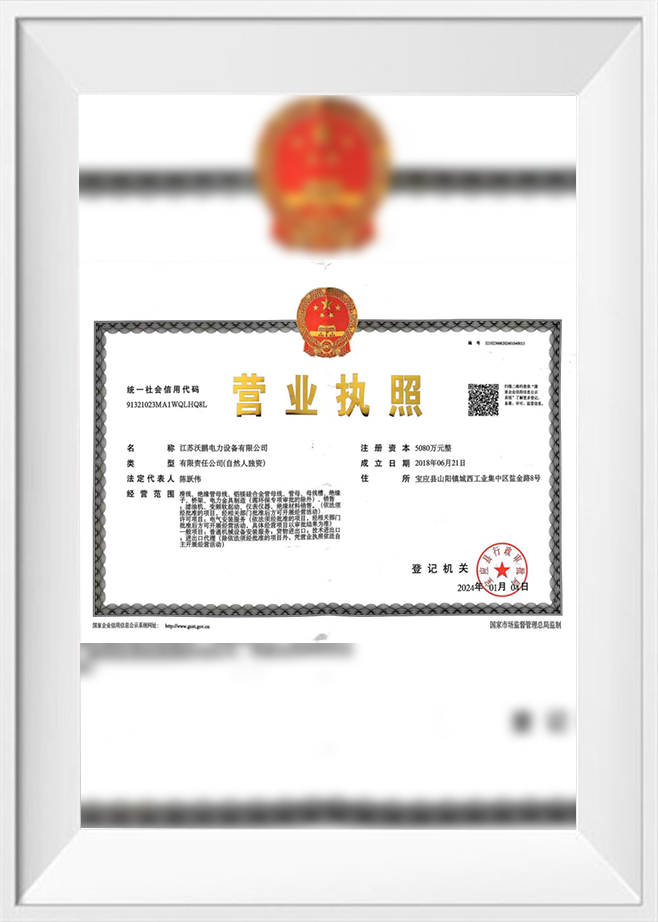
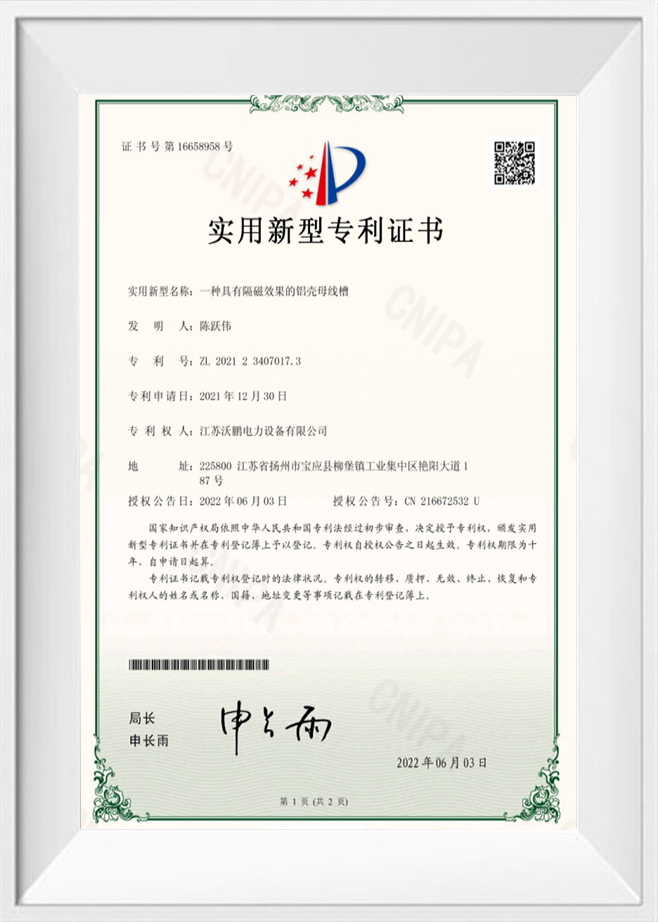
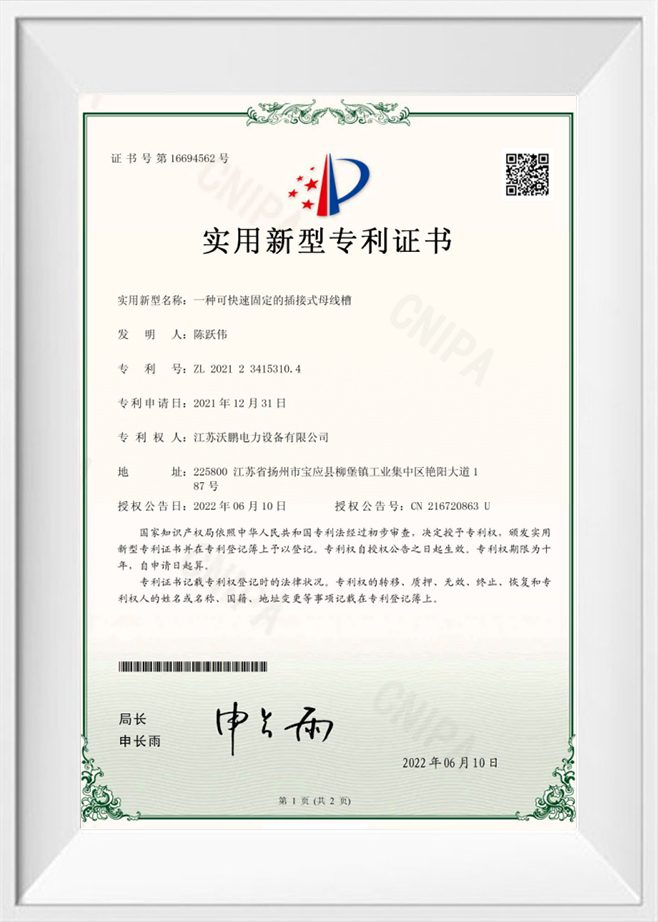
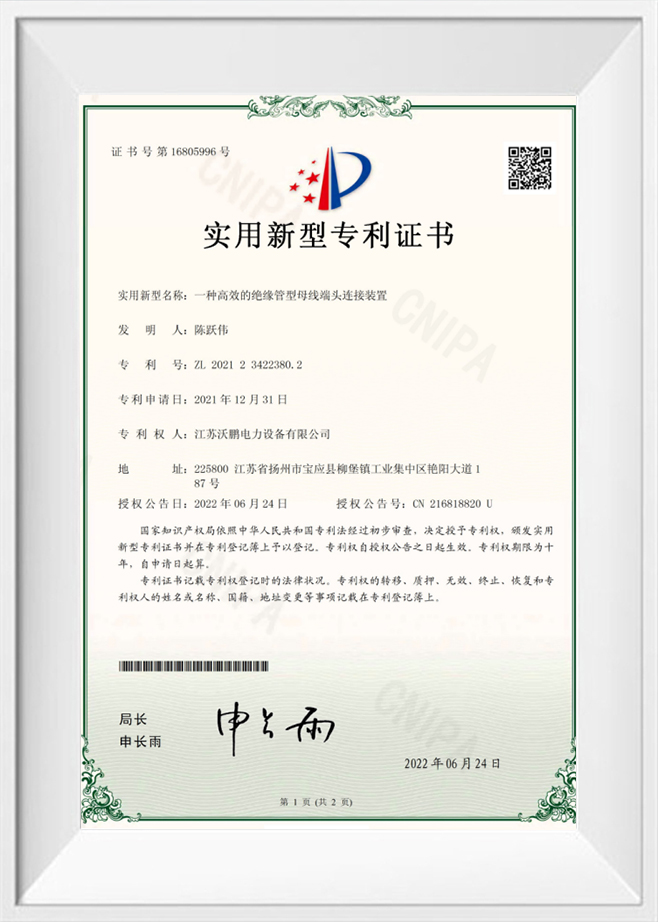
Fully Insulated Tubular Bus Bar is a premium power transmission component that encapsulates tubular conductors with epoxy resin or cross-linked insulation materials, engineered for high-reliability distribution systems. By eliminating exposure of live conductors, this product delivers superior electrical safety and environmental adaptability across substations, industrial facilities, and renewable energy plants. Jiangsu Wopeng Power Technology Co., Ltd. serves as a specialized manufacturer in this field, committed to providing global customers with high-quality fully insulated tubular bus bar solutions compliant with IEC and GB standards.
Core Structure and Insulation Technology
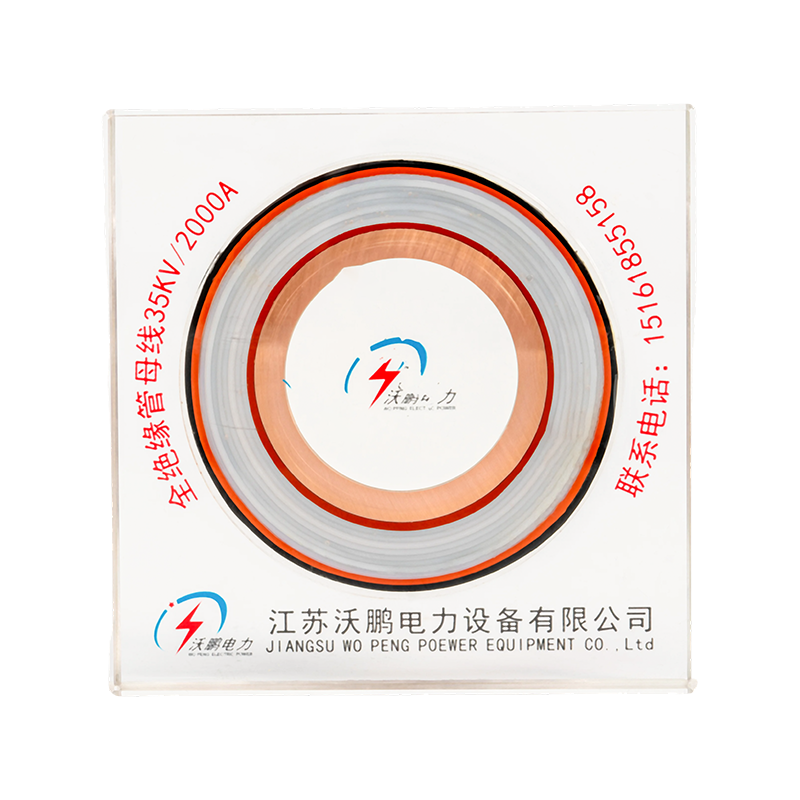
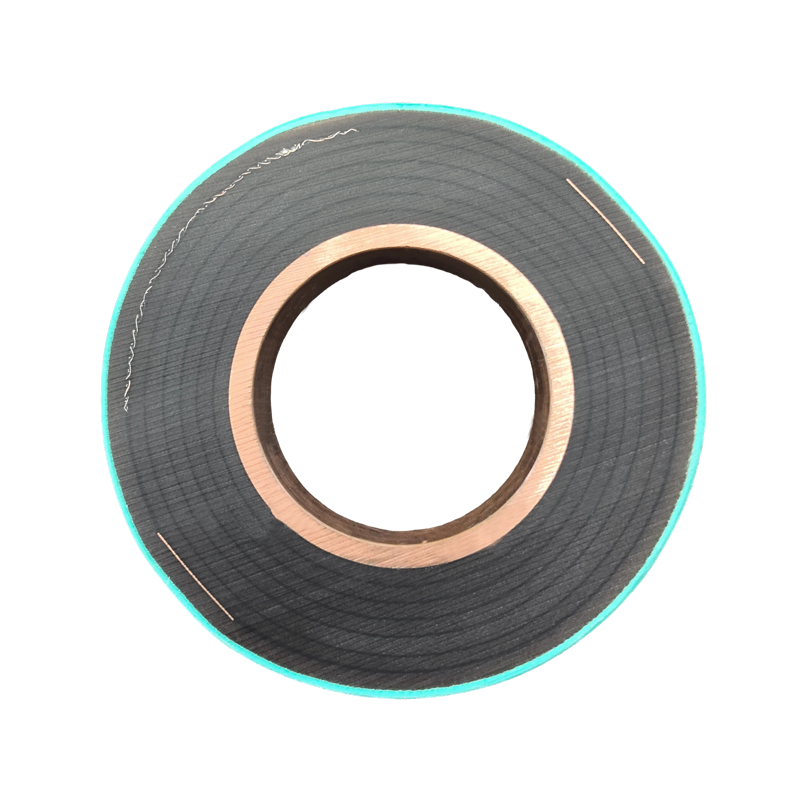
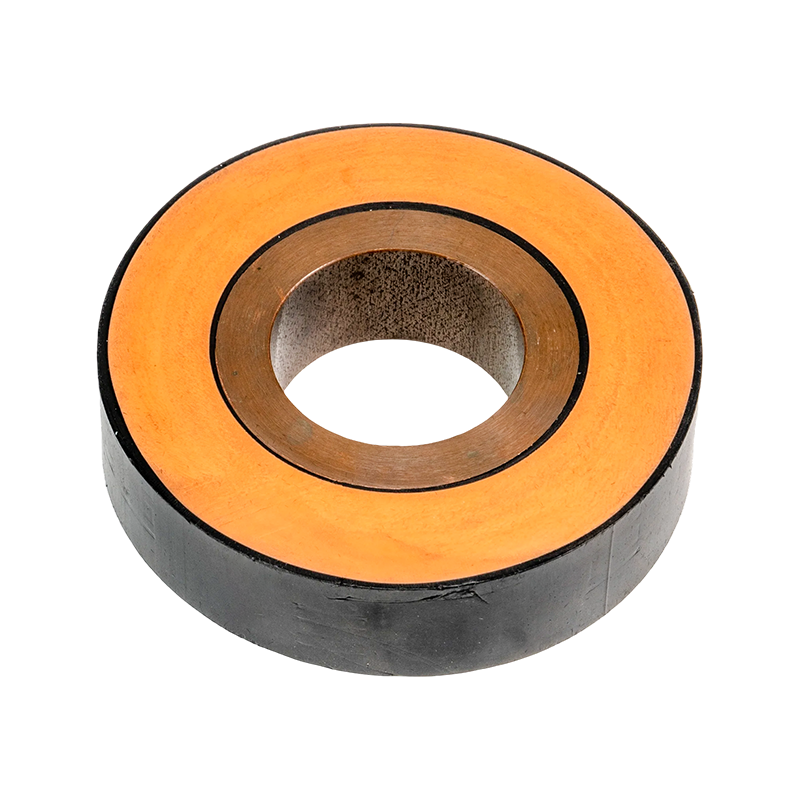
The core of fully insulated tubular bus bars lies in their multi-layer insulation system. Conductors are typically fabricated from high-purity copper or aluminum alloy, with an outer dense insulation layer formed through epoxy powder fluidized bed coating or liquid immersion processes. The epoxy insulation layer achieves a dielectric strength exceeding 30 kV/mm, enabling uniform encapsulation over complex geometries and eliminating partial discharge risks. Compared with conventional heat-shrink tubing, epoxy coating maintains consistent thickness at bent sections without air bubbles or gaps, ensuring long-term dielectric stability.
Jiangsu Wopeng Power Technology Co., Ltd. manufactures fully insulated tubular bus bars using vacuum-cast epoxy resin compound (B.I.M. casting mix), a material featuring excellent electrical characteristics, high mechanical strength, and moisture-resistant self-extinguishing properties. The product achieves an IP68 protection rating, capable of withstanding continuous water immersion and dust ingress for outdoor extreme environments.
Performance Comparison with Traditional Bare Busbars
In 35kV systems, traditional bare busbars require 150-300mm safety clearances, whereas fully insulated tubular bus bars integrate solid insulation to dramatically reduce phase-to-phase distances. This compact design decreases switchgear volume, lowers material costs, and improves space utilization. The following table presents key parameter comparisons between the two product types:
| Parameter |
Fully Insulated Tubular Bus Bar |
Traditional Bare Busbar |
| Insulation Method |
Epoxy resin solid insulation |
Air insulation |
| Protection Rating |
IP68 (dust-tight and waterproof) |
Unsealed, exposed to environment |
| 35kV Phase Spacing |
Minimized design |
150-300mm |
| Contamination Resistance |
Sealed structure, immune to salt spray and chemicals |
Surface prone to contamination, requires regular cleaning |
| Maintenance Cycle |
Low maintenance, service life spans decades |
High-frequency maintenance, environment-dependent |
| Short-Circuit Current Withstand |
Up to 63kA/1s (verified by testing) |
Dependent on support structure and spacing |
| Operating Temperature Range |
-40°C to +50°C |
Limited by insulator performance |
Engineering practice demonstrates that in high-pollution environments, systems adopting fully insulated designs can reduce unplanned outage rates by approximately 60%. Products from Jiangsu Wopeng Power Technology Co., Ltd. have passed rigorous short-circuit current testing, maintaining structural integrity across fault levels from 25kA to 63kA.
Typical Application Scenarios
Leveraging high reliability and environmental adaptability, fully insulated tubular bus bars have been widely deployed in the following sectors:
- Wind Farms: High-current transmission inside nacelles and tower vertical sections, resistant to vibration and salt spray corrosion.
- Urban Substations: Underground or compact GIS integration, saving land area and reducing civil engineering costs.
- Rail Transit: Traction power supply systems meeting high mechanical strength requirements and frequent start-stop current surge demands.
- Petrochemical and Chemical Parks: Safe power distribution in explosion-proof zones and corrosive gas environments.
- Data Centers: High-capacity UPS and switchboard internal connections, reducing impedance and voltage drop.
Jiangsu Wopeng Power Technology Co., Ltd. offers customized solutions ranging from 630A to 6300A with copper or aluminum conductor options, based on specific project requirements. Products support 3-phase, 4-phase, and configurations with protective earth conductors.
Installation and Connection Methods
Fully insulated tubular bus bars utilize modular plug-in connection structures. Adjacent bus bar sections achieve both electrical and mechanical connection through conductive sockets paired with insulating blocks, with joint areas similarly sealed by epoxy resin casting to ensure overall insulation continuity. During installation, central connection bolts must be tightened with a torque wrench to 83 Nm standard torque, with anti-loosening nut caps added.
Jiangsu Wopeng Power Technology Co., Ltd. provides two types of mounting accessories: horizontal suspension brackets and vertical spring brackets, with a recommended bracket spacing of 1.5 meters. For long busbar trunking runs, expansion joints can be configured to compensate for thermal expansion and contraction. After installation completion, insulation resistance testing is required, with values exceeding 1 megohm between all conductors and enclosure.
Frequently Asked Questions
Are fully insulated tubular bus bars suitable for outdoor heavy rain environments?
Yes. The product achieves an IP68 protection rating, capable of withstanding continuous water immersion and heavy dust ingress, making it suitable for outdoor substations, coastal wind farms, and other extreme environments. The epoxy resin insulation layer features UV protection and salt spray resistance, requiring no additional protective enclosures.
What current-carrying advantages do tubular bus bars offer compared to traditional cables?
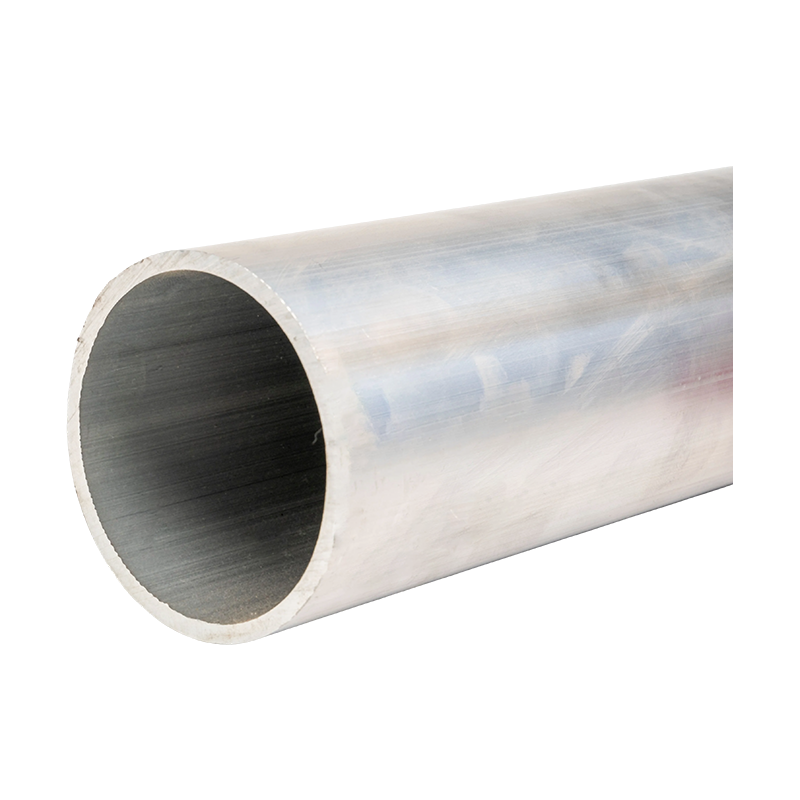
Tubular bus bars optimize current distribution through the skin effect, delivering significantly higher ampacity than conventional cables of equivalent cross-section. For example, an aluminum alloy 6101B T7 tubular bus bar with 120mm diameter and 10mm wall thickness can carry approximately 4000A continuous current, with superior heat dissipation efficiency and lower temperature rise.
Will the epoxy resin insulation layer degrade under high temperatures?
Epoxy resin features a long-term temperature rating of 180°C, well above normal operating temperatures. Under standard operating conditions (conductor temperature not exceeding 80°C), the insulation layer maintains stability for decades. Jiangsu Wopeng Power Technology Co., Ltd. employs vacuum casting processes to eliminate internal voids, further slowing thermal aging.
How is insulation performance verified after installation?
After installation, use a 2500V megohmmeter to measure insulation resistance between phases and to ground, requiring values no less than 1MΩ. Additionally, power-frequency withstand voltage testing can be performed, with fully insulated tubular bus bar systems capable of withstanding 42kV AC voltage without breakdown, meeting IEC 61439-6 standard requirements.
How should I choose between aluminum and copper conductors?
Copper conductors offer higher conductivity (≥56 m/mm²), suitable for high-current and high short-circuit capacity applications. Aluminum conductors are lightweight and cost-effective with conductivity ≥34 m/mm², ideal for long-span overhead installations or weight-sensitive projects. Jiangsu Wopeng Power Technology Co., Ltd. provides both materials with nickel or tin plating for corrosion protection.
Do the products comply with international export standards?
Fully insulated tubular bus bar products from Jiangsu Wopeng Power Technology Co., Ltd. are designed and manufactured according to IEC 61439-6, IEC 60529, and other international standards, meeting market access requirements for Europe, Southeast Asia, the Middle East, and Africa. Products have been tested by independent certification bodies including ASTA-UK and CPRI-India.
Selection Reference Guide
The following table presents typical specifications for fully insulated tubular bus bars from Jiangsu Wopeng Power Technology Co., Ltd.:
| Rated Current (A) |
Conductor Material |
Conductor Size (mm) |
Insulation Voltage (V) |
Short-Circuit Current (kA/1s) |
| 630-1250 |
Aluminum Alloy |
Custom per project |
1000 |
50 |
| 1600-2500 |
Aluminum Alloy / Copper |
Custom per project |
1000 |
100 |
| 3200-4000 |
Aluminum Alloy / Copper |
Custom per project |
1000 |
100-120 |
| 5000-6300 |
Copper |
Dual parallel structure |
1000 |
125 |
Specific selection requires comprehensive calculation based on ambient temperature, installation method, short-circuit capacity, and voltage drop requirements. The technical team at Jiangsu Wopeng Power Technology Co., Ltd. provides full-process services from design consultation to after-sales support, ensuring each project receives the optimal power distribution solution.



 EN
EN

 English
 русский
 Français
 Español
 عربى
عربى