1. What Is a Medium and Low Voltage Bus Bar?
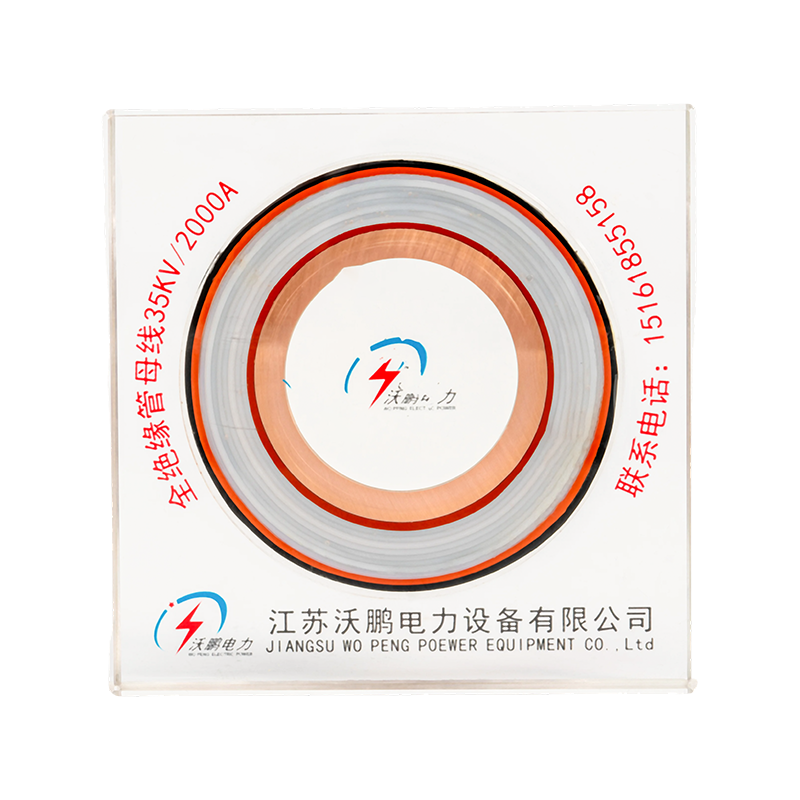
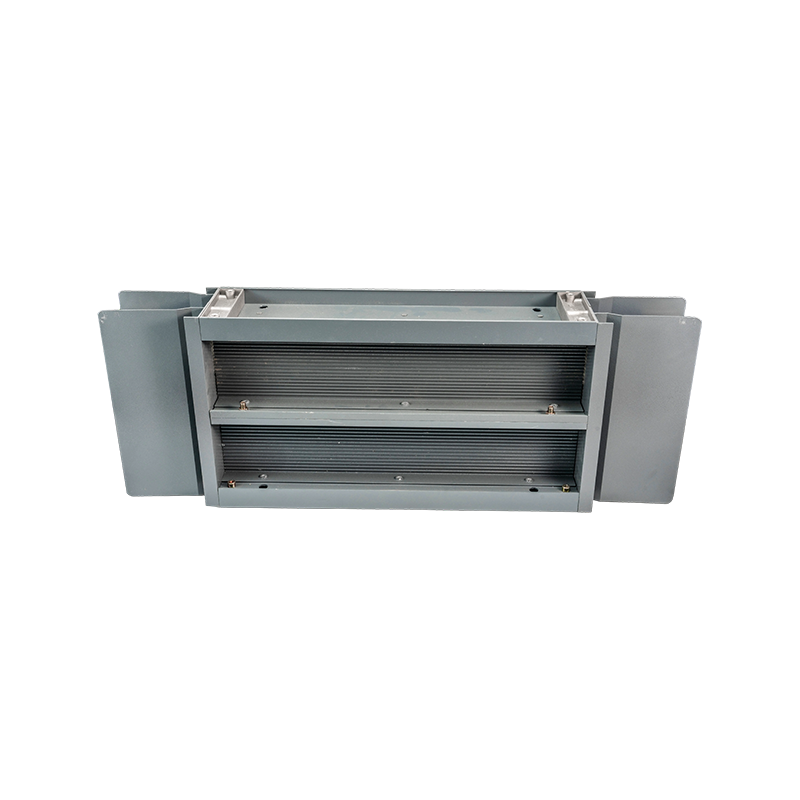
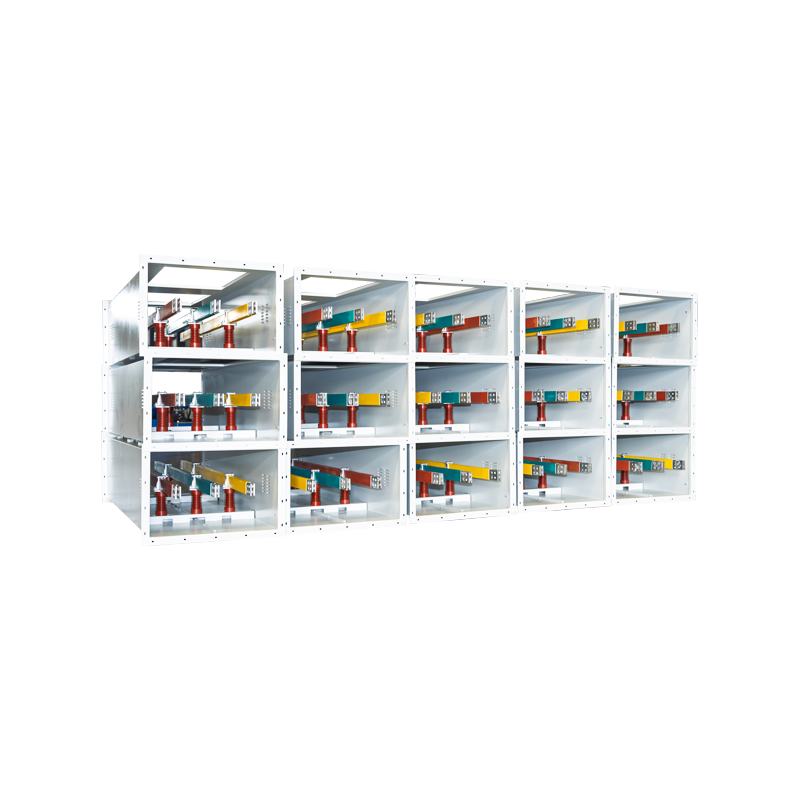
A medium and low voltage bus bar is a metallic conductor used to distribute electrical power efficiently within electrical systems. It is typically made from copper or aluminum, offering high conductivity and mechanical strength. In power engineering, low voltage (LV) systems refer to voltages up to 1,000V AC, while medium voltage (MV) systems range from 1kV to 36kV.
Bus bars serve as centralized distribution points, connecting incoming power sources such as transformers or generators to multiple outgoing circuits. Compared to traditional cable systems, busbars provide lower impedance, improved reliability, and simplified maintenance, making them widely used in industrial plants, commercial buildings, substations, and renewable energy systems.
2. Key Differences Between Medium Voltage and Low Voltage Busbars
(1) Voltage & Insulation Requirements
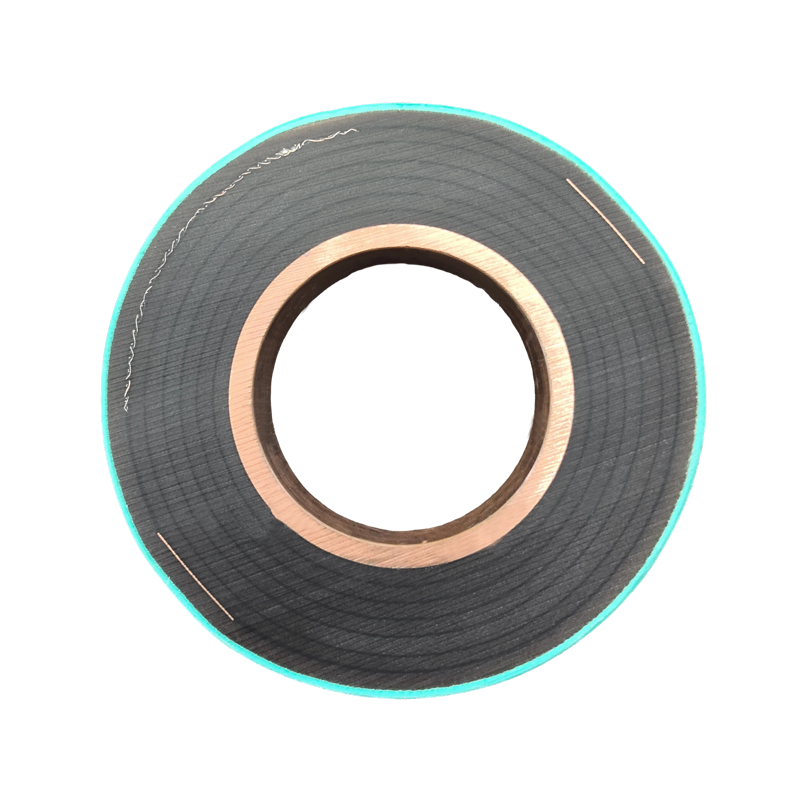
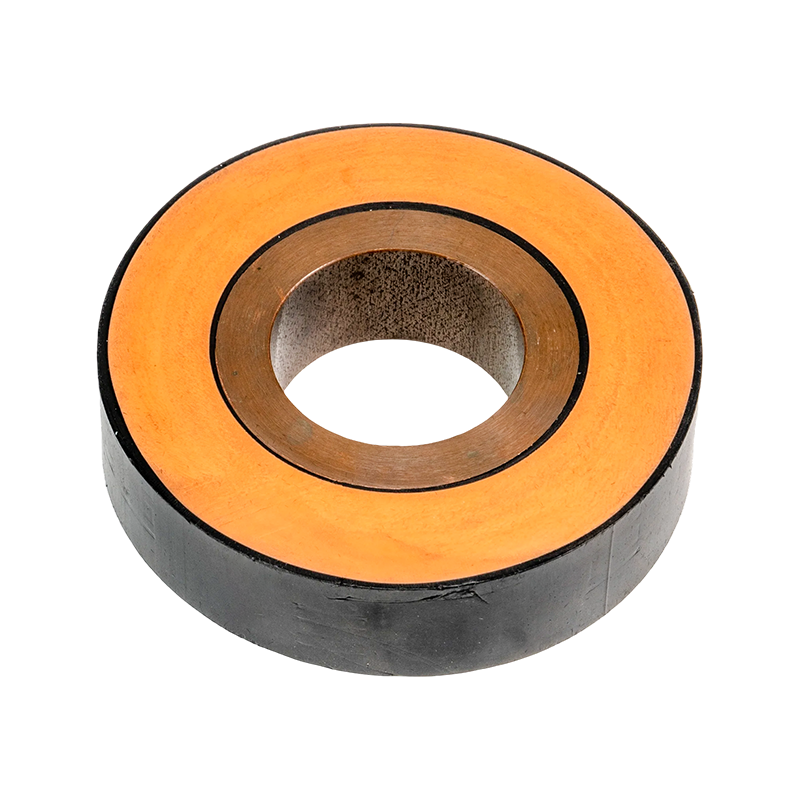
Low voltage busbars typically rely on air insulation, heat-shrink sleeves, or molded enclosures with protection ratings from IP20 to IP66. In contrast, medium voltage busbars require advanced insulation systems such as epoxy resin casting or gas-insulated enclosures to withstand high electrical stress and impulse voltages up to 170kV.
(2) Current Capacity & Thermal Performance
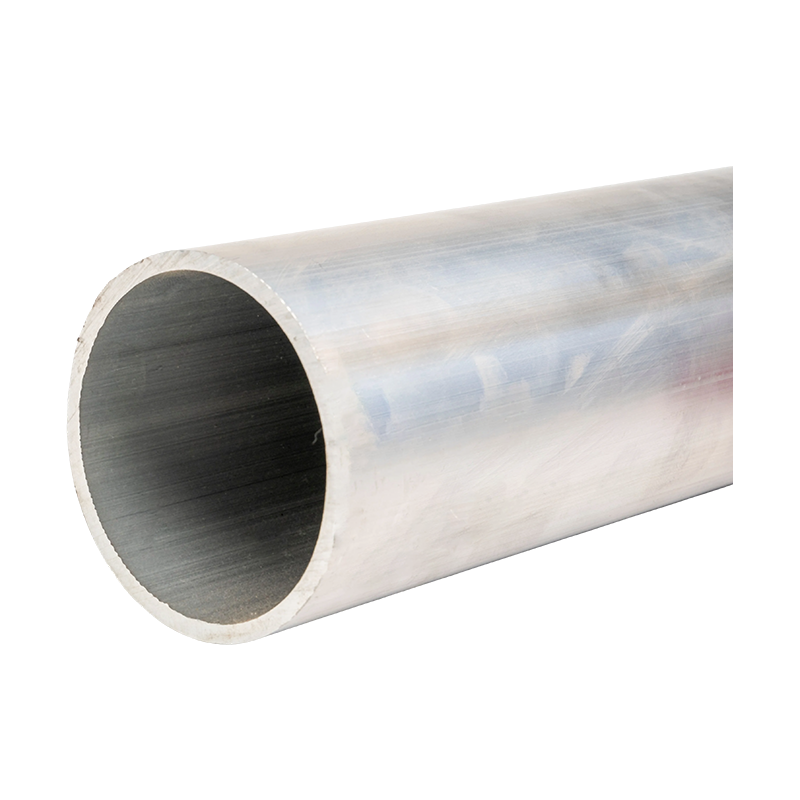
LV busbars usually operate within 100A to 6300A and rely on natural air cooling. MV busbars typically handle 630A to 5000A, but require enhanced thermal design to manage both current load and electric field stress, often using tubular or insulated configurations.
(3) Application Scenarios
LV systems are commonly used in data centers, commercial buildings, and manufacturing facilities, while MV busbars are critical in substations, wind farms, power plants, and heavy industrial systems, where system stability and fault tolerance are essential.
| Comparison: Low Voltage vs Medium Voltage Busbar |
| Parameter |
Low Voltage (LV) |
Medium Voltage (MV) |
| Voltage Range |
≤ 1kV |
1–36kV |
| Insulation Type |
Air / molded |
Epoxy / gas insulated |
| Current Range |
100–6300A |
630–5000A |
| Applications |
Buildings, factories |
Substations, energy systems |
3. Design Considerations
Proper design of busbar systems is essential to ensure long-term performance, safety, and efficiency. Key factors include material selection, insulation quality, and thermal management.
- Material selection: Copper offers high conductivity (~98% IACS), while aluminum provides a lighter and more cost-effective solution.
- Insulation system: MV systems typically use epoxy insulation for high dielectric strength and environmental resistance.
- Temperature rise: Must comply with standards, typically up to 105°C at joints.
- Short-circuit strength: Systems should withstand 50kA–100kA fault currents without deformation.
(1) Low Voltage Design Best Practices
LV busbar design focuses on minimizing resistance, optimizing phase spacing, and ensuring uniform current distribution. For high-current systems, laminated or tubular conductors help reduce skin and proximity effects.
(2) Selecting a Reliable Supplier
A professional supplier should provide IEC-compliant test reports, ISO certification, and engineering support. Strong manufacturing capability ensures consistent quality and reliable performance.
4. Frequently Asked Questions (FAQs)
Q1: What is the service life?
A well-designed system can operate for 30–40 years with minimal maintenance.
Q2: Can aluminum replace copper?
Yes, but requires 50–60% larger cross-section to achieve equivalent performance.
Q3: How to ensure supplier quality?
Verify certifications, testing reports, and project experience.
Q4: Advantages of cast resin busbars?
Fully insulated, waterproof, and maintenance-free, ideal for harsh environments.
Q5: Temperature limits?
Typically 70K rise for conductors and up to 105°C at joints.
Understanding medium and low voltage busbars helps engineers achieve efficient, safe, and cost-effective power distribution in modern electrical systems.



 EN
EN

 English
 русский
 Français
 Español
 عربى
عربى