

 EN
EN

 English
 русский
 Français
 Español
 عربى
عربى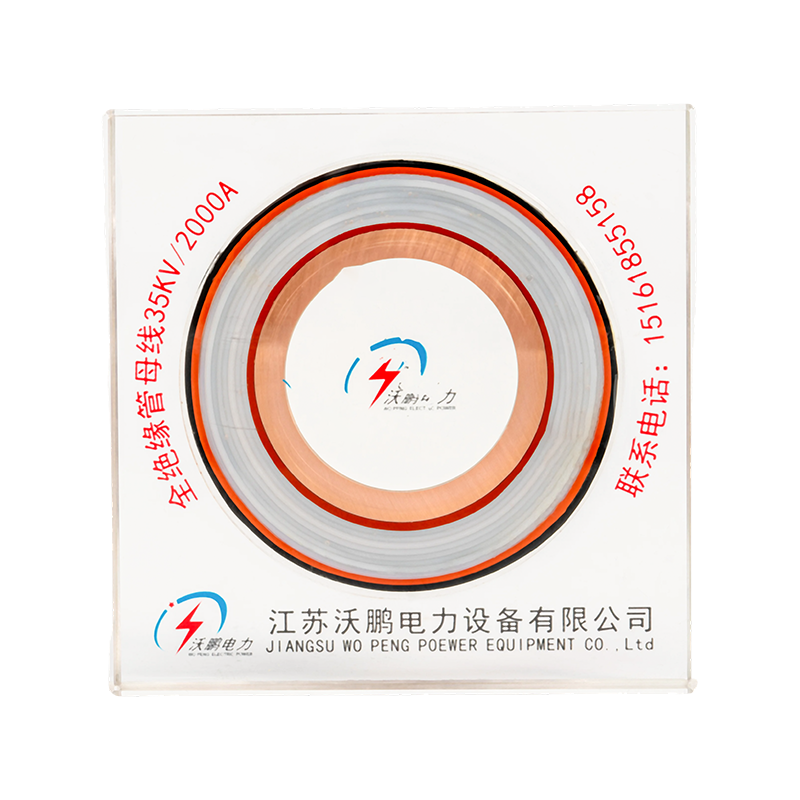

A crew arrives at a collector substation with a dozen aluminum tubes, a crate of clamps and one day before the bay is scheduled for energization. Lifting the tubes takes about an hour. The rest of the day disappears into support alignment, joint preparation, ...
View More +
Contact Us
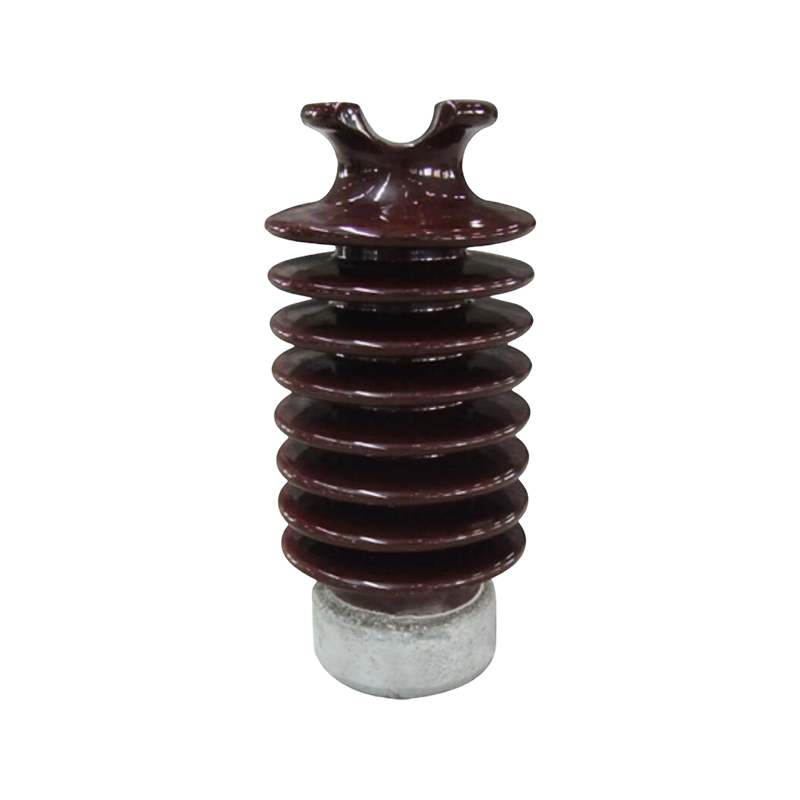
Post Insulator
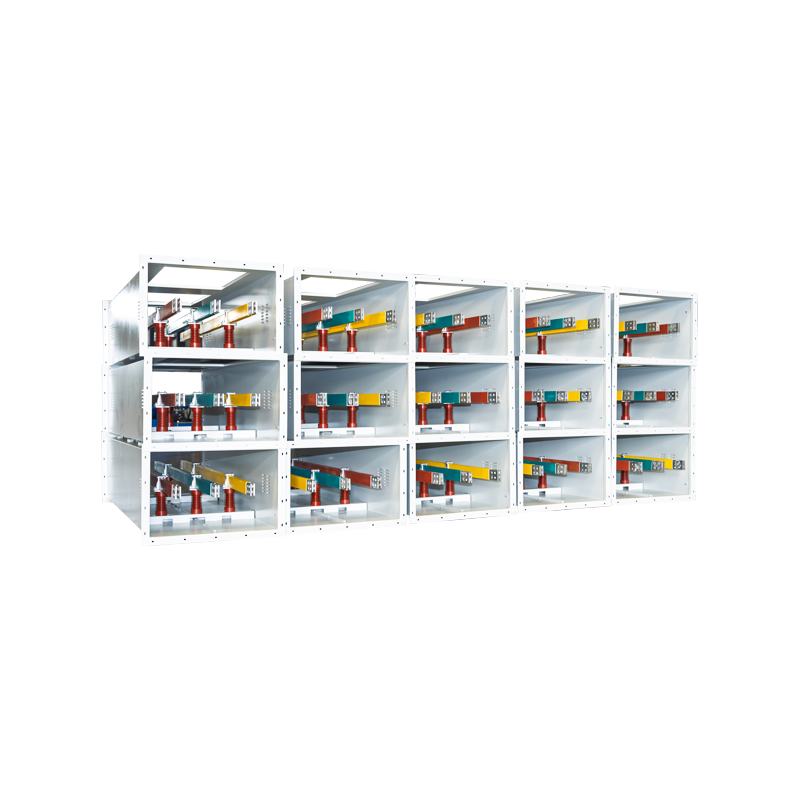
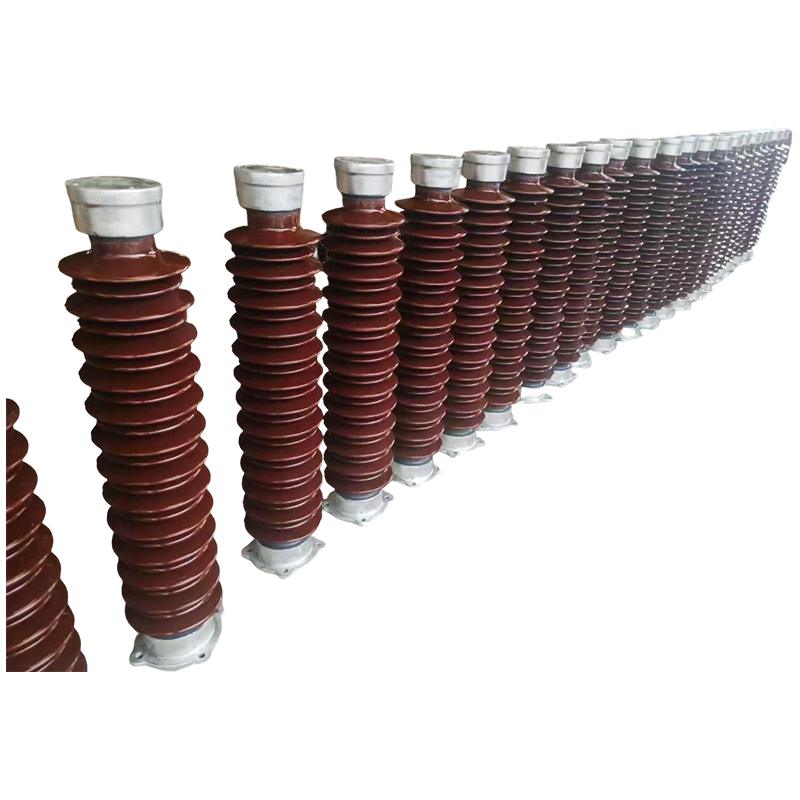
In an insulated tubular bus bar system, the use of post insulators can be eliminated or replaced through structural optimization. The insulated tubular bus bar is directly fixed to steel structures or concrete supports, providing strong vibration resistance. Its allowable stress is four times that of rectangular bus bars. Under a short-circuit current of 50 kA, a Φ100×6mm tubular bus bar can achieve a suspended span of up to 9 meters, or 13 meters when supported by bus bar brackets. It can be directly connected to high-voltage rooms, indoor current-limiting reactors, or 10 kV switchgear cabinets, thereby reducing the corresponding number of post insulators, bus bar fittings, and structural foundations. The bus bar is installed in an exposed manner using dedicated support brackets, with a bracket spacing of ≥275 mm. Fixed brackets must be installed for spans ranging from 6 to 13 meters. The post insulator design meets seismic condition requirements, withstanding a horizontal acceleration of 0.20 g, a vertical acceleration of 0.15 g, a vibration frequency of 20 Hz, and tolerance to three sine wave cycles, with a safety factor greater than 1.67. This ensures normal operation under simultaneous seismic and short-circuit conditions and is suitable for altitudes up to 4,000 meters.
- Product Details
- Features
- Contact Us
Technical Advantages
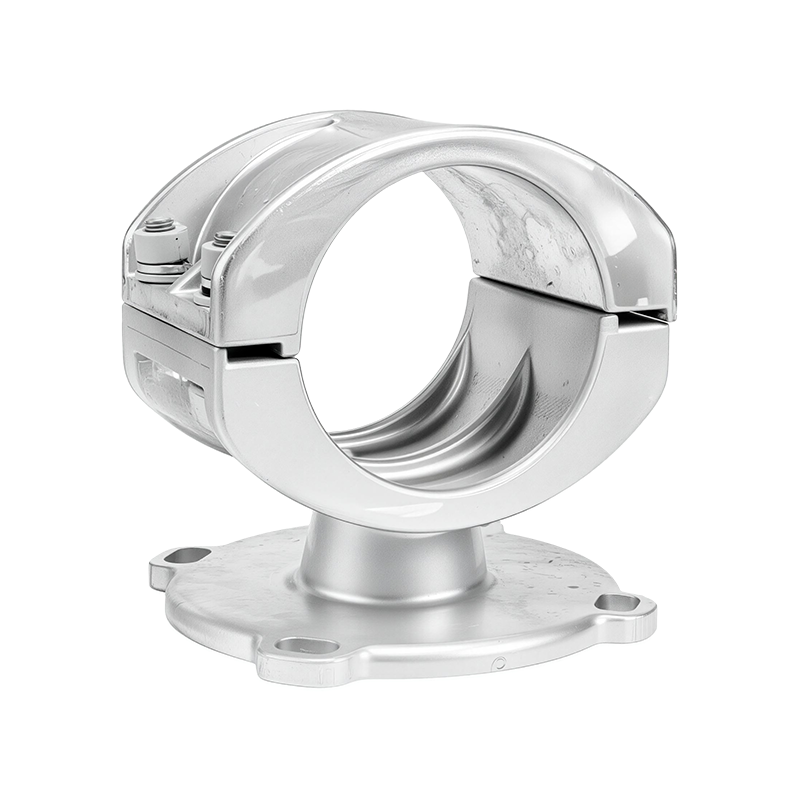
Simplified Structure and Easy Installation: The insulated tubular bus bar is directly fixed to steel structures or concrete supports, eliminating the need for wall bushings and post insulators. It adopts an exposed installation method, supported by dedicated tubular bus bar brackets with a spacing of ≥275 mm. Fixed brackets are installed when the span ranges from 6 m to 13 m.
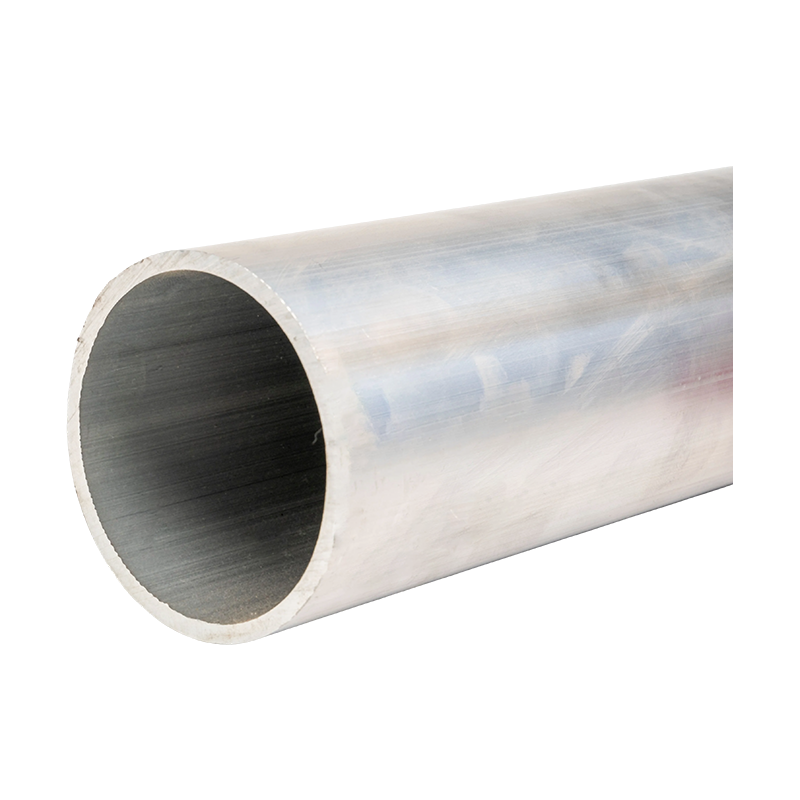
High Mechanical Strength and Large Support Span: The allowable stress of the insulated tubular bus bar is four times that of rectangular bus bars, enabling it to withstand significant short-circuit currents. Under a short-circuit current of 50 kA, a Φ100×6 mm tubular bus bar achieves a suspended span of up to 9 meters, and with bus bar bracket support, the span can reach 13 meters. The bus bar can be directly connected to high-voltage chambers, indoor current-limiting reactors, or 10 kV switchgear cabinets, reducing the need for corresponding post insulators, bus bar fittings, and structural foundations.
Strong Seismic Performance: The product design considers seismic conditions, withstanding horizontal acceleration of 0.20 g, vertical acceleration of 0.15 g, vibration frequency of 20 Hz, and tolerance to three sine wave cycles. The safety factor exceeds 1.67, ensuring normal operation under simultaneous seismic and short-circuit conditions.
Excellent Environmental Adaptability: Suitable for altitudes ≤4000 meters and environments with pollution severity class V (heavy pollution), the design creepage distance ratio is 31 mm/kV. After installing creepage extenders on outdoor terminals, the total creepage distance is not less than 680 mm.
Features
Value of Structural Simplification
In traditional busbar systems, post insulators serve the dual functions of mechanical support and electrical insulation. Through innovative designs that directly fix tubular bus bars onto steel structural supports, the number of insulators used is not only reduced, but the system structure is fundamentally simplified. This lowers installation complexity and potential failure points, reflecting the technological trend of evolving from discrete components toward integrated systems.
Environmental Adaptability Requirements
Post insulators must meet long-term stable operation requirements in harsh environments, particularly under severe conditions with pollution levels up to Class V, where their anti-pollution flashover performance becomes a critical indicator. By optimizing the shed design, using hydrophobic materials, and strictly controlling the creepage distance, reliable insulation performance is ensured in special environments such as coastal and industrial pollution areas.
Comparative Analysis of Installation and Maintenance
Compared to the complex procedures required for installing traditional post insulators—such as foundation construction, leveling alignment, and multi-point fixation—integrated tubular bus bar systems adopt standardized bracket installation methods, significantly shortening construction periods. In terms of maintenance, traditional insulators require regular contamination cleaning, crack detection, and electrical testing, whereas the fully enclosed design of tubular bus bars substantially reduces maintenance frequency and costs.
Material and Process Technical Characteristics
Modern post insulators are primarily manufactured using high-strength electrical porcelain, toughened glass, or composite materials. Among these, composite insulators offer advantages such as excellent hydrophobicity, high burst resistance, and light weight.
About Us
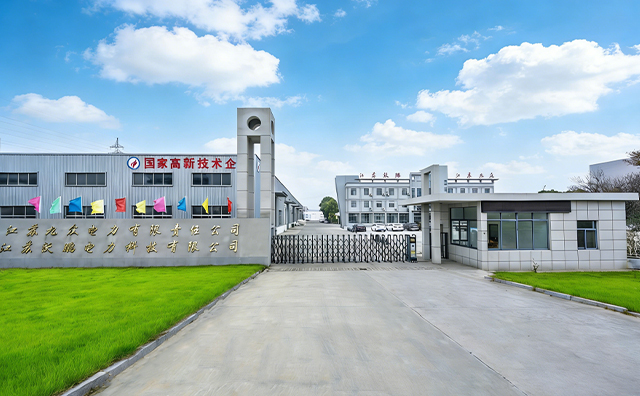
Jiangsu Wopeng Power Technology Co., Ltd.
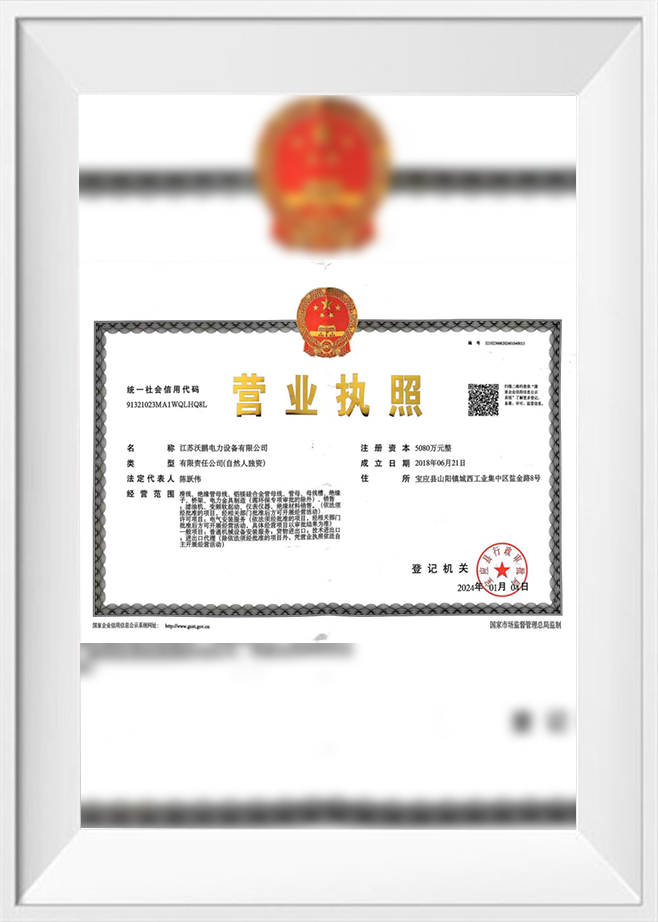
Founded in June 2018, Jiangsu Wopeng Power Technology Co., Ltd. is a Custom Post Insulator Manufacturer and OEM Electrical Systems Post Insulator Factory, it has rapidly grown into a specialized high-tech enterprise in the field of high and low voltage busbar systems.
We gather a professional team of industry experts, senior engineering and technical personnel, and experienced production specialists who have been engaged in power equipment technology for many years.
Our main products include copper & aluminum tube busbars, wind power tube busbars, intensive (compact) busbars and sliding contact line systems. We focus on the R&D and manufacturing of 0.4 kV–35 kV fully insulated enclosed tube busbars and low-voltage cast resin busway systems, providing reliable power transmission paths for power plants, substations, wind farms, rail transit and industrial facilities.
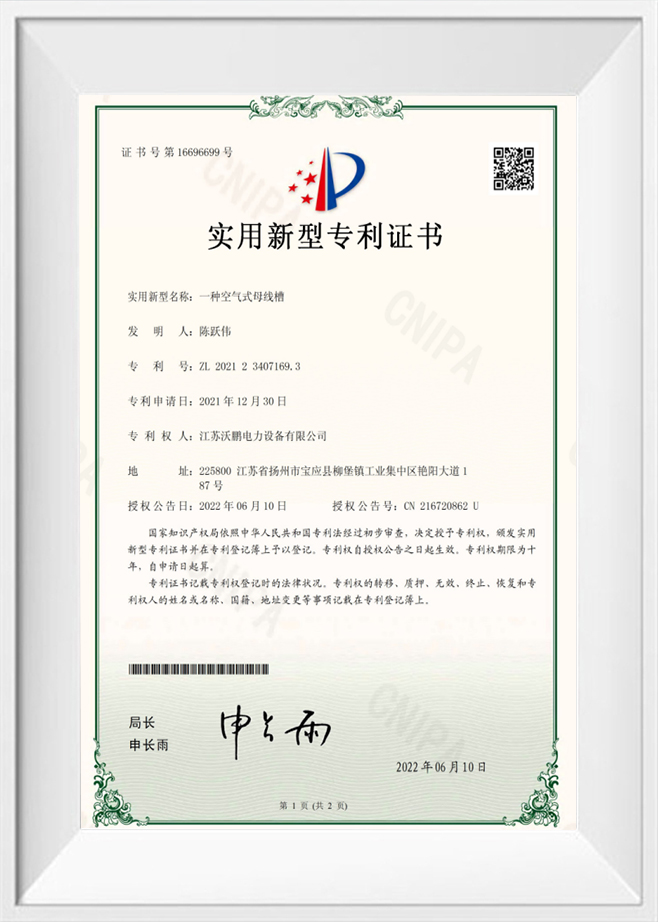
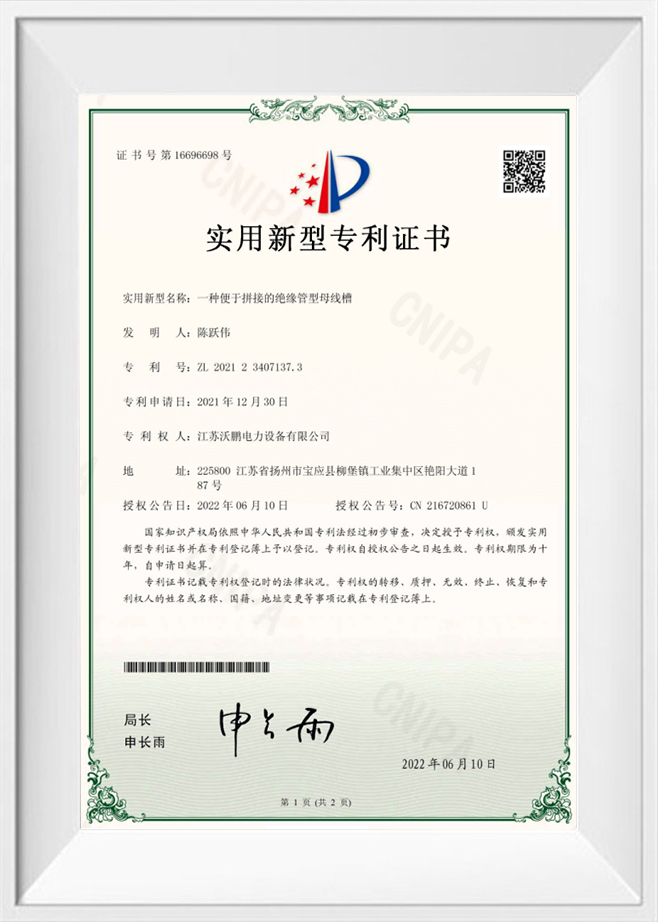
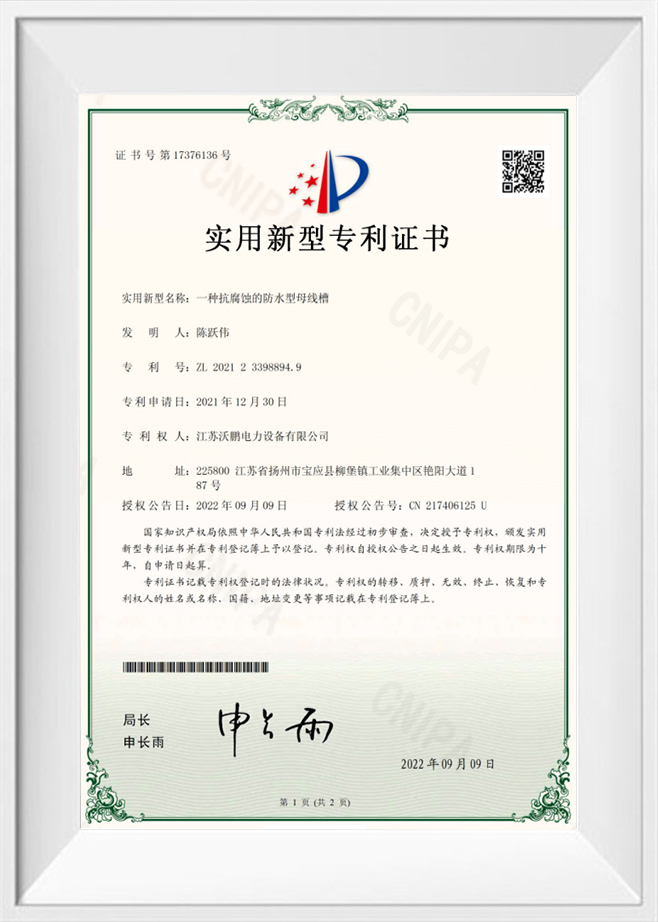
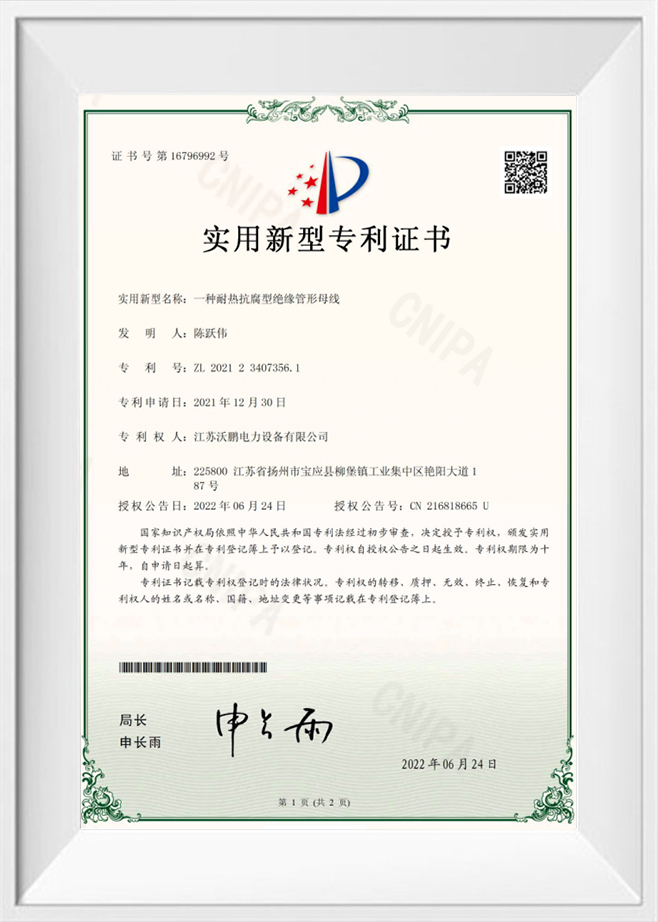
Certificate Of Honour
News
-
-
A busbar that passes its routine factory test can still fail in service when the insulation compound was matched to the wrong duty. Temperature is the clearest example: a casting rated for 130 °C continuous will harden and crack in a steel mill, while the sam...
View More + -
A 110 kV outdoor yard is 60 metres long, the incoming line lands on the west side, and the client wants two transformer bays plus space for a future third. The single-line diagram is approved. The question that stalls the project for a week is far less glamor...
View More +
Aluminum Alloy Tubular Bus Bar Industry knowledge
1. What Is a Post Insulator Used for in Power Systems
Post Insulator is a rigid insulating component used to support live conductors, bus bars, and electrical equipment while providing electrical isolation between energized parts and grounded structures. It is widely applied in substations, distribution cabinets, transmission lines, and switchgear. As a key product of professional Post Insulator manufacturer and Post insulator supplier for electrical systems, it ensures stable and safe operation under various voltage levels.
(1) Core Working Principle
Post insulators use high-performance insulating materials to block current leakage and withstand phase-to-phase and phase-to-ground voltages. Products from a reliable High-voltage post insulator manufacturer can support voltage levels from low voltage up to 550kV and maintain insulation resistance above 1.0×10¹³Ω.
2. Main Applications of Post Insulator
- Supporting bus bars in medium and high voltage substations
- Fixing conductors in outdoor and indoor switchgear assemblies
- Isolating live parts in power distribution systems and industrial control cabinets
- Stabilizing electrical connections in renewable energy stations and transformer stations
A professional Post insulator supplier for electrical systems provides customized Post Insulator designs to meet different installation spaces, load requirements, and environmental conditions.
3. Material and Performance Comparison
| Material | Voltage Range | Mechanical Strength | Weather Resistance |
|---|---|---|---|
| Ceramic / Porcelain | 1kV – 550kV | High | Excellent |
| Polymer / Silicone Rubber | 1kV – 220kV | Lightweight & High | Anti-pollution, Good |
A professional High-voltage post insulator manufacturer produces both porcelain and polymer Post Insulator types, suitable for urban, coastal, and industrial environments with high dust or humidity.
4. Frequently Asked Questions
Q1: What is the service life of a Post Insulator?
A: High-quality Post Insulator can serve 20 to 40 years under normal outdoor and indoor working conditions.
Q2: How to select a reliable Post Insulator manufacturer?
A: Choose manufacturers with complete type test reports, stable material quality, and experience in high-voltage applications.
Q3: Can Post Insulator be used in polluted areas?
A: Yes, silicone rubber polymer Post Insulator provides excellent anti-pollution and anti-flashover performance.
Q4: What mechanical load can Post Insulator bear?
A: Standard models can withstand bending loads ranging from 2kN to 20kN based on design and size.

Mobile
CATEGORY
Products
Contact Us
-
 +86-180 3625 3000
-
 admin@wpbusbar.com
-
 No. 8, Yanjin Road, Chengxi Industrial Park, Shanyang Town, Baoying County, Yangzhou City, Jiangsu Province, China
Copyright © Jiangsu Wopeng Power Technology Co., Ltd.
All Rights Reserved.
 Custom Insulated Bus Bar Manufacturer
Tubular Busbar System Factory
Custom Insulated Bus Bar Manufacturer
Tubular Busbar System Factory