

 EN
EN

 English
 русский
 Français
 Español
 عربى
عربى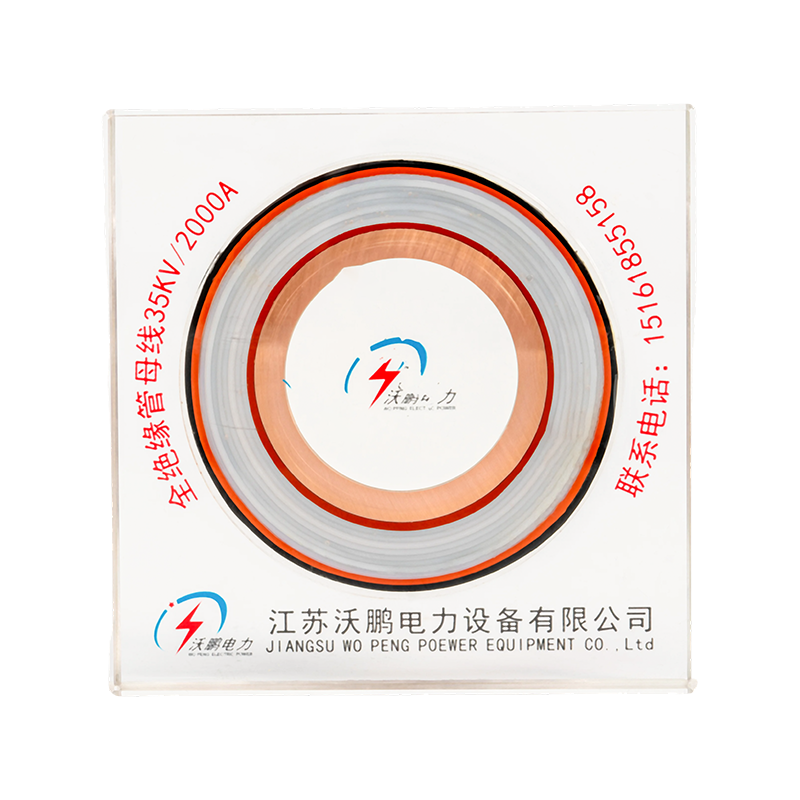
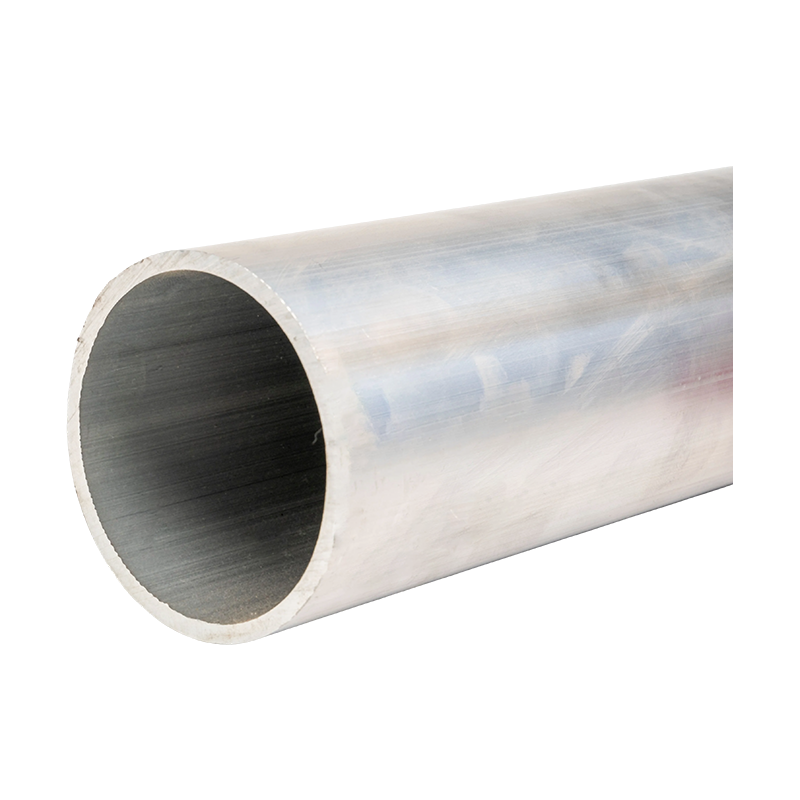
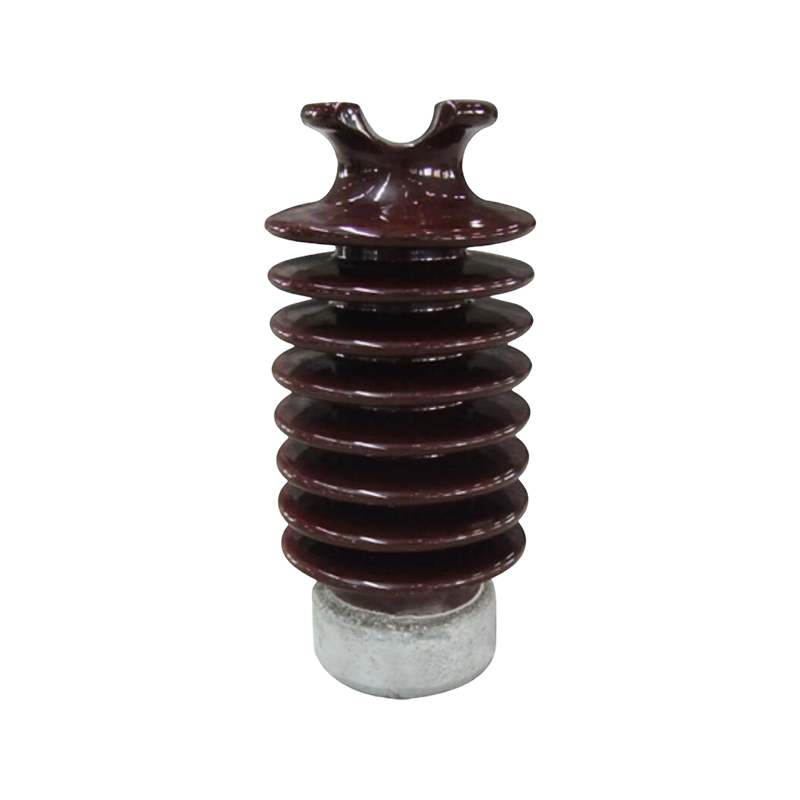
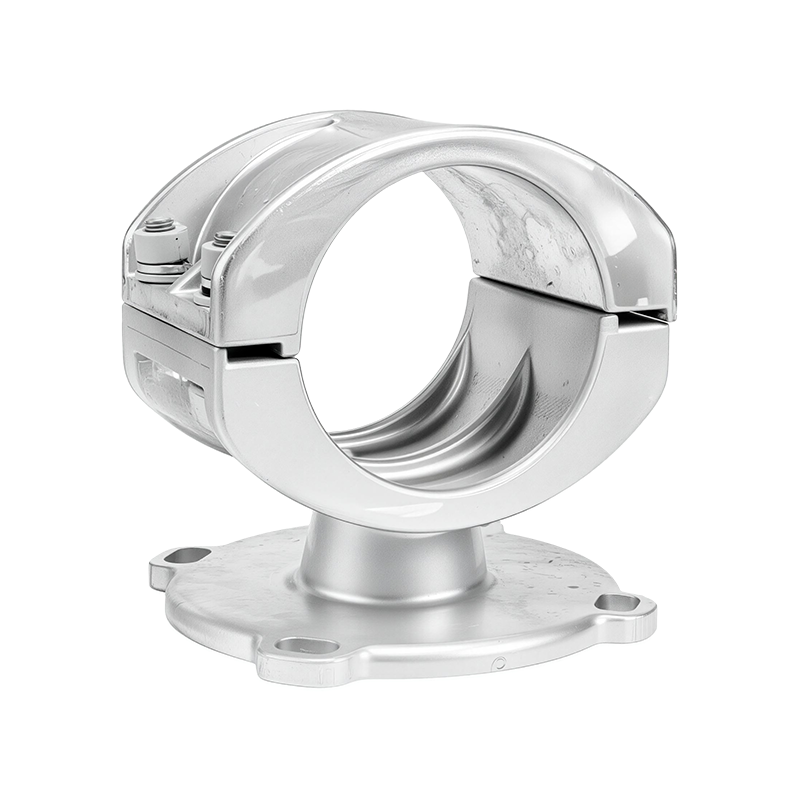
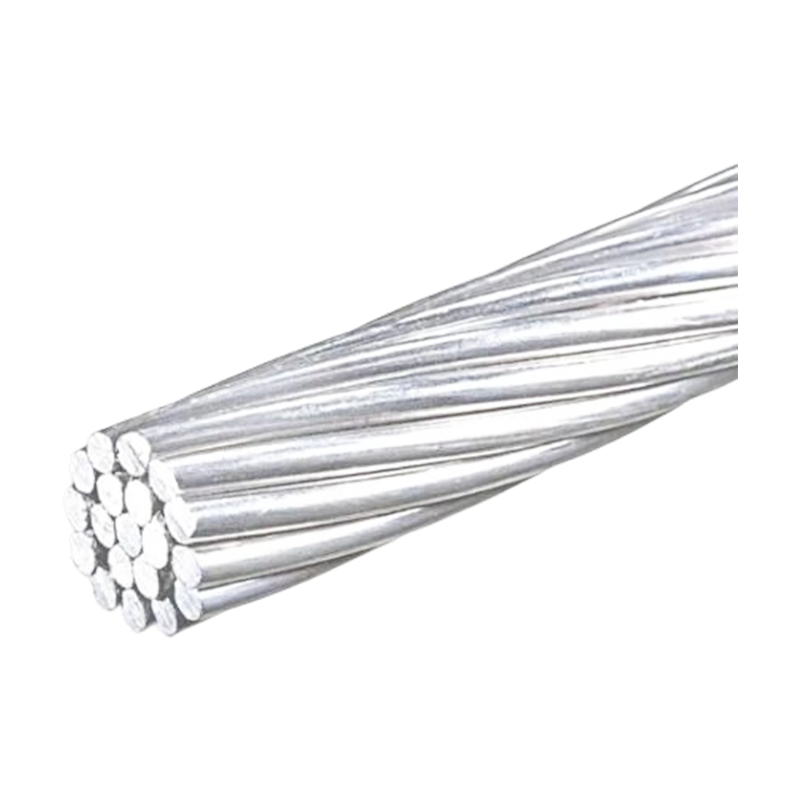
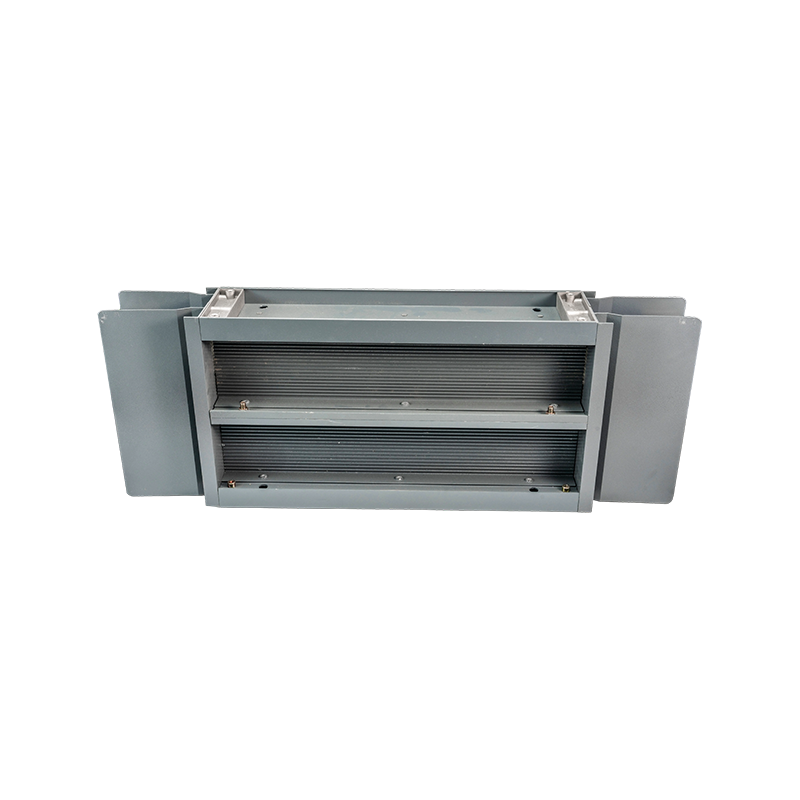
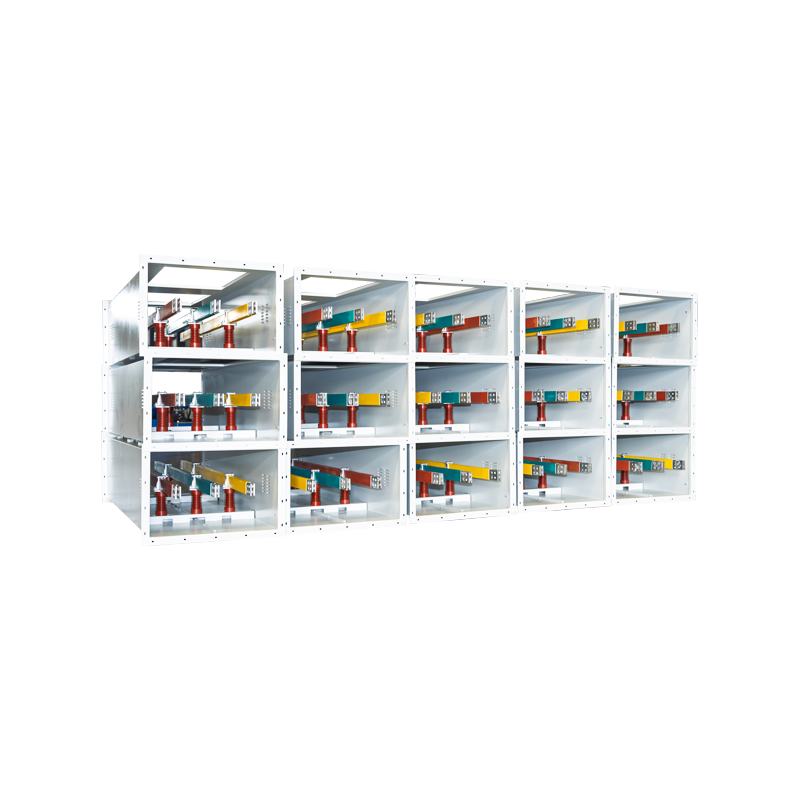



A crew arrives at a collector substation with a dozen aluminum tubes, a crate of clamps and one day before the bay is scheduled for energization. Lifting the tubes takes about an hour. The rest of the day disappears into support alignment, joint preparation, ...
View More +
Contact Us
Epoxy Resin Casting Tubular Bus Bar
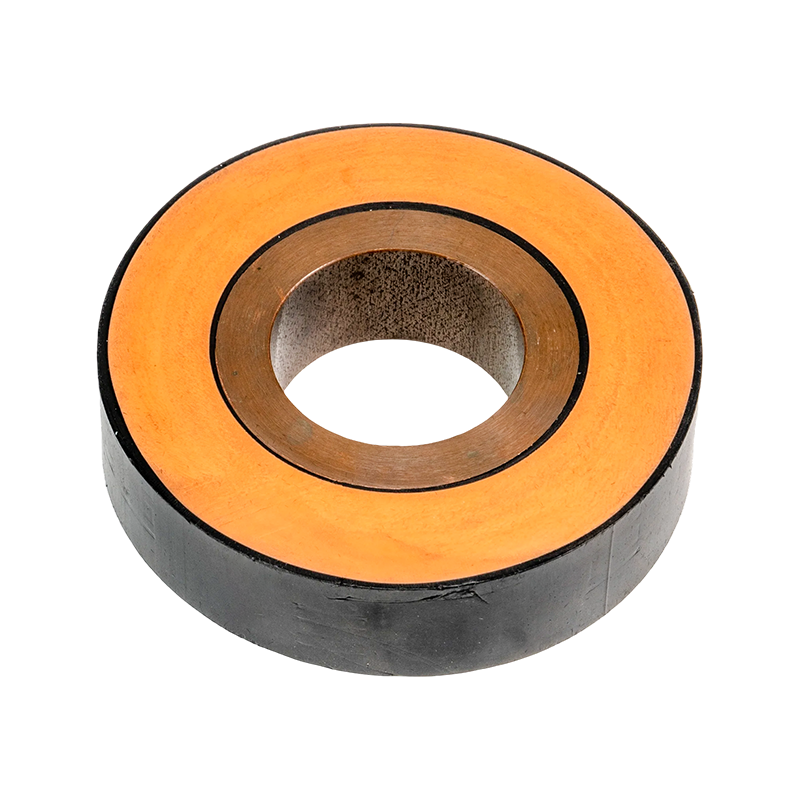
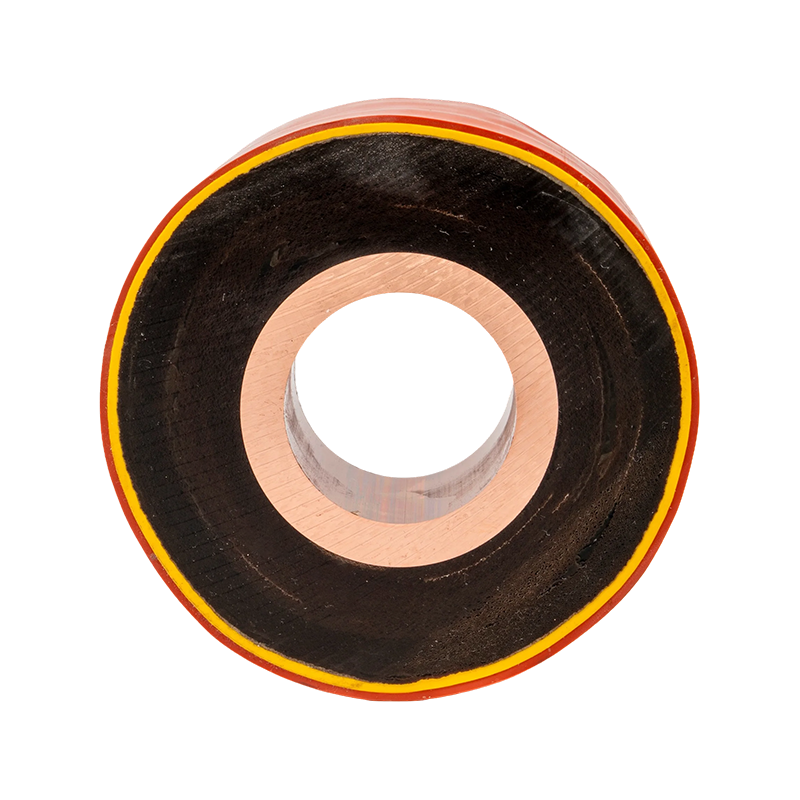
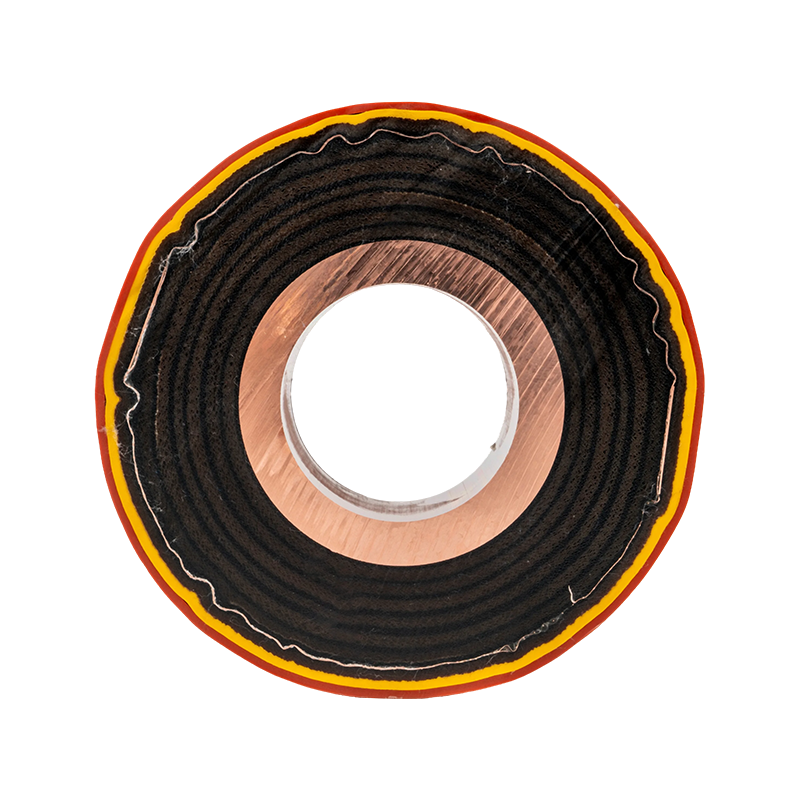
WOPENG Epoxy Resin Casting Tubular Bus Bar is a power transmission product integrally formed using a fully automated two-component vacuum injection molding machine, which employs pressure injection and high-temperature curing technologies. Its structure is nonseparable and features flame-retardant properties along with aging resistance, boasting a designed service life of over 30 years. For this product, the insulation joints and copper conductors are manufactured via a one-shot molding process, achieving seamless, interface-free fusion. Intermediate connections utilize an embedded stainless steel clamp welding technique, ensuring that the temperature rise at terminal joints remains lower than that of the conductor body. The product employs TZ7 or higher-grade oxygen-free copper conductors (copper content ≥ 99.90%), with a maximum suspension span not exceeding 5 meters. It incorporates a fully shielded structural design, where the metal shielding is fabricated from a composite of tinned steel strip and copper strip. The grounding system is realized by reliably welding copper stranded wires to the metal shielding layer. Additionally, the product is equipped with waterproof and moistureproof measures and a standardized identification system.
- Product Details
- Features
- Contact Us
Technical Advantages
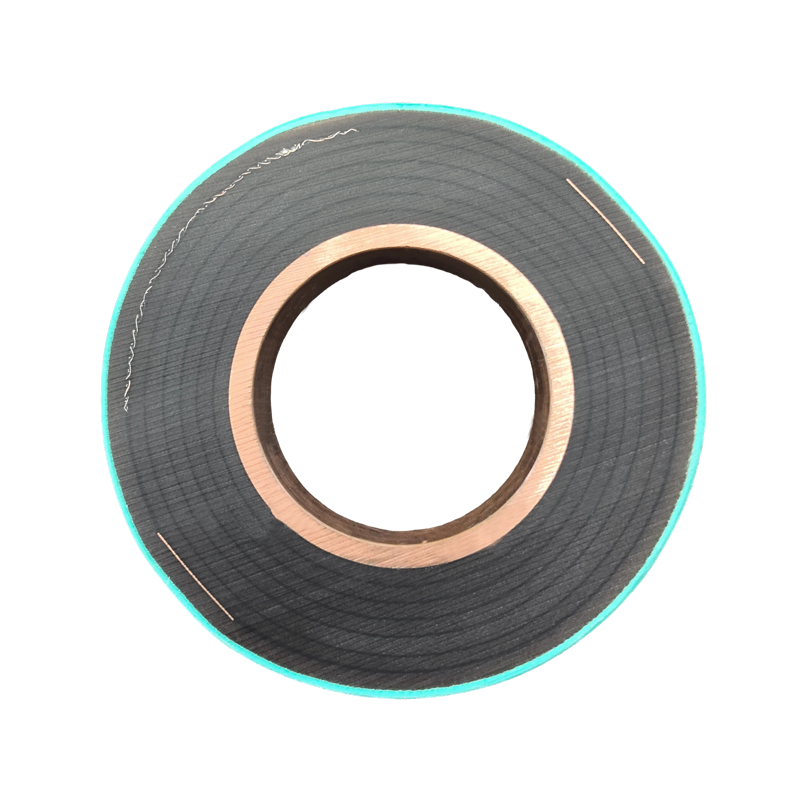
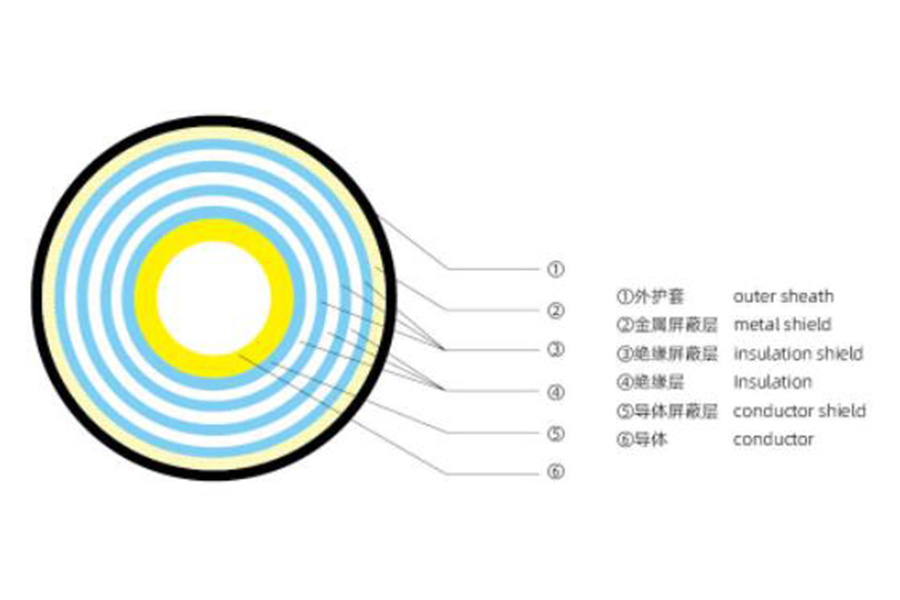
Integrated Molding Process: Utilizing a fully automatic dual-mode discharge vacuum injection molding machine for integrated casting, the product is formed in a single cycle through pressure flow injection and high-temperature curing. The conductor, shielding layer, semiconductive crepe paper, outer shielding layer, metal shielding layer, and outer protective layer are seamlessly integrated into an inseparable monolithic structure.
LongLife Design: The product features flame-retardant properties and aging resistance, with a service life of up to 30 years.
High-quality Conductive Materials: TZ7 or higher-grade copper is selected as the conductive material, with the pure copper tube having a copper content of ≥99.90%.
Reliable Connection Technology: Insulation joints are formed in a single molding cycle and fused into one body with the copper conductor. Intermediate connections employ embedded stainless steel clamp welding. The temperature rise at the terminal joints is lower than that of the conductor body. Connections between insulation joints and equipment are achieved via flexible links secured with bolts.
| Product structure schematic diagram |
 |
| Voltage level (KV) | Insulation thickness (mm) |
| 10 | 10 |
| 35 | 15 |
| 66 | 20 |
| 110 | 30 |
| 220 | 45 |
| Environmental conditions of use | |
| Altitude: ≤ 4000 meters Ambient air temperature minimum :-45 ℃ ; The highest ambient airtemperature is +60C; Maximum daily temperature difference :35K Sunshine intensity: 100ow/m2 of sunlight radiation Maximum wind speed: 40m/s(10min average maximum wind speedfrom 10m above the ground) Ambient relative humidity (at 25 。 C) : the average relative humiditymeasured within 24 hours is less than 95%; Average monthly relativehumidity s 90% Ice thickness: ice thickness does not exceed 20mm Seismic intensity: 8 degrees Ground horizontal acceleration: 0.20g Vertical acceleration: 0.15g Frequency:20Hz The endurance time is sine wave: 3 cycles Safety factor: greater than 167 Pollution level: Pollution level according to GB/T5582 specified V -serious pollution design creepage specific distance is 31mm/kv, after theoutdoor terminal is installed with climbing device, the total climb distanceis not less than 680mm Temporary overvoltage: the overvoltage time shall not exceed 8h in 24hand shall not exceed 125h in the whole year |
|
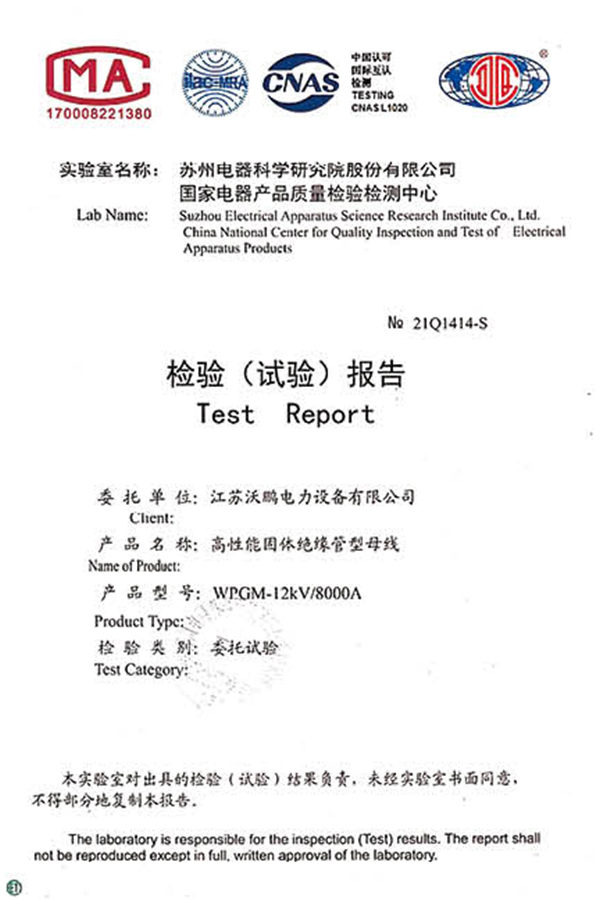 |
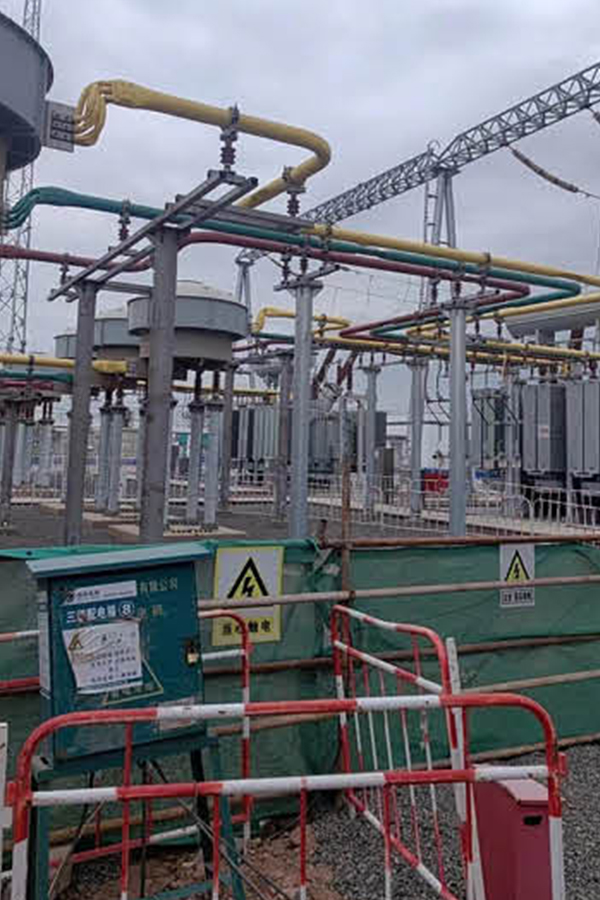 |
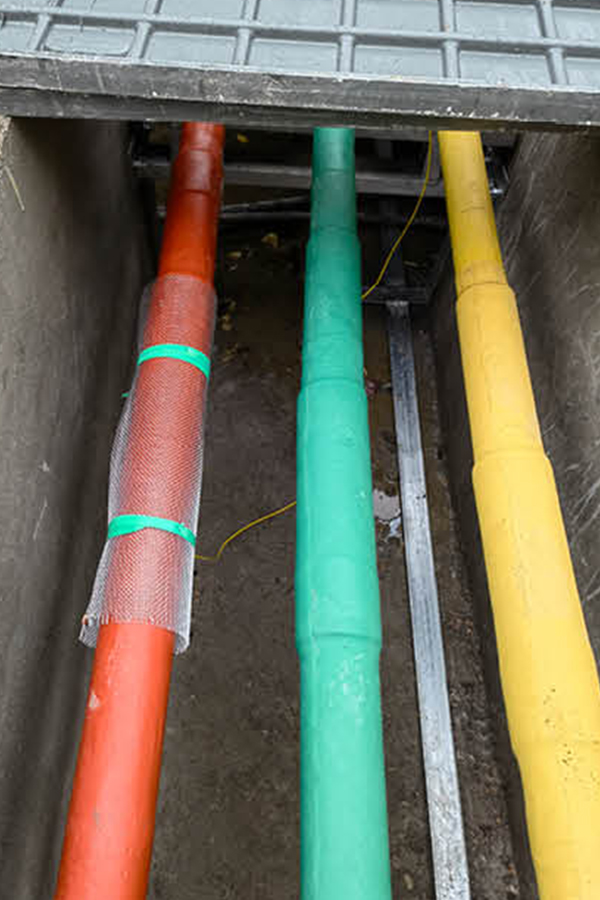 |
|
| Product structure and requirements | |
| Vacuum epoxy resin pouring tube busbar is poured by an automatic double liquid stirring vacuum gluing machine, pressure pouring, and high temperature curing once formed. Conductor, inner shield layer, semi-conductive corrugated paper, outer shield layer, metal shield layer, and outer protection layer as a whole, can not be split, flame retardant, aging resistance, service life of 30 years. The tube bus terminal joint of vacuum epoxy resin casting is formed once and integrated with a copper conductor. The middle link is welded with an embedded stainless steel hoop. The temperature rise of the terminal joint is less than that of the conductor body. The material is consistent with the structural form and material of the bus bar. Conductor material: T2Yand above grade copper should be selected, and the copper content of pure copper pipe is ≥ 99.90%. The maximum span of the suspended tube bus bar of vacuum epoxy resin pouring is not more than sM. The tube bus should have a metal shield layer, and the metal shield is made of a copper braided strip and a copper strip. The grounding lead wire is reliably welded with copper braided tape and a metal shielding layer. The grounding points must be securely connected to the on-site grounding system. The grounding points must be fortified with waterproof and moistureproof measures. The grounding points must be marked and numbered The insulating outer cover of the grounding screen should be able to reliably prevent the intrusion of moisture and moisture. Heat shrink insulation bushings can be used, and phase colors (yellow, green, red) are used in obvious places. Anti-rust treatment should be applied to metal welding in site construction. All the bolts and screws used are made of hot-dip galvanized materials. The connection between the terminal joint of the vacuum epoxy resin-poured tube bus and the equipment is made of a soft connection and a bolt fastening connection. Requirements for the lap surface of the conductor end: the end of the copper pipe should be rounded, and the connection surface of the copper pipe end should be plated with silver or tin to ensure low contact resistance and anti-corrosion function. |
|
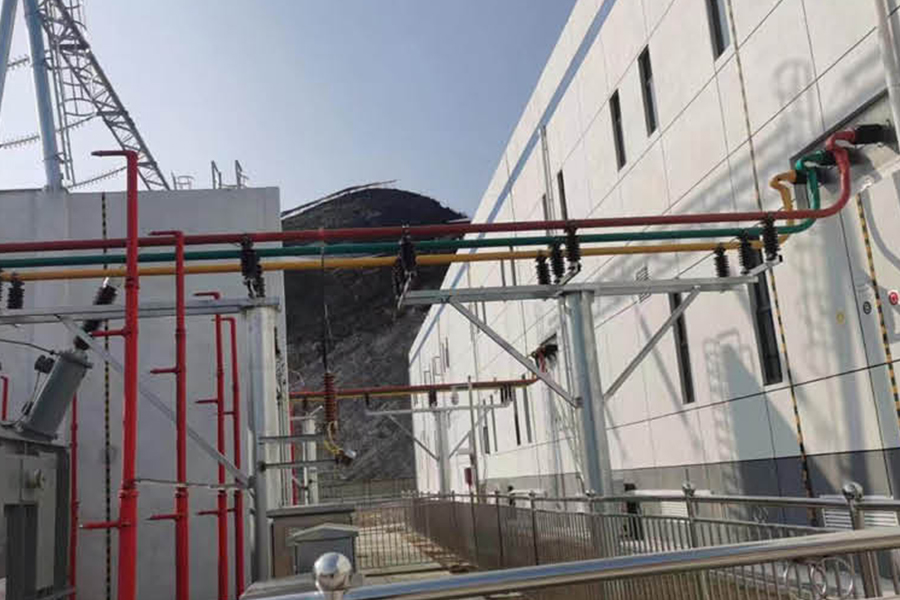 |
 |
| Typical application solutions for insulated tube busbars |
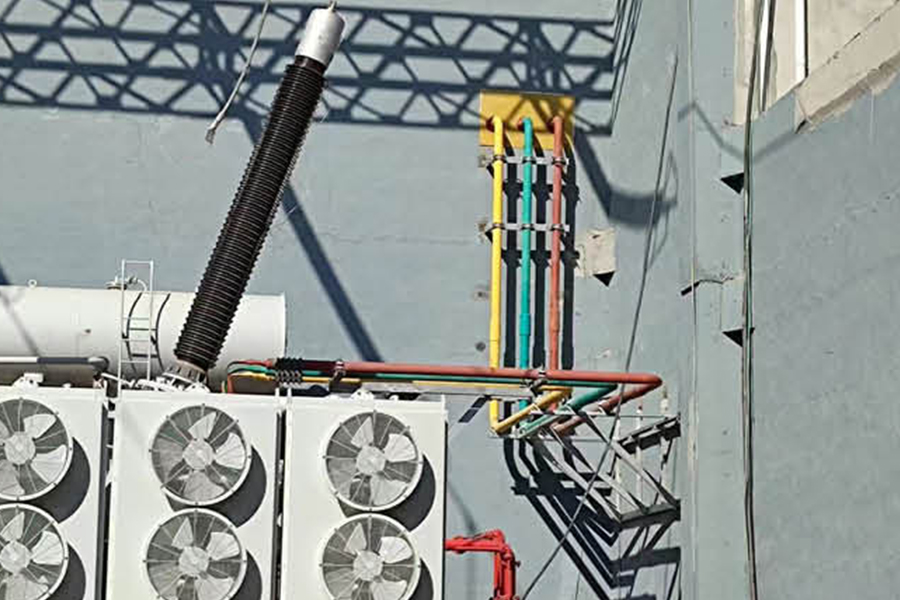
| Method 1: Connect the main transformer to the control room This is the most common way of tubular busbar application. The busbar is directly connected from the low-voltage terminals of the main transformer to the switch cabinet terminals in the control room. Main advantages: Suitable for large currents. The wiring is clear and beautiful, and can be fully insulated or semi-insulated. |
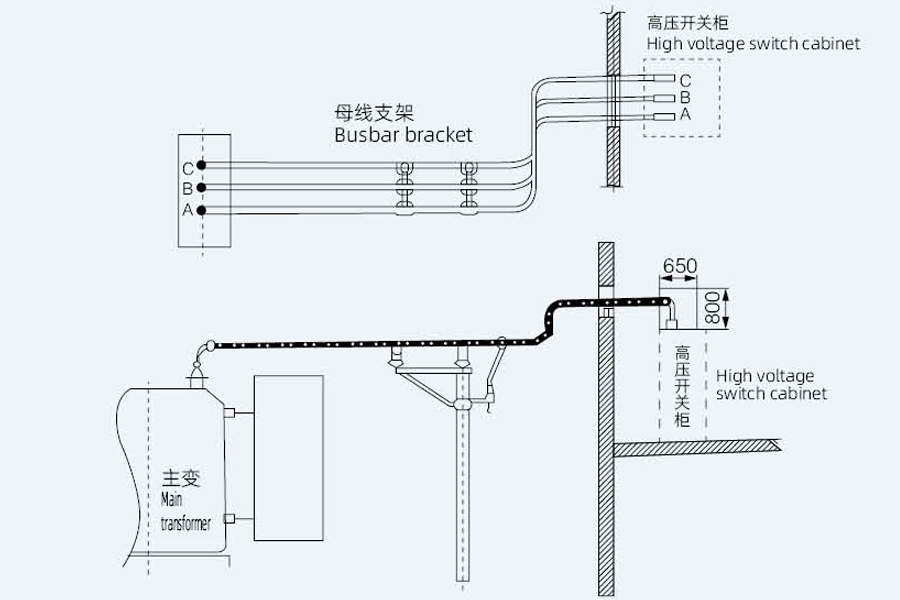 |
| Method 2: The busbar is routed through a cable trench or cable mezzanine The figure below is another common way of applying tubular busbars. The busbars can be connected to switch cabinets through underground cable trenches or cable mezzanines, and can also be used for connections between switch cabinets. This busbar is fully insulated and is particularly suitable for situations where wiring is difficult. |
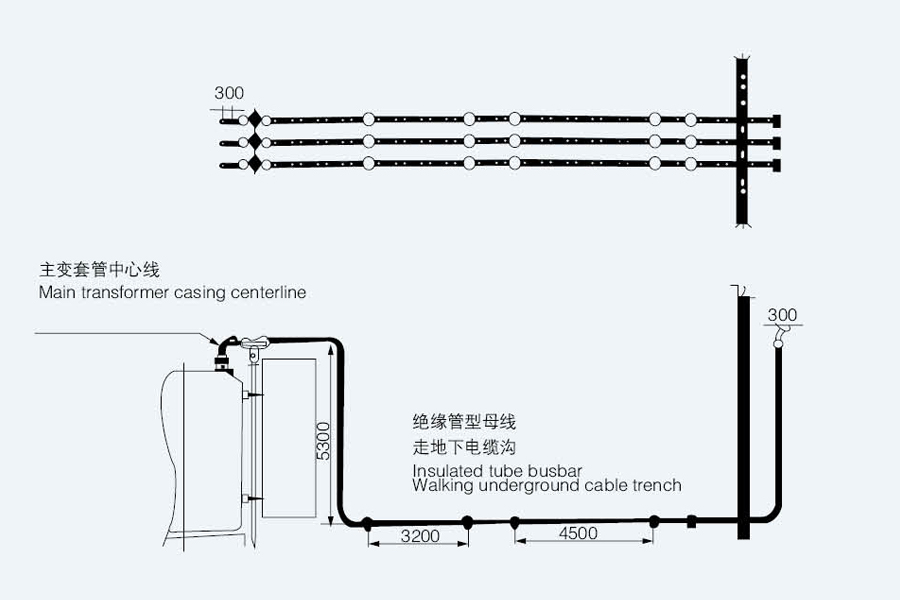 |
| Method 3:Tubular busbars are routed through cable trenches or cable mezzanines This method is the top cable connection method of the switch cabinet. It can also be connected through the cable mezzanine and the bottom cable connection method. Users can choose according to the actual situation. The busbar type is fully insulated. |
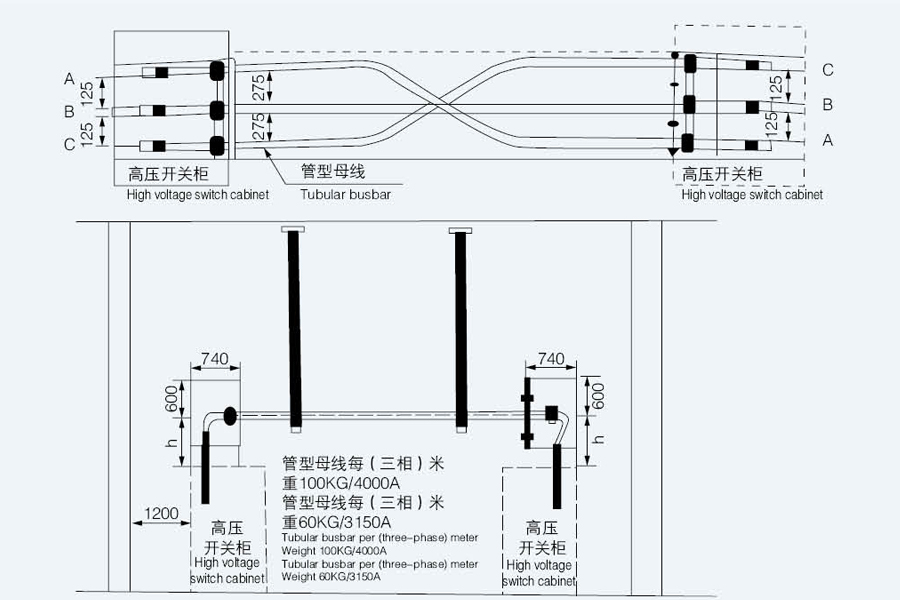 |
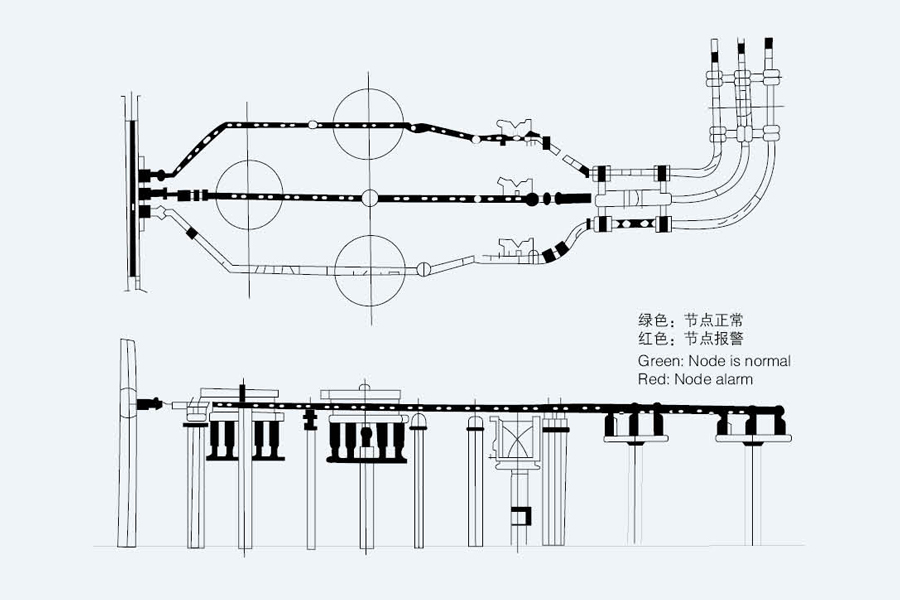
| Method 4:Tubular bus CNC monitoring system Our company develops it by itself and implements unmanned intelligent monitoring of multiple technical data of the tube bus. |
 |
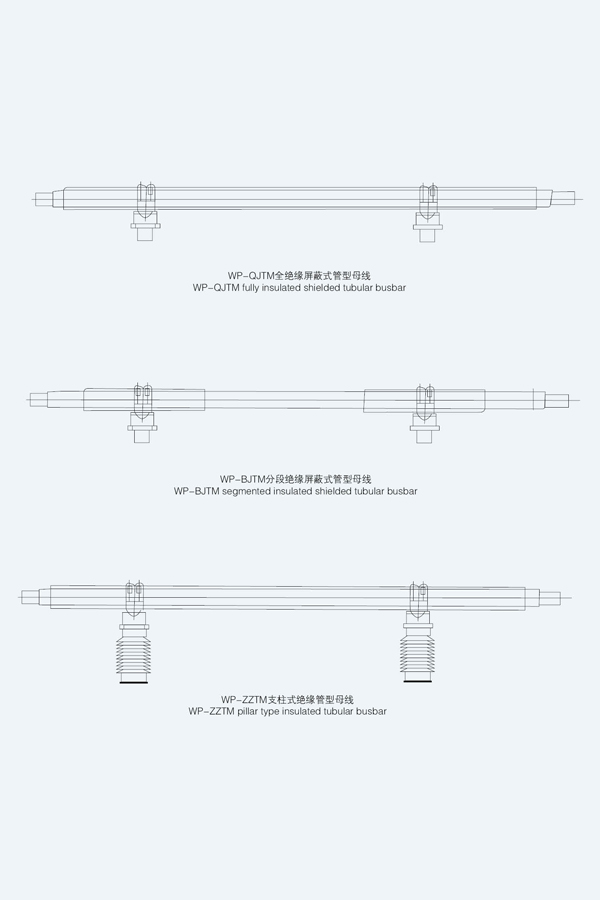
| Insulated tube busbar |
 |
Operating Environmental Conditions
Altitude: ≤4000 m
Temperature Conditions: Minimum ambient air temperature: 45°C;Maximum ambient air temperature: +60°C;Maximum daily temperature variation: 35 K
Solar Radiation Intensity: 1000 W/m²
Wind Speed Conditions: Maximum wind speed: 40 m/s
Humidity Conditions: Daily average relative humidity: ≤95% ;Monthly average relative humidity: ≤90%
Ice Cover Conditions: Ice thickness not exceeding 20 mm
Seismic Conditions: Seismic intensity: 8 degrees; Ground horizontal acceleration: 0.20 g; Ground vertical acceleration: 0.15 g; Frequency: 20 Hz; Withstand duration for sine wave: 3 cycles
Safety Factor: Greater than 1.67
About Us
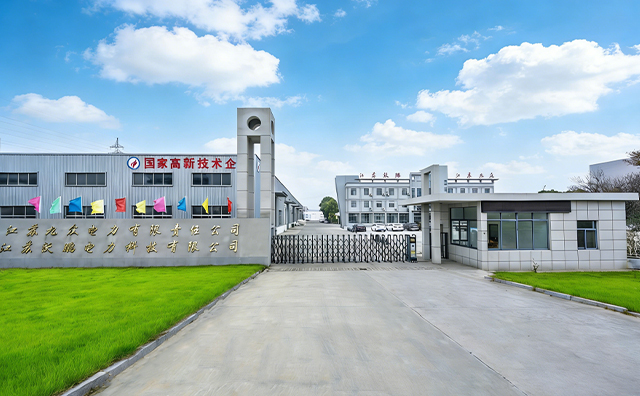
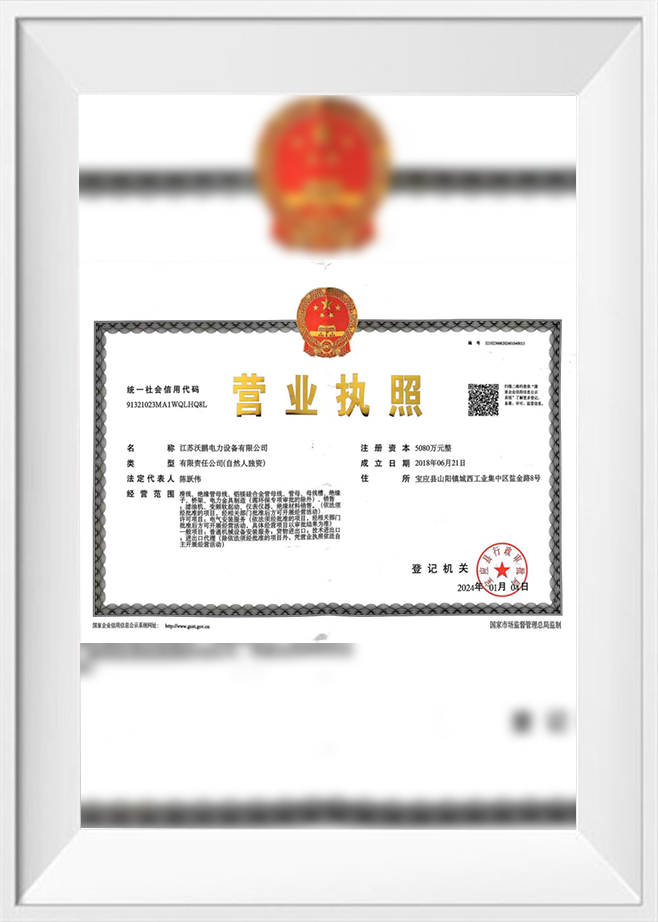
Jiangsu Wopeng Power Technology Co., Ltd.
Founded in June 2018, Jiangsu Wopeng Power Technology Co., Ltd. is a Custom Epoxy Resin Casting Tubular Bus Bar Manufacturers and OEM Epoxy Resin Casting Tubular Bus Bar Factory, it has rapidly grown into a specialized high-tech enterprise in the field of high and low voltage busbar systems.
We gather a professional team of industry experts, senior engineering and technical personnel, and experienced production specialists who have been engaged in power equipment technology for many years.
Our main products include copper & aluminum tube busbars, wind power tube busbars, intensive (compact) busbars and sliding contact line systems. We focus on the R&D and manufacturing of 0.4 kV–35 kV fully insulated enclosed tube busbars and low-voltage cast resin busway systems, providing reliable power transmission paths for power plants, substations, wind farms, rail transit and industrial facilities.
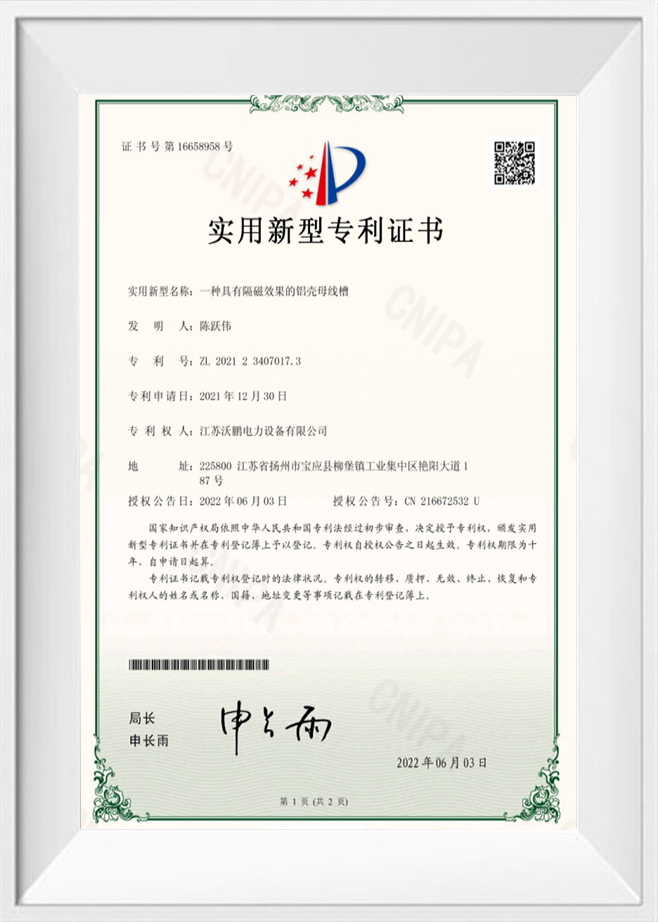
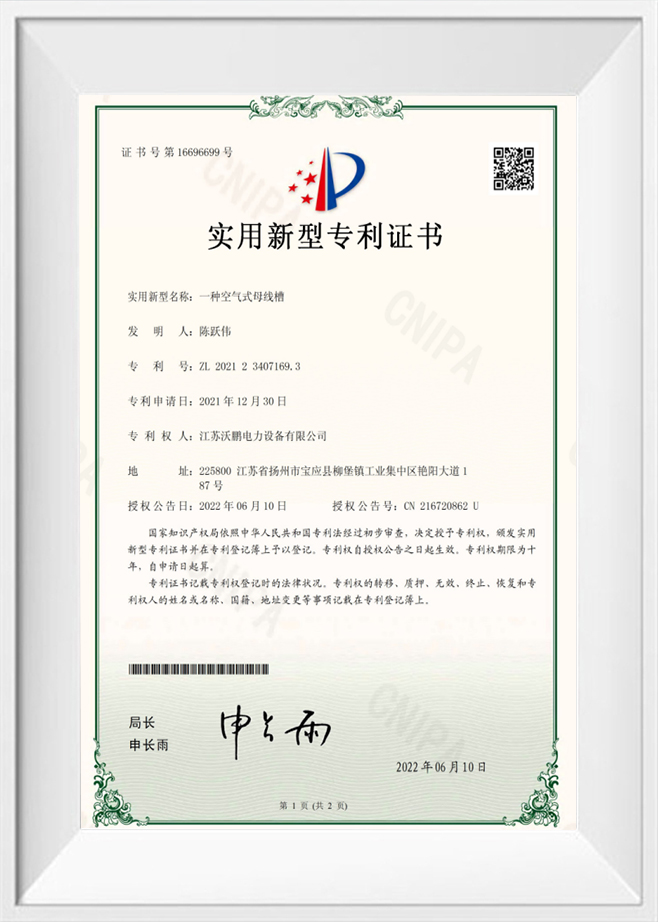
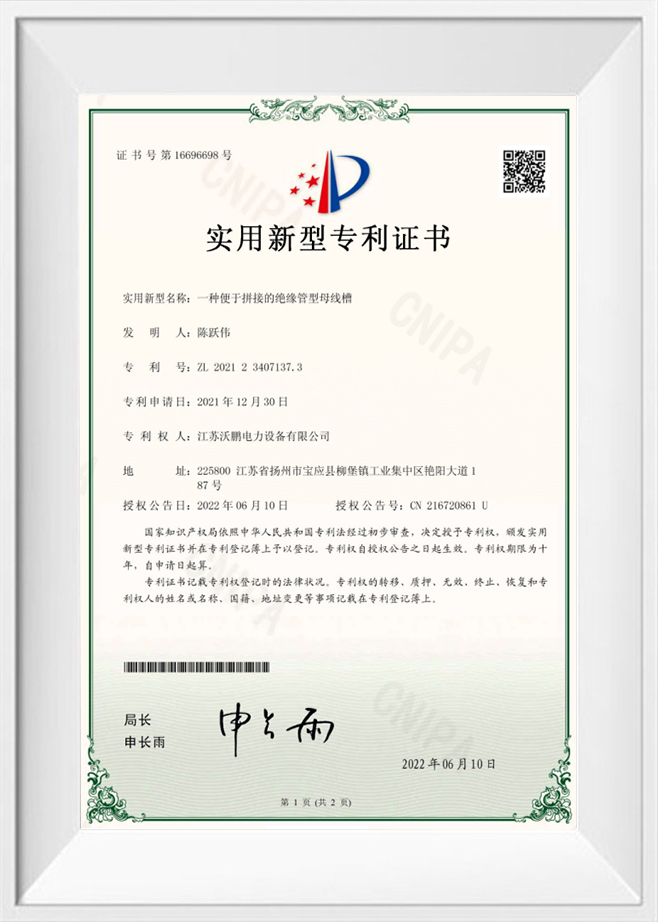
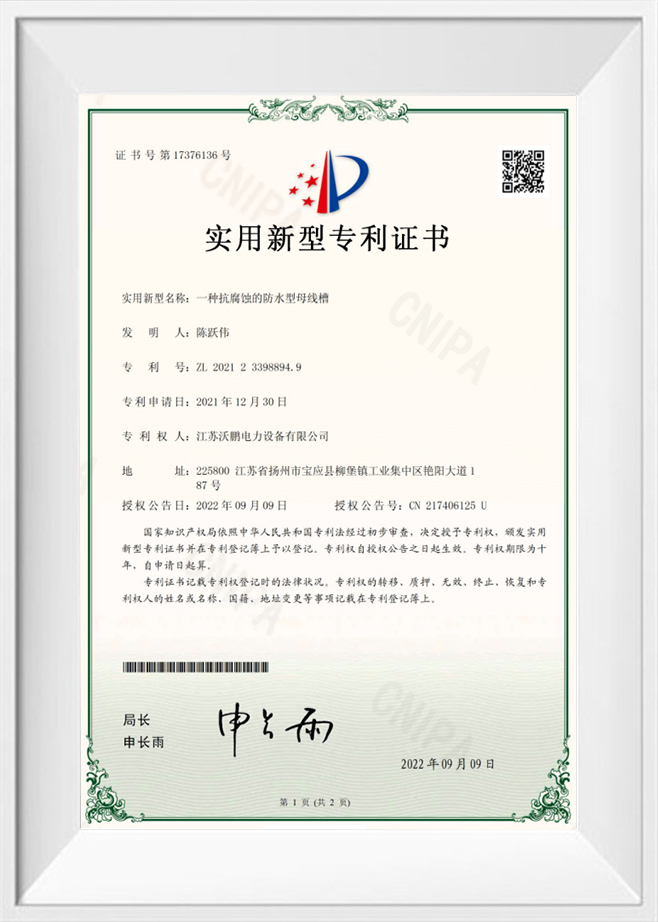
Certificate Of Honour
News
-
-
A busbar that passes its routine factory test can still fail in service when the insulation compound was matched to the wrong duty. Temperature is the clearest example: a casting rated for 130 °C continuous will harden and crack in a steel mill, while the sam...
View More + -
A 110 kV outdoor yard is 60 metres long, the incoming line lands on the west side, and the client wants two transformer bays plus space for a future third. The single-line diagram is approved. The question that stalls the project for a week is far less glamor...
View More +
Fully Insulated Tubular Bus Bar Industry knowledge
1. What Is Epoxy Resin Casting Tubular Bus Bar
The Epoxy Resin Casting Tubular Bus Bar is a high-performance insulated conductive component, manufactured by casting epoxy resin around a metal conductor (copper or aluminum) through a precision molding process. It integrates excellent electrical insulation, mechanical strength, and anti-pollution performance, serving as a core part in medium and high-voltage power distribution systems. A professional Epoxy Resin Casting Tubular Bus Bar supplier produces products that meet strict industrial standards, ensuring stable operation in complex power environments.
(1) Core Structure and Key Performance
The Epoxy Resin Casting Tubular Bus Bar consists of a conductor core (conductivity ≥63% IACS) and an epoxy resin insulation layer (thickness 5-10mm). It has a breakdown voltage of ≥30kV/mm, insulation resistance above 1.0×10¹³Ω, and can withstand working temperatures of -30℃ to 130℃. Its epoxy resin layer is non-flammable (meets UL94 V-0 standard) and has strong resistance to moisture and chemical corrosion.
2. Where Is Epoxy Resin Casting Tubular Bus Bar Used
Due to its superior insulation and stability, the Epoxy Resin Casting Tubular Bus Bar is widely used in scenarios requiring high safety and reliability, mainly including:
- Medium and high-voltage substations (10kV-35kV), used for bus bar connections between transformers, circuit breakers, and switchgear.
- Indoor power distribution cabinets and control panels, especially in high-humidity or dusty industrial environments.
- Power systems in high-rise buildings, hospitals, and data centers, where fire safety and insulation stability are critical.
- Renewable energy stations (solar, wind) and industrial plants (petrochemical, metallurgy), adapting to harsh working conditions.
A reliable Epoxy Resin Casting Tubular Bus Bar supplier provides customized specifications, including different conductor sizes and insulation thicknesses, to fit various installation scenarios and voltage requirements.
3. Performance Comparison with Other Insulated Bus Bars
| Bus Bar Type | Breakdown Voltage | Fire Resistance | Moisture Resistance |
|---|---|---|---|
| Epoxy Resin Casting Tubular Bus Bar | ≥30kV/mm | UL94 V-0 (Non-flammable) | Excellent |
| Silicone Rubber Insulated Bus Bar | ≥25kV/mm | UL94 V-1 | Good |
| PVC Insulated Bus Bar | ≤15kV/mm | UL94 V-2 | Poor |
The Epoxy Resin Casting Tubular Bus Bar has obvious advantages in breakdown voltage and fire resistance, making it the preferred choice for high-safety power distribution scenarios. A professional Epoxy Resin Casting Tubular Bus Bar supplier ensures consistent product quality to meet the strict requirements of key power projects.
4. Frequently Asked Questions
Q1: What is the service life of Epoxy Resin Casting Tubular Bus Bar?
A: Under normal working conditions, it can serve 30-40 years, with stable performance and no obvious aging.
Q2: How to choose a reliable Epoxy Resin Casting Tubular Bus Bar supplier?
A: Prioritize suppliers with product type test reports, advanced casting equipment, and rich experience in power system applications.
Q3: Can it be used in outdoor environments?
A: It is mainly suitable for indoor use; outdoor models with anti-UV treatment are available from professional suppliers.
Q4: What is the maximum current-carrying capacity of this bus bar?
A: Standard models can carry up to 3500A, with customized options for larger current requirements.

Mobile
CATEGORY
Products
Contact Us
-
 +86-180 3625 3000
-
 admin@wpbusbar.com
-
 No. 8, Yanjin Road, Chengxi Industrial Park, Shanyang Town, Baoying County, Yangzhou City, Jiangsu Province, China
Copyright © Jiangsu Wopeng Power Technology Co., Ltd.
All Rights Reserved.
 Custom Insulated Bus Bar Manufacturer
Tubular Busbar System Factory
Custom Insulated Bus Bar Manufacturer
Tubular Busbar System Factory