

 EN
EN

 English
 русский
 Français
 Español
 عربى
عربى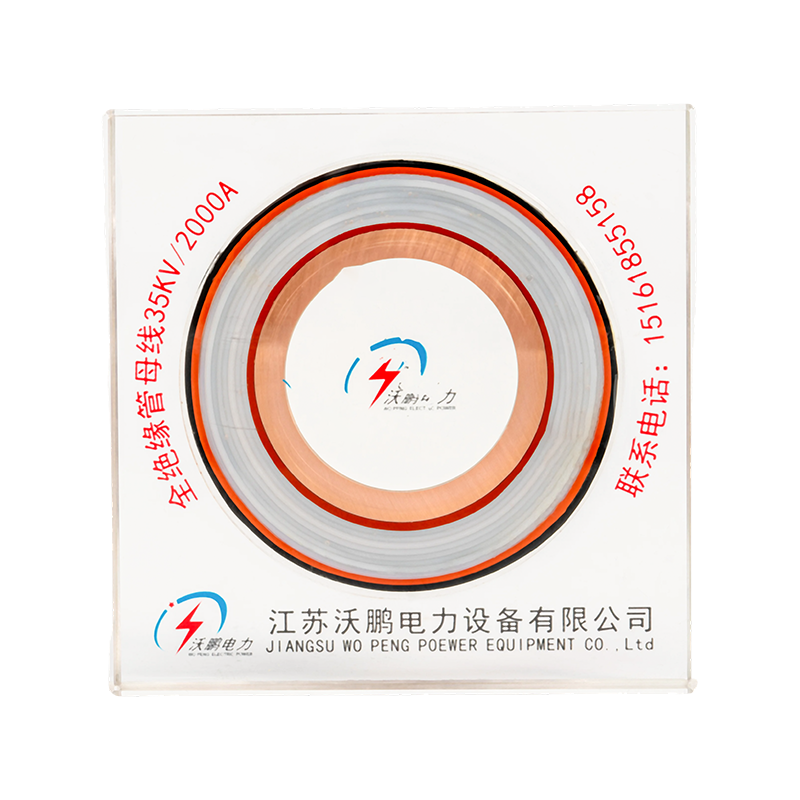
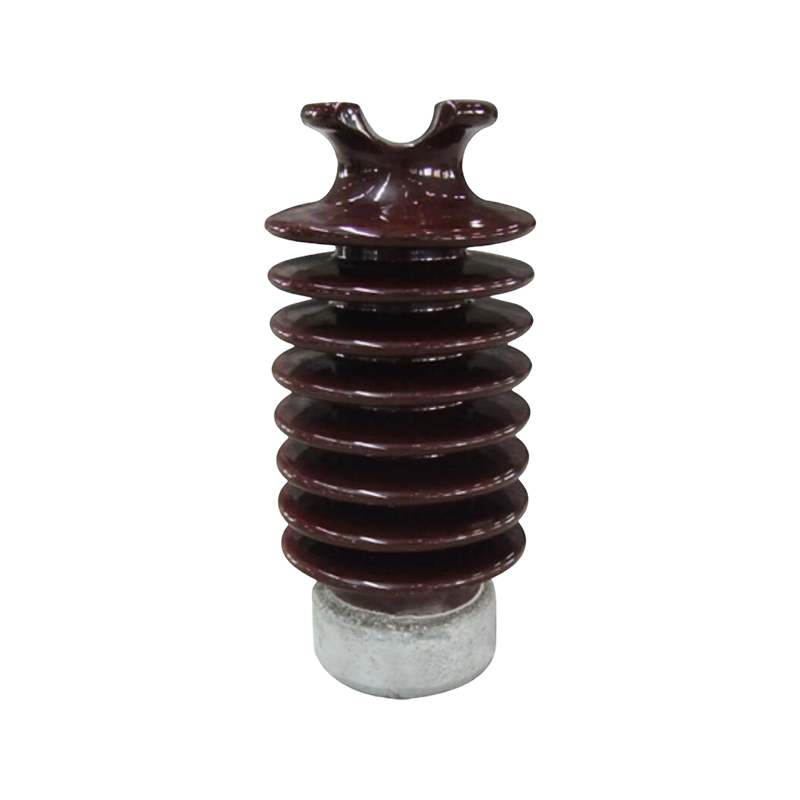
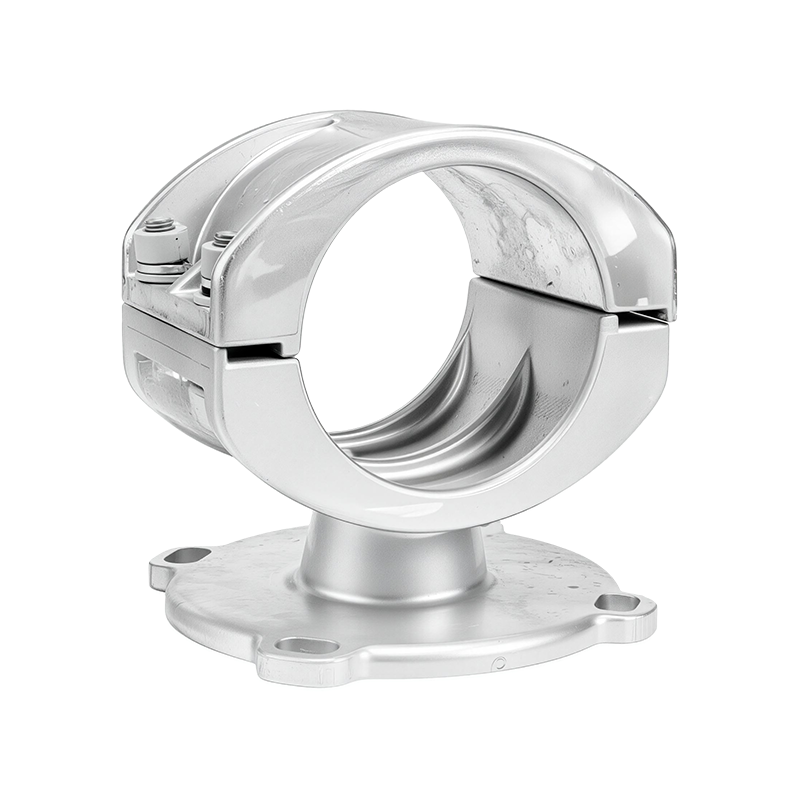
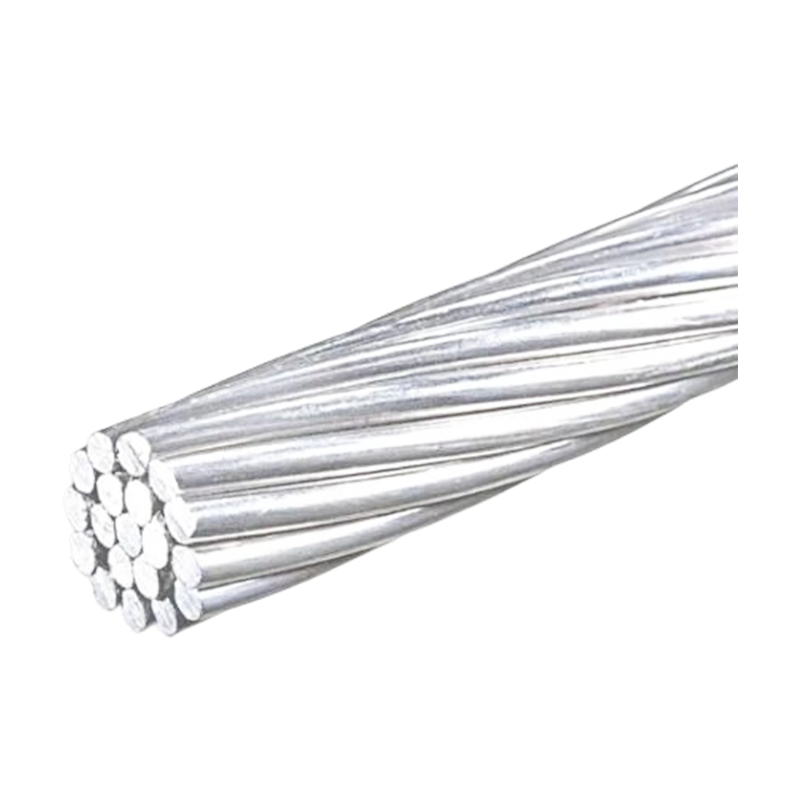
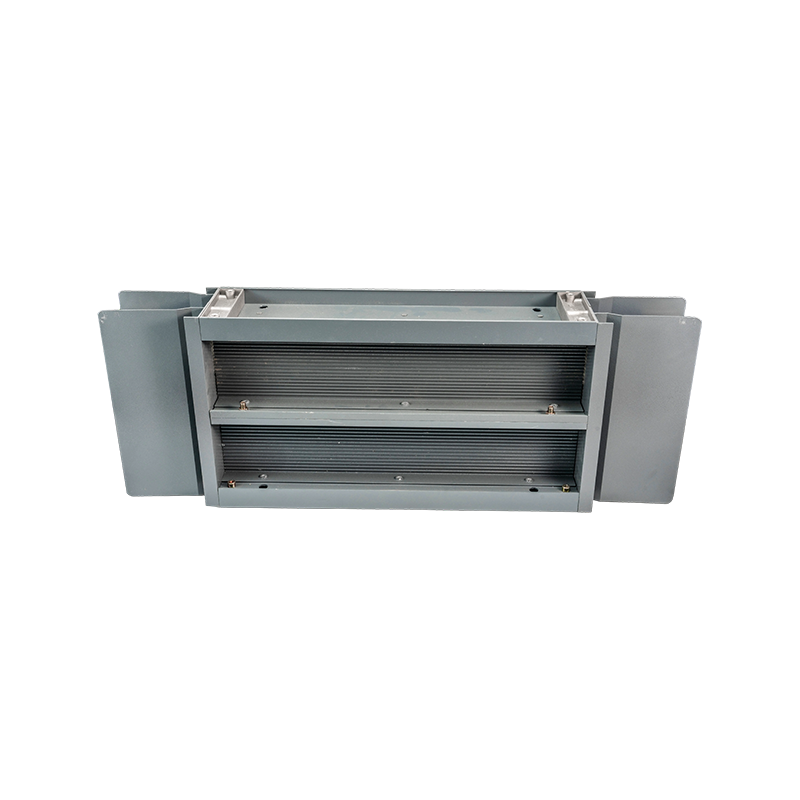
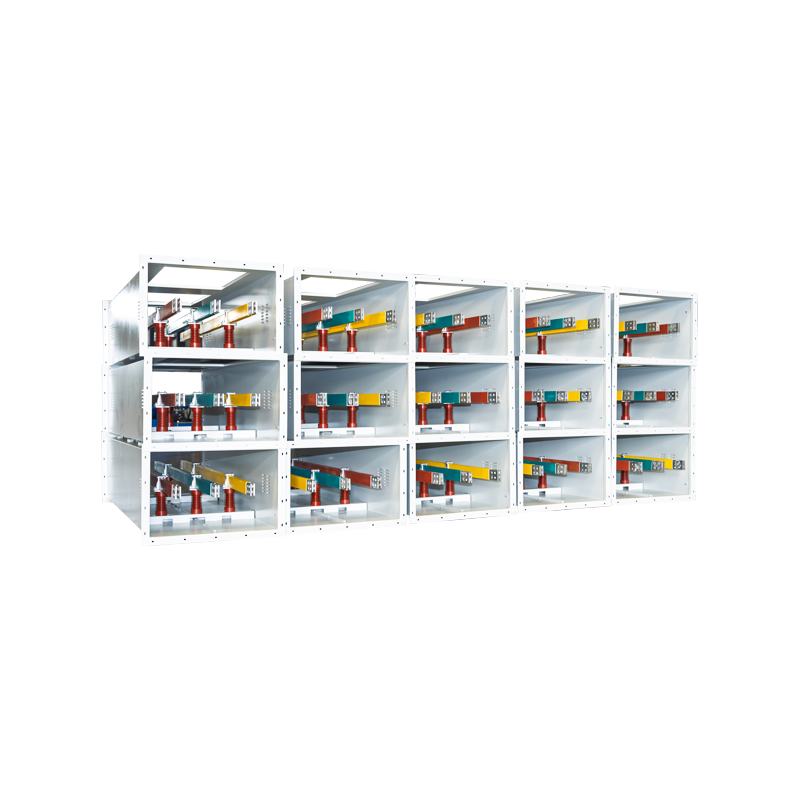



A crew arrives at a collector substation with a dozen aluminum tubes, a crate of clamps and one day before the bay is scheduled for energization. Lifting the tubes takes about an hour. The rest of the day disappears into support alignment, joint preparation, ...
View More +
Contact Us
PTFE Tubular Bus Bar
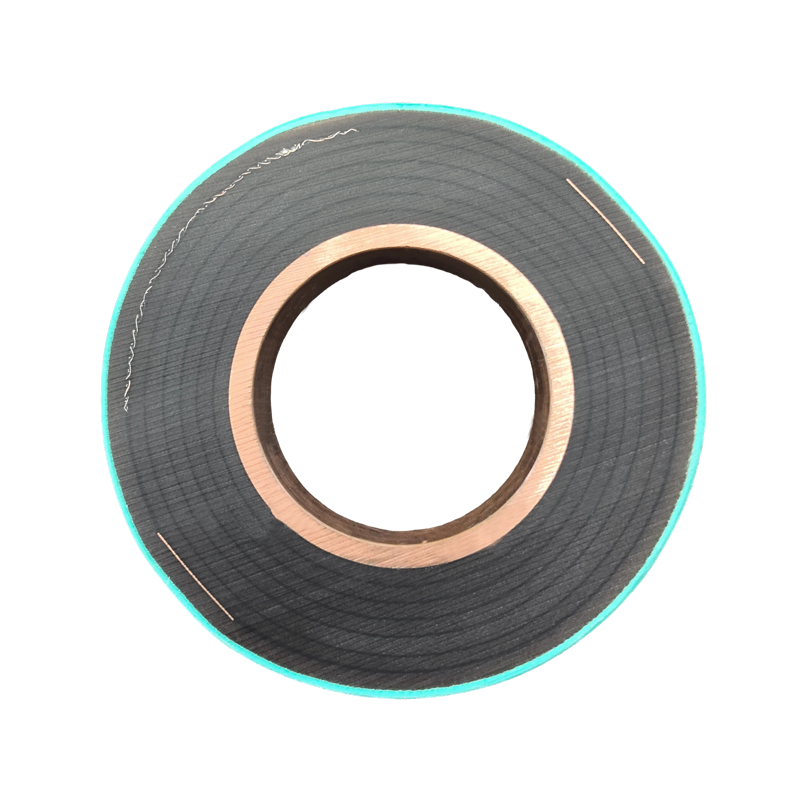
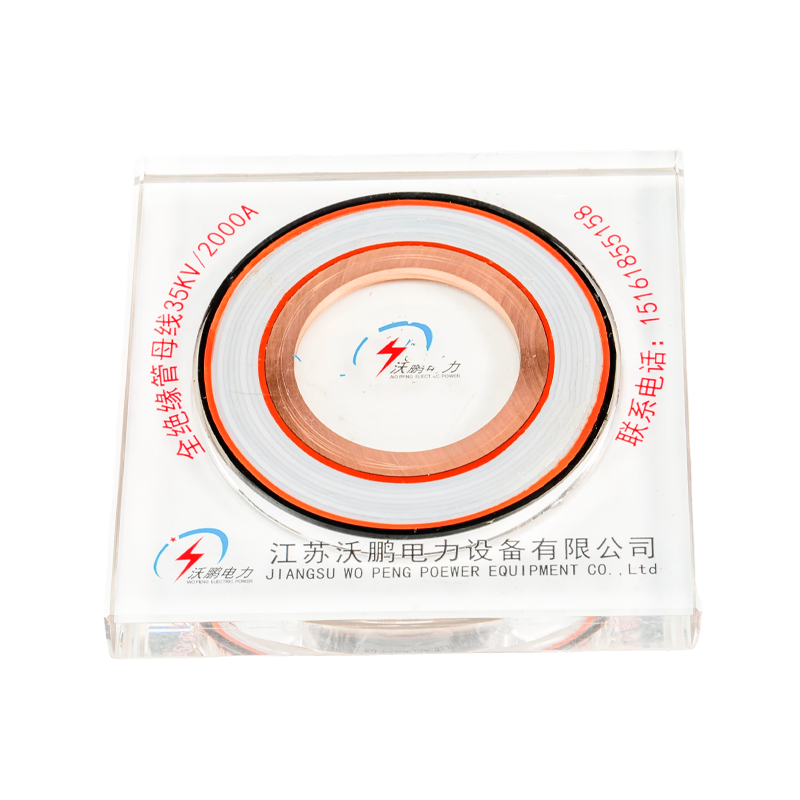
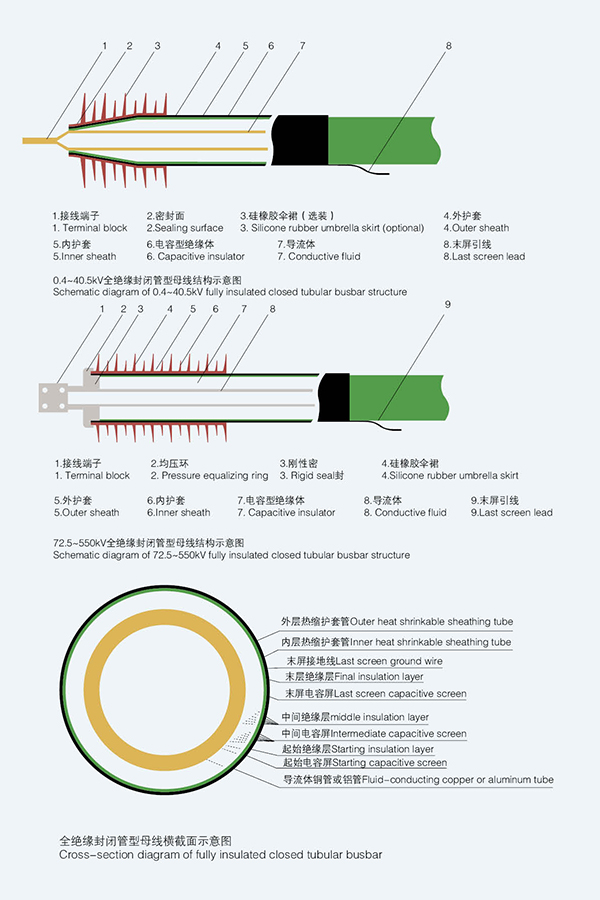
WOPENG PTFE Tubular Bus Bar is specifically designed for extreme environments. Its main insulation employs a precise mechanical winding of polytetrafluoroethylene (PTFE) film, with silicone oil applied between layers to form a dense, gas-free continuous insulator. The product incorporates no fewer than 5 capacitive screens (including zero screen, grading screen, and grounding screen) and is equipped with silicone rubber creepage extenders to achieve optimized electric field distribution and enhanced creepage performance. It offers excellent corrosion resistance and superior high/low-temperature tolerance, with an operating temperature range of -60°C to 250°C and a protection rating reaching IP68.
- Product Details
- Features
- Contact Us
Technical Advantages
Temperature Resistance: Operating temperature range from -60°C to 250°C.
Corrosion Resistance: Resistant to acids, alkalis, salt spray, and organic solvents.
Lubricating Properties: Extremely low friction coefficient of PTFE tubular bus bar, reducing mechanical stress.
High Dielectric Strength: Low dielectric constant, minimal dielectric loss, and stable insulation performance.
| Insulated Tube Busbar Structure Diagram (Polytetraoxyethylene Process) |
 |
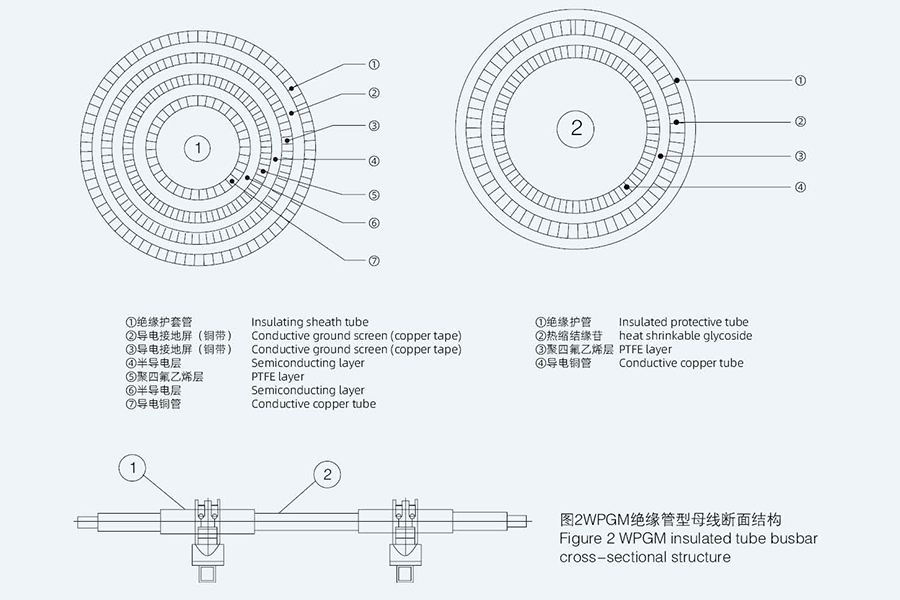
| The cross-sectional structure of the GM-insulated tube busbar is shown in Figure 2.Model: GMn/n |
 |
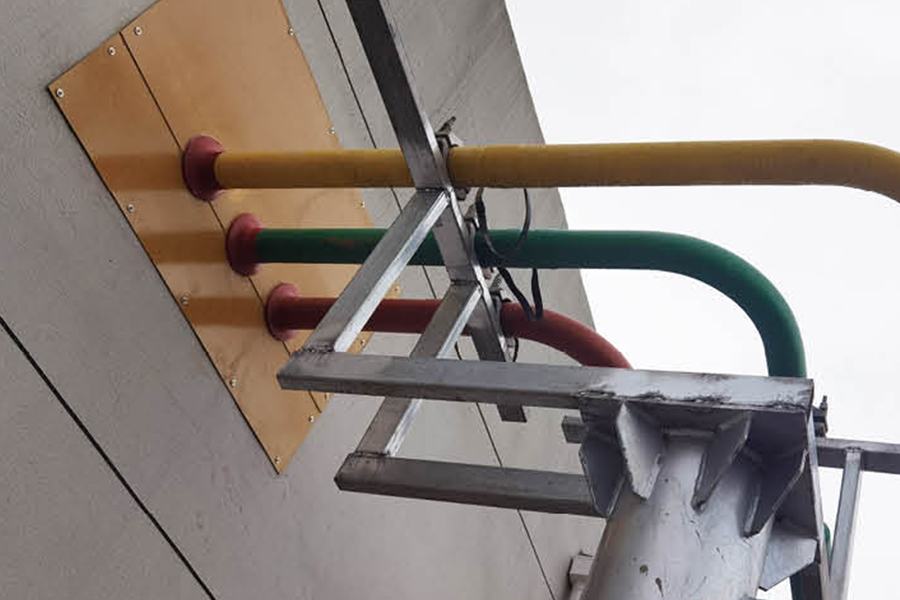 |
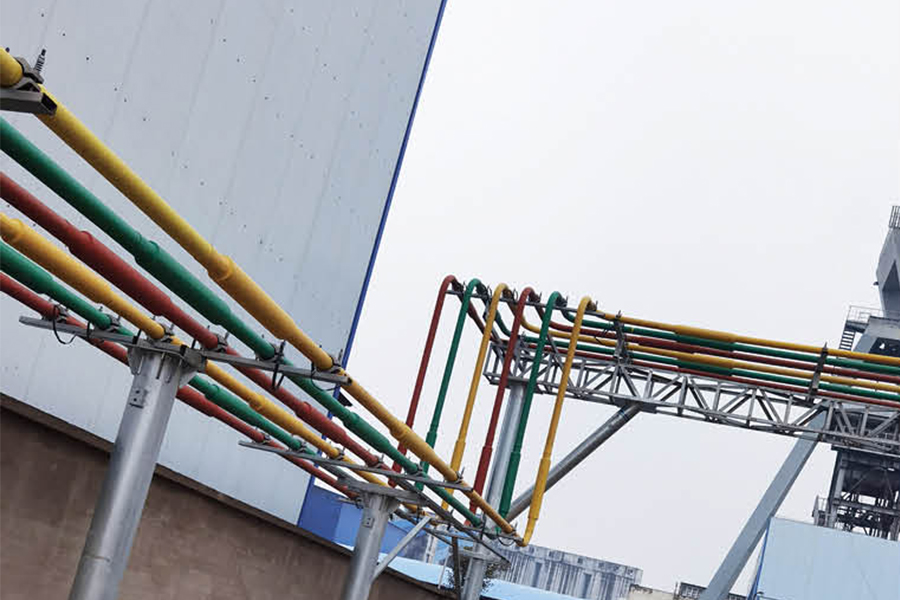 |
| Typical application solutions for insulated tube busbars |
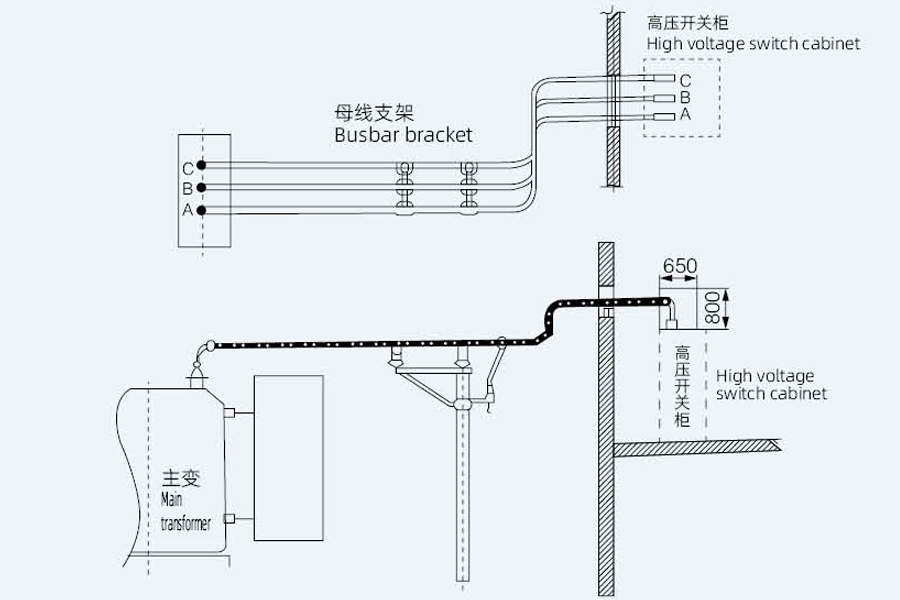
| Method 1: Connect the main transformer to the control room This is the most common way of tubular busbar application. The busbar is directly connected from the low-voltage terminals of the main transformer to the switch cabinet terminals in the control room. Main advantages: Suitable for large currents. The wiring is clear and beautiful, and can be fully insulated or semi-insulated. |
 |
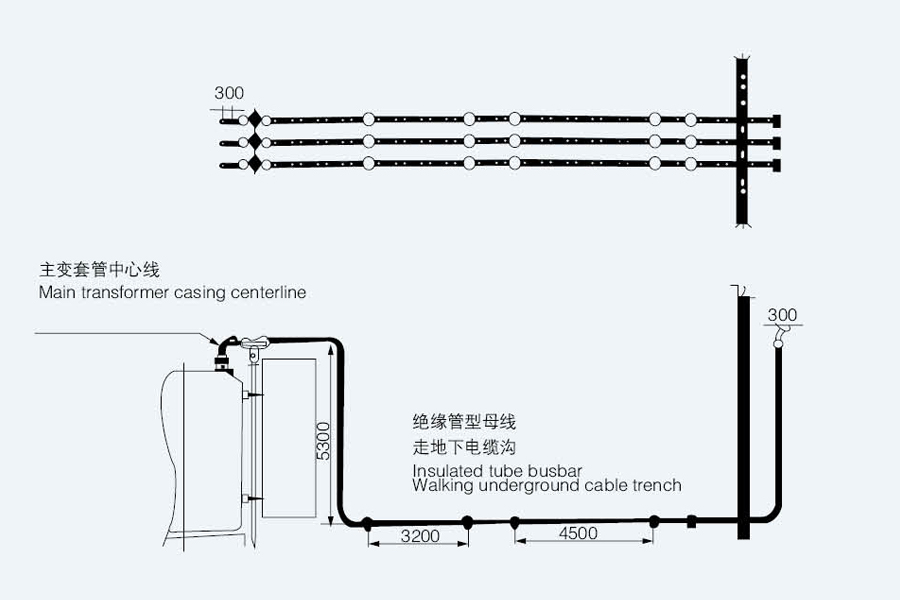
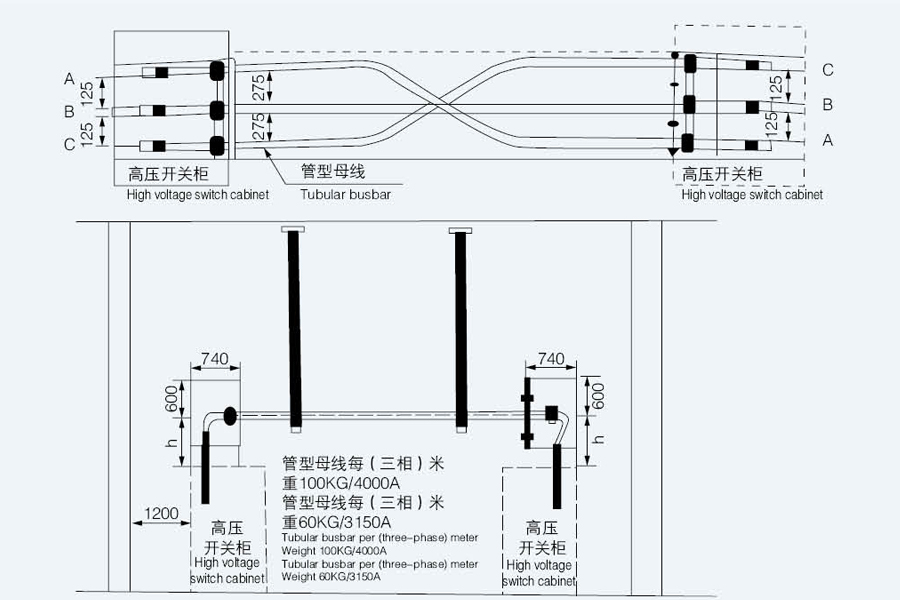
| Method 2: The busbar is routed through a cable trench or cable mezzanine The figure below is another common way of applying tubular busbars. The busbars can be connected to switch cabinets through underground cable trenches or cable mezzanines, and can also be used for connections between switch cabinets. This busbar is fully insulated and is particularly suitable for situations where wiring is difficult. |
 |
| Method 3:Tubular busbars are routed through cable trenches or cable mezzanines This method is the top cable connection method of the switch cabinet. It can also be connected through the cable mezzanine and the bottom cable connection method. Users can choose according to the actual situation. The busbar type is fully insulated. |
 |
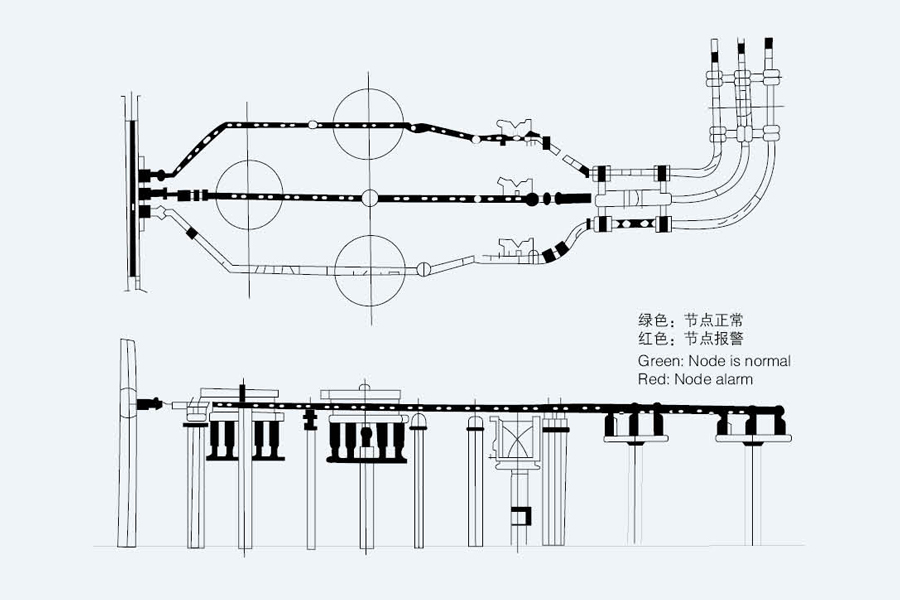
| Method 4:Tubular bus CNC monitoring system Our company develops it by itself and implements unmanned intelligent monitoring of multiple technical data of the tube bus. |
 |
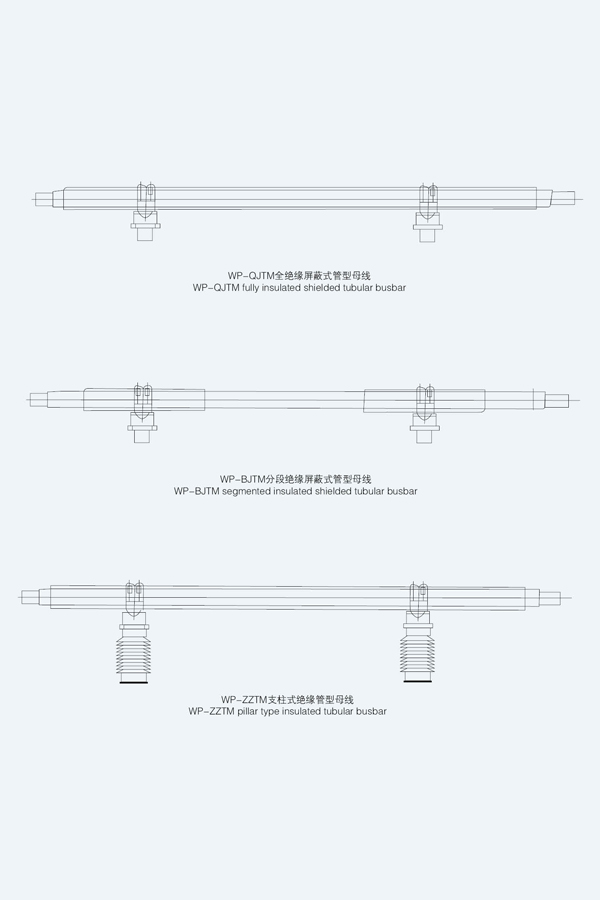
| Insulated tube busbar |
 |
Technical Challenges
Winding Process Control: Inter-layer tension uniformity requirement within ±2%, with ultrasonic assistance needed for bubble control.
Inter-Layer Adhesion: Low surface energy of PTFE tubular bus bar results in weak inter-layer bonding, requiring special treatment agents.
High Cost: Expensive raw PTFE tubular bus bar material leads to significantly higher product costs compared to other types.
Difficult Recycling: PTFE tubular bus bar material is hard to degrade, resulting in high environmental processing costs.
About Us
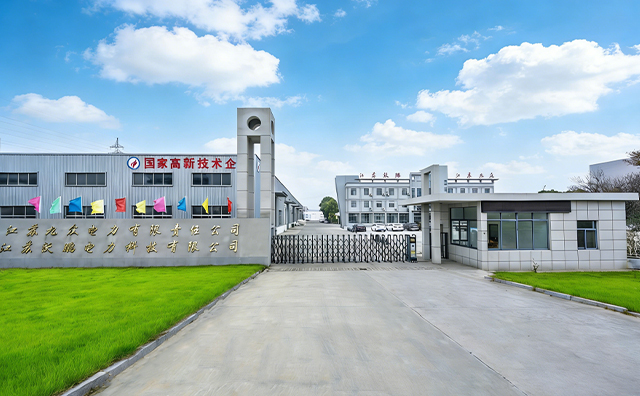
Jiangsu Wopeng Power Technology Co., Ltd.
Founded in June 2018, Jiangsu Wopeng Power Technology Co., Ltd. is a Custom PTFE Tubular Bus Bar Manufacturer and OEM PTFE Insulated Tubular Busbar Factory, it has rapidly grown into a specialized high-tech enterprise in the field of high and low voltage busbar systems.
We gather a professional team of industry experts, senior engineering and technical personnel, and experienced production specialists who have been engaged in power equipment technology for many years.
Our main products include copper & aluminum tube busbars, wind power tube busbars, intensive (compact) busbars and sliding contact line systems. We focus on the R&D and manufacturing of 0.4 kV–35 kV fully insulated enclosed tube busbars and low-voltage cast resin busway systems, providing reliable power transmission paths for power plants, substations, wind farms, rail transit and industrial facilities.
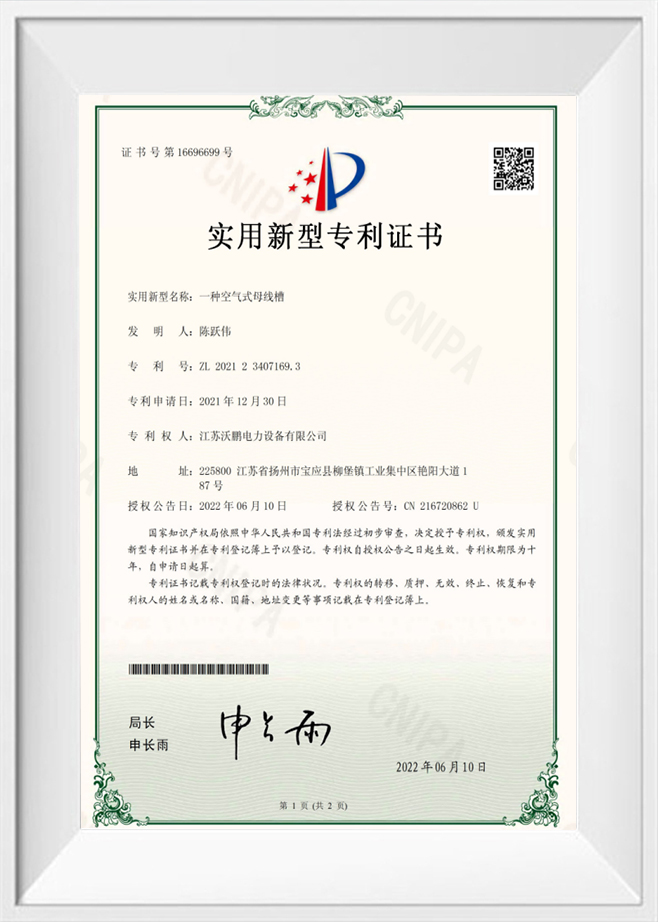
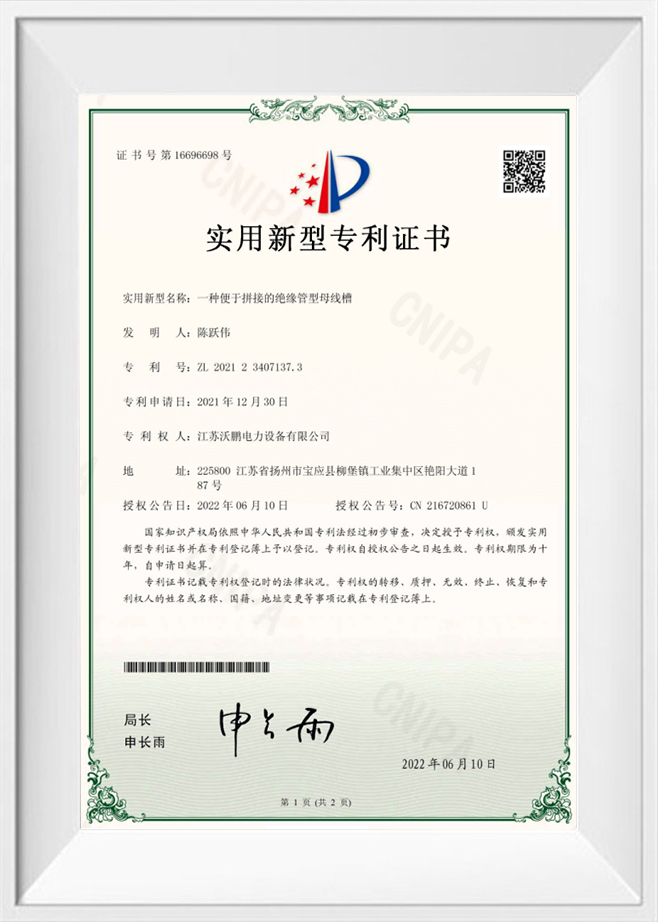
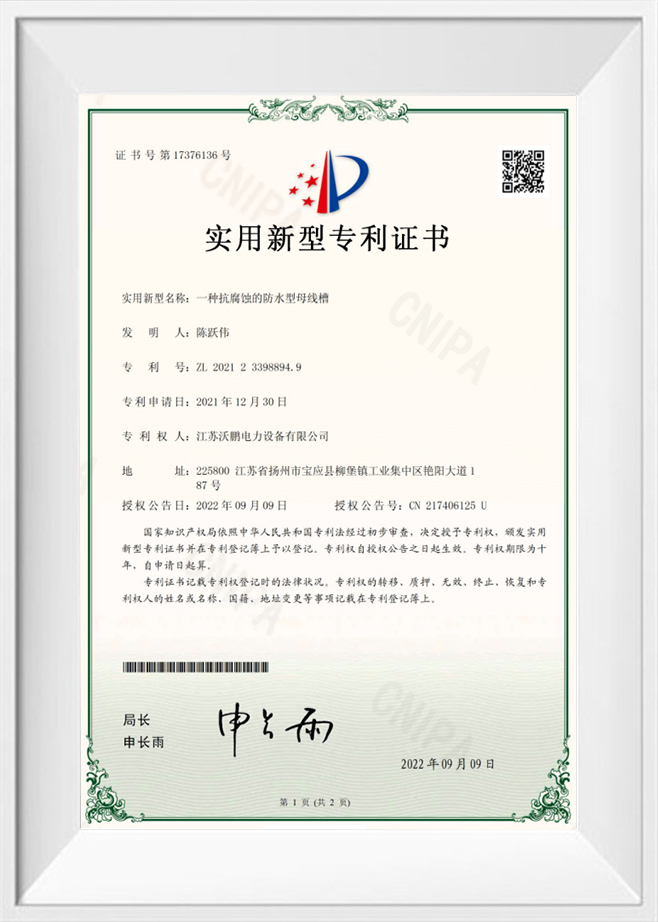
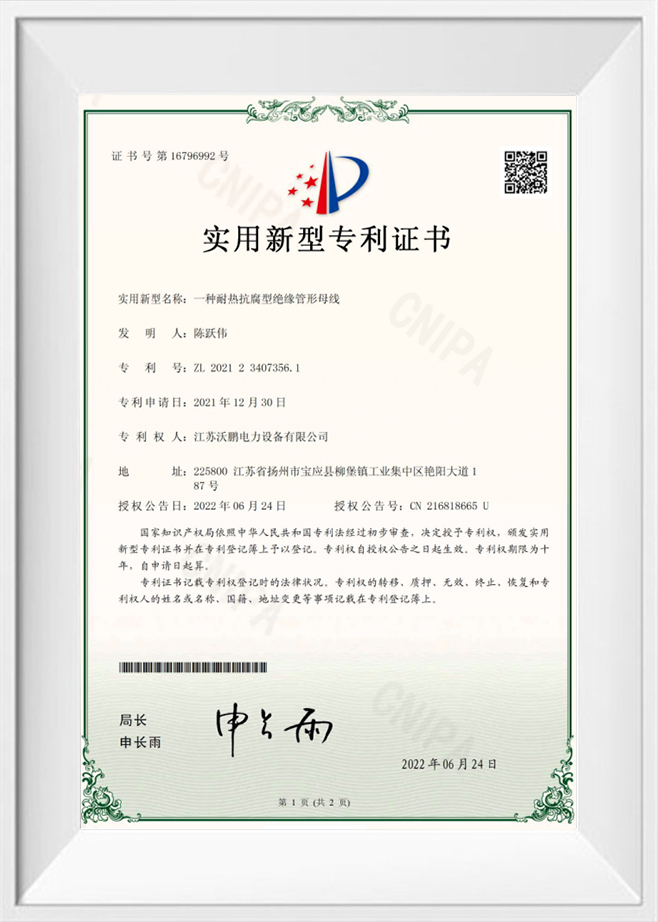
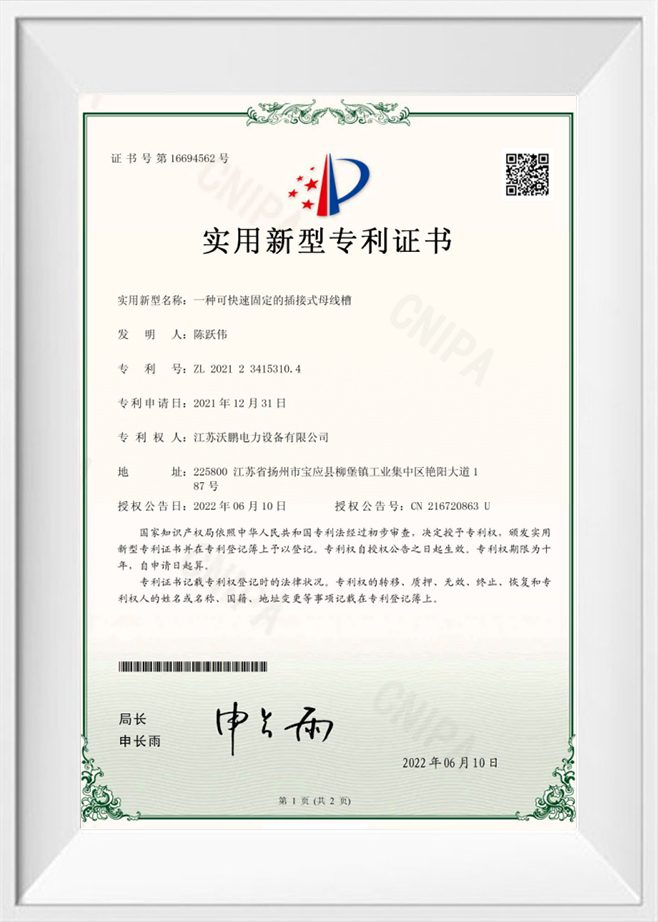
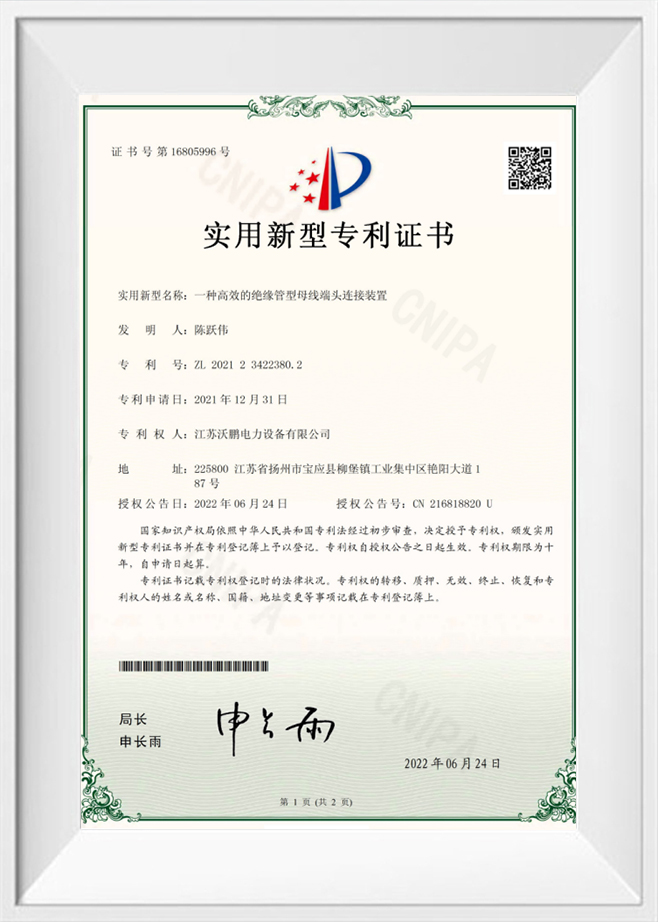
Certificate Of Honour
News
-
-
A busbar that passes its routine factory test can still fail in service when the insulation compound was matched to the wrong duty. Temperature is the clearest example: a casting rated for 130 °C continuous will harden and crack in a steel mill, while the sam...
View More + -
A 110 kV outdoor yard is 60 metres long, the incoming line lands on the west side, and the client wants two transformer bays plus space for a future third. The single-line diagram is approved. The question that stalls the project for a week is far less glamor...
View More +
Fully Insulated Tubular Bus Bar Industry knowledge
1. What Is PTFE Tubular Bus Bar
The PTFE Tubular Bus Bar is a high-performance insulated conductive component, composed of a metal conductor core (copper or aluminum) and a polytetrafluoroethylene (PTFE) insulation layer. It is specially designed for high-voltage power systems, leveraging PTFE’s unique properties to ensure safe and efficient power transmission. A professional PTFE Tubular Bus Bar manufacturer and PTFE Tubular Bus Bar supplier produces products that meet high-voltage standards, with a Custom PTFE Tubular Bus Bar manufacturer offering tailored solutions for specific project needs.
(1) Core Structure and Key Traits
The PTFE Tubular Bus Bar features a conductor core (conductivity ≥63% IACS) wrapped in a 4-8mm thick PTFE insulation layer. It boasts a breakdown voltage of ≥35kV/mm, working temperature range of -60℃ to 200℃, and insulation resistance above 1.0×10¹⁴Ω. PTFE’s non-stick, corrosion-resistant, and low-friction properties make the bus bar ideal for harsh high-voltage environments.
2. Why PTFE Tubular Bus Bar Is Used in High Voltage Systems
High voltage systems (≥110kV) demand exceptional insulation, stability, and durability, and PTFE Tubular Bus Bar meets these needs with its unique advantages, including:
- Superior insulation performance: Withstand high voltage gradients (≥35kV/mm) to prevent leakage and short circuits, critical for 110kV-500kV systems.
- Extreme temperature adaptability: Operates stably in -60℃ to 200℃, suitable for outdoor high-voltage substations in cold or hot regions.
- Corrosion and pollution resistance: PTFE is inert to chemicals, moisture, and dust, reducing maintenance frequency in industrial or coastal high-voltage environments.
- Low dielectric loss: Dielectric loss factor ≤0.0002 at 50Hz, minimizing power loss in long-distance high-voltage transmission.
A reliable PTFE Tubular Bus Bar supplier ensures these advantages are consistent, making the bus bar a preferred choice for high-voltage power systems worldwide.
3. Performance Comparison with Other High-Voltage Insulated Bus Bars
| Bus Bar Type | Breakdown Voltage | Temperature Range | Dielectric Loss |
|---|---|---|---|
| PTFE Tubular Bus Bar | ≥35kV/mm | -60℃~200℃ | ≤0.0002 |
| Epoxy Resin Casting Bus Bar | ≥30kV/mm | -30℃~130℃ | ≤0.001 |
| Silicone Rubber Insulated Bus Bar | ≥25kV/mm | -40℃~120℃ | ≤0.0005 |
A Custom PTFE Tubular Bus Bar manufacturer can optimize the bus bar’s structure for specific high-voltage scenarios, while a professional PTFE Tubular Bus Bar manufacturer ensures consistent quality to meet the strict requirements of high-voltage power systems.
4. Frequently Asked Questions
Q1: What voltage range is PTFE Tubular Bus Bar suitable for?
A: It is mainly used for 110kV-500kV high-voltage power systems, with customized options for higher voltage levels.
Q2: How to choose a reliable PTFE Tubular Bus Bar supplier?
A: Choose suppliers with PTFE insulation performance test reports, advanced production equipment, and experience in high-voltage projects.
Q3: Can Custom PTFE Tubular Bus Bar be made for special sizes?
A: Yes, a Custom PTFE Tubular Bus Bar manufacturer can produce bus bars with specific conductor sizes and insulation thicknesses.
Q4: What is the service life of PTFE Tubular Bus Bar?
A: Under normal high-voltage working conditions, it can serve 35-45 years with stable performance.

Mobile
CATEGORY
Products
Contact Us
-
 +86-180 3625 3000
-
 admin@wpbusbar.com
-
 No. 8, Yanjin Road, Chengxi Industrial Park, Shanyang Town, Baoying County, Yangzhou City, Jiangsu Province, China
Copyright © Jiangsu Wopeng Power Technology Co., Ltd.
All Rights Reserved.
 Custom Insulated Bus Bar Manufacturer
Tubular Busbar System Factory
Custom Insulated Bus Bar Manufacturer
Tubular Busbar System Factory