

 EN
EN

 English
 русский
 Français
 Español
 عربى
عربى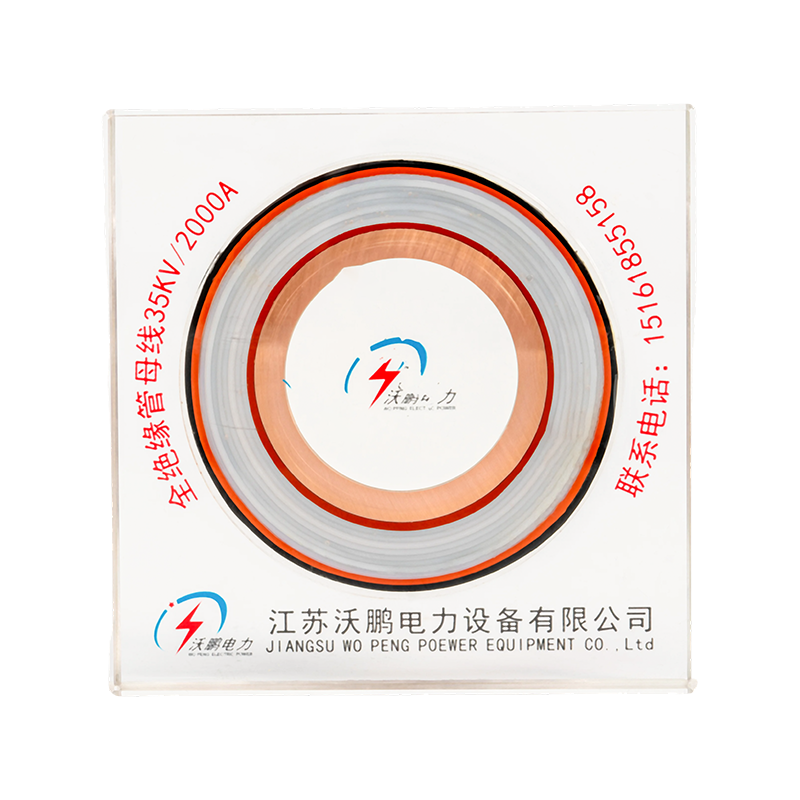
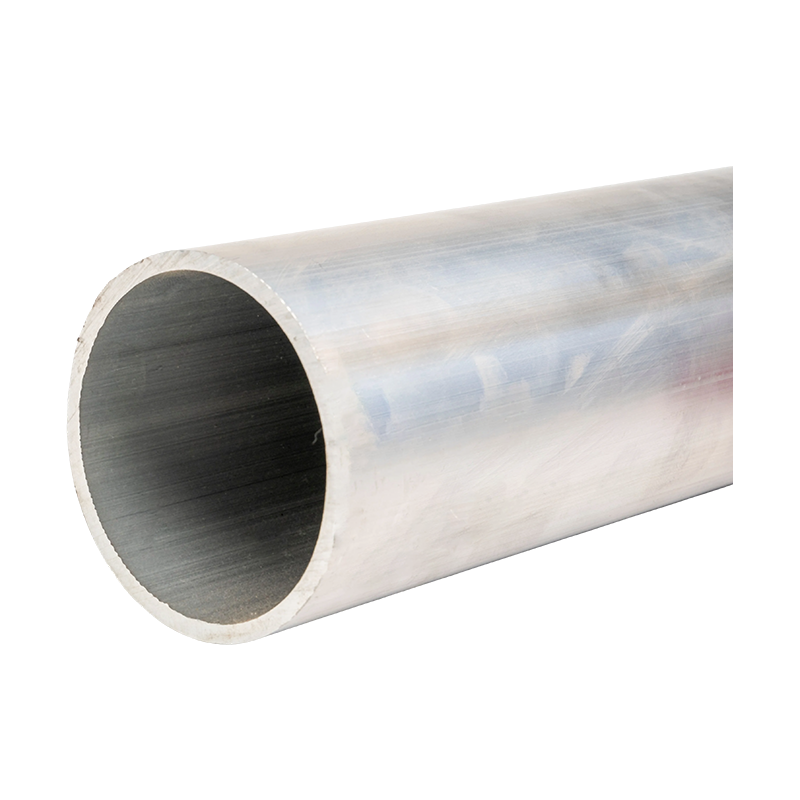
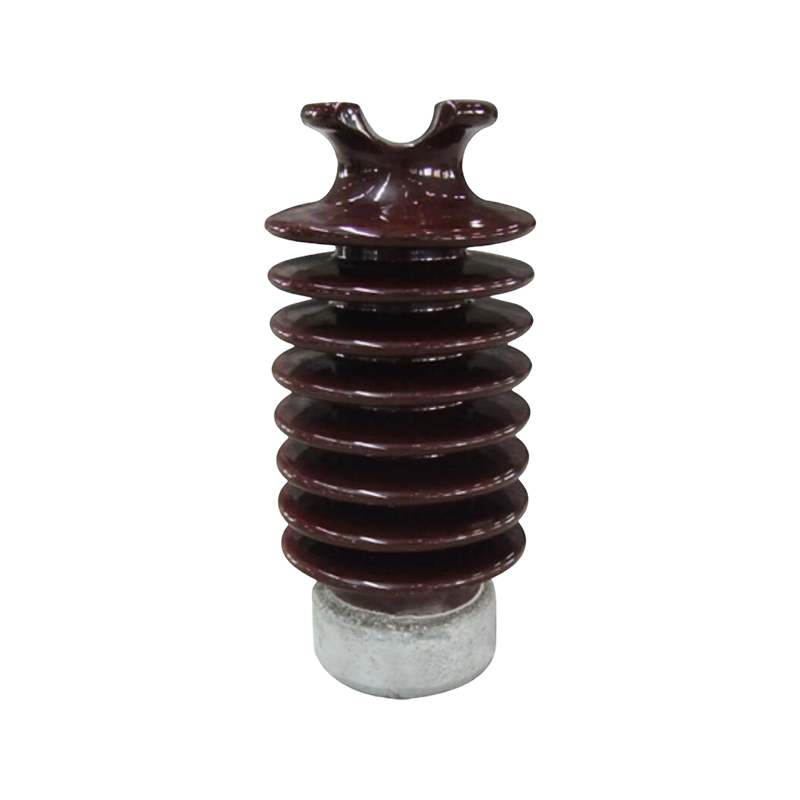
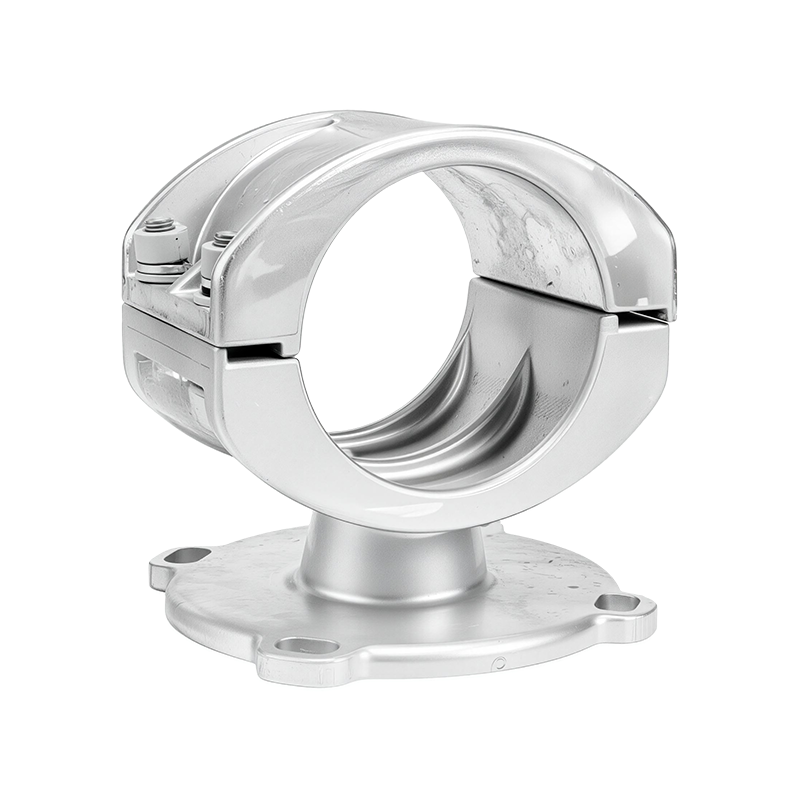
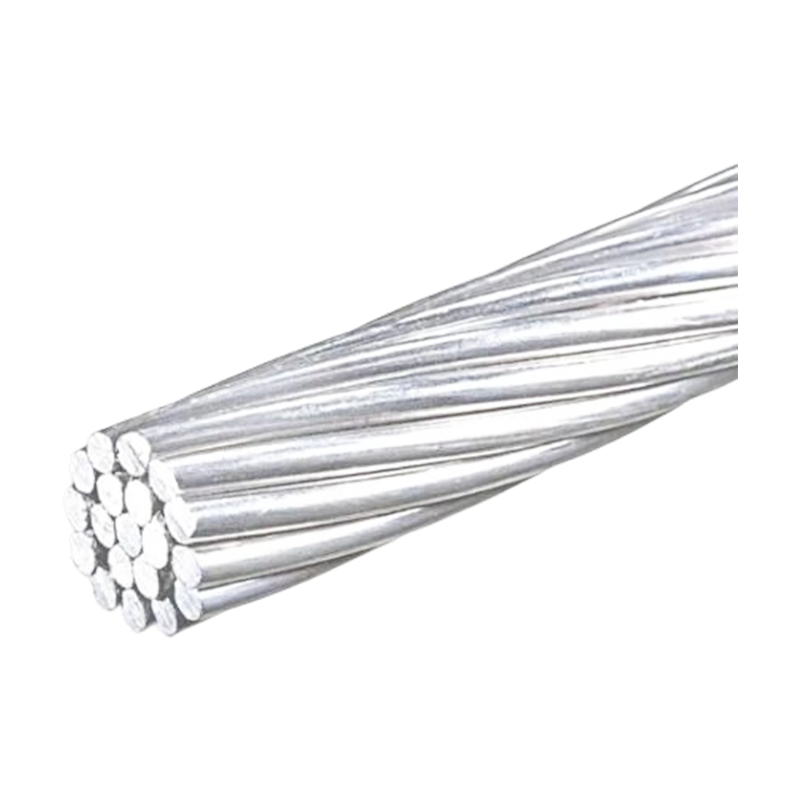
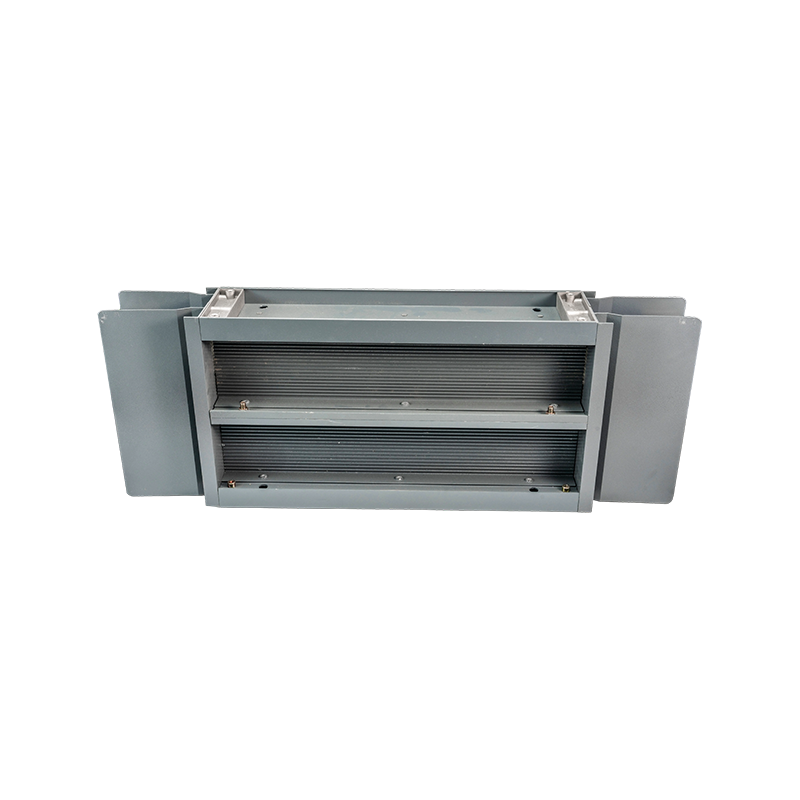



A crew arrives at a collector substation with a dozen aluminum tubes, a crate of clamps and one day before the bay is scheduled for energization. Lifting the tubes takes about an hour. The rest of the day disappears into support alignment, joint preparation, ...
View More +
Contact Us
High And Low Voltage Busway System
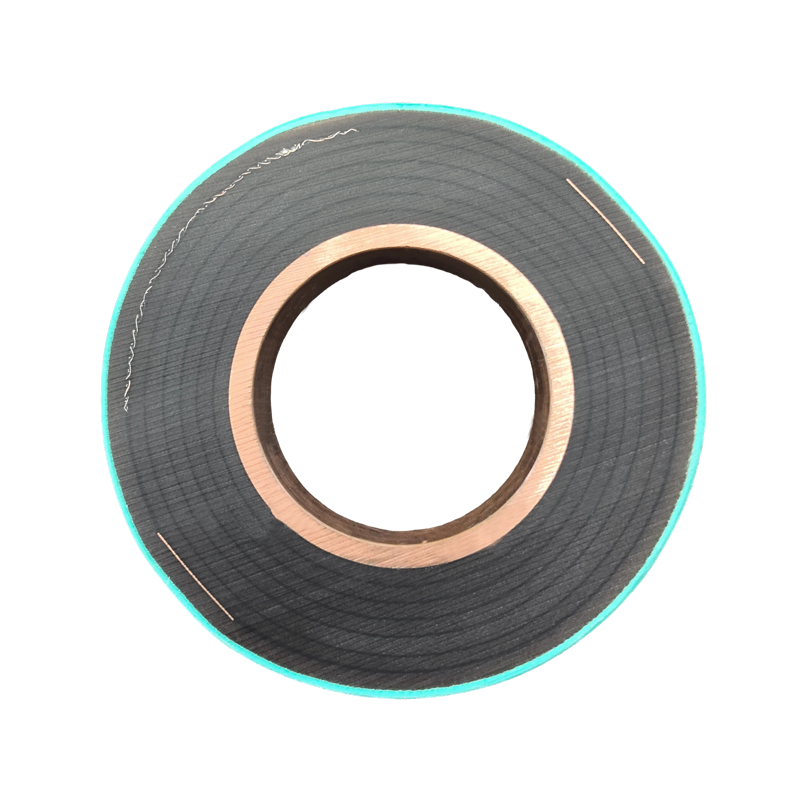
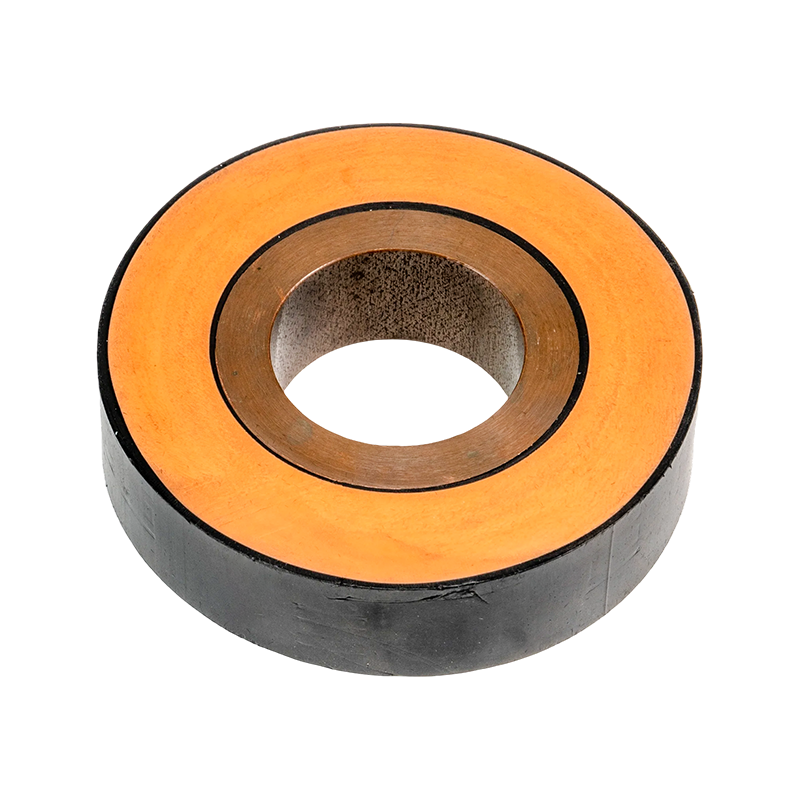
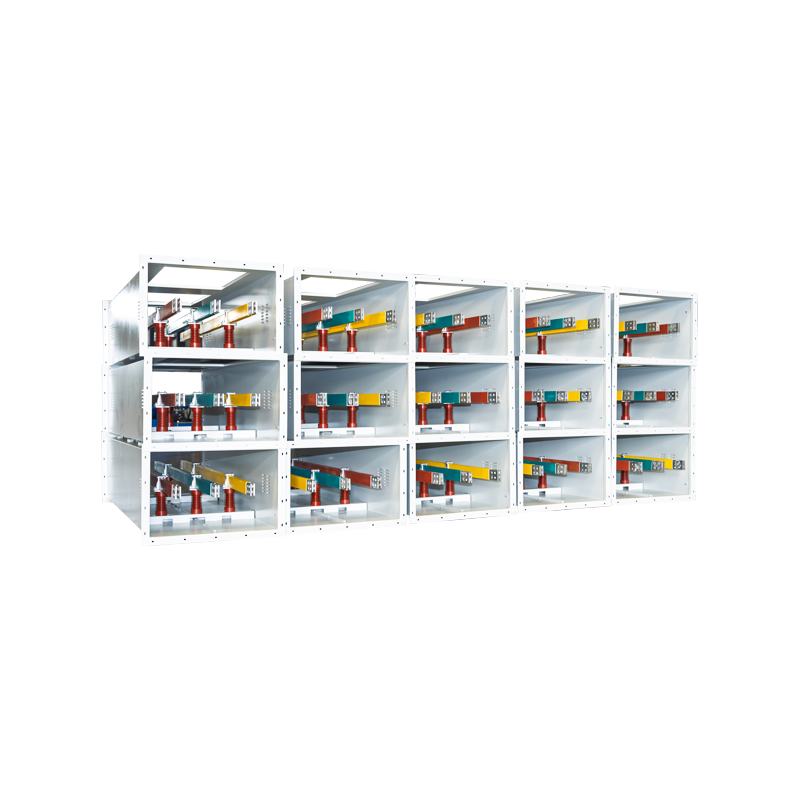
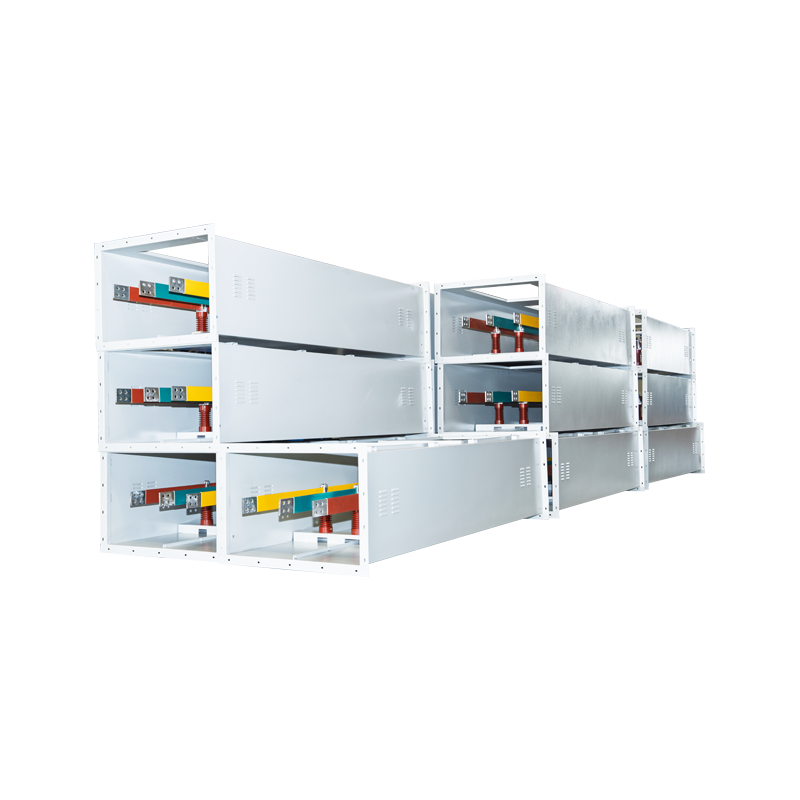
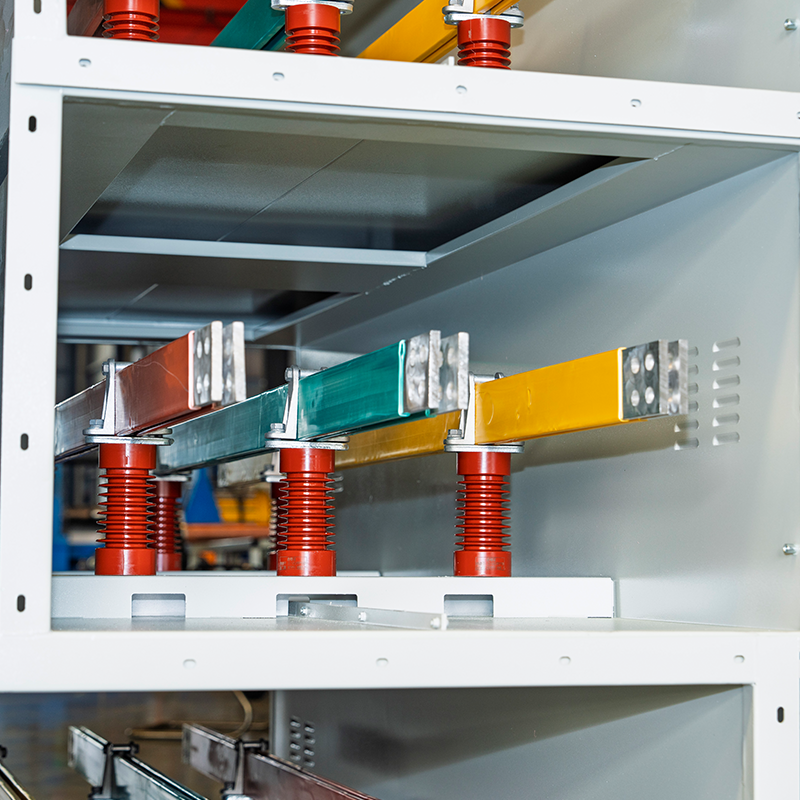
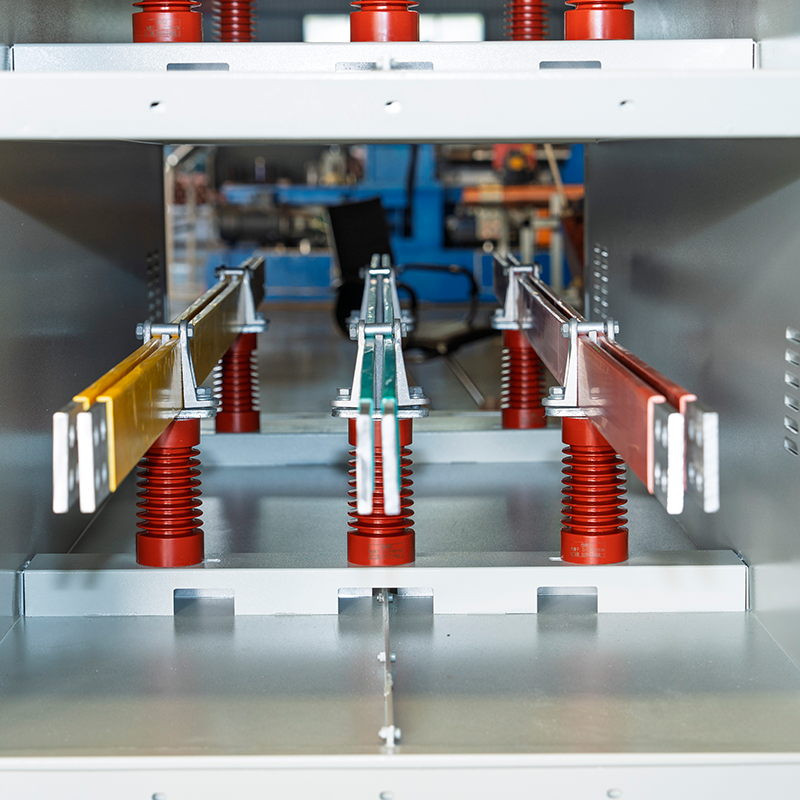
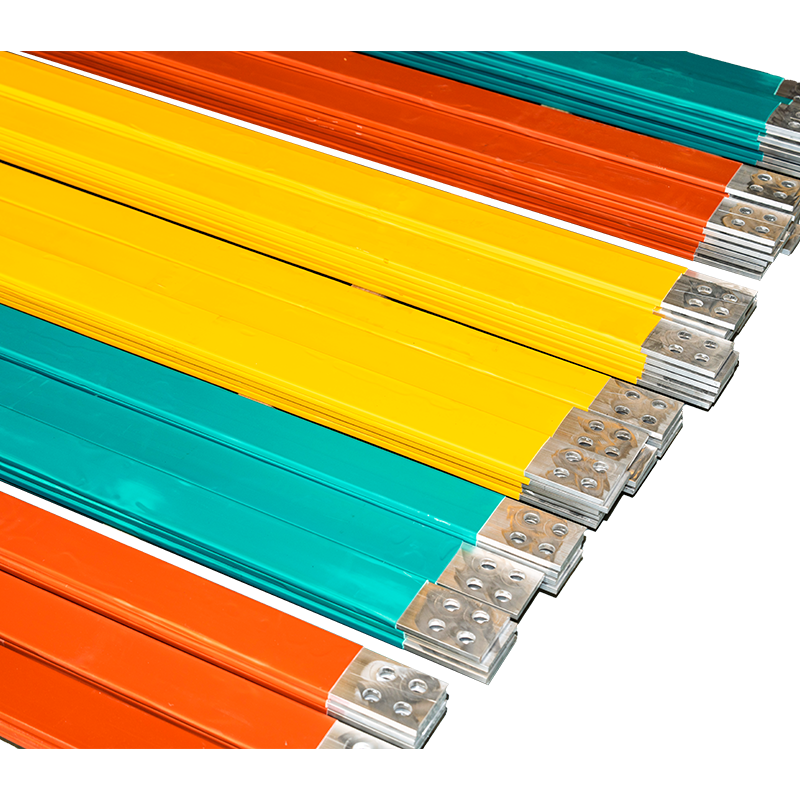
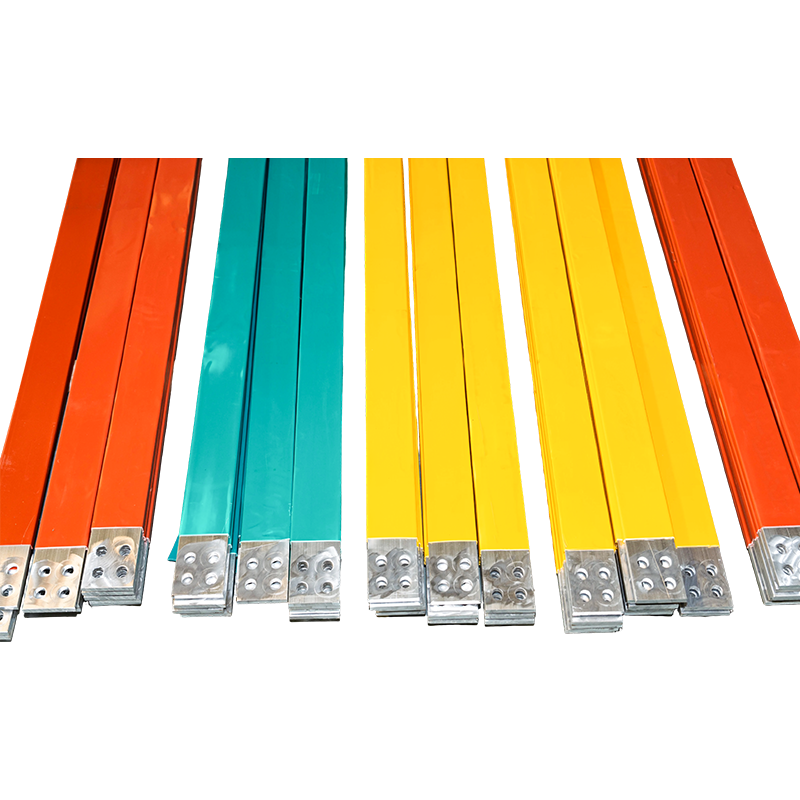
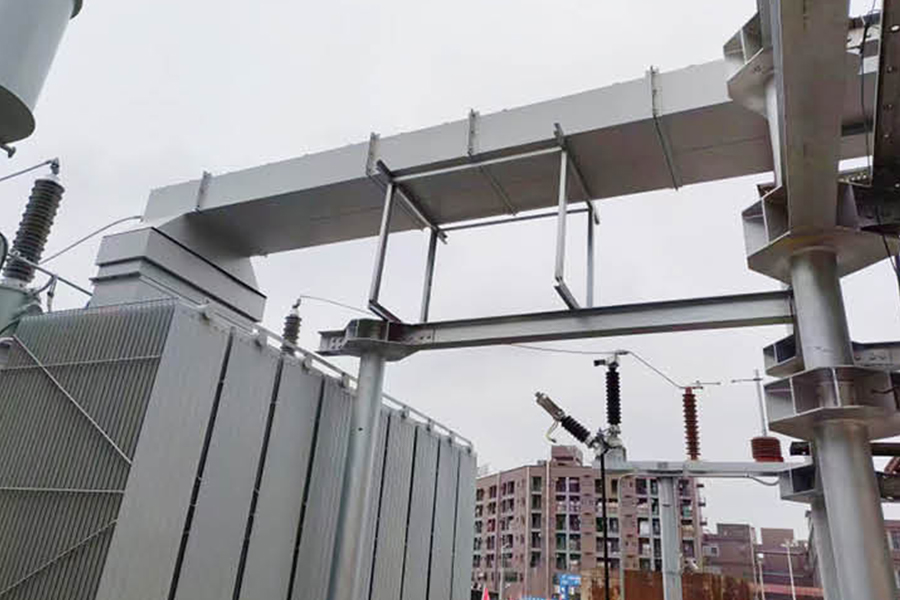
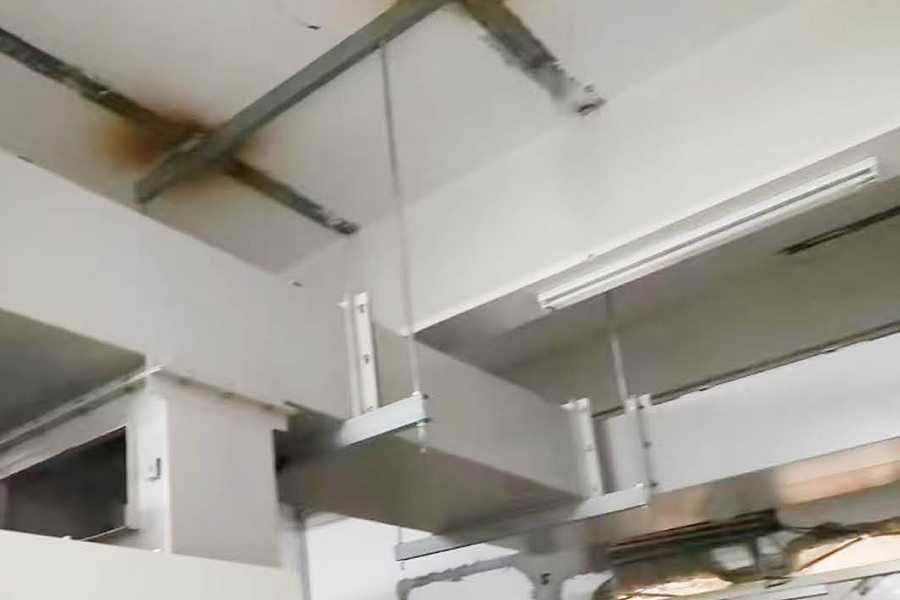
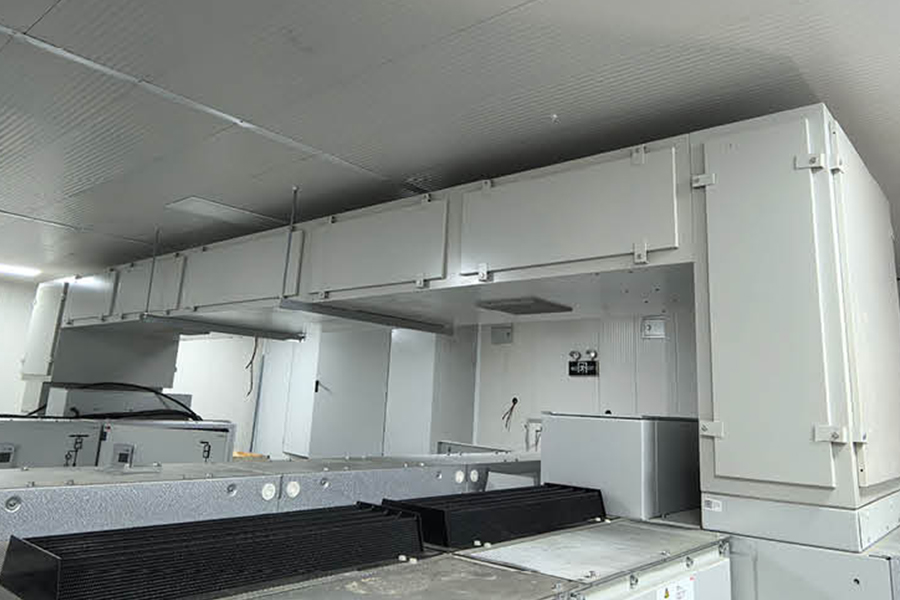
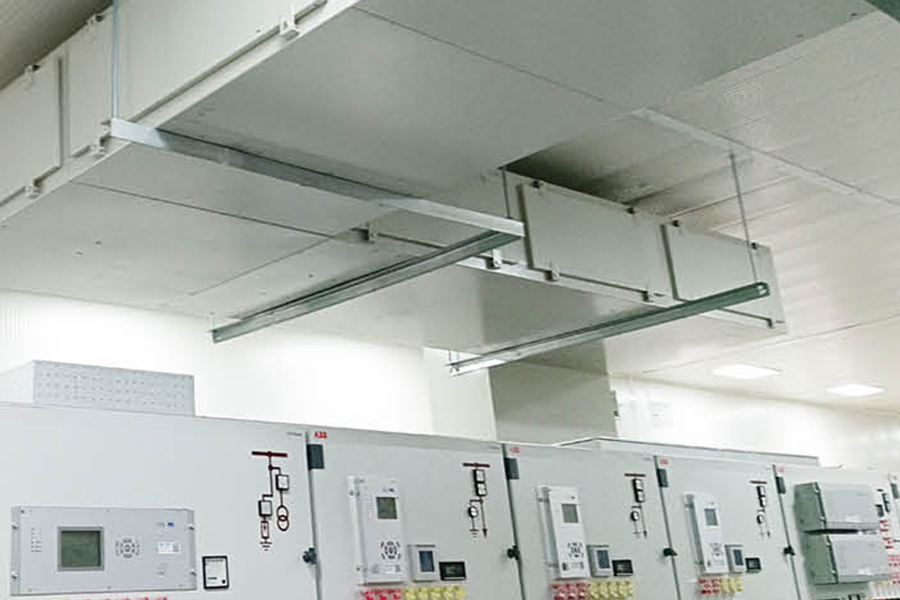
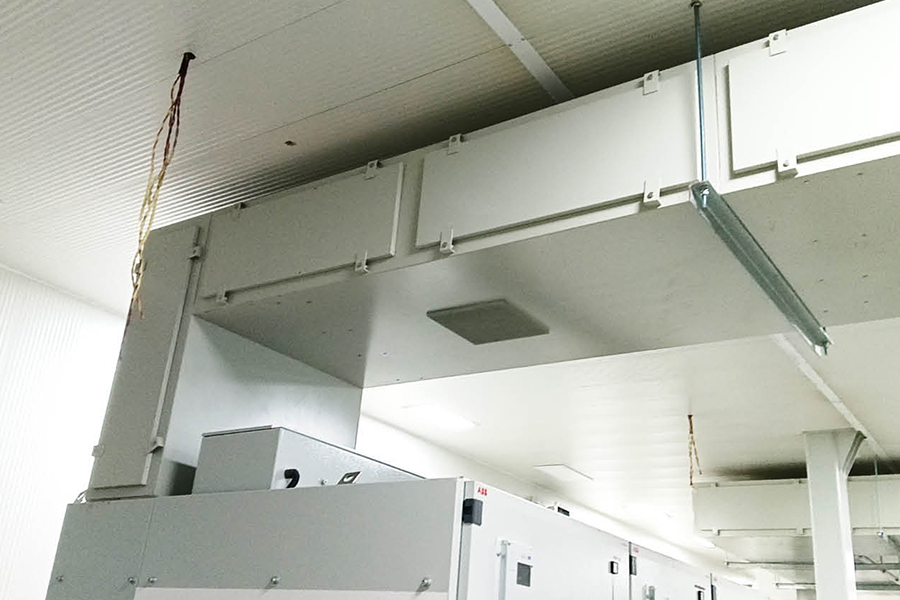
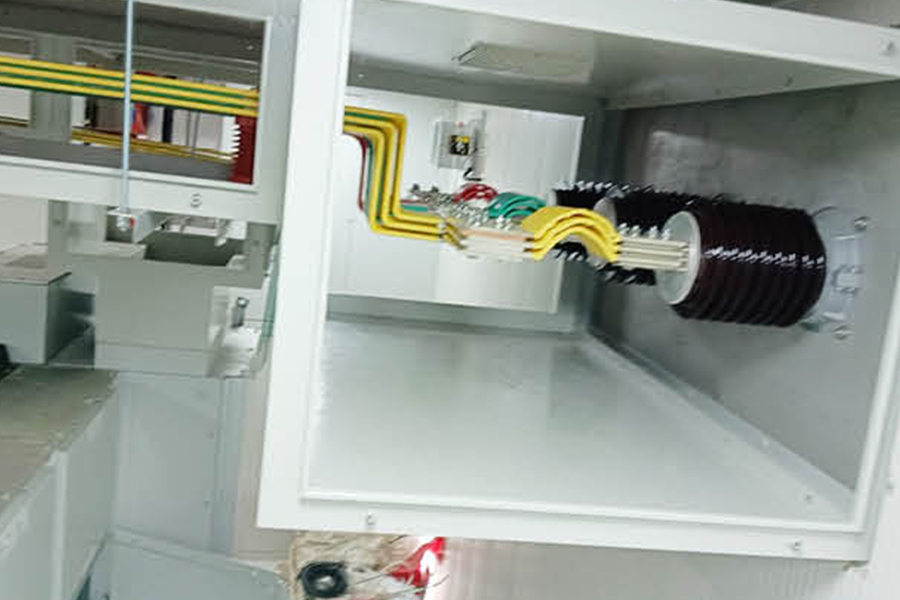
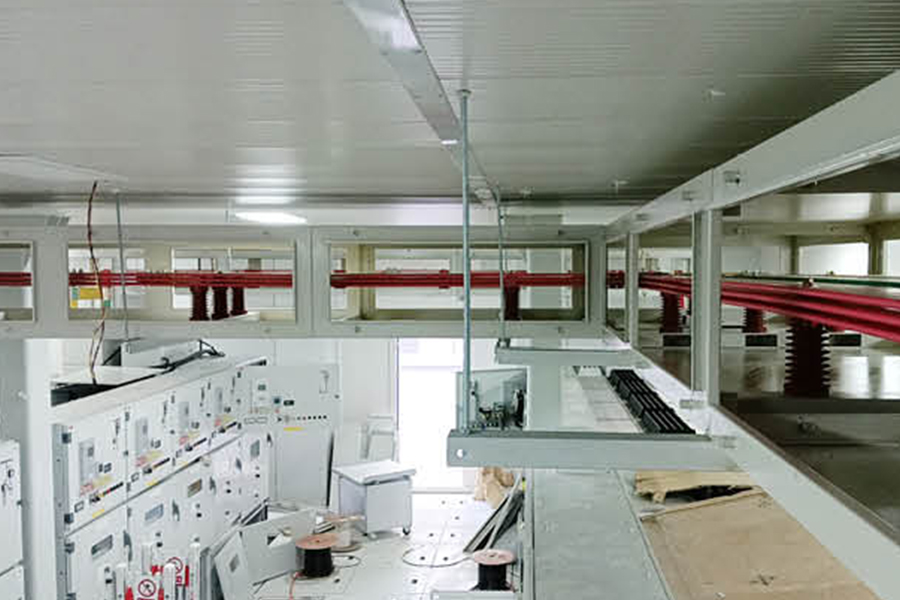
High and Low Voltage Busway System is one of the busway product types, designed with a shared-enclosure structure. It has been specified as the preferred procurement product in numerous engineering projects. For instance, it has been applied and procured in projects such as the main transformer renovation at the Huaneng Shenchi Taipingzhuang Wind Farm undertaken by Shanxi Longlintai Power Installation Engineering Co., Ltd., and the Jinjiang Thermal Power Expansion Project carried out by Shandong Electric Power Construction No.3 Engineering Co., Ltd. This product belongs to the fully insulated busway category.
- Product Details
- Features
- Contact Us
Technical Advantages
Adopts a common compact structural design
Applied as a designated procurement product in practical engineering projects
Belongs to the fully insulated busway category
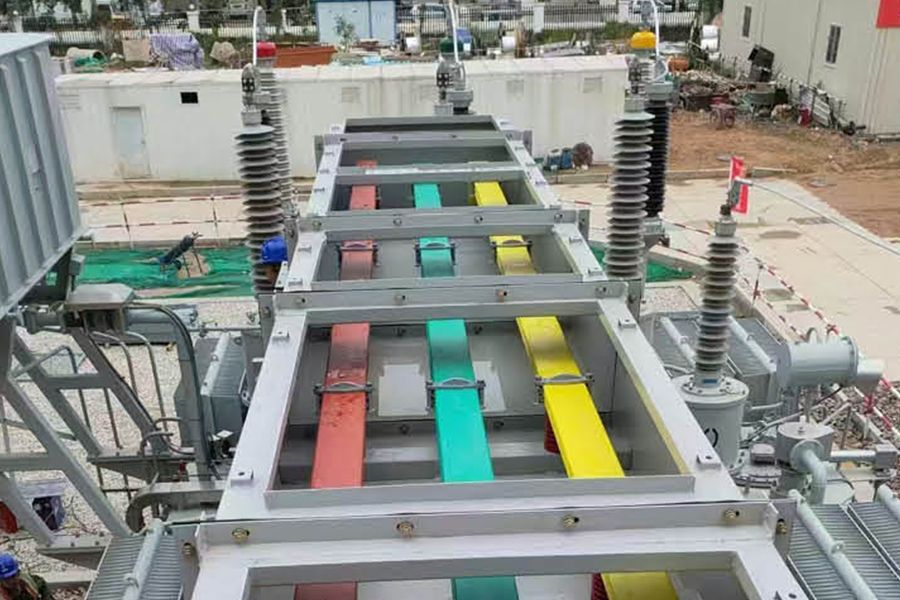
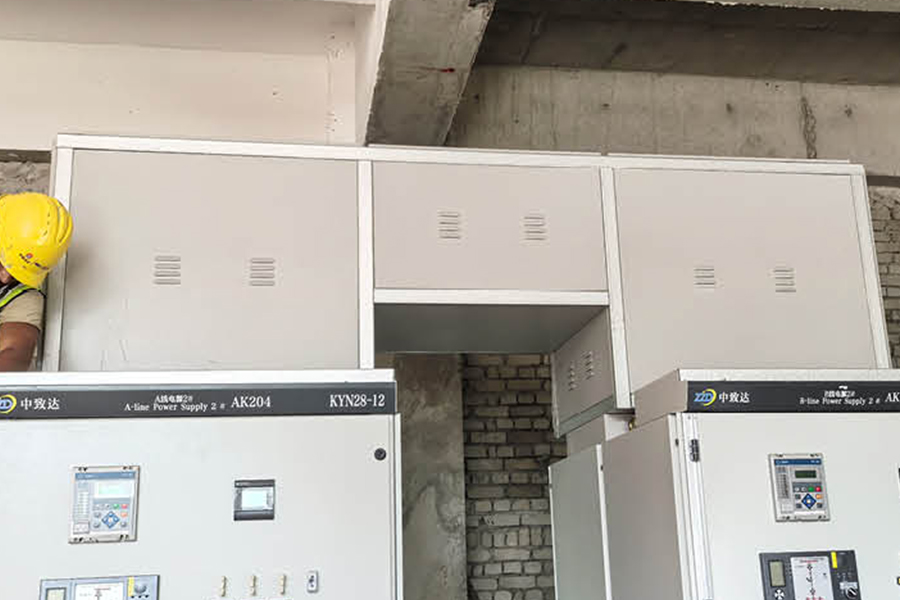
Product Application Cases
 |
 |
 |
 |
 |
 |
 |
 |
 |
|
Features
Scenario-based Analysis Based on Engineering Applications: From case studies such as wind farm retrofits and thermal power expansion projects documented, the High and Low Voltage Busway System is primarily used in power source-side centralized distribution and high-capacity user-station scenarios. It plays a key role in applications such as connecting the low-voltage side of main transformers in power plants and interconnecting busbars of different voltage levels within industrial step-down substations. Its common-enclosure design is particularly suitable for retrofit and expansion projects with space constraints.
Rational Deduction Based on Technical Logic: Drawing on the mature technical framework of insulated tubular busbars described in the documentation, the High and Low Voltage Busway System can employ copper tube or profiled copper bar conductors, combined with epoxy casting or gas-insulation systems. The enclosure adopts a sealed design with a protection rating of at least IP54. Its modular structure and plug-in connection method support rapid installation and flexible expansion, reflecting the integrated and standardized trend of modern busway technology.
Inferred Explanation Based on Performance and Advantages: Through its fully insulated design, the High and Low Voltage Busway System fundamentally eliminates the risk of phase-to-phase short circuits. The common-enclosure structure saves footprint while achieving unified protection and centralized management. Factory-prefabricated modular components significantly reduce on-site installation complexity and construction time. The sealed design minimizes maintenance requirements, and its high reliability and adaptability make it especially suitable for harsh industrial environments and long-term continuous operation scenarios.
About Us
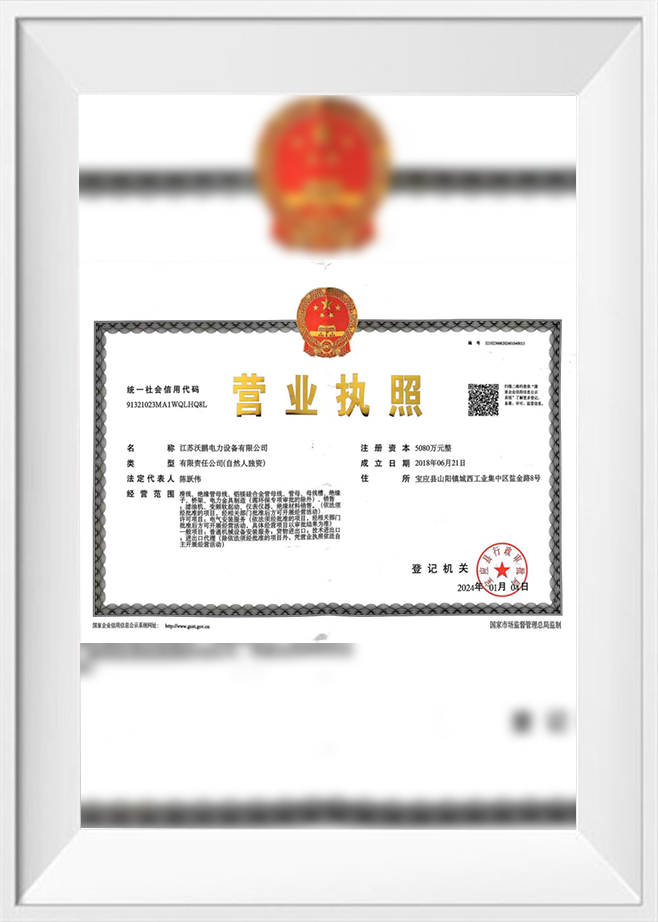
Jiangsu Wopeng Power Technology Co., Ltd.
Founded in June 2018, Jiangsu Wopeng Power Technology Co., Ltd. is a Custom High And Low Voltage Busway System Manufacturers and OEM High And Low Voltage Busway System Factory, it has rapidly grown into a specialized high-tech enterprise in the field of high and low voltage busbar systems.
We gather a professional team of industry experts, senior engineering and technical personnel, and experienced production specialists who have been engaged in power equipment technology for many years.
Our main products include copper & aluminum tube busbars, wind power tube busbars, intensive (compact) busbars and sliding contact line systems. We focus on the R&D and manufacturing of 0.4 kV–35 kV fully insulated enclosed tube busbars and low-voltage cast resin busway systems, providing reliable power transmission paths for power plants, substations, wind farms, rail transit and industrial facilities.
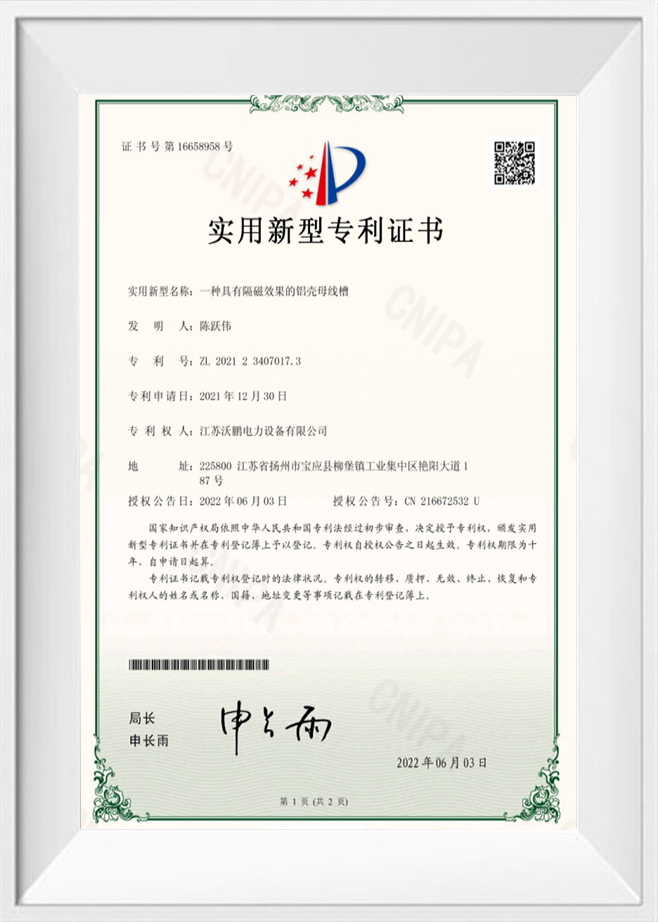
Certificate Of Honour
News
-
-
A busbar that passes its routine factory test can still fail in service when the insulation compound was matched to the wrong duty. Temperature is the clearest example: a casting rated for 130 °C continuous will harden and crack in a steel mill, while the sam...
View More + -
A 110 kV outdoor yard is 60 metres long, the incoming line lands on the west side, and the client wants two transformer bays plus space for a future third. The single-line diagram is approved. The question that stalls the project for a week is far less glamor...
View More +
Medium And Low Voltage Bus Bar Industry knowledge
1. What Is a High and Low Voltage Busway System?
A busway system, also known as a bus duct or busbar trunking system, is a prefabricated electrical distribution system used to carry large amounts of electric current. It serves as a robust alternative to traditional power cables and conduit systems. The fundamental distinction in these systems lies in their operating voltage levels, which dictates their design, insulation, and application.
Generally, a High Voltage (HV) busway is designed for systems operating above 1kV, often used in substations and heavy industry. In contrast, a Low Voltage (LV) busway operates at 1kV or less and is ubiquitous in commercial buildings and data centers. As a reliable high and low voltage busway system supplier, manufacturers provide these enclosed metal structures containing copper or aluminum busbars to ensure safe and efficient power transmission.
2. Applications of High Voltage Busway Systems
(1) Power Transmission and Substations
High voltage busway systems are critical in the backbone of electrical grids. They are primarily used in large substations, power plants, and industrial facilities to connect generators to step-up transformers. These systems must withstand high electrical stress and environmental factors. For instance, HV busways are often rated for voltages ranging from 3.6kV up to 35kV and currents exceeding 2000A.
(2) Heavy Industrial Machinery
In industries such as steel manufacturing, petrochemicals, and mining, massive amounts of power are required to run heavy machinery. A well-engineered high voltage busway system design ensures that power is delivered with minimal voltage drop and maximum safety. The enclosed nature of the busway protects the conductors from dust, moisture, and accidental contact, which is vital in harsh industrial environments.
3. Applications of Low Voltage Busway Systems
(1) Commercial and Residential Distribution
Low voltage busways are the standard for distributing power within buildings. They are found in high-rise apartments, shopping malls, and office complexes. Their compact "sandwich" structure allows for easy installation in tight electrical shafts, replacing bulky cable trays. They offer the flexibility to tap off power at various points for lighting, HVAC systems, and outlets.
(2) Data Centers and Critical Infrastructure
Modern data centers require highly reliable and flexible power distribution. LV busway systems, particularly overhead busways, allow server racks to be powered without the mess of under-floor cabling. This design supports rapid reconfiguration of server layouts, a key requirement for modern IT infrastructure.
4. Key Differences: High vs. Low Voltage
Understanding the technical differences is essential for selecting the right infrastructure. The table below highlights the primary distinctions.
| Feature | High Voltage Busway | Low Voltage Busway |
|---|---|---|
| Operating Voltage | > 1 kV (e.g., 12kV, 24kV) | ≤ 1 kV (e.g., 400V, 690V) |
| Insulation | Heavy insulation (Epoxy/Gas) | Compact insulation (PVC/Mylar) |
| Primary Use | Grid transmission, Heavy Industry | Building distribution, Data Centers |
5. Comprehensive System Solutions
Delivering efficient power requires precision engineering and a deep understanding of electrical loads. Whether for a massive power plant or a commercial HVAC system, selecting the right high and low voltage busway system solutions is vital. Proper design ensures thermal stability, minimizes energy loss, and guarantees the safety of personnel and equipment.
Modern high voltage busway system design often incorporates advanced monitoring capabilities to detect hot spots and prevent failures. By integrating these systems effectively, facilities can achieve a balance of safety, efficiency, and scalability.
6. Q&A
- Q1: Why choose a busway over traditional cabling?
Busways offer superior flexibility and scalability. Unlike cables, which are difficult to reroute once installed, busways allow for easy "tap-offs" to add or move equipment without shutting down the entire system. They also dissipate heat better and have a longer lifespan.
- Q2: What materials are used in busbars?
Busbars are typically made from copper or aluminum. Copper offers higher conductivity and is more compact, while aluminum is lighter and more cost-effective. The choice depends on the specific current requirements and budget of the project.
- Q3: How is safety maintained in high voltage busways?
Safety is maintained through robust grounding, high-grade insulation materials (like DMC or epoxy), and IP-rated enclosures that prevent contact with live parts. Regular maintenance, such as thermal imaging to detect hot spots, is also crucial.

Mobile
CATEGORY
Products
Contact Us
-
 +86-180 3625 3000
-
 admin@wpbusbar.com
-
 No. 8, Yanjin Road, Chengxi Industrial Park, Shanyang Town, Baoying County, Yangzhou City, Jiangsu Province, China
Copyright © Jiangsu Wopeng Power Technology Co., Ltd.
All Rights Reserved.
 Custom Insulated Bus Bar Manufacturer
Tubular Busbar System Factory
Custom Insulated Bus Bar Manufacturer
Tubular Busbar System Factory