


 EN
EN

 English
 русский
 Français
 Español
 عربى
عربى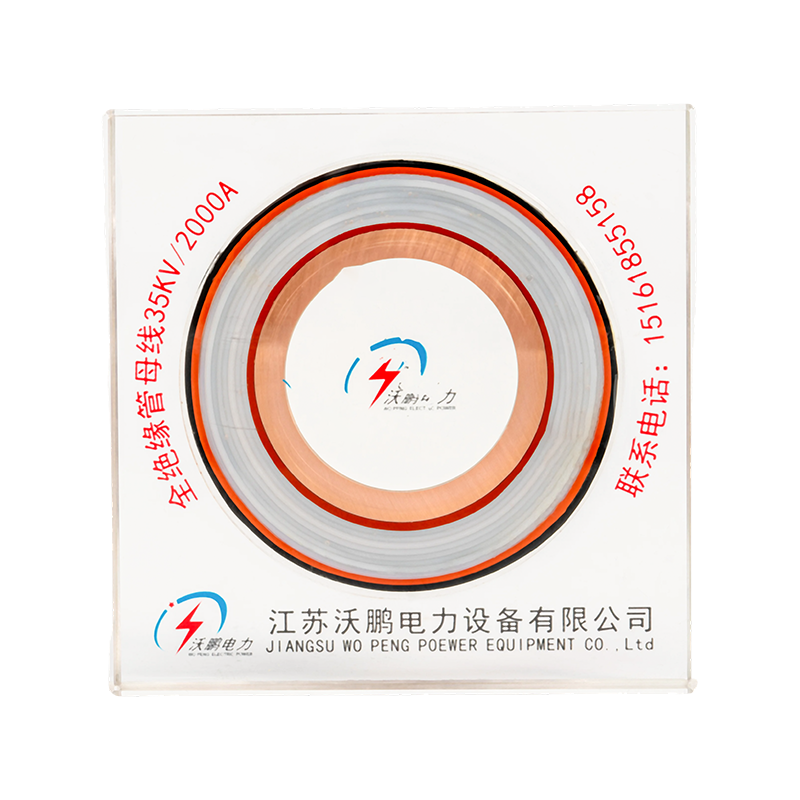
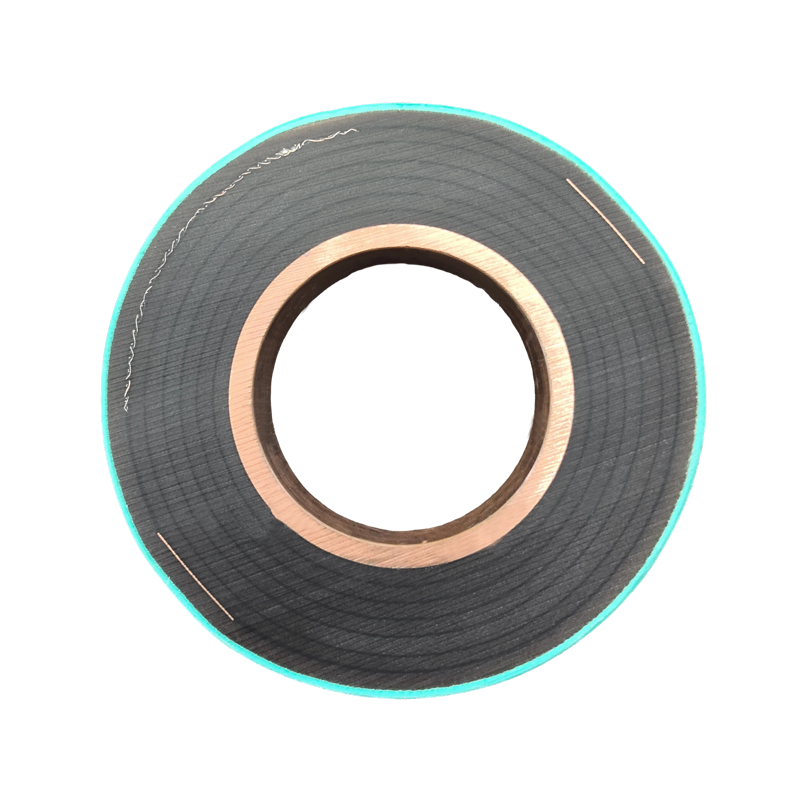
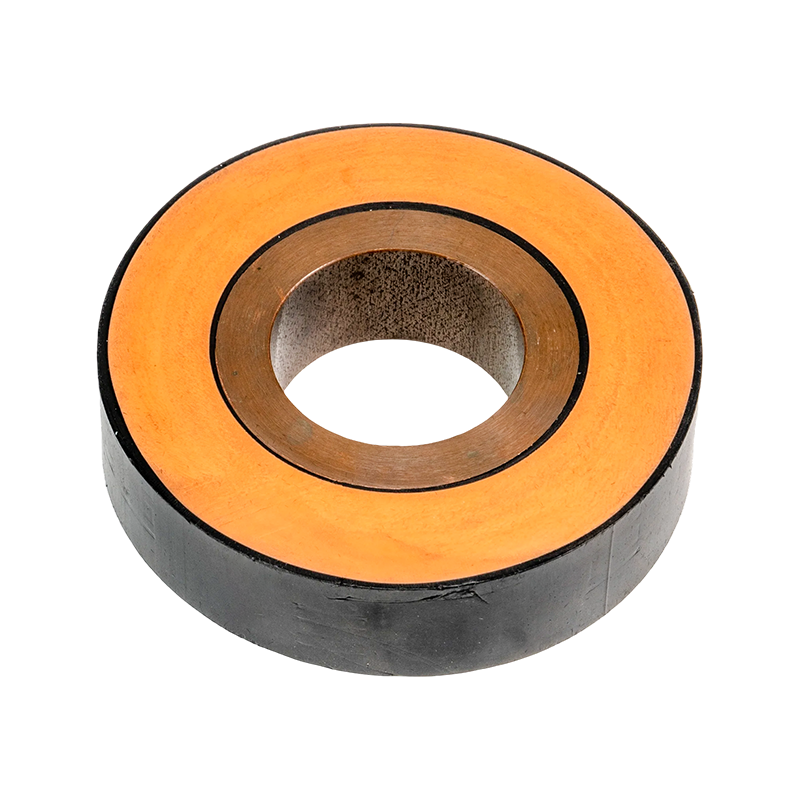
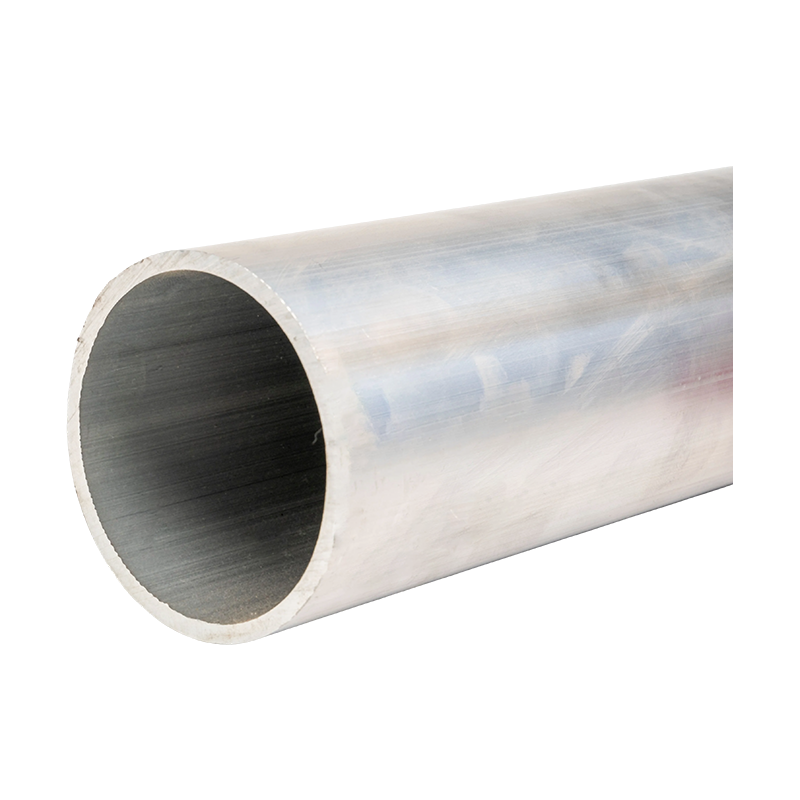

1. What Is a Tubular Bus Bar?
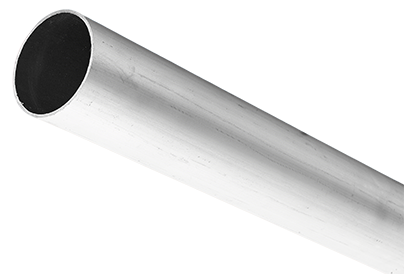
A tubular bus bar is a hollow, cylindrical conductor made from aluminum or copper alloys, designed to carry high electrical currents within switchgear, substations, and power distribution systems. Unlike solid rectangular or flat bus bars, the tubular shape offers superior mechanical strength, lower skin effect losses, and enhanced natural cooling. Typical outer diameters range from 40 mm to 200 mm, with wall thickness between 3 mm and 10 mm, accommodating current ratings from 800 A up to 6000 A.
Due to its efficient geometry, a tubular bus bar reduces electric field stress and improves voltage distribution uniformity, making it highly suitable for medium and high-voltage installations. It is commonly fabricated from high-conductivity aluminum alloys such as 6063-T6 or copper with plated contact surfaces, ensuring both electrical performance and long-term reliability in demanding environments.
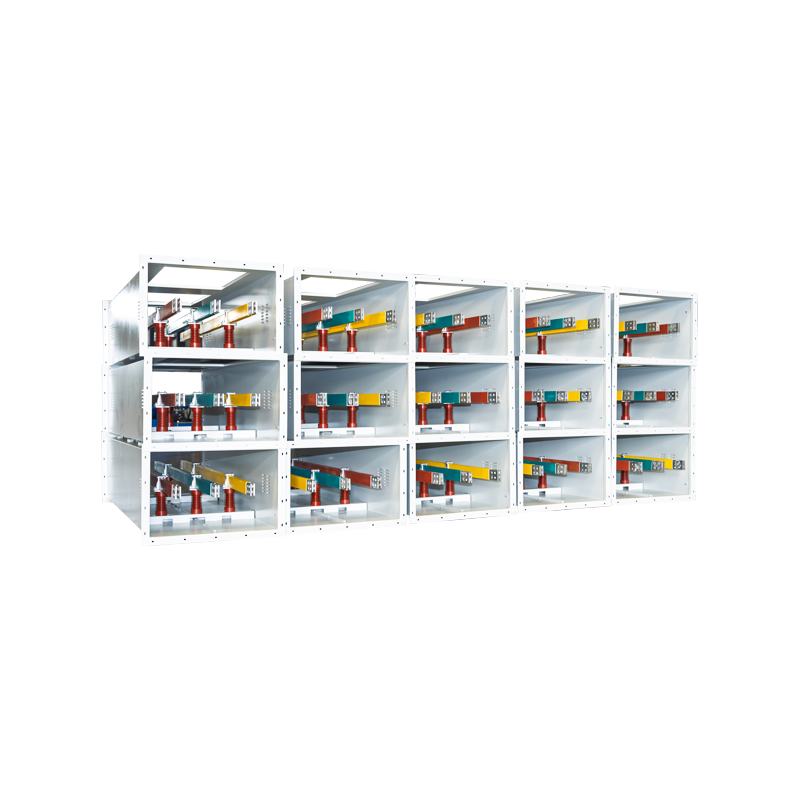
In modern power systems, tubular bus bars are widely applied in air-insulated substations (AIS), gas-insulated switchgear (GIS), and renewable energy facilities, where compact design and stable current transmission are critical requirements.
2. How Does a Tubular Bus Bar Work?
A tubular bus bar provides a low-impedance path for current flow, combining conductivity, reduced skin effect, and efficient heat dissipation. Compared to solid conductors, AC resistance can be reduced by 15–25%, improving energy efficiency and lowering transmission losses in long-distance or high-current applications.
Its performance is governed by electrical conductivity, conductor geometry, and thermal characteristics. By optimizing these factors, tubular bus bars ensure stable current flow while maintaining acceptable temperature rise under continuous operation.
(1) Skin Effect Reduction
The hollow structure increases effective surface area, allowing more uniform current distribution. A 100 mm aluminum tube can carry about 25% more current than an equivalent solid conductor. This advantage becomes more significant at higher frequencies and larger conductor sizes.
(2) Mechanical & Thermal Performance
Its cylindrical form provides strong resistance to electromagnetic forces during short-circuit events and enhances cooling performance through natural convection. The inner and outer surfaces of the tube allow better heat exchange, helping maintain safe operating temperatures even under high load conditions.
| Comparison of tubular vs. solid bus bar (4000A, 60Hz) | ||
| Parameter | Tubular Bus Bar | Solid Bus Bar |
| Weight | ~6.2 kg | ~18.5 kg |
| AC Resistance Ratio | 1.08 | 1.32 |
| Cooling Area | High | Moderate |
| Short-circuit Strength | 95 kA | 70 kA |
3. Key Advantages & Applications
Tubular bus bars are widely used due to their efficiency and reliability in modern power systems:
- Higher ampacity with reduced weight, improving structural efficiency
- Lower corona discharge effect, especially important in high-voltage systems
- Strong resistance to vibration and mechanical stress
- Simplified installation and flexible maintenance
These advantages make tubular bus bars ideal for substations, wind power systems, photovoltaic plants, industrial manufacturing facilities, and transformer connections. Their ability to handle high current loads while maintaining compact dimensions supports the development of modern energy infrastructure and smart grid systems.
4. Frequently Asked Questions (FAQs)
Q1: Current rating?
Typically ranges from 1600A to 5000A depending on diameter, material, and cooling conditions. Larger diameters and optimized designs can support even higher currents.
Q2: Aluminum vs copper?
Aluminum is lighter and more cost-effective, making it suitable for large-scale installations, while copper offers higher conductivity and is preferred for compact systems requiring maximum efficiency.
Q3: Installation method?
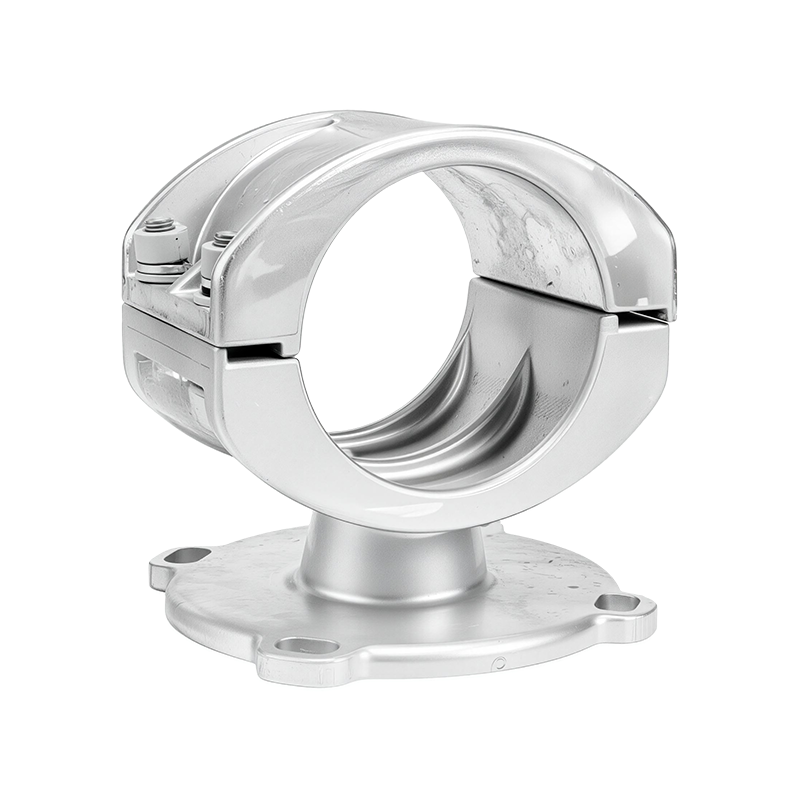
Most systems use bolted or clamp-type connections, allowing quick installation, easy expansion, and convenient maintenance without complex welding processes.
Q4: Outdoor use?
Yes, tubular bus bars are suitable for outdoor use when treated with anodizing or protective coatings to resist corrosion, UV exposure, and environmental pollution.
Q5: Temperature limit?
Typically 90°C for aluminum under normal operating conditions, with higher limits possible for short-duration emergency loading depending on insulation and design standards.
Tubular bus bars continue to evolve, offering high efficiency, structural reliability, and compact design for modern power transmission and distribution systems.