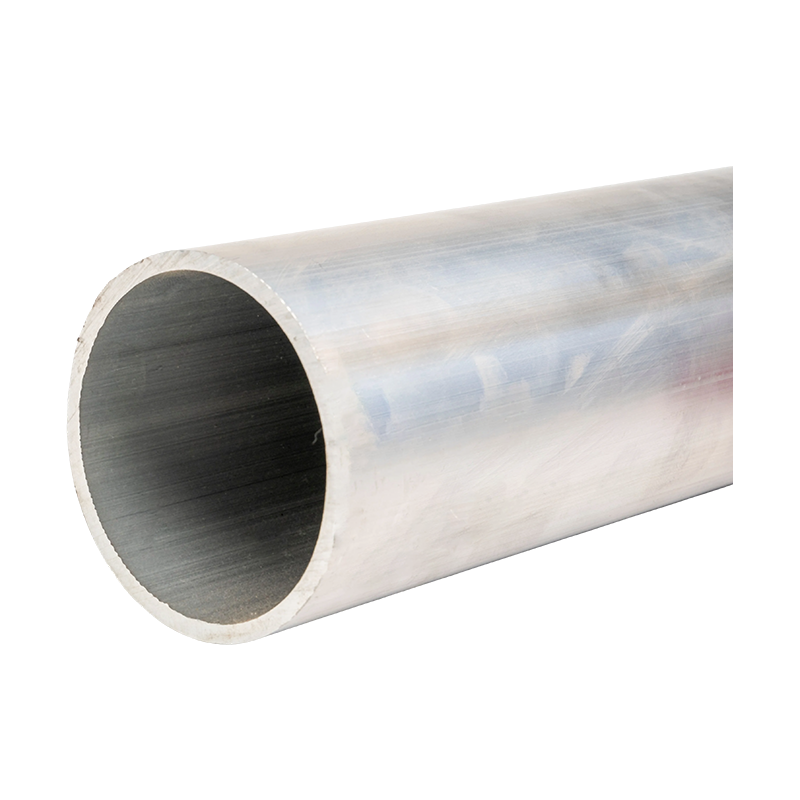
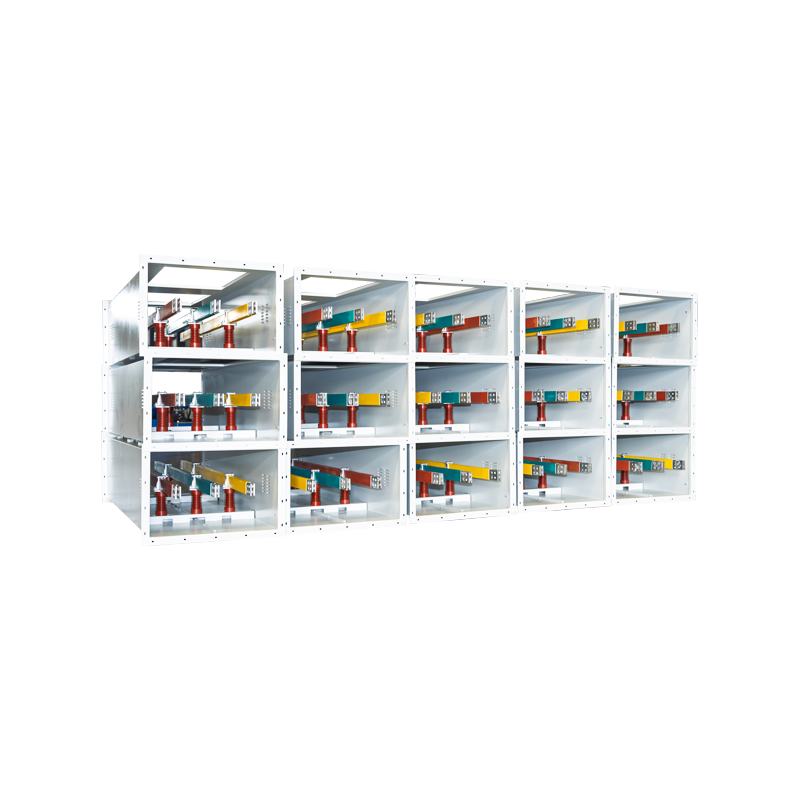
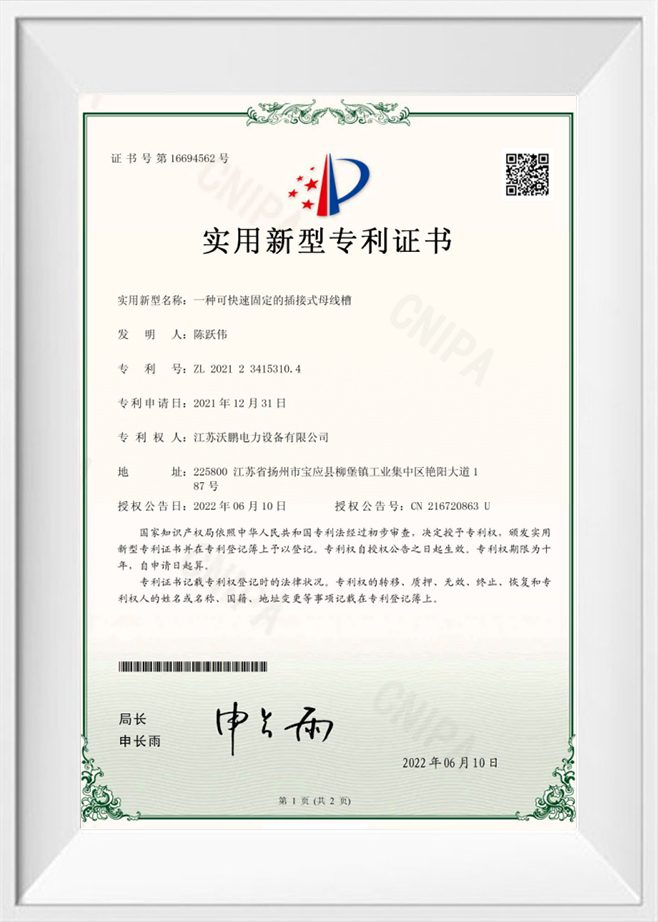
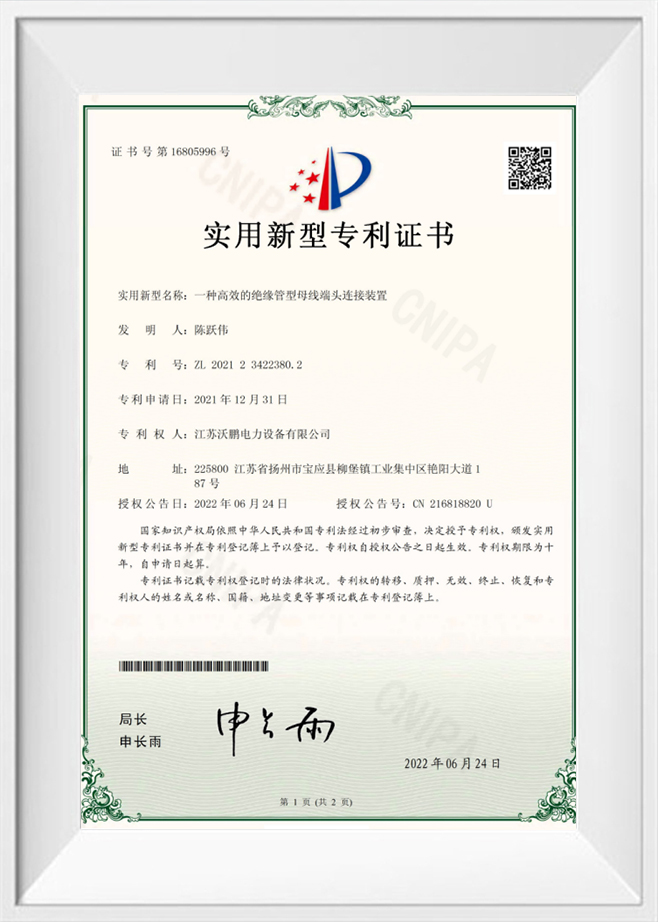
In modern high voltage substations and transmission systems, aluminum alloy tubular bus bars are widely recognized as an optimal solution for power transmission. Their cylindrical hollow structure provides a balanced combination of electrical conductivity, mechanical strength, and thermal performance. Compared with conventional solid conductors, tubular bus bars significantly improve current distribution while reducing structural stress.
From an engineering perspective, these bus bars are particularly suitable for voltage levels ranging from 35kV to 220kV and beyond. Their design aligns with international standards such as IEC and IEEE, ensuring stable operation under continuous load, short-circuit conditions, and varying environmental factors such as temperature fluctuations and humidity.
2. Core Advantages of Aluminum Tubular Bus Bars
(1) Superior Current Rating with Reduced Skin Effect
At high voltage frequencies, alternating current tends to concentrate near the surface of conductors, a phenomenon known as the skin effect. The tubular geometry increases the effective surface area, allowing more uniform current distribution and achieving 15–25% higher AC current capacity compared to solid conductors. This directly improves transmission efficiency and reduces energy loss over long distances.
(2) Lightweight Structure and Structural Efficiency
Aluminum has a density of approximately 2.70 g/cm³, making it significantly lighter than copper. Combined with the hollow structure, the total system weight can be reduced by 40–50%, which lowers the load on support insulators and steel structures. This advantage is especially important in large outdoor substations and elevated installations.
(3) Strong Corrosion Resistance
Aluminum naturally forms a dense oxide layer that protects the surface from environmental degradation. With anodizing or protective coating, tubular bus bars can maintain stable performance for decades in outdoor environments, including coastal, industrial, and high-humidity regions. This reduces maintenance requirements and enhances long-term reliability.
(4) High Mechanical Strength and Fault Tolerance
During short-circuit events, bus bars are subjected to strong electromagnetic forces. The circular cross-section provides a higher moment of inertia compared to flat bars, allowing the structure to withstand extreme mechanical stress without deformation. This ensures system stability and safety during fault conditions.
| Comparison: Aluminum Tubular vs Copper Bus Bar |
| Parameter |
Aluminum Tubular |
Copper Solid |
| Weight |
Lower |
Higher |
| Skin Effect Performance |
Optimized |
Less efficient |
| Mechanical Strength |
High |
Moderate |
| Corrosion Resistance |
Excellent |
Moderate |
3. Practical Data: Current Rating vs Diameter
When designing substation systems, engineers typically select bus bar dimensions based on current demand, ambient temperature, and installation conditions. Larger diameters provide greater surface area, improving both current capacity and heat dissipation.
- 80mm OD – suitable for medium load applications
- 100mm OD – commonly used in standard substations
- 130mm OD – designed for high current transmission
- 160mm OD – used in large-scale power facilities
These configurations are typically validated through thermal calculations and comply with international design guidelines to ensure stable long-term operation.
4. Frequently Asked Questions (FAQs)
Q1: What voltage levels are supported?
They are commonly used in systems from medium voltage up to ultra-high voltage applications, depending on insulation and installation design.
Q2: How is quality ensured?
Manufacturers typically perform material testing, conductivity verification, and structural inspections to ensure consistency and compliance with standards.
Q3: Can aluminum connect to copper systems?
Yes, proper connectors such as bi-metal interfaces are used to ensure stable electrical contact and prevent corrosion.
Q4: What is the expected service life?
With correct installation and environmental protection, systems can operate reliably for several decades.
Q5: How to choose the right size?
Selection depends on current load, installation environment, and system design standards. Engineering calculations or simulation tools are typically used.
Aluminum tubular bus bars continue to play a critical role in modern power systems, delivering efficient transmission, structural reliability, and long-term operational stability across a wide range of applications.



 EN
EN

 English
 русский
 Français
 Español
 عربى
عربى