

 EN
EN

 English
 русский
 Français
 Español
 عربى
عربى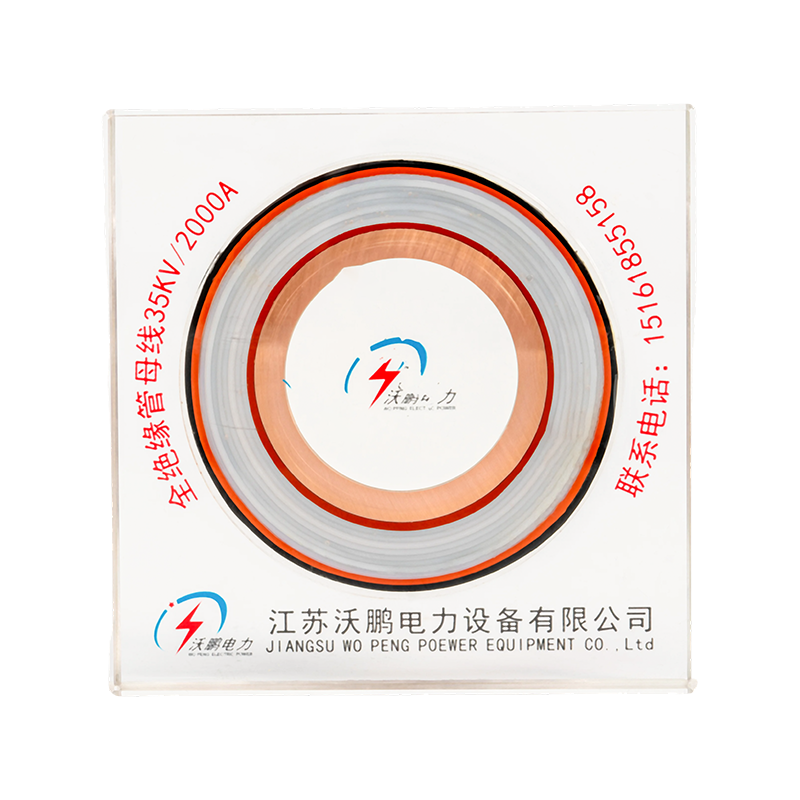
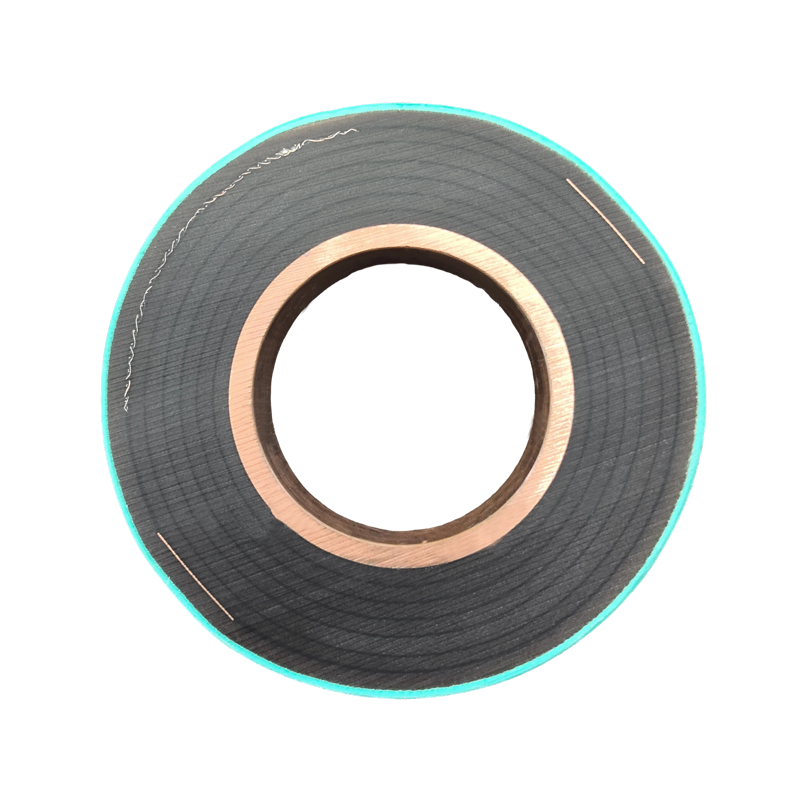
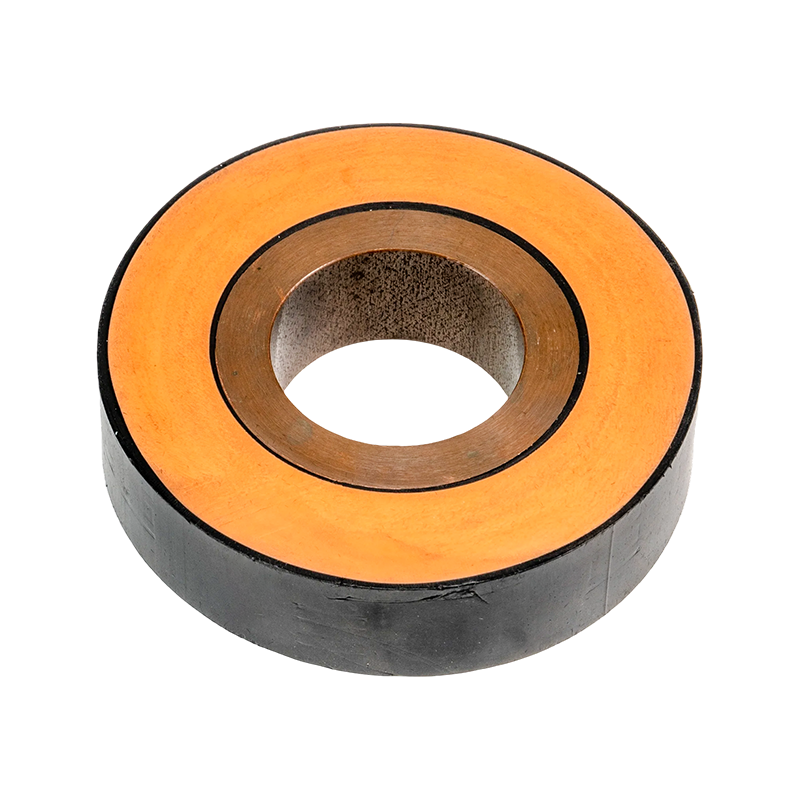
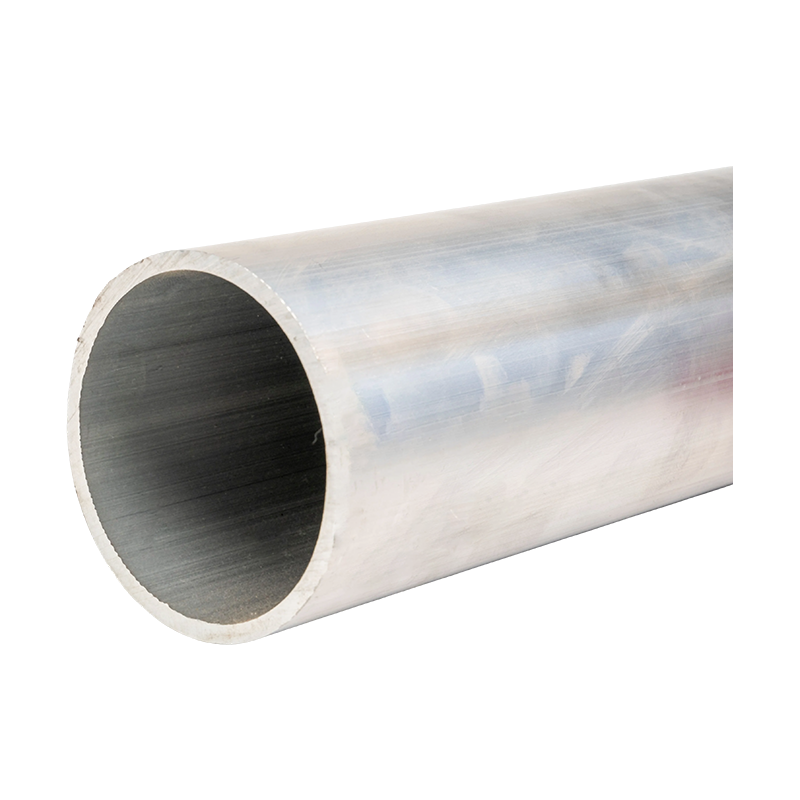
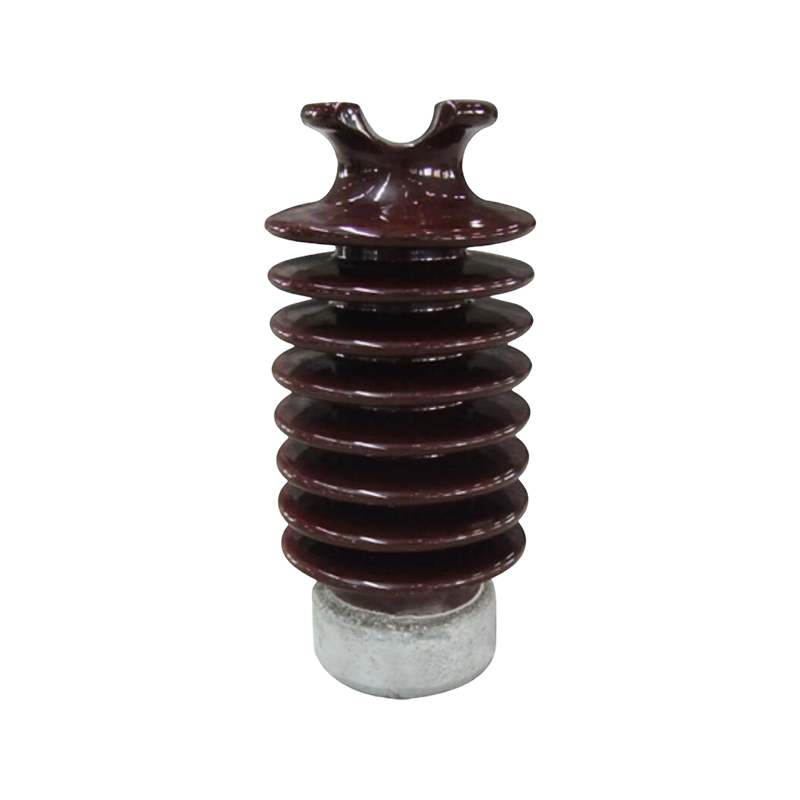
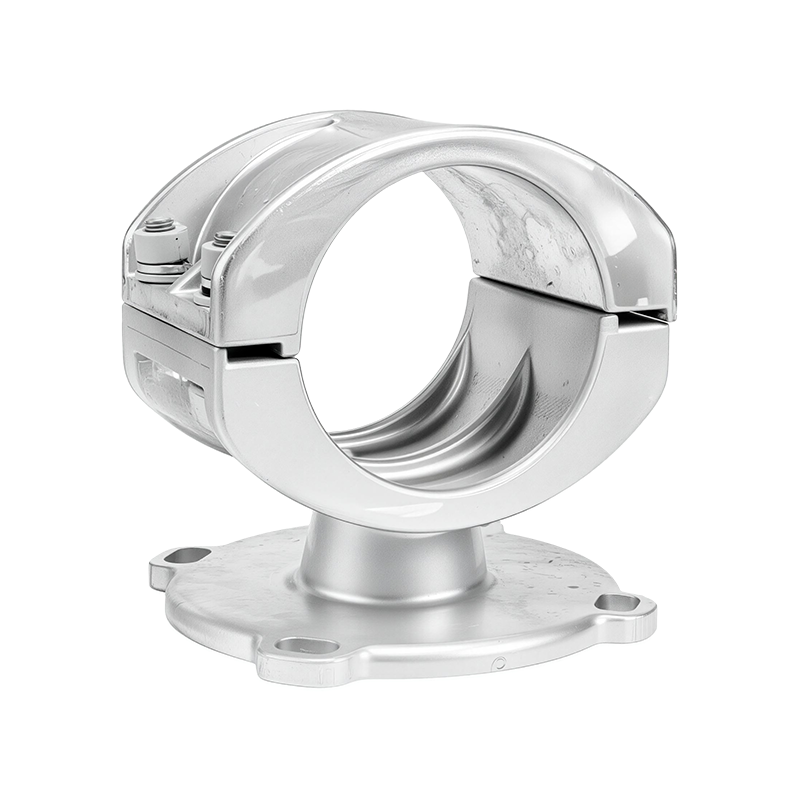
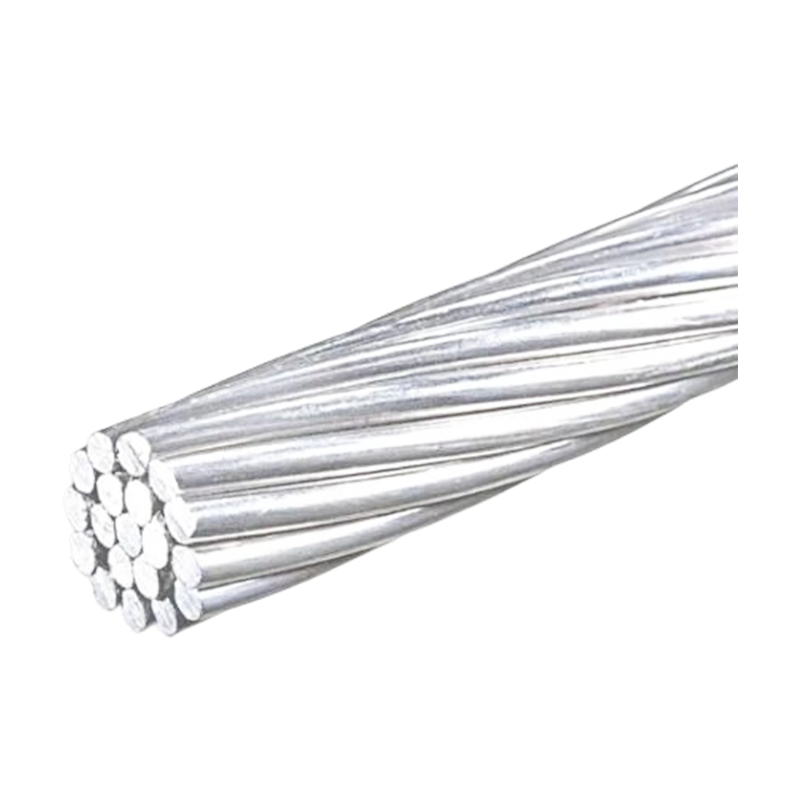
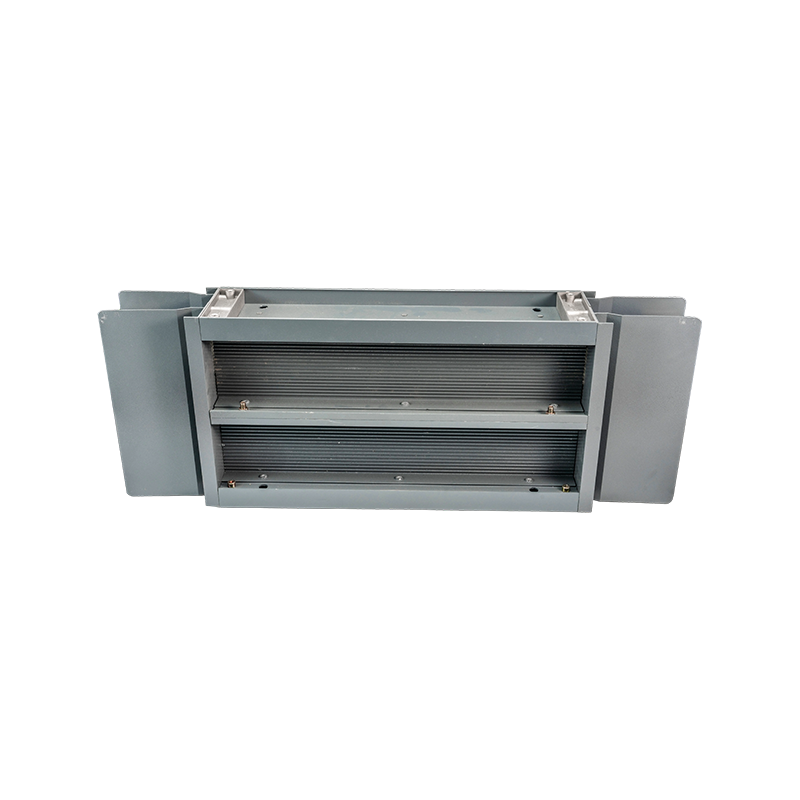






A crew arrives at a collector substation with a dozen aluminum tubes, a crate of clamps and one day before the bay is scheduled for energization. Lifting the tubes takes about an hour. The rest of the day disappears into support alignment, joint preparation, ...
View More +
Contact Us
Power Busway
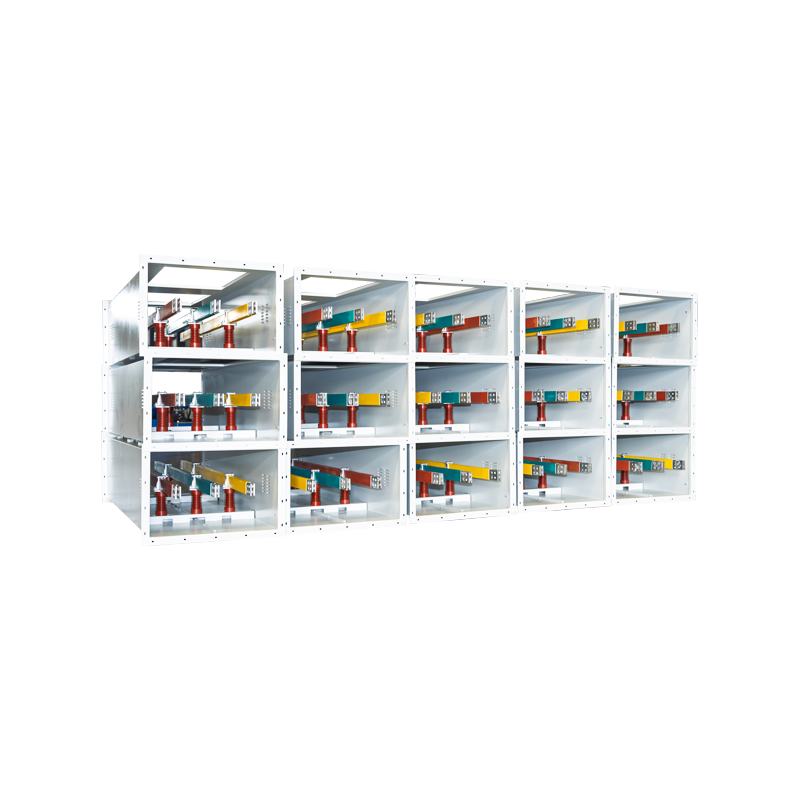
The Power Busway is a high-performance conductive system specifically designed for high-current power transmission and distribution. It utilizes high-purity electrolytic copper or premium aluminum alloy conductors, combined with specially shaped cross-sections and multi-layer arrangements, effectively optimizing skin effect and enhancing current-carrying capacity. The busway adopts a fully insulated encapsulation structure and is equipped with a high-strength protective housing, achieving a protection rating of up to IP66. It offers excellent fire resistance, moisture resistance, and corrosion resistance. Its modular design supports quick plug-and-play installation, significantly improving construction efficiency, while also featuring advantages such as low voltage drop, low power loss, and superior heat dissipation. It can withstand short-circuit current impacts of up to 100 kA for 1 second. The Power Busway is widely used in main power distribution systems for industrial plants, commercial buildings, data centers, and new energy applications.
- Product Details
- Features
- Contact Us
Technical Advantages
High Current-Carrying Capacity
High-Current Transmission: Supports a broad current range from 250 A to 6300 A
Efficient Conductor Design: Uses specially shaped copper/aluminum bars to significantly reduce skin effect
Low Impedance: System impedance is minimal, with voltage drop < 1%
Safety Protection
Fully Enclosed Structure: Completely prevents electric shock and foreign object intrusion
High Fire Resistance: Materials comply with the UL94 V-0 standard and are self-extinguishing
Strong Seismic Resistance: Capable of withstanding seismic intensity up to level 8
High Protection Rating: Standard IP54, with special designs reaching IP66
Electrical Performance
High Short-Circuit Withstand: Withstands short-circuit current impacts of 50–100 kA for 1 second
Excellent Insulation Performance: Power-frequency withstand voltage of 3500 V/min, impulse withstand voltage of 8000 V
Balanced Current Distribution: Three-phase conductors arranged symmetrically to ensure current balance
Convenient Installation and Maintenance
Modular Design: Standard-length units with plug-and-play quick installation
High Construction Efficiency: Installation efficiency improved by over 50% compared to traditional cabling
Easy Maintenance: Removable cover plate design facilitates inspection and maintenance
Flexible Expandability: Reserved plug-in interfaces support easy future expansion
Features
Core Market Positioning: The Power Busway is a high-performance power transmission system specially designed for industrial high-current distribution scenarios. It undertakes the critical task of transmitting power from main transformers to large-scale power equipment in workshops, serving as an upgraded solution that replaces traditional cables and air-insulated busbars in modern industrial settings. It aims to meet stringent requirements for power quality and supply reliability under heavy-load and impact-load conditions.
Core Performance Parameters: The product covers a wide-rated current range from 1,600 A to over 6,300 A, with voltage drop strictly controlled within 1%. It demonstrates excellent dynamic response characteristics and short-circuit withstand capability (up to 50 kA/1 s), achieves protection ratings from IP54 to IP65, and operates stably across a broad temperature range of -25 °C to +70 °C. All these indicators surpass traditional power distribution methods.
Key Technical Advantages: The Power Busway adopts a low-impedance optimized design, reducing line losses by over 20% compared to traditional cable solutions. Its heavy-duty aluminum alloy housing structure and modular plug-in system not only ensure mechanical strength but also improve installation efficiency by 50%. The integrated smart monitoring system enables real-time monitoring and warning of temperature, humidity, and connection status, providing data support for preventive maintenance.
Recommended Products
About Us
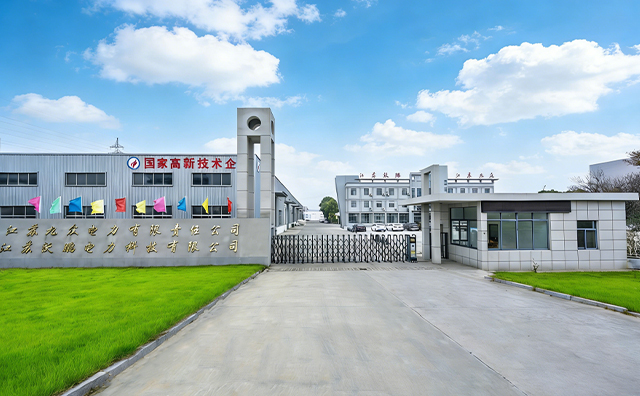
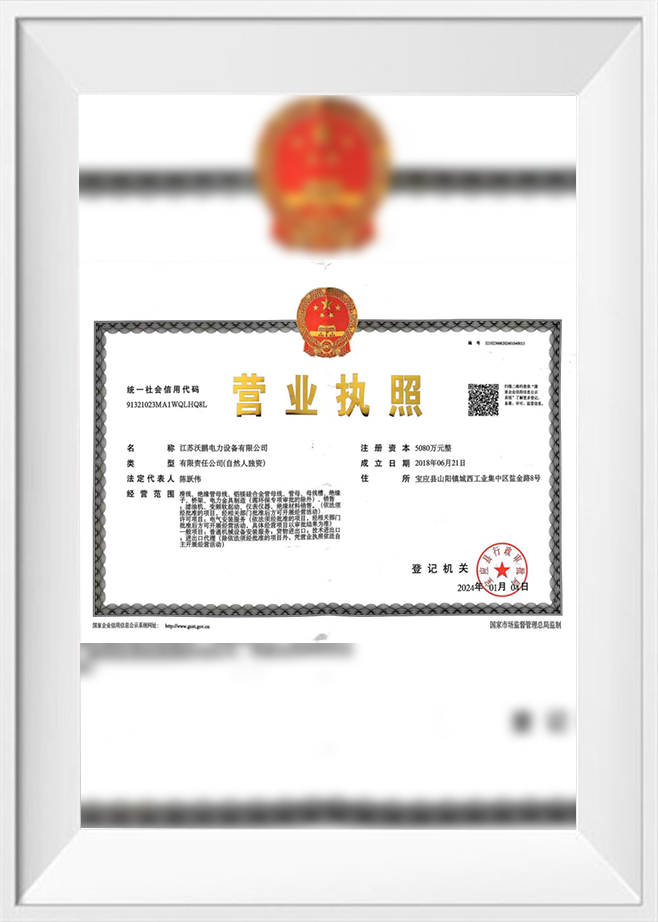
Jiangsu Wopeng Power Technology Co., Ltd.
Founded in June 2018, Jiangsu Wopeng Power Technology Co., Ltd. is a Custom Power Busway Manufacturers and OEM Power Busway Factory, it has rapidly grown into a specialized high-tech enterprise in the field of high and low voltage busbar systems.
We gather a professional team of industry experts, senior engineering and technical personnel, and experienced production specialists who have been engaged in power equipment technology for many years.
Our main products include copper & aluminum tube busbars, wind power tube busbars, intensive (compact) busbars and sliding contact line systems. We focus on the R&D and manufacturing of 0.4 kV–35 kV fully insulated enclosed tube busbars and low-voltage cast resin busway systems, providing reliable power transmission paths for power plants, substations, wind farms, rail transit and industrial facilities.
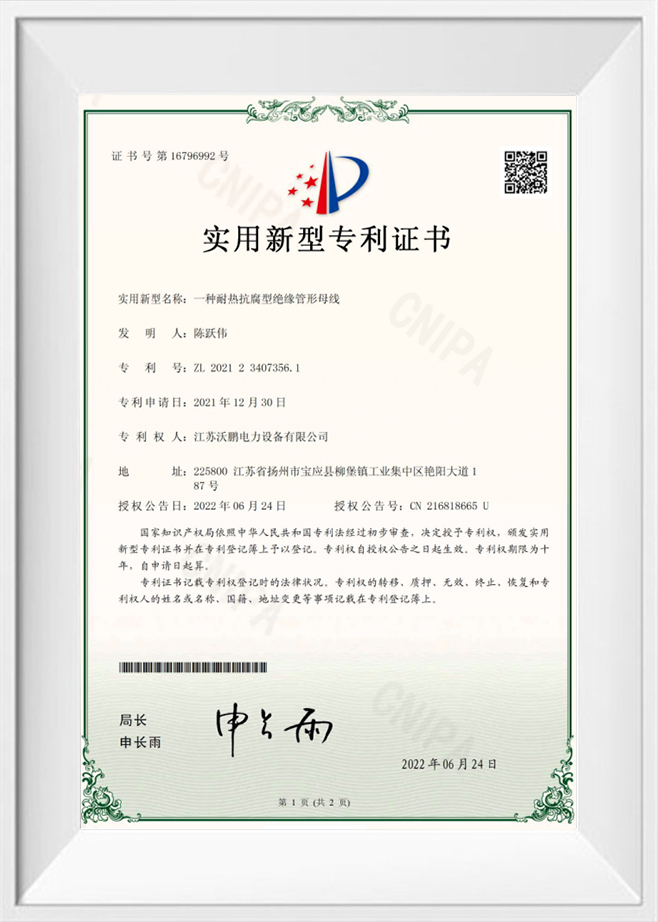
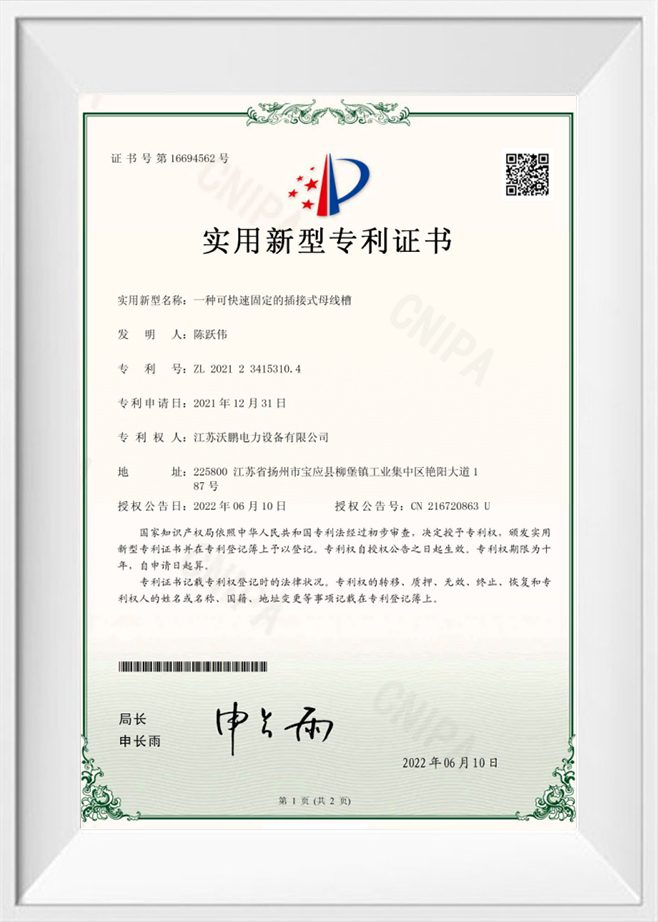
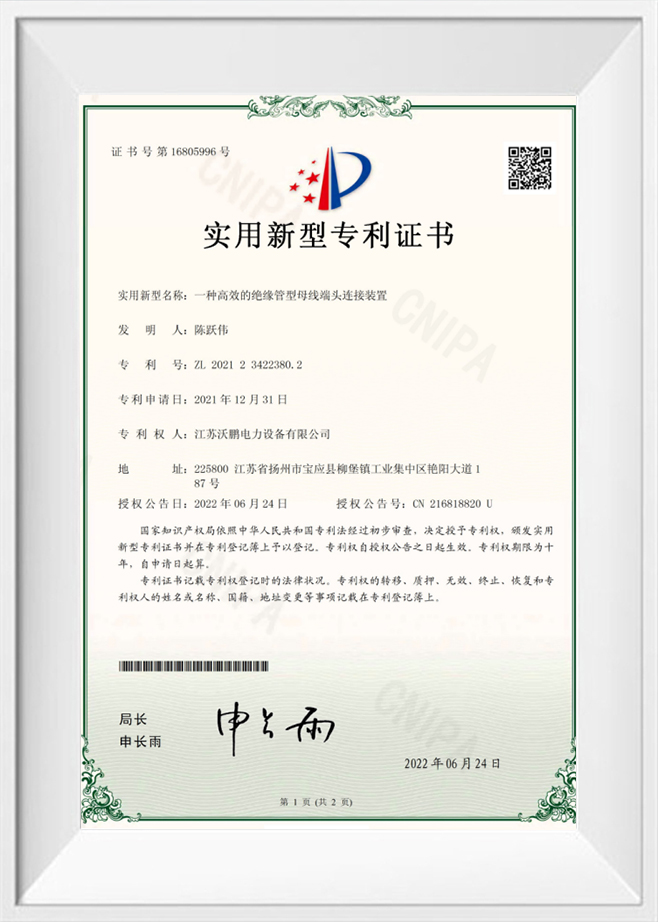
Certificate Of Honour
News
-
-
A busbar that passes its routine factory test can still fail in service when the insulation compound was matched to the wrong duty. Temperature is the clearest example: a casting rated for 130 °C continuous will harden and crack in a steel mill, while the sam...
View More + -
A 110 kV outdoor yard is 60 metres long, the incoming line lands on the west side, and the client wants two transformer bays plus space for a future third. The single-line diagram is approved. The question that stalls the project for a week is far less glamor...
View More +
Medium And Low Voltage Bus Bar Industry knowledge
1. What Is a Power Busway?
A power busway, also known as a bus duct or busbar trunking system, is a modern method of distributing electrical power. Unlike traditional conduit and wire systems that require splicing and pulling wires through pipes, a busway consists of insulated, enclosed metal housings containing copper or aluminum busbars. These busbars act as the main conductors, carrying high currents from a power source (like a transformer or main switchgear) to various downstream distribution points, such as motor control centers or panelboards.
Busway systems are particularly advantageous in industrial settings where flexibility and high power capacity are required. They allow for easy modification of power distribution routes and provide a clean, organized way to supply electricity over long distances within a facility.
2. How Does a Power Busway Work?
(1) Conducting Electricity Efficiently
At the heart of a busway system are the busbars. These are thick strips of conductive metal that carry the electrical current. The busbars are rigidly supported and separated by high-resistance insulation materials, which prevents short circuits and ensures safety. The entire assembly is enclosed in a grounded metal housing, which protects the internal components from environmental hazards like dust, water, and physical damage.
(2) The Role of Tap-Off Units
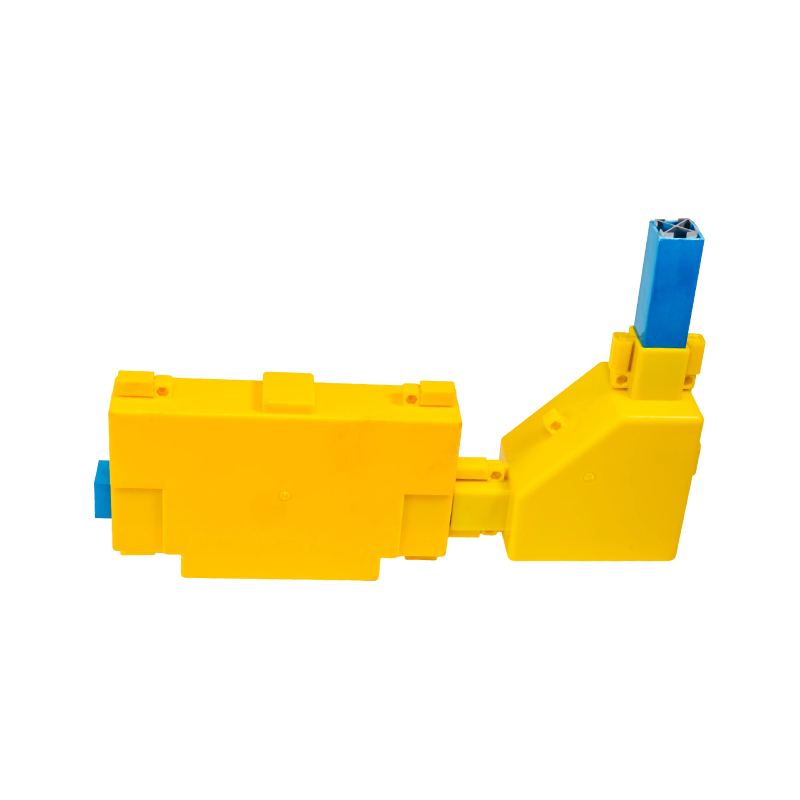
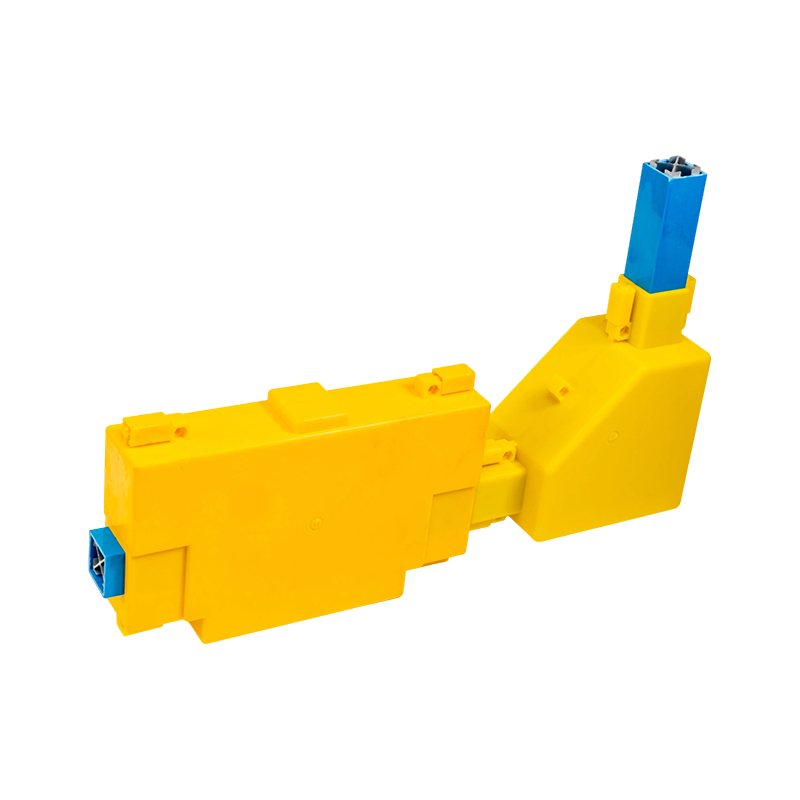
One of the key features that distinguish a busway from a simple cable is its ability to provide power at multiple points along its length. This is achieved through "tap-off" units. These units can be plugged into the busway at various intervals, allowing users to connect machinery or sub-panels directly to the main power line without needing to cut power to the entire system in many cases. This modular design makes reconfiguration of a factory floor significantly faster and less labor-intensive.
3. Comparison of Busway Types
There are generally three categories of busway systems, each designed for specific load requirements and environmental conditions. Selecting the right type is crucial for ensuring system efficiency and longevity.
| Type | Current Rating | Key Features |
|---|---|---|
| Feeder Busway | 600A – 6000A | Used for long-distance, high-capacity power transmission. |
| Plug-in Busway | 100A – 630A | Features frequent tap-off points for lighting and machinery. |
| Cable Bus | Varies | Uses insulated cables instead of solid bars for flexibility. |
4. Applications and Benefits
Power busways are commonly found in data centers, manufacturing plants, and large commercial buildings. Their compact design saves valuable floor space compared to bulky cable trays. Furthermore, because they are pre-engineered and assembled in a factory, they significantly reduce on-site labor costs and installation time. For example, installing a busway system can be up to 50% faster than pulling individual heavy cables through conduit, leading to faster project completion.
Maintenance is also simplified. If a section is damaged, it can often be isolated and replaced without shutting down the entire facility. This reliability makes busways a superior choice for critical power infrastructure where downtime is costly.
5. Q&A
- Q1: What is the difference between a busway and a busbar?
A busbar is a single strip or rod of conductive metal (usually copper or aluminum) used to conduct a high current within a switchboard or substation. A busway, on the other hand, is a complete system that encloses one or more busbars within a protective housing, designed to distribute power over a distance.
- Q2: Are busways safe?
Yes, modern busway systems are designed with safety as a top priority. They feature robust insulation, grounding systems, and protective housings that prevent accidental contact with live parts. Many systems also have IP (Ingress Protection) ratings indicating their resistance to dust and water, making them safe for harsh environments.
- Q3: Can I add new connections to an existing busway?
Absolutely. This is one of the primary advantages of a plug-in busway system. You can easily slide on new tap-off units at any designated point along the housing to connect new equipment, offering great scalability for growing businesses.

Mobile
CATEGORY
Products
Contact Us
-
 +86-180 3625 3000
-
 admin@wpbusbar.com
-
 No. 8, Yanjin Road, Chengxi Industrial Park, Shanyang Town, Baoying County, Yangzhou City, Jiangsu Province, China
Copyright © Jiangsu Wopeng Power Technology Co., Ltd.
All Rights Reserved.
 Custom Insulated Bus Bar Manufacturer
Tubular Busbar System Factory
Custom Insulated Bus Bar Manufacturer
Tubular Busbar System Factory