

 EN
EN

 English
 русский
 Français
 Español
 عربى
عربى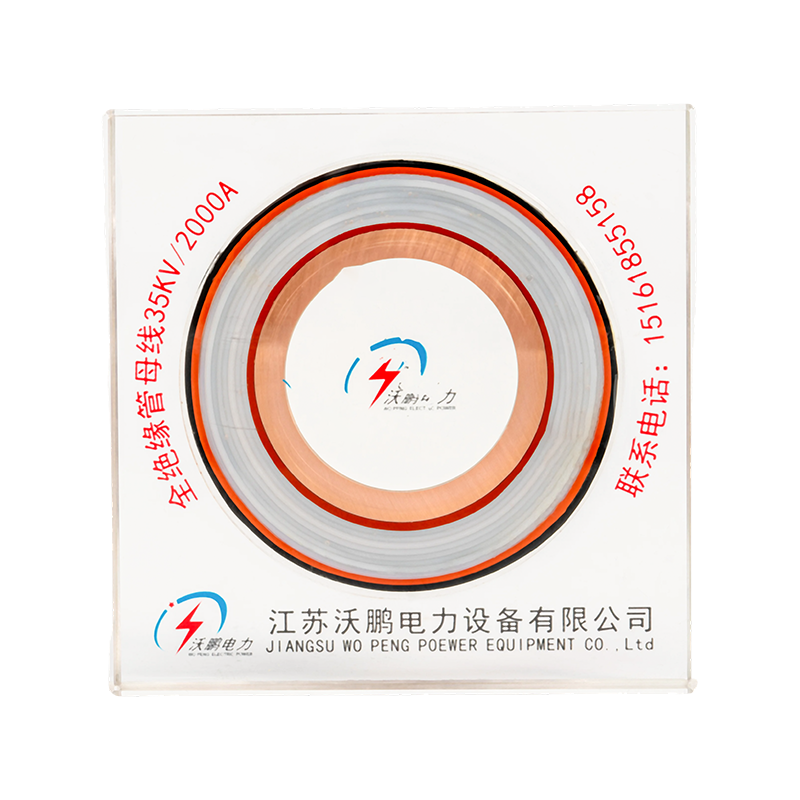
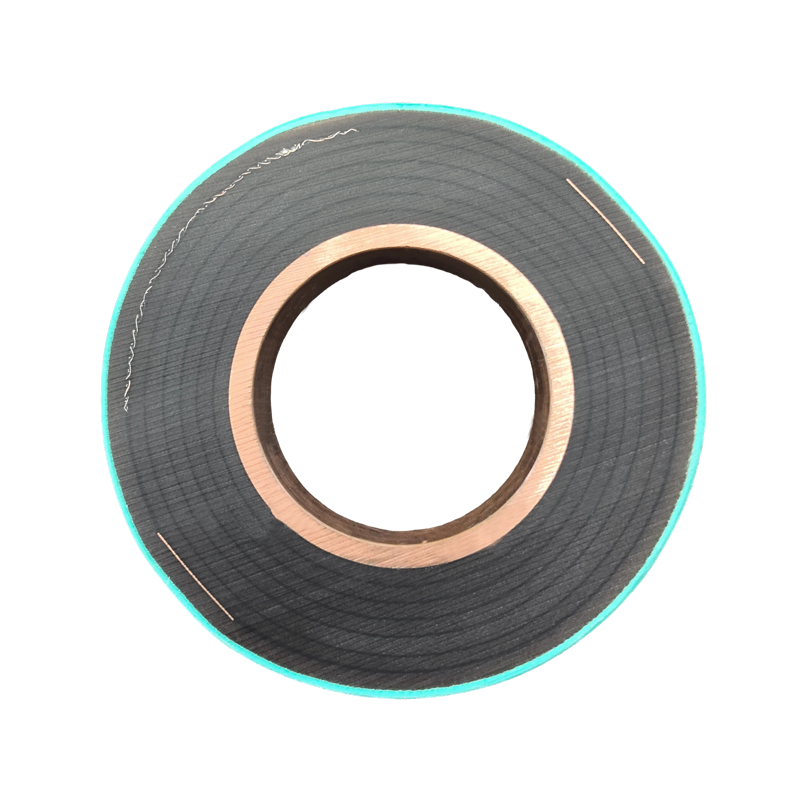
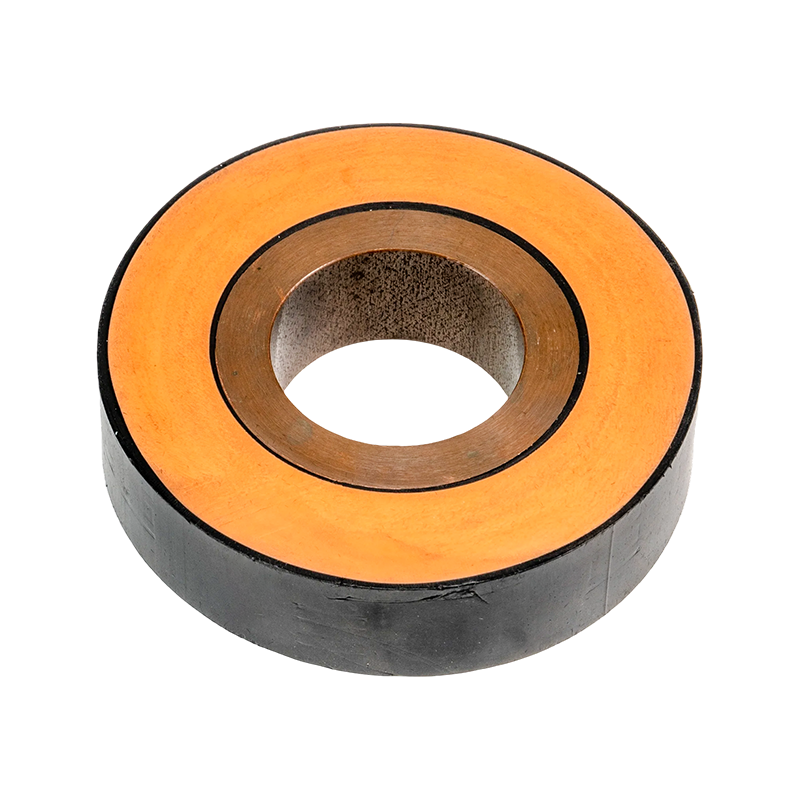
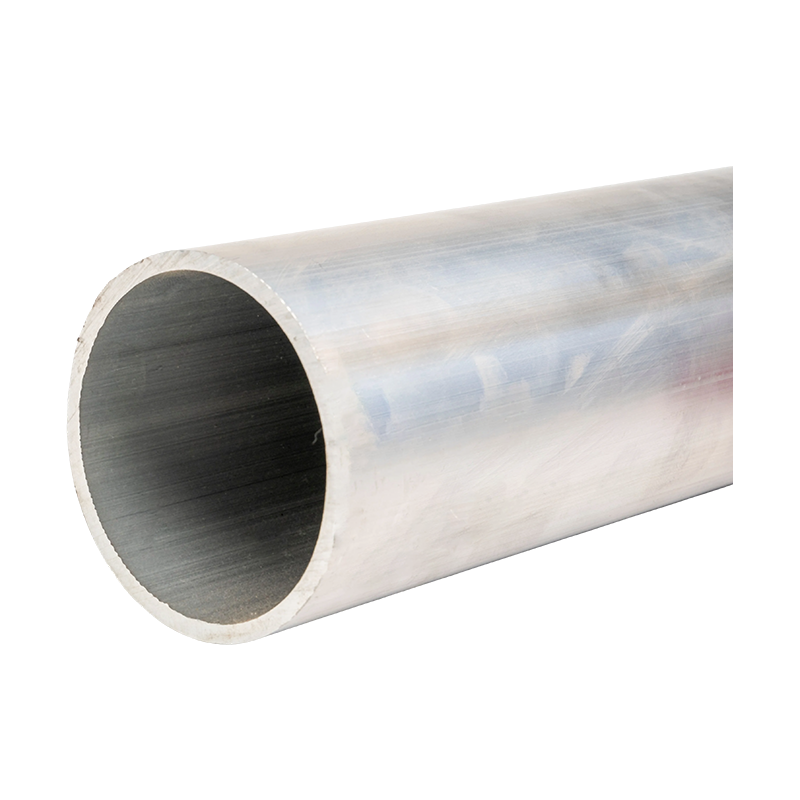
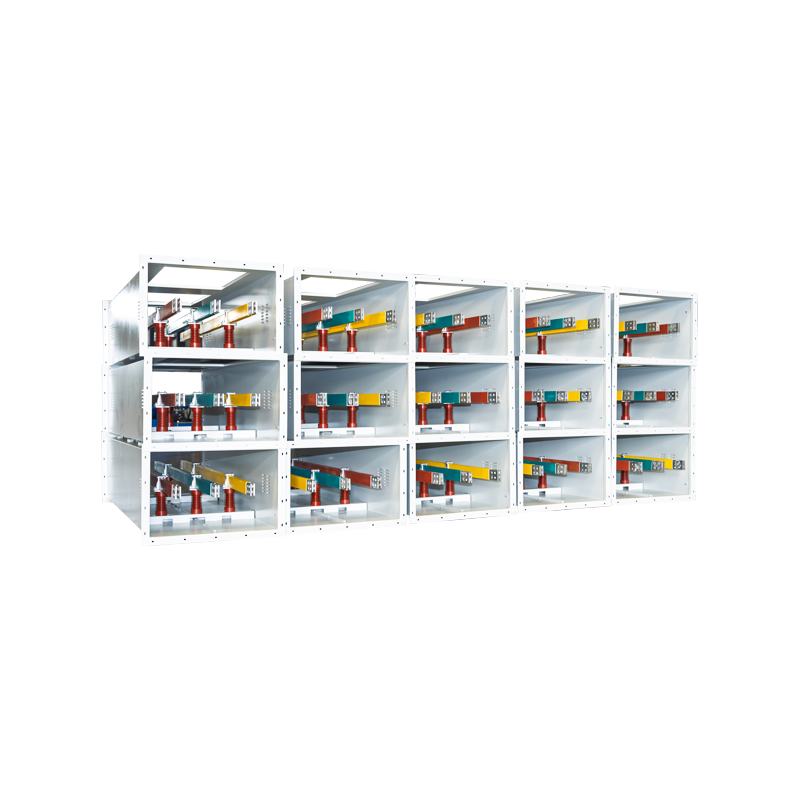


What Makes Fully Insulated Tubular Bus Bars the Smart Choice for Modern Power Distribution?
Content
- 1 How Fully Insulated Tubular Bus Bars Transform Power Distribution Safety
- 2 Compact Design and Space Optimization Benefits
- 3 Proven Performance in Critical Infrastructure Applications
- 4 Thermal Stability and Long-Term Reliability Engineering
- 5 Why Leading Engineers Specify Fully Insulated Tubular Bus Bars
- 6 Specification and Procurement Best Practices
Fully insulated tubular bus bars represent the next-generation solution for power distribution systems, combining enhanced operator safety, superior reliability in harsh environments, and significantly reduced clearance requirements compared to traditional bare or uninsulated busbar systems. By encapsulating the conductor with high-dielectric materials such as epoxy resin or cross-linked insulation, these systems eliminate exposure of live conductors and dramatically reduce the risk of electrical faults. Engineering studies demonstrate up to 60% fewer unplanned outages when compared with conventional open busbar arrangements, particularly in environments with high contamination levels. With proper installation, these systems can operate reliably for decades with minimal maintenance, making them the optimal choice for modern substations, industrial facilities, and critical infrastructure worldwide.
How Fully Insulated Tubular Bus Bars Transform Power Distribution Safety
Traditional bare busbars rely on air insulation and require large safety clearances—typically 150–300 mm for 35kV systems. Fully insulated tubular busbars eliminate this dependency by integrating solid insulation capable of withstanding impulse voltages up to 150 kV. This fundamental design shift creates measurable improvements across every dimension of system performance.
Eliminating Arc Flash Hazards
Arc flash incidents remain one of the leading causes of electrical injuries in industrial settings. The fully enclosed design of insulated tubular busbars prevents accidental contact with live conductors and reduces the likelihood of electrical faults. The solid insulation barrier ensures that even under fault conditions, the energy release is contained within the system, significantly improving personnel safety during operation and maintenance activities.
IP68-Level Sealing for Extreme Environments
In industrial zones, coastal substations, and mining environments, contamination such as salt fog, dust, and chemical particles can rapidly degrade the insulation performance of traditional systems. Fully insulated tubular busbars achieve IP68-level sealing, preventing moisture ingress and eliminating surface tracking. This results in longer maintenance intervals and more stable long-term performance, even in the most demanding operational conditions.
Reduced Partial Discharge Risk
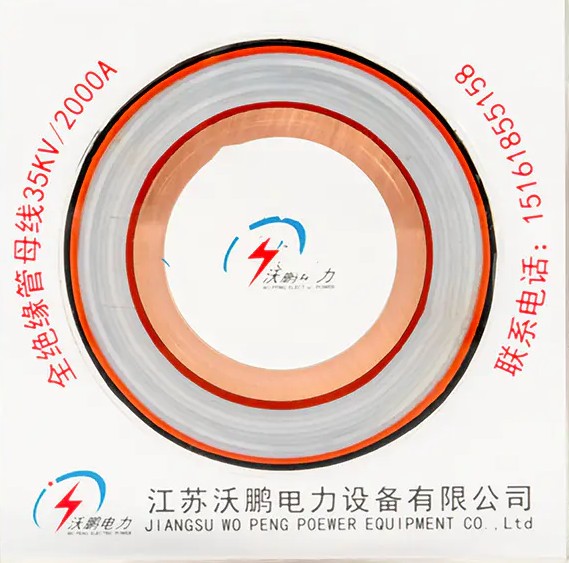
Partial discharge is a critical indicator of insulation degradation that can lead to catastrophic failures over time. The solid insulation structure of fully insulated tubular busbars eliminates air gaps and voids where partial discharge typically initiates. Testing according to IEC standards confirms that these insulation systems maintain dielectric integrity even after prolonged exposure to humidity, salt spray, and thermal cycling, ensuring long-term reliability without degradation of insulation performance.
Compact Design and Space Optimization Benefits
Space constraints are a growing challenge in modern electrical infrastructure. Because insulation is integrated directly into the conductor system, phase-to-phase clearance requirements are minimized, enabling installations in significantly reduced footprint areas.
| Parameter | Fully Insulated Tubular | Traditional Bare Busbar |
|---|---|---|
| Phase Clearance | Minimal | Large spacing required (150–300mm) |
| Environmental Resistance | Sealed system (IP68) | Exposed to contaminants |
| Maintenance Frequency | Low (decades of service) | High (regular cleaning required) |
| Safety Level | High (enclosed live parts) | Moderate (exposed conductors) |
| Installation Footprint | Compact (ideal for retrofits) | Requires extensive clearance zones |
| Unplanned Outage Rate | Up to 60% lower | Baseline (higher fault risk) |
This compact design advantage makes fully insulated tubular busbars ideal for installations in existing substations where expansion space is limited, underground facilities where vertical clearance is restricted, and retrofit projects where minimizing downtime is critical. The ability to route these systems through cable trenches, cable夹层, and cable tunnels—similar to conventional cables—provides unmatched installation flexibility compared to rigid busbar arrangements.
Proven Performance in Critical Infrastructure Applications
Field applications across diverse industries demonstrate that fully insulated tubular busbars significantly enhance operational stability under fluctuating loads and environmental stress. The following sectors represent the primary growth drivers for this technology.
Renewable Energy Systems
Wind farms and solar power stations operate in some of the most challenging environmental conditions—offshore salt spray, desert dust storms, and extreme temperature variations. Fully insulated tubular busbars maintain consistent electrical performance in these settings, with the sealed design preventing the contamination-induced failures that plague traditional open busbar systems. The tubular structure supports uniform heat distribution, allowing the system to operate within safe temperature limits under continuous load conditions typical of renewable generation.
Rail Transit Power Supply
Urban rail systems demand high reliability in confined underground tunnels and elevated tracks exposed to weather. The compact footprint and sealed construction of fully insulated tubular busbars make them particularly suitable for these applications, where maintenance access is limited and safety margins must be maximized. The systems deliver stable performance under the high-current, high-frequency switching loads characteristic of traction power networks.
Smart Grid and Data Center Infrastructure
Modern data centers and smart grid substations require power distribution systems that combine high power density with minimal footprint. Fully insulated tubular busbars meet both requirements while providing the reliability needed for mission-critical operations. The reduced clearance requirements enable more efficient use of valuable floor space, and the sealed design eliminates the contamination risks associated with high-airflow cooling environments.
Thermal Stability and Long-Term Reliability Engineering
Modern insulation materials are engineered to provide efficient heat dissipation while maintaining dielectric strength under continuous thermal stress. The engineering behind fully insulated tubular busbars addresses the thermal challenges that limit the performance of conventional systems.
Optimized Heat Dissipation Design
The tubular conductor geometry provides a large surface-area-to-volume ratio that promotes natural convection cooling. When combined with thermally conductive insulation formulations, this design achieves stable operating temperatures even at rated currents up to 12,000A. The uniform temperature distribution across the conductor cross-section minimizes hot spots that accelerate insulation aging in traditional systems.
Resistance to Thermal Cycling
Power systems experience daily and seasonal load variations that create thermal cycling stress. The material interface between conductor and insulation in fully insulated tubular busbars is engineered to accommodate differential thermal expansion without delamination or cracking. IEC thermal cycling test protocols confirm that these systems maintain structural and electrical integrity after thousands of temperature cycles, ensuring performance stability across the full operational temperature range.
Decades of Maintenance-Free Operation
The sealed construction eliminates the need for periodic cleaning, re-torquing, and insulation testing that traditional bare busbar systems require. Routine visual inspection is sufficient to confirm system integrity, as the sealed design minimizes exposure to environmental contaminants that drive degradation. This maintenance profile translates directly into reduced operational expenditure and higher system availability over the full service life.
Why Leading Engineers Specify Fully Insulated Tubular Bus Bars
The transition from traditional bare busbars to fully insulated tubular designs is accelerating across the global power industry. Engineering teams and procurement professionals are increasingly recognizing the total cost of ownership advantages that extend far beyond the initial installation.
Total Cost of Ownership Advantages
- Reduced installation costs due to minimal clearance requirements and flexible routing through existing cable infrastructure
- Lower maintenance expenditure over decades of operation with no need for periodic cleaning or insulation restoration
- Minimized downtime losses through up to 60% reduction in unplanned outages compared to bare busbar systems
- Enhanced safety compliance reducing liability exposure and insurance costs associated with arc flash incidents
- Space efficiency gains enabling higher power density in existing facilities without structural expansion
Global Standards Compliance and Certification
Fully insulated tubular busbars are designed and tested to meet stringent international standards including IEC 62271, IEEE C37.20, and relevant national electrical codes. Type test reports covering electrical, mechanical, and thermal performance provide the documentation required for utility approvals and insurance underwriting. For projects requiring custom specifications, engineering teams can develop tailored solutions with verified performance envelopes for voltage levels from 0.4kV through 35kV and current ratings from 1,000A to 12,000A.
Supply Chain and Technical Support
Selecting a manufacturing partner with comprehensive in-house capabilities ensures consistent material quality, controlled production processes, and responsive technical support. From initial system design consultation through installation supervision and commissioning, end-to-end project support minimizes implementation risk and accelerates time-to-energization. Experienced manufacturers maintain complete type test portfolios and can provide reference installations across wind farms, substations, industrial plants, and transit systems worldwide.
Specification and Procurement Best Practices
Maximizing the benefits of fully insulated tubular busbar technology requires attention to specification details and supplier qualification during the procurement process.
- Verify that prospective suppliers provide complete type test reports covering impulse voltage withstand, partial discharge, thermal cycling, and mechanical load tests according to IEC or IEEE standards
- Request documentation of material traceability for conductor alloys and insulation compounds to ensure consistency and long-term performance predictability
- Confirm that the supplier's quality management system is certified to ISO 9001 and that production processes are subject to regular third-party audits
- Evaluate the supplier's track record in applications matching your project's voltage level, current rating, and environmental conditions
- Assess the availability of engineering support for system layout optimization, thermal modeling, and installation guidance specific to your facility constraints
- Review warranty terms and after-sales service capabilities, including spare parts availability and technical response timelines



-
 +86-180 3625 3000
-
 admin@wpbusbar.com
-
 No. 8, Yanjin Road, Chengxi Industrial Park, Shanyang Town, Baoying County, Yangzhou City, Jiangsu Province, China
Copyright © Jiangsu Wopeng Power Technology Co., Ltd.
All Rights Reserved.
 Custom Insulated Bus Bar Manufacturer
Tubular Busbar System Factory
Custom Insulated Bus Bar Manufacturer
Tubular Busbar System Factory