

 EN
EN

 English
 русский
 Français
 Español
 عربى
عربى
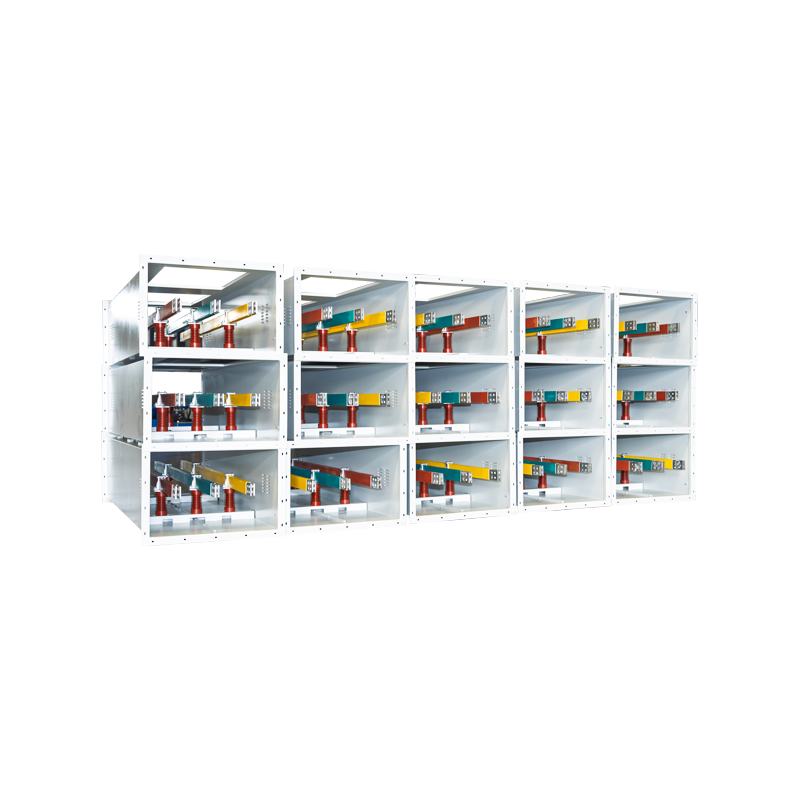


What Makes Magnesium-Aluminum Alloy Tubular Bus Bars Essential for Ultra-High Voltage Power Transmission Systems?
Content
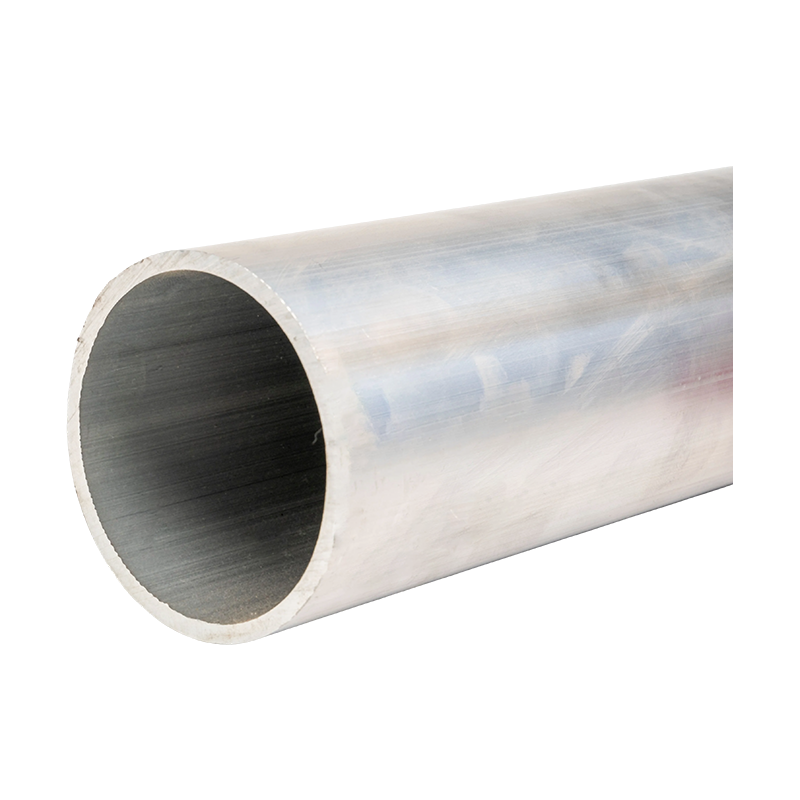
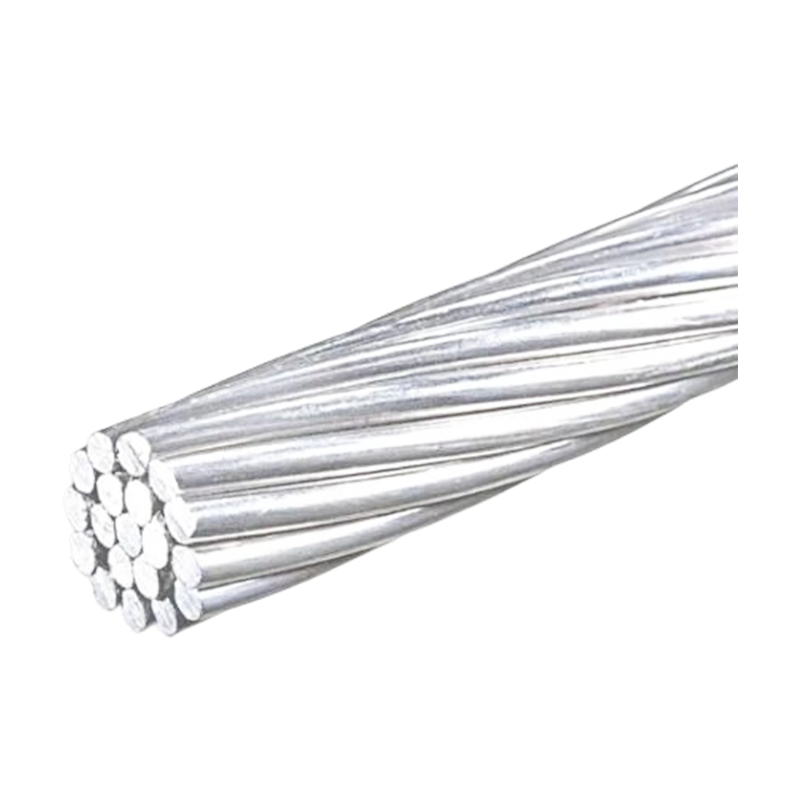
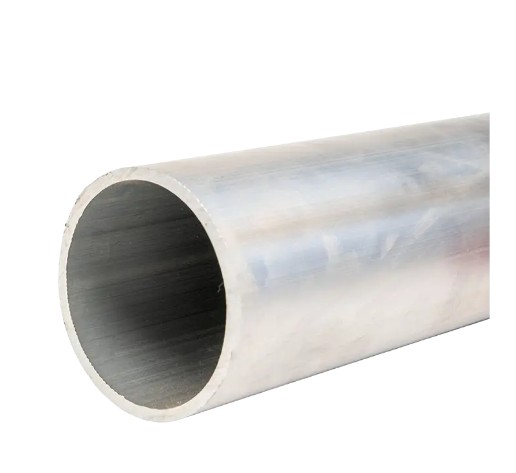
Ultra-high voltage (UHV) magnesium-aluminum alloy tubular bus bars serve as the core conductive components for 500kV and above extra-high voltage and ultra-high voltage power transmission and transformation systems. Manufactured using magnesium-aluminum alloy material systems through precision extrusion forming processes, these products combine lightweight construction, high electrical conductivity, and excellent mechanical strength. The product series encompasses multiple material specifications including 6063G aluminum-magnesium alloy, LF21Y aluminum-manganese alloy, 6R05 rare-earth aluminum alloy, and 2A14 heat-resistant aluminum alloy, comprehensively covering UHV application scenarios from 220kV, 500kV, 750kV, ±800kV, to 1000kV. Under rated operating conditions, the electrical conductivity reaches ≥60% IACS, with rated current capacity up to 12,000A, tensile strength maintained in the 180-250MPa range, operating temperature coverage from -40℃ to 150℃, and a designed service life of 30-40 years.
Material System and Alloy Composition Design
Primary Alloy Grades and Characteristics
The material selection for UHV magnesium-aluminum alloy tubular bus bars directly determines their electrical performance and mechanical reliability. Current engineering applications primarily utilize the following four alloy categories:
- 6063G Aluminum-Magnesium Alloy: Belongs to the Al-Mg-Si heat-treatable strengthening alloy system, featuring excellent extrusion processing performance and corrosion resistance. The electrical conductivity is approximately 53-55% IACS, with tensile strength of 120-150MPa, suitable for conventional UHV substation busbar systems.
- LF21Y Aluminum-Manganese Alloy: An Al-Mn series anti-rust aluminum alloy with outstanding atmospheric corrosion resistance and good weldability, with moderate strength. It is primarily used in outdoor substations in coastal and high-humidity environments.
- 6R05 Rare-Earth Aluminum Alloy: Incorporates rare-earth elements (such as Ce, La, etc.) into the aluminum matrix, significantly refining grain structure, enhancing high-temperature strength and creep resistance. The electrical conductivity reaches ≥60% IACS, with tensile strength of 180-220MPa, suitable for high-current, heavy-load UHV hub stations.
- 2A14 Heat-Resistant Aluminum Alloy: An Al-Cu-Mg-Si series high-strength heat-resistant alloy capable of long-term operation above 150℃, with tensile strength exceeding 250MPa. It is mainly used for generator outlets, electric furnace transformers, and other high-current, high-temperature-rise applications.
Critical Chemical Composition Control
Precise control of alloy composition is the prerequisite for ensuring consistent bus bar performance. Taking 6063G alloy as an example, the mass fractions of its primary elements must be strictly controlled within the following ranges:
| Element | Si | Fe | Cu | Mn | Mg | Cr | Zn | Ti | Al |
|---|---|---|---|---|---|---|---|---|---|
| Content Range | 0.20-0.60 | ≤0.35 | ≤0.10 | ≤0.10 | 0.45-0.90 | ≤0.10 | ≤0.10 | ≤0.10 | Balance |
Magnesium (Mg), as the primary alloying element, combines with silicon (Si) to form Mg₂Si strengthening phases. Through T6 heat treatment (solution treatment + artificial aging), the material strength can be significantly enhanced. Meanwhile, the addition of magnesium has relatively minor negative impact on electrical conductivity, enabling the 6063G alloy to achieve an excellent balance between strength and conductivity.
Electrical Performance and Current Carrying Capacity
Electrical Conductivity and Resistance Characteristics
The core electrical performance indicators for UHV tubular bus bars are electrical conductivity and DC resistance. According to engineering measurement data, different alloy grades exhibit varying conductive properties:
- 6063G-T6 Condition: Electrical conductivity ≥53% IACS, resistivity at 20℃ approximately 0.0325 Ω·mm²/m
- 6101-T7 Condition: Electrical conductivity ≥56% IACS, resistivity at 20℃ approximately 0.0308 Ω·mm²/m
- 6R05 Rare-Earth Alloy: Electrical conductivity ≥60% IACS, resistivity at 20℃ approximately 0.0287 Ω·mm²/m
- 1060 Pure Aluminum: Electrical conductivity ≥61% IACS, but with lower mechanical strength, only used in applications where strength requirements are not critical
Taking a 500kV substation as an example, when using 6063G tubular bus bars with an outer diameter of 160mm and wall thickness of 8mm, the cross-sectional area is approximately 3,848mm². Under ambient temperature of 35℃ and conductor allowable temperature of 80℃, the continuous current carrying capacity reaches 4,500-5,000A. If 6R05 rare-earth alloy of the same specification is used, the current carrying capacity can be increased to 4,800-5,300A, representing an improvement of approximately 6-8%.
Current Carrying Capacity Design Reference
The current carrying capacity design of tubular bus bars must comprehensively consider conductor cross-section, heat dissipation conditions, ambient temperature, and solar radiation factors. The following table provides reference values for current carrying capacity of typical specifications under outdoor conditions (ambient temperature 35℃, conductor temperature 80℃, solar radiation intensity 1,000W/m²):
| OD × Wall Thickness (mm) | Cross-Sectional Area (mm²) | 6063G-T6 | 6101-T7 | 6R05 Rare-Earth Alloy |
|---|---|---|---|---|
| 100×6 | 1,770 | 2,800 | 2,950 | 3,100 |
| 120×8 | 2,827 | 3,600 | 3,800 | 4,000 |
| 160×8 | 3,848 | 4,700 | 4,950 | 5,200 |
| 200×10 | 5,969 | 6,200 | 6,500 | 6,850 |
| 250×10 | 7,540 | 7,800 | 8,200 | 8,600 |
It is noteworthy that when tubular bus bars are used for connections between GIS (Gas Insulated Switchgear) and transformers or circuit breakers, the actual current carrying capacity must be multiplied by a correction factor of 0.85-0.90 due to compact space and limited heat dissipation conditions.
Mechanical Strength and Structural Design
Tensile and Yield Strength
UHV tubular bus bars must withstand multiple mechanical loads during operation including self-weight, wind pressure, ice accretion, and short-circuit electrodynamic forces. Their mechanical performance indicators must meet the following requirements:
- Tensile Strength (Rm): ≥180MPa (6R05 alloy can reach above 220MPa)
- Yield Strength (Rp0.2): ≥120MPa (6063G in T6 condition approximately 150MPa)
- Elongation (A50): ≥8% (ensuring no brittle fracture during installation bending)
- Elastic Modulus: Approximately 70GPa, equivalent to pure aluminum
Under short-circuit current impact, bus bars must withstand enormous electrodynamic forces. Taking a 50kA/3s short-circuit current as an example, the electrodynamic force between adjacent parallel conductors can reach several thousand Newtons per meter, requiring bus bars to possess not only sufficient static strength but also good fatigue resistance. The fatigue limit of magnesium-aluminum alloys is approximately 35-40% of the tensile strength, providing good durability in wind-induced vibration and short-circuit vibration environments.
Deflection and Support Span Design
The support span of tubular bus bars directly affects project cost and operational safety. According to IEEE Std 605 and DL/T 5222 standards, the maximum deflection of outdoor tubular bus bars is generally limited to within 1/200 to 1/150 of the span. Taking the commonly used φ160×8mm tubular bus bar as an example, under the combined action of self-weight and basic wind pressure (0.5kN/m²), the maximum support span can reach 8-10 meters. If reinforced supports are used or the span is reduced to 6-7 meters, deflection can be significantly reduced and wind-induced vibration resistance improved.
For large-span applications in UHV substations (such as crossing roads or equipment areas), tubular bus bar + damping wire composite structures are often employed, or auxiliary supports are added at mid-span to suppress breeze-induced vibration and short-circuit vibration. Measurements have shown that after installing aluminum stranded wire damping lines inside tubular bus bars, breeze-induced vibration amplitude can be reduced by over 60%, effectively preventing fatigue fracture risks.
Weather Resistance and Corrosion Protection
Atmospheric Corrosion Behavior
The surface of magnesium-aluminum alloy tubular bus bars naturally forms a dense Al₂O₃ oxide film with a thickness of approximately 2-10nm. This oxide film exhibits good stability in environments with pH values between 4-9, effectively preventing further corrosion of the substrate. However, in industrial atmospheres (containing SO₂), marine atmospheres (containing Cl⁻), and acid rain environments, the oxide film may be damaged, leading to pitting or intergranular corrosion.
Accelerated corrosion test data indicates that the annual corrosion rate of 6063G alloy in industrial atmospheric environments is approximately 0.5-1.5μm, and in marine atmospheric environments approximately 1.0-3.0μm. Based on a design life of 30 years and wall thickness of 8mm, even without additional protection, corrosion loss is only 1-2% of the wall thickness, having limited impact on structural strength. However, in severely corrosive environments (such as coastal high-salt-fog areas), surface anodizing or anti-corrosion coating treatment is recommended.
Surface Protection Processes
To extend the service life of tubular bus bars in harsh environments, the following protective measures are commonly employed:
- Anodizing Treatment: Generating a 10-25μm thick Al₂O₃ film on the surface through electrochemical methods, featuring high hardness and good insulation properties, with corrosion resistance improved by 3-5 times.
- Fluorocarbon Coating: Spraying PVDF or FEVE fluorocarbon coatings with a film thickness of 30-50μm, exhibiting excellent color and gloss retention in ultraviolet and salt-fog environments, with corrosion protection life exceeding 20 years.
- Hot-Dip Coating: Applying hot-dip galvanizing or tin plating to connecting hardware and other dissimilar metal contact areas to prevent galvanic corrosion.
- Conductive Grease Protection: Applying zinc-containing or silver-containing conductive grease on joint contact surfaces to both reduce contact resistance and isolate air and moisture.
Operation Maintenance and Fault Prevention
Daily Inspection Priorities
Routine maintenance of UHV tubular bus bars focuses primarily on infrared temperature measurement and visual inspection, with particular attention to the following abnormal indicators:
- Joint Overheating: Infrared temperature measurement showing joint temperatures 15℃ above adjacent conductors indicates abnormal contact resistance increase, requiring power outage inspection for tightening or replacement.
- Corona Discharge: Blue halo visible at night or hissing sounds heard, typically caused by surface burrs, rainwater accumulation, or missing grading rings, requiring grinding or installation of shielding devices.
- Breeze-Induced Vibration: Observing tubular bus bar amplitude during windy conditions; if exceeding 1/3 of the diameter, check whether damping wires have detached or install vibration dampers.
- Ice Accretion and Galloping: When winter ice thickness exceeds design values (typically 10-15mm), initiate de-icing procedures or temporarily reduce load operation.
Common Fault Modes and Countermeasures
Based on operational statistics, the main fault modes of UHV tubular bus bars and their preventive measures are as follows:
| Fault Mode | Primary Causes | Preventive Measures |
|---|---|---|
| Joint Burning | Excessive contact resistance, loose fasteners | Periodic bolt re-tightening, use torque wrenches, apply conductive grease |
| Fatigue Fracture | Long-term breeze-induced vibration, stress concentration | Install damping wires, optimize support spacing, eliminate sharp corners |
| Corrosion Perforation | Industrial/marine atmospheric corrosion, dissimilar metal galvanic corrosion | Surface coating protection, use same-material hardware, seal joints |
| Short-Circuit Deformation | Short-circuit electrodynamic force impact, insufficient support strength | Verify short-circuit dynamic stability, reinforce supports, install limit devices |
| Ice Flashover | Insulator string ice bridging, insufficient leakage distance | Increase insulator units, use anti-icing coatings, install de-icing devices |
Technology Development Trends
New Materials and Processes
As UHV projects advance toward higher voltage grades and greater transmission capacity, magnesium-aluminum alloy tubular bus bar technology continues to evolve:
- Nano-Composite Strengthening: Introducing nano-scale TiB₂ or Al₂O₃ particles into the aluminum matrix can increase tensile strength to above 300MPa without significantly reducing electrical conductivity, while improving creep resistance.
- Continuous Extrusion Technology: Using Conform continuous extrusion processes enables production of tubular bus bars of unlimited length, eliminating interface weaknesses from conventional extrusion and significantly improving product consistency.
- Online Quenching and Aging: Integrating extrusion, quenching, and aging processes into a single production line shortens manufacturing cycles, while precise temperature control reduces performance variation in T6 condition to within ±5%.
Intelligent Monitoring Technology
Modern UHV substations are gradually introducing Internet of Things and artificial intelligence technologies for real-time monitoring of tubular bus bar operating conditions:
- Distributed Fiber Optic Temperature Measurement: Laying optical fibers on the surface of tubular bus bars or at joints, utilizing Raman scattering or Brillouin scattering principles to achieve distributed temperature field measurement with accuracy of ±1℃ and spatial resolution of 0.5 meters.
- Wireless Strain Monitoring: Installing miniature wireless strain sensors at support points and mid-span to collect vibration frequency and amplitude in real-time, identifying breeze-induced vibration and ice galloping risks through spectral analysis.
- AI Fault Prediction: Training machine learning models based on historical operational data, performing fusion analysis on multi-dimensional data including temperature, vibration, and meteorological conditions, to predict potential faults 72 hours in advance with accuracy exceeding 90%.
Looking ahead, UHV magnesium-aluminum alloy tubular bus bars will develop toward higher strength, higher electrical conductivity, longer service life, and greater intelligence, providing solid equipment support for building a new power system with renewable energy as the mainstay.



-
 +86-180 3625 3000
-
 admin@wpbusbar.com
-
 No. 8, Yanjin Road, Chengxi Industrial Park, Shanyang Town, Baoying County, Yangzhou City, Jiangsu Province, China
Copyright © Jiangsu Wopeng Power Technology Co., Ltd.
All Rights Reserved.
 Custom Insulated Bus Bar Manufacturer
Tubular Busbar System Factory
Custom Insulated Bus Bar Manufacturer
Tubular Busbar System Factory