

 EN
EN

 English
 русский
 Français
 Español
 عربى
عربى


What is Reinforcing Steel Aluminum Strand ?
Content
- 1 What Is Reinforcing Steel Aluminum Strand and How Is It Constructed
- 2 Key Technical Specifications and Performance Data
- 3 Why ACSR Outperforms All-Aluminum Conductors in High-Demand Applications
- 4 How ACSR Integrates With Aluminum Alloy Tubular Bus Bar Systems
- 5 Selecting the Right ACSR Configuration for Your Busbar System Application
- 6 Standards, Compliance, and Quality Assurance for Reinforced Aluminum Strand
- 7 ACSR in the Context of Modern Power Distribution Busbar Solutions
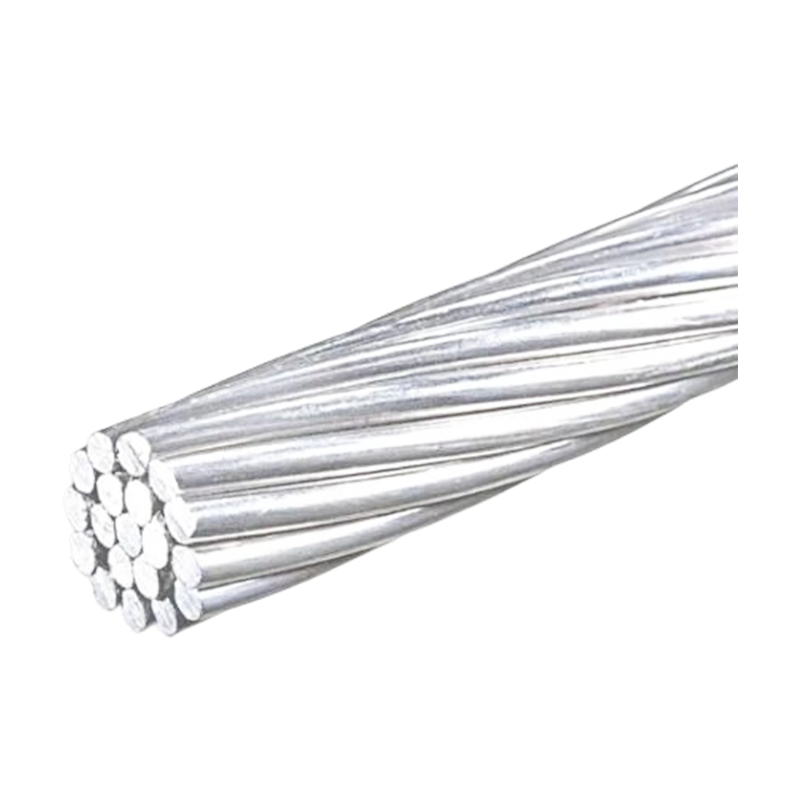
Reinforcing Steel Aluminum Strand (ACSR) is a high-capacity stranded conductor built around a galvanized steel core wrapped by concentric layers of aluminum wires. In practical terms: the aluminum carries the electrical current, while the steel core absorbs mechanical tension. This combination solves one of the central engineering challenges in power infrastructure — transmitting high currents across long spans without excessive sag, weight, or cost. For engineers selecting conductors for overhead transmission lines, substation busbar support systems, or high and low voltage busway systems, ACSR remains the benchmark choice, and understanding its construction, specifications, and integration with insulated busbar system components is essential.
What Is Reinforcing Steel Aluminum Strand and How Is It Constructed
Reinforcing Steel Aluminum Strand (ACSR) consists of one or more layers of aluminum alloy 1350-H19 wires concentrically stranded around a central steel core. The outer aluminum strands achieve a minimum conductivity of 61.2% IACS (International Annealed Copper Standard), while the inner steel core provides tensile strength several times greater than that of aluminum alone.
The steel core is available in several protective coating configurations to match environmental conditions:
| Core Type | Coating | Best For |
|---|---|---|
| Class A (GA) | Standard galvanizing | Inland, low-corrosion environments |
| Class B / C (GB/GC) | Heavy galvanizing | Coastal or industrial zones |
| Aluminum-Clad (AW) | Aluminum cladding over steel | High-corrosion, offshore projects |
| MA / MC | Zinc-5% aluminum mischmetal alloy | Aggressive chemical environments |
By varying the ratio of aluminum to steel strands, engineers can tune the conductor for either maximum ampacity (more aluminum) or maximum tensile strength (more steel), making ACSR a genuinely flexible platform for diverse electrical busbar system applications.
Key Technical Specifications and Performance Data
The following parameters define ACSR conductor performance and guide selection across power distribution busbar and overhead line projects:
| Parameter | Aluminum Strands | Galvanized Steel Core |
|---|---|---|
| Density at 20°C | 2.703 kg/dm³ | 7.80 kg/dm³ |
| Resistivity at 20°C | Max 0.028264 ohm·mm²/m | 8% IACS |
| Thermal expansion coefficient | 23 x 10⁻⁶ /°C | 11.5 x 10⁻⁶ /°C |
| Applicable standards | ASTM B232, IEC 61089, BS EN 50182, DIN 48204, JIS C 3110, AS 3607 | |
Common stranding configurations include 6/1 (6 aluminum wires over 1 steel), 26/7, 54/7, and for extreme long spans, 54/19 or 84/19. Adding a high-tensile steel core can increase conductor breaking strength by a factor of 2 to 3 compared to all-aluminum designs, while the lower thermal expansion of steel reduces sag under current loading — a critical factor in high and low voltage busway system and transmission line design.
Why ACSR Outperforms All-Aluminum Conductors in High-Demand Applications
The fundamental advantage of reinforcing steel aluminum strand over pure aluminum conductors is structural resilience under real-world operating conditions. All-aluminum conductors, while lighter, are susceptible to creep — a gradual permanent elongation under sustained mechanical tension — and sag more dramatically under combined thermal, wind, and ice loading.
ACSR addresses these failure modes through the steel core's properties:
- Lower elastic deformation: Steel resists stretching under mechanical loads such as wind pressure (80–130 kg/m²) and ice accumulation, maintaining adequate ground clearance.
- Reduced thermal sag: The steel core's lower coefficient of thermal expansion (11.5 x 10⁻⁶/°C vs. aluminum's 23 x 10⁻⁶/°C) limits sag when the conductor heats under high-current loads.
- Higher span capacity: Utilities routinely specify ACSR for spans exceeding 300 m, and for major crossings (rivers, valleys), extra-high-strength 54/19 or 84/19 stranding configurations support spans over 1,000 feet.
- Cost efficiency: Aluminum is lighter than copper and far less expensive per unit of conductivity, while the steel core adds strength without a proportional weight penalty.
This performance profile makes ACSR the dominant bare overhead conductor in North American power infrastructure and a standard reference point for reinforced busbar support systems and high-performance busway system design globally.
How ACSR Integrates With Aluminum Alloy Tubular Bus Bar Systems
In substation and industrial power distribution environments, reinforcing steel aluminum strand is not used in isolation — it connects overhead transmission infrastructure to aluminum alloy tubular bus bar systems, insulated bus bar assemblies, and busbar connector networks that distribute power within switchgear, transformer bays, and distribution panels.
The integration points are mechanically demanding. At dead-end and tension hardware locations, the steel core of ACSR must transfer load to post insulators and bus-bar supports rated for the conductor's full rated tension. Key interface requirements include:
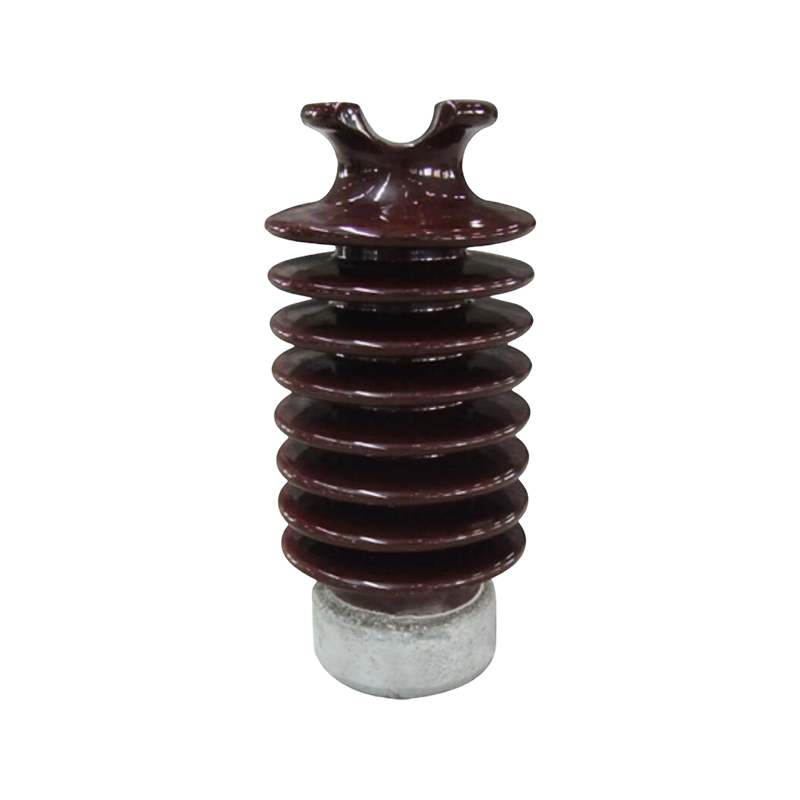
- Post insulator and bus-bar supports selection: Insulators must carry both electrical voltage stress and the mechanical tension of the reinforced aluminum strand, with creepage distance and cantilever strength matched to the voltage class (medium and low voltage or ultra-high voltage).
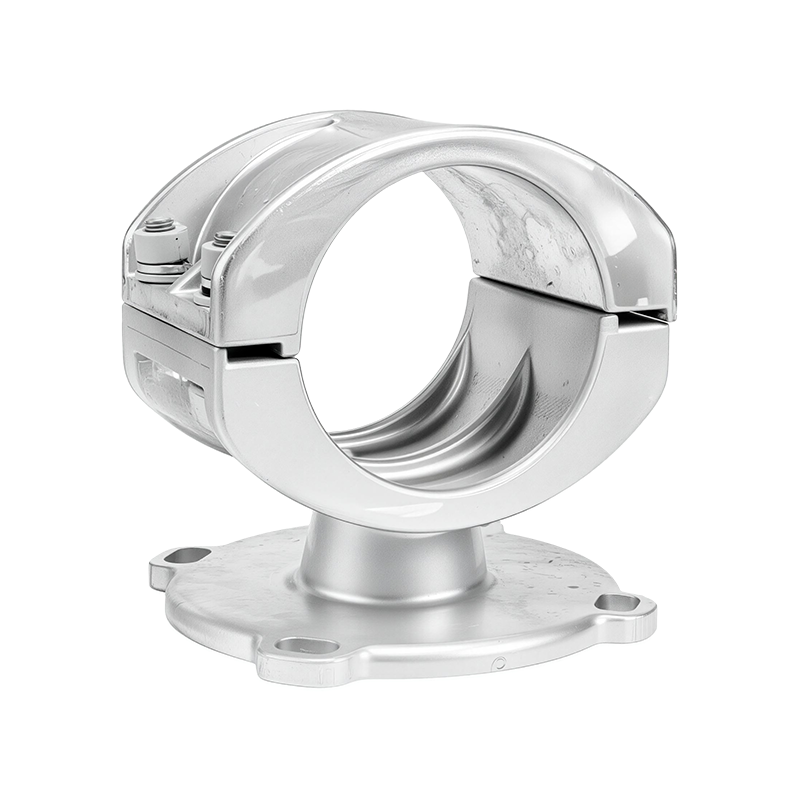
- Busbar connector compatibility: Compression-type connectors for ACSR must accommodate the bimetallic construction — aluminum outer layers over a steel core — using bi-metal or aluminum-bodied fittings to prevent galvanic corrosion at the transition to aluminum bus bar systems.
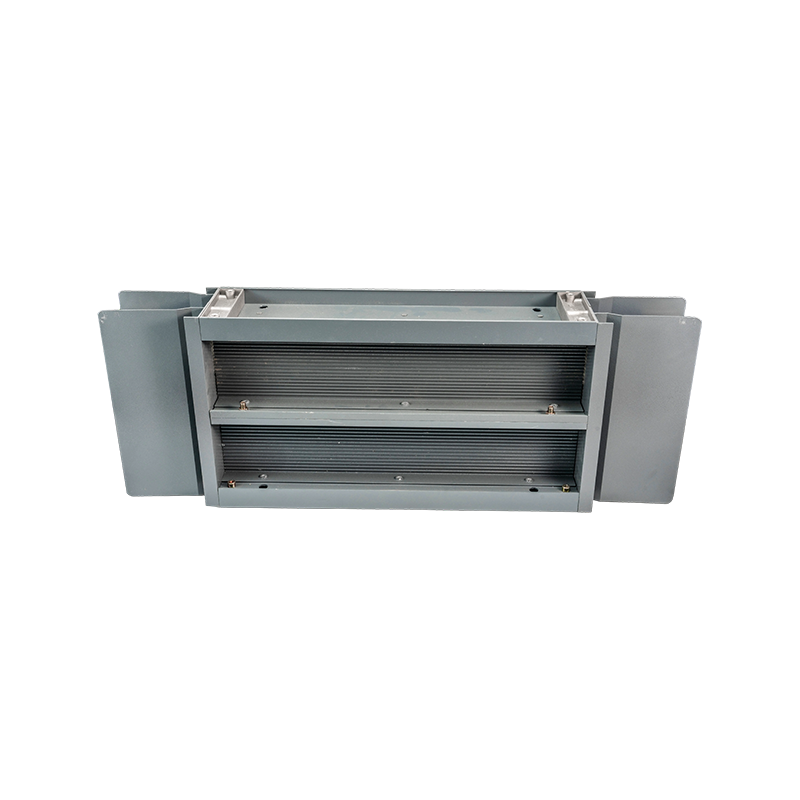
- Thermal management: At connection points between ACSR and an aluminum alloy tubular bus bar or high-density compact busway, thermal cycling creates differential expansion stress. Expansion compensation joints in the busbar system solutions absorb this movement.
For fully insulated tubular bus bar systems operating at medium and low voltage levels, the junction between overhead ACSR and enclosed busway is typically housed in a weather-protected entrance fitting, ensuring that the insulation integrity of the EPDM silicone rubber tubular bus bar or epoxy resin casting tubular bus bar section is maintained from the transition point inward.
Selecting the Right ACSR Configuration for Your Busbar System Application
Specifying reinforcing steel aluminum strand for a project involving aluminum bus bar or tubular busbar system infrastructure requires matching conductor characteristics to the application's electrical, mechanical, and environmental demands. The following framework guides selection:
| Selection Factor | Consideration | Recommended Approach |
|---|---|---|
| Current carrying capacity | Higher aluminum content increases ampacity | Choose higher Al/steel ratio (e.g., 26/7 or 54/7) for high-current busbar needs |
| Span length | Longer spans demand higher tensile strength | Select 54/19 or 84/19 for spans exceeding 500 m |
| Environmental corrosion | Coastal, industrial, or chemical exposure | Specify aluminum-clad (AW) or MA/MC core coating |
| Thermal loading | High-current lines with limited sag budget | Consider ACSS (aluminum conductor steel-supported) for HTLS (high temperature low sag) applications |
| Voltage level | Ultra-high voltage requires wider bundle spacing | Bundle two or more ACSR conductors per phase at 345 kV and above to reduce corona discharge |
For projects combining overhead ACSR with enclosed busway — such as high and low voltage busway system installations feeding industrial plants or data centers — a reinforced aluminum strand supplier with cross-category experience in both conductor and custom busbar solutions is strongly recommended to ensure mechanical and electrical compatibility across the system boundary.
Standards, Compliance, and Quality Assurance for Reinforced Aluminum Strand
Reliable performance begins with adherence to internationally recognized standards. ACSR conductors for overhead and busbar support applications are governed by:
- ASTM B232 / B232M — Standard specification for ACSR (North America)
- IEC 61089 — Round wire concentric lay overhead electrical stranded conductors
- BS EN 50182 — European standard for concentric-lay stranded conductors
- DIN 48204 — German standard for steel-reinforced aluminum conductors
- JIS C 3110 — Japanese standard for ACSR
- AS 3607 — Australian standard for ACSR conductors
For the steel core specifically, ASTM and BS EN standards mandate compliance with physical, mechanical, and electrical criteria covering density, conductivity, coefficient of linear thermal expansion, tensile strength, tensile stress at 1% elongation, and overall elongation. High-tensile variants (HS, EHS, UHS grades) and newer ultra-high-strength steel cores (S7A, S8A per IEC 63248) are increasingly specified where extended span capacity or reduced conductor cross-section is required.
When sourcing from a reinforcing steel aluminum strand manufacturer, confirm that test certificates reference the applicable standard revision and that traceability to the steel core wire mill is maintained — this is particularly important where infrastructure will be subject to regulatory inspection or where insured asset registers require material certifications.
ACSR in the Context of Modern Power Distribution Busbar Solutions
Modern electrical infrastructure increasingly integrates overhead ACSR conductors with sophisticated enclosed power distribution busbar systems — including PTFE tubular bus bar assemblies, epoxy resin casting tubular bus bar sections, and high-density compact busway — to create end-to-end power delivery chains that are both mechanically robust and fully insulated.
The reinforced aluminum strand supplier's role in such projects extends beyond simply providing wire: it includes coordinating with post insulator manufacturers, busbar connector specifiers, and tubular busbar system designers to ensure that the mechanical tension profiles, thermal expansion characteristics, and electrical clearances of the overhead conductor are properly handed off at the entrance to the enclosed busbar system solutions. This coordination becomes especially critical in ultra-high voltage magnesium-aluminum alloy tubular bus bar installations, where even minor misalignment between the overhead and enclosed sections can create mechanical stress concentrations that degrade insulation integrity over time.
The result of this holistic approach is a high-performance busway system in which the reinforcing steel aluminum strand serves not merely as a conductor, but as the structural backbone of a reliable, long-service electrical busbar system.



-
 +86-180 3625 3000
-
 admin@wpbusbar.com
-
 No. 8, Yanjin Road, Chengxi Industrial Park, Shanyang Town, Baoying County, Yangzhou City, Jiangsu Province, China
Copyright © Jiangsu Wopeng Power Technology Co., Ltd.
All Rights Reserved.
 Custom Insulated Bus Bar Manufacturer
Tubular Busbar System Factory
Custom Insulated Bus Bar Manufacturer
Tubular Busbar System Factory