

 EN
EN

 English
 русский
 Français
 Español
 عربى
عربى


What Makes Post Insulators the Backbone of Modern High-Voltage Infrastructure
Content
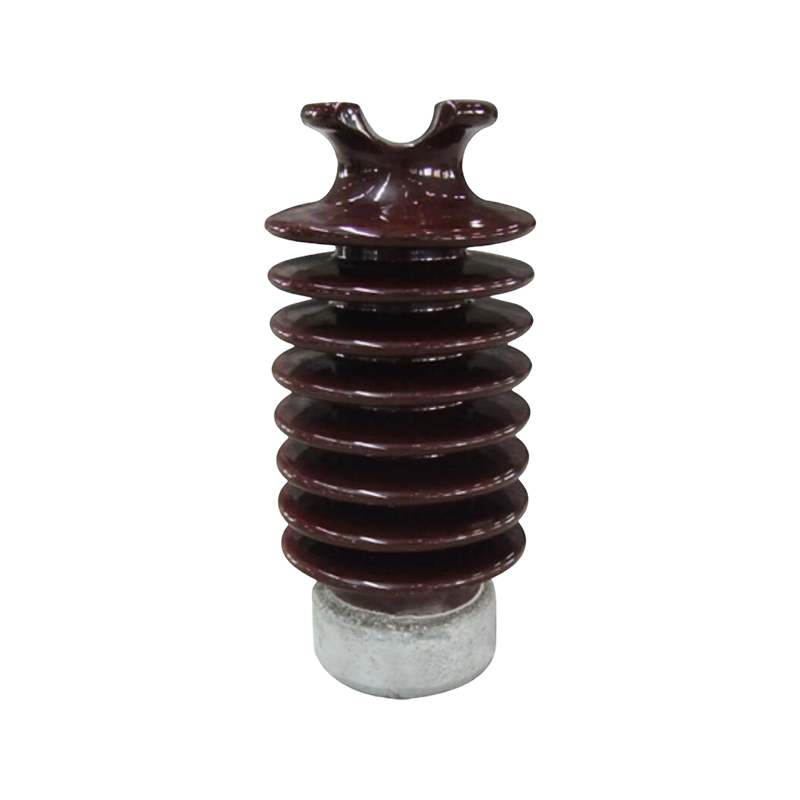
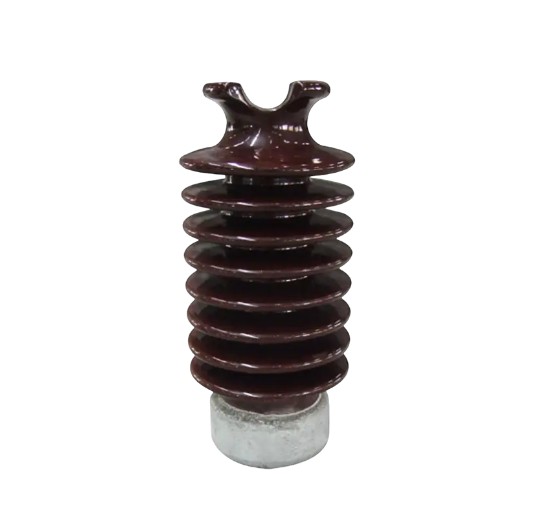
A post insulator is a rigid insulating component used in substations, transmission lines, and switchgear to support live conductors and provide electrical isolation. Despite the continuous emergence of new insulation technologies, post insulators remain the preferred solution for ensuring safe and stable grid operation in power systems up to 550kV, thanks to their proven mechanical strength and electrical performance. Their insulation resistance is typically maintained above 1.0×10¹³Ω, with a service life reaching 20 to 40 years, making them one of the most cost-effective long-term investments in power infrastructure.
Core Application Fields and Voltage Coverage
The application of post insulators spans multiple critical stages of power systems, from medium-voltage distribution to ultra-high-voltage transmission.
Substations and Switchgear
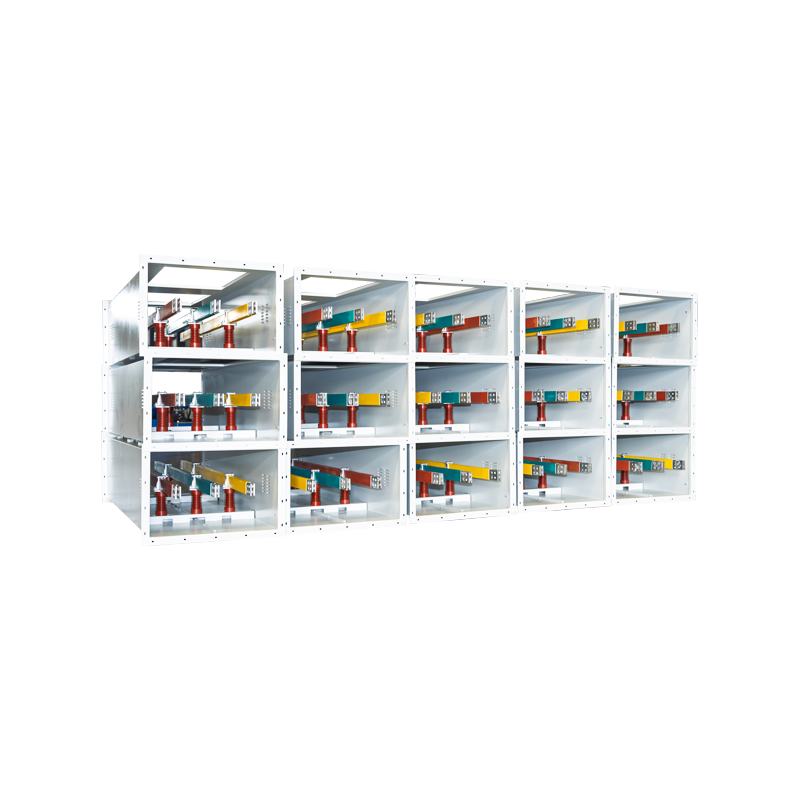
In substations, post insulators are primarily used to support busbars, disconnectors, and circuit breakers. Standard models offer bending load capacities ranging from 2kN to 20kN, meeting the outgoing line requirements of transformers with different capacities. For 550kV ultra-high-voltage substations, porcelain post insulators remain the mainstream choice due to their excellent weather resistance and mechanical stability.
Renewable Energy Power Stations
With the rapid growth of wind and photovoltaic installed capacity, the demand for post insulators in renewable energy step-up stations has risen significantly. These stations are typically located in coastal, desert, or high-altitude regions, placing higher demands on the anti-pollution and temperature-difference resistance of insulators. Composite material post insulators demonstrate stronger adaptability in such scenarios.
Industrial Power Distribution Systems
In distribution cabinets and switchgear of heavy industrial enterprises such as metallurgy and chemical industries, post insulators are used to fix and isolate current-carrying conductors. Dust, salt spray, and chemical corrosion in industrial environments pose continuous threats to insulator surfaces, so the penetration rate of anti-pollution flashover products is increasing year by year.
Material Technology Comparison and Selection Recommendations
The current market for post insulators is dominated by two major technical routes: porcelain and composite polymer, each with distinct performance focuses suitable for different operating environments.
| Comparison Dimension | Porcelain / Ceramic Insulator | Composite Polymer Insulator |
|---|---|---|
| Applicable Voltage Level | 1kV – 550kV | 1kV – 220kV |
| Mechanical Strength | High, excellent bending performance | Lightweight yet high strength |
| Weather & Pollution Resistance | Excellent weather resistance | Outstanding anti-pollution flashover performance |
| Weight & Installation | Heavy, requires reinforced foundation | Lightweight, easy to transport and install |
| Typical Application Scenarios | UHV substations, conventional outdoor stations | Coastal, high-pollution, high-humidity areas |
From a selection perspective, 550kV ultra-high-voltage scenarios are still dominated by porcelain insulators; while in 220kV and below projects located in coastal, industrial pollution, or high-humidity environments, the market share of composite polymer insulators is expanding rapidly. For stations requiring frequent maintenance or located in inaccessible areas, the lightweight advantage of composite materials can significantly reduce operation and maintenance costs.
Key Performance Indicators and Long-Term Reliability Verification
The reliability of post insulators is directly related to the safe operation of the power grid, and their core performance must be verified through rigorous type tests and long-term operational data.
Electrical Insulation Performance
High-quality post insulators must maintain insulation resistance stably above 1.0×10¹³Ω to ensure no leakage current exceedance or surface flashover occurs at rated voltage. Under wet and contaminated conditions, composite polymer materials, due to their hydrophobicity, show significantly smaller flashover voltage reduction than porcelain materials—a characteristic particularly critical during rainy seasons or in coastal salt spray environments.
Mechanical Load Capacity
The standard bending load design range for post insulators is typically 2kN to 20kN. Selection must comprehensively consider the combined effects of conductor tension, wind load, ice load, and short-circuit electrodynamic force. For large-span or heavy-ice-area lines, it is recommended to select reinforced products with bending loads above 16kN and reserve adequate safety margins.
Service Life and Aging Mechanisms
Under normal operating conditions, the design service life of post insulators is 20 to 40 years. Aging of porcelain insulators mainly manifests as mechanical strength decay and glaze deterioration; composite polymer insulators require attention to silicone rubber shed powdering, hardening, and core rod embrittlement. Regular infrared temperature measurement, ultrasonic testing, and hydrophobicity detection are effective means to extend their service life.
Industry Technology Evolution and Future Trends
The post insulator industry is evolving toward high performance, intelligence, and greenization, with the integration of new materials and detection technologies reshaping product forms.
Continuous Optimization of Composite Materials
The formulations of high-temperature vulcanized silicone rubber (HTV) and room-temperature vulcanized silicone rubber (RTV) coatings are continuously improved. The application of new fillers and coupling agents has enhanced the tracking and erosion resistance of composite insulators by more than 30%. Some manufacturers have already launched composite post insulators applicable to 363kV and above, gradually penetrating the ultra-high-voltage field.
Integration of Intelligent Monitoring Technology
Smart post insulators with built-in strain gauges, temperature sensors, and leakage current sensors have entered the pilot application stage. These devices can monitor mechanical load, surface temperature, and insulation degradation status in real time, enabling the transition from periodic maintenance to condition-based maintenance. Industry estimates suggest that the普及 of intelligent monitoring technology can reduce unplanned outages caused by insulator failures by 40% to 60%.
Environmental and Recyclability Requirements
With the advancement of global grid carbon neutrality goals, energy consumption control during insulator production and end-of-life recycling are receiving increasing attention. The raw materials for porcelain insulators (high-alumina bauxite, quartz, etc.) are widely available and recyclable; composite insulators face technical challenges in separating and recycling core rod resin and silicone rubber, with pyrolysis and chemical degradation methods being current research hotspots.
Procurement and Operation & Maintenance Best Practices
For power utilities and engineering contractors, scientific procurement decisions and maintenance strategies are key to ensuring the long-term reliable operation of post insulators.
Supplier Qualification Verification Checklist
- Whether complete type test reports are available, including electrical, mechanical, and thermal-mechanical test data
- Whether there is a track record in high-voltage applications, particularly operational records under target voltage levels and climatic conditions
- Whether the raw material supply chain is stable, and whether porcelain sintering or polymer vulcanization processes are mature and controllable
- Whether the quality management system has passed ISO 9001 and power industry-specific certifications
On-Site Installation and Routine Maintenance
- Before installation, inspect the insulator appearance for cracks, glaze defects, or shed damage, and verify that the creepage distance meets the pollution grade requirements
- Use torque wrenches when tightening bolts to avoid stress concentration in porcelain parts or seal failure at composite insulator ends due to over-tightening
- After commissioning, conduct outage cleaning and hydrophobicity testing every 1 to 3 years; shorten the cycle to annually in heavy pollution areas
- Establish individual insulator records, documenting factory parameters, test data, and maintenance history to support condition assessment



-
 +86-180 3625 3000
-
 admin@wpbusbar.com
-
 No. 8, Yanjin Road, Chengxi Industrial Park, Shanyang Town, Baoying County, Yangzhou City, Jiangsu Province, China
Copyright © Jiangsu Wopeng Power Technology Co., Ltd.
All Rights Reserved.
 Custom Insulated Bus Bar Manufacturer
Tubular Busbar System Factory
Custom Insulated Bus Bar Manufacturer
Tubular Busbar System Factory