

 EN
EN

 English
 русский
 Français
 Español
 عربى
عربى
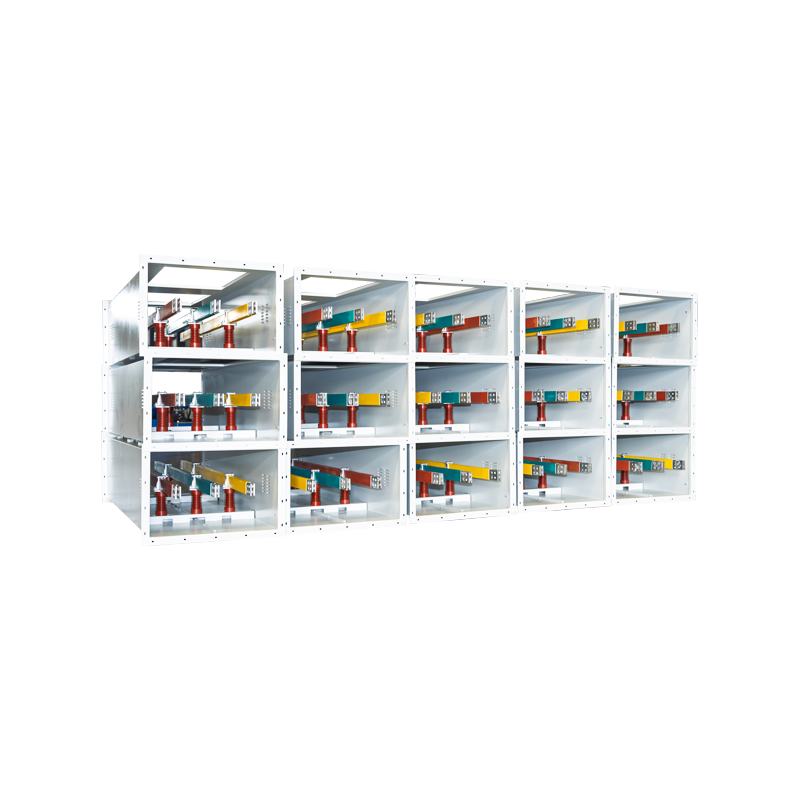


How to Choose the Right Bus Bar for Medium and Low Voltage Systems?
How to Choose the Right Bus Bar for Medium and Low Voltage Systems
The direct answer: choose your bus bar by first confirming the voltage class, then sizing for continuous current rating and short-circuit withstand, selecting the conductor material, and finally matching the insulation and enclosure to the installation environment. Whether you are finalizing a low voltage busbar design for a commercial switchboard or specifying a medium voltage bus bar system for a utility substation, these four steps prevent the most common and costly specification errors. This guide covers every decision point with specific data and practical examples.
Voltage Classification: The Starting Point for Every Bus Bar Decision
Before any other parameter is considered, the operating voltage of the system must be established. Voltage classification defines insulation requirements, creepage distances, clearance distances, and the applicable design standards. Specifying a bus bar without confirming voltage class first leads to under-insulated designs or unnecessarily over-engineered and heavy assemblies.
The internationally accepted classification under IEC 60038 divides power systems into two principal categories relevant to bus bar design:
- Low voltage (LV): Systems operating at or below 1,000 V AC (or 1,500 V DC). Governed primarily by IEC 61439-1/2 for switchgear assemblies. Typical applications include switchboards, motor control centers, distribution boards, and data center power distribution units.
- Medium voltage (MV): Systems operating between 1 kV and 36 kV AC. Governed by IEC 62271-1 and IEC 62271-200 for metal-enclosed switchgear. Typical applications include primary substations, wind and solar farm collection systems, industrial plant main incomers, and utility feeder switchgear.
The engineering implications of this classification are significant. A medium voltage bus bar system at 12 kV must withstand a lightning impulse test voltage of 75 kV BIL (Basic Insulation Level) per IEC 62271-1, while a 690 V low voltage bus bar is tested at only 8 kV impulse. The required creepage distance for a 12 kV system in a Pollution Degree 3 environment is approximately 300 mm phase-to-earth, compared to only 25–32 mm for 690 V LV equipment. These differences drive enclosure size, insulation material choice, and bus bar spacing — meaning the voltage class decision affects virtually every downstream design parameter.
Continuous Current Rating and Cross-Section Sizing
After confirming the voltage class, continuous current rating is the next critical parameter. The bus bar must carry the maximum continuous load current without exceeding the maximum allowable conductor temperature — typically 90°C for insulated bus bars and 105°C for bare copper bus bars at bolted contact points per IEC 61439 and IEC 62271-1.
Current rating depends on conductor material, cross-sectional area, surface area for heat dissipation, ambient temperature, enclosure ventilation, and installation orientation. The reference ambient temperature for most IEC standards is 40°C. For sites where ambient temperature regularly exceeds 40°C — such as desert or tropical locations — a derating factor must be applied. As a general guide, each 10°C increase in ambient above 40°C requires approximately 8–12% derating of the continuous current rating.
The table below provides indicative continuous current ratings for copper bus bars at standard ambient conditions, covering a range of cross-sections relevant to both low voltage busbar design and medium voltage bus bar system applications:
| Size (mm × mm) | Cross-Section (mm²) | Indicative Rating (A) | Current Density (A/mm²) | Typical Application |
|---|---|---|---|---|
| 25 × 5 | 125 | 250–300 | 2.0–2.4 | Sub-distribution boards, branch circuits |
| 50 × 6 | 300 | 600–700 | 2.0–2.3 | Motor control centers, LV panel main bus |
| 80 × 10 | 800 | 1,400–1,600 | 1.75–2.0 | Main LV distribution switchboard |
| 100 × 10 | 1,000 | 1,800–2,200 | 1.8–2.2 | LV switchgear main busbar, busduct riser |
| 120 × 12 | 1,440 | 2,600–3,000 | 1.8–2.1 | High-current MV/LV interface, generator bus |
For medium voltage bus bar systems, current density is typically held between 1.5 and 2.0 A/mm² for enclosed copper bus bars to remain within thermal limits. Exceeding this range without verified thermal testing leads to accelerated insulation degradation and contact oxidation at bolted joints.
It is important to note that these ratings are indicative. The actual rating for a specific assembly must be verified by type testing or verified calculation per IEC 61439-1 Annex D for LV systems, or thermal modeling per IEC 62271-1 for MV systems. Do not apply catalog ratings directly to enclosed installations without accounting for enclosure thermal derating.
Short-Circuit Withstand Current: A Non-Negotiable Design Parameter
A bus bar that is correctly sized for continuous current can still fail catastrophically during a fault if the short-circuit withstand rating is insufficient. Short-circuit current generates two simultaneous stresses: thermal stress from I²t heating, and mechanical stress from electromagnetic forces between adjacent conductors.
Thermal Withstand Sizing
The thermal withstand requirement is expressed as a rated short-time withstand current (Icw) for a defined duration — typically 1 second for medium voltage equipment and 1 second or 0.2 seconds for low voltage assemblies under IEC 61439. Typical Icw values range from 10 kA to 63 kA for medium voltage switchgear and from 10 kA to 100 kA for low voltage assemblies.
Using the adiabatic heating formula A = I × √t / K, where K for copper is approximately 141 A·s^0.5/mm² and for aluminum approximately 87 A·s^0.5/mm², a system with a 40 kA fault level for 1 second requires a minimum copper cross-section of approximately 284 mm². For a 25 kA / 1 s fault, the minimum copper cross-section is approximately 177 mm². Always verify that your selected bus bar cross-section satisfies the fault level from the system short-circuit study — not from a generic table.
Electromagnetic Force Between Parallel Conductors
During a fault, the peak short-circuit current (typically 2.5 times the RMS symmetrical fault current for asymmetrical peak per IEC 62271-100) generates electromagnetic forces between adjacent phase conductors proportional to I²/d, where d is the conductor separation. For a 40 kA RMS fault with a peak of 100 kA, two parallel conductors spaced 150 mm apart on a 500 mm span experience a peak force of approximately 6,700 N/m. Bus bar supports, insulator cantilever ratings, and conductor cross-section must all be verified against this force to prevent mechanical failure during fault clearing.
Conductor Material Selection: Copper vs Aluminum
The choice between copper and aluminum conductors affects current density, weight, joint reliability, and long-term maintenance requirements. Both materials are used in medium voltage bus bar systems and low voltage busbar design, but their respective strengths suit different application contexts.
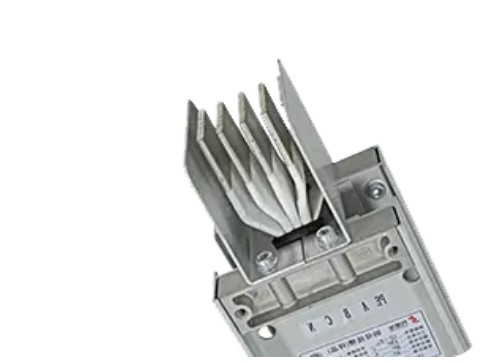
Copper Bus Bars
Electrolytic tough pitch copper (designation C11000 or Cu-ETP) achieves an electrical conductivity of ~100% IACS. Its high conductivity allows compact cross-sections, which is critical in space-constrained switchgear assemblies. Copper also exhibits excellent resistance to oxidation at contact surfaces, lower contact resistance at bolted joints over the service life, and better mechanical creep resistance under sustained bolt clamping force compared to aluminum. For these reasons, copper is the default conductor material for indoor medium voltage switchgear, low voltage switchboards, and motor control centers where enclosure space is limited and joint reliability over a 30-year service life is paramount.
Aluminum Bus Bars
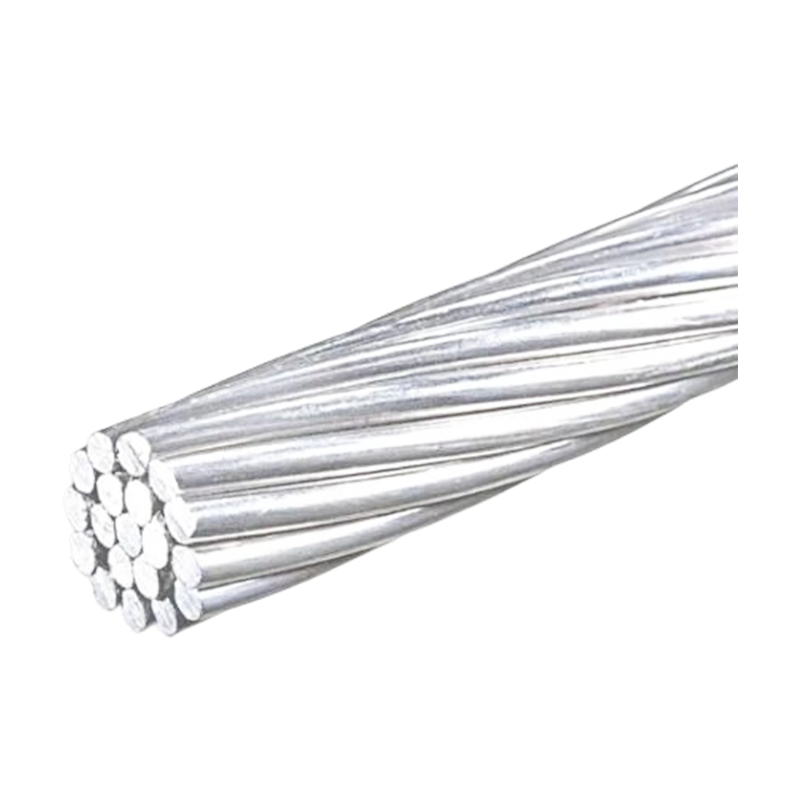
Aluminum alloy conductors (typically 1350-H19 for electrical grade or 6063-T6 for structural bus bar applications) achieve approximately 61% IACS conductivity — meaning an aluminum bus bar requires roughly 64% more cross-sectional area than a copper bus bar to carry the same current. However, aluminum has a density of approximately 2.7 g/cm³ compared to copper's 8.9 g/cm³, giving aluminum a significant weight advantage for long-run busduct systems and outdoor substation structures. A 150 mm × 10 mm aluminum bus bar weighs approximately 4.1 kg/m, compared to approximately 13.4 kg/m for a copper bar of equivalent current capacity. For outdoor bus structures where reducing insulator and gantry loading is a structural design goal, aluminum is frequently the more practical choice.
When aluminum bus bars are bolted to copper equipment terminals — such as transformer bushings or circuit breaker pads — bi-metallic transition connectors and conductive joint compound are mandatory to prevent galvanic corrosion and maintain low contact resistance over time.
Insulation Selection for Low Voltage and Medium Voltage Applications
Insulation selection is one of the most consequential decisions in bus bar specification. Insulation failures account for a significant proportion of switchgear service interruptions and safety incidents. The correct insulation system must be matched to the operating voltage, ambient environment, thermal class, and the physical form of the bus bar assembly.
Low Voltage Insulation Systems
For low voltage busbar design at voltages up to 1,000 V AC, the following insulation systems are most commonly specified:
- PVC sleeving: Standard for 690 V AC systems; rated to 70°C or 105°C depending on grade. Low cost and easy to apply. Suitable for clean indoor environments with moderate humidity.
- Heat-shrink polyolefin tubing: Provides a conforming, moisture-resistant insulation layer; rated for 600 V to 1 kV; available in dual-wall versions with internal adhesive sealant for improved environmental protection at IP54 or higher enclosures.
- Epoxy powder coating: Applied electrostatically and cured to produce a hard, uniform coating with dielectric strength of approximately 20–25 kV/mm. Provides both electrical insulation and mechanical surface protection. Widely used for flat bus bars in compact switchgear assemblies.
- Air insulation with phase barriers: For bus bars within metal-enclosed assemblies, phase-to-phase and phase-to-earth insulating barriers (typically made from glass-reinforced polyester or polycarbonate sheet) provide required clearances without applying insulation directly to the conductor. This approach is common in large LV switchboards where bus bars may need to be inspected or re-torqued in service.
Medium Voltage Insulation Systems
A medium voltage bus bar system requires substantially more robust insulation. At 12 kV, the phase-to-earth operating voltage is approximately 6.9 kV RMS, and the system must withstand a 75 kV lightning impulse and a 28 kV power frequency test voltage per IEC 62271-1.
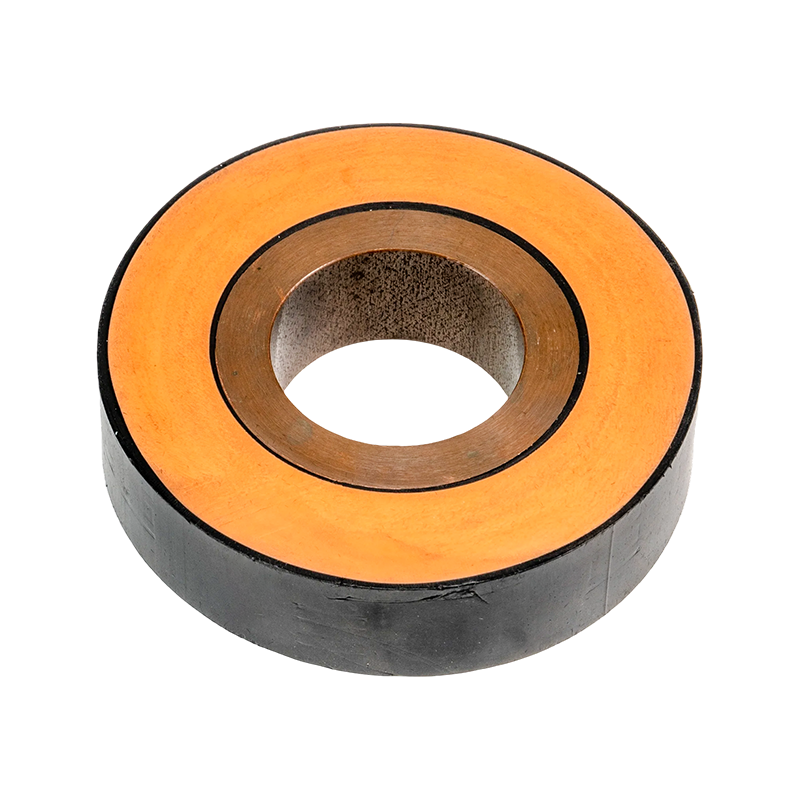
- Cast epoxy resin insulation: Used in fully insulated and screened (FIS) bus duct systems for 12–36 kV. The entire bus bar is encapsulated in cast epoxy, eliminating air gaps and providing reliable performance in high humidity, polluted, or condensing environments. Particularly suited for coastal industrial sites and underground substation applications.
- Cross-linked polyethylene (XLPE) insulation: Applied to prefabricated medium voltage busduct. Rated for continuous operating temperatures up to 90°C and short-circuit temperatures up to 250°C. Provides good moisture resistance and mechanical flexibility for installations with limited routing space.
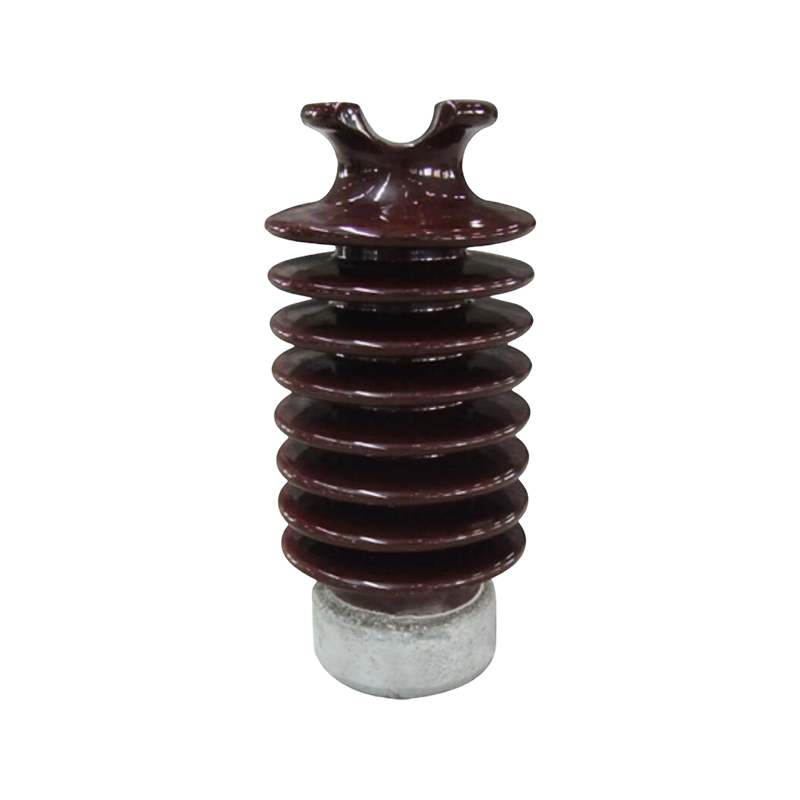
- Air insulation with solid spacers: The traditional approach in metal-clad and metal-enclosed switchgear. Phase-to-earth and phase-to-phase clearances are maintained by epoxy resin or porcelain support insulators. Creepage distances must comply with IEC 60071 requirements for the site pollution level — at Pollution Degree 3, a minimum of 25 mm per kV phase-to-earth is required.
- SF6 gas insulation: Used in gas-insulated switchgear (GIS) where the entire bus bar system is enclosed in a grounded metallic enclosure filled with SF6 gas at approximately 3–5 bar absolute pressure. SF6 has a dielectric strength approximately 2.5 times that of air at atmospheric pressure, allowing dramatically reduced enclosure dimensions. This approach is used where space is severely constrained, such as urban underground substations and offshore platform switchrooms.
Enclosure Type, IP Rating, and Thermal Derating
The enclosure housing the bus bar system has a direct effect on the achievable current rating. Higher IP ratings restrict airflow through the enclosure, reducing convective heat dissipation from the bus bar surface and requiring the bus bar to be derated from its open-air rating.
As a practical guide for enclosed bus bar current rating derating based on IP class:
- IP31 / IP42 (standard indoor switchgear): Minimal restriction to natural ventilation. Derating factor approximately 0.90–1.00 relative to open-air rating.
- IP54 (dust and splash-proof): Reduced ventilation openings. Typical derating factor 0.85–0.90, representing a 10–15% reduction in current capacity.
- IP65 / IP66 (fully sealed): No ventilation openings; heat dissipation limited to conduction through enclosure walls. Derating factor typically 0.75–0.85. For high-current bus bars in IP65 enclosures, forced air cooling or liquid-cooled busduct may be required to maintain the bus bar within thermal limits.
- NEMA 4X (corrosion-resistant sealed): Similar thermal restriction to IP66. Commonly specified for food processing, pharmaceutical, and marine applications where washdown and chemical resistance are required.
When engaging a medium low voltage busbar supplier for a project involving IP54 or higher enclosures, provide the enclosure IP rating and internal volume at the enquiry stage so that the supplier can incorporate the correct derating factor into their current rating calculations. Retroactively applying derating after the bus bar is specified frequently results in underrated assemblies that fail type testing.
Bus Bar Configuration: Flat, Tubular, and Busduct Formats
Bus bars are available in several physical formats, each suited to different voltage classes, current ranges, and installation methods. Understanding the differences allows the correct format to be specified from the outset rather than adapted after the switchgear layout is fixed.
Flat Rectangular Bar
The most widely used format for low voltage busbar design. Available in widths from 12 mm to 200 mm and thicknesses from 3 mm to 20 mm in copper or aluminum. Multiple flat bars can be stacked in parallel to increase current rating — a common approach in high-current LV switchgear where space in one dimension is limited. For example, two 100 mm × 10 mm copper bars in parallel can carry approximately 3,600–4,400 A, effectively doubling the single-bar rating with a modest increase in assembly height.
Tubular Round Bar
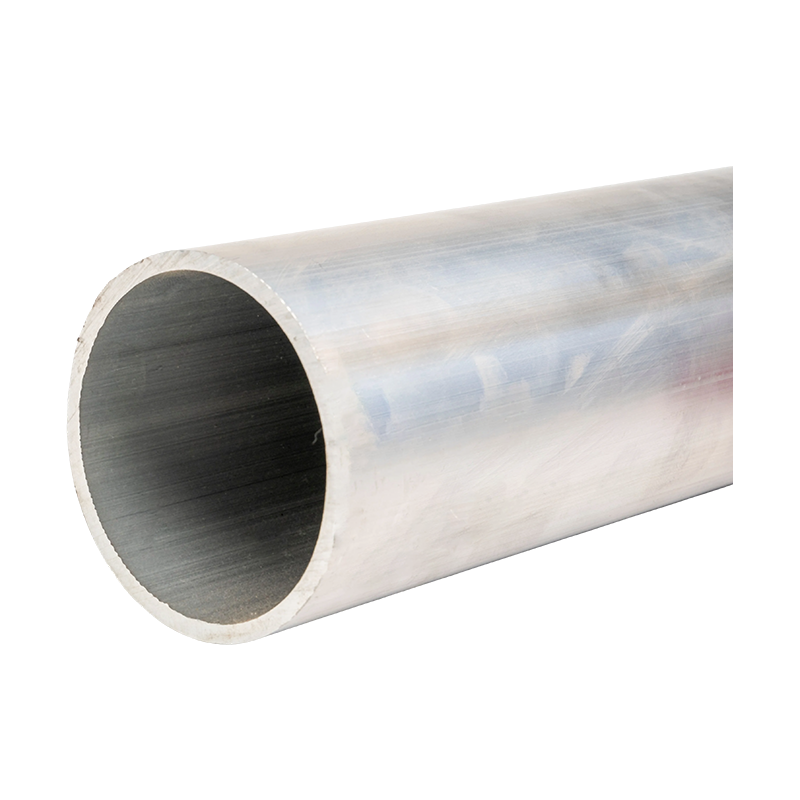
Round tubular conductors (typically 6063-T6 or 6101-T61 aluminum alloy, or C11000 copper) are the standard format for outdoor medium voltage bus bar systems in air-insulated substations. The tubular profile maximizes surface area-to-mass ratio for heat dissipation, provides high section modulus per unit weight for spanning between support insulators, and at voltages above 66 kV, the smooth round surface reduces corona inception through uniform electric field distribution. Tubular bus bars for 110–500 kV substation applications typically range from 80 mm to 200 mm OD with wall thicknesses of 6–15 mm.
Busduct (Busway)
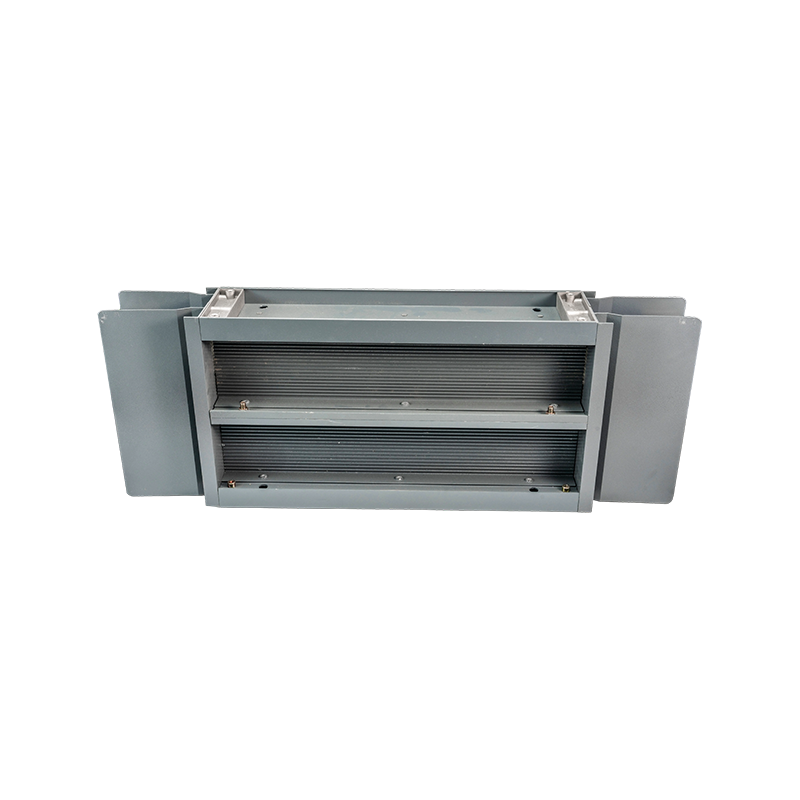
Prefabricated busduct systems consist of flat or tubular bus bars enclosed within a factory-assembled metallic housing, available in ratings from approximately 400 A to 6,300 A for LV applications and up to 40 kA for generator and transformer connections. Busduct offers the advantages of consistent factory-verified current ratings, factory-applied insulation and phase barriers, and rapid site installation compared to field-fabricated bus bar runs. For medium voltage applications, cast resin insulated busduct rated at 12–36 kV is used in situations where a cable alternative would require an impractical number of parallel cables and where a compact, inspectable route is needed.
Applicable Standards and Compliance Requirements
Compliance with the appropriate standard is a project approval requirement, not an optional quality enhancement. The standard that governs the bus bar assembly determines the type tests that must be witnessed, the routine tests required on every unit, and the documentation that the end user or authority having jurisdiction (AHJ) will require for commissioning approval.
- IEC 61439-1 and IEC 61439-2: Cover low voltage switchgear and controlgear assemblies. IEC 61439-1 is the general rules standard; IEC 61439-2 addresses power switchgear and controlgear assemblies (PSC-assemblies). Type tests include temperature rise verification, short-circuit withstand, dielectric withstand, and degree of protection (IP) testing.
- IEC 62271-1 and IEC 62271-200: Cover medium voltage switchgear and controlgear. IEC 62271-200 specifically addresses AC metal-enclosed switchgear from 1 kV to 52 kV, including type tests for the internal arc classification (IAC) — an increasingly required specification for personnel protection in occupied switchrooms. IAC ratings of AFLR 16 kA for 1 second or 25 kA for 1 second are commonly specified for indoor MV switchgear in commercial and industrial projects.
- UL 857 (Busways): North American standard for busway systems up to 600 V AC, 6,000 A. Required for projects in the United States and Canada where busduct is used for power distribution in buildings or industrial plants.
- GB/T 5585.1 / 5585.2: Chinese national standards for copper and aluminum bus bars for electrical purposes. Required for projects in China and relevant when sourcing from a medium low voltage busbar supplier manufacturing to Chinese national standards.
- IEEE Std 605: IEEE guide for bus design in air-insulated substations. Provides the calculation methodology for current rating, short-circuit force, and mechanical span design of tubular and flat bus bar systems in outdoor substation structures. Widely used in North American utility projects and for projects in regions where IEEE rather than IEC standards are the contractual basis.
When issuing enquiries to a medium low voltage busbar supplier, state the governing standard, the required type test evidence, and whether third-party witnessed testing or third-party certified test reports are acceptable. For critical infrastructure projects, specifying original type test certificates from accredited test laboratories (KEMA, CESI, CPRI, or equivalent) rather than manufacturer-only test declarations reduces project risk substantially.
Environmental and Site-Specific Considerations
Environmental conditions at the installation site affect bus bar material selection, insulation type, surface treatment, and maintenance intervals. Failing to account for site conditions at the specification stage results in premature insulation degradation, accelerated corrosion at bolted joints, and shortened service life.
Ambient Temperature and Altitude
For sites above 1,000 m altitude, air density decreases and with it the dielectric strength of air and the convective cooling effectiveness. IEC 62271-1 requires correction of both the dielectric test voltages and the current rating for altitude above 1,000 m. A site at 2,000 m altitude requires an altitude correction factor of approximately 0.94 applied to the rated dielectric withstand voltage, meaning equipment rated at 28 kV power frequency withstand at sea level must be re-verified at the reduced air density of altitude. Current derating of approximately 5% per 1,000 m above 1,000 m is a widely applied starting-point estimate pending detailed thermal calculation.
Corrosion Environment
The ISO 9223 corrosion category of the installation site governs the required surface protection of bus bar conductors, support hardware, and enclosures. For sites in corrosion category C3 (moderate — urban industrial inland) or below, standard mill finish copper or anodized aluminum bus bars with conductive joint compound at bolted connections are typically adequate. For C4 (high — coastal industrial) or C5-M (very high — marine offshore), tin or silver plating at all contact zones, hard anodizing of aluminum surfaces, and stainless steel or hot-dip galvanized support hardware are required. In petrochemical and chemical plant environments, additional consideration must be given to resistance to specific process chemicals, which may require specifying enclosure materials and gasket compounds resistant to hydrogen sulfide, chlorine, or ammonia as applicable.
Seismic Zone Requirements
For medium voltage bus bar systems installed in seismic zone 2 or higher (per IBC or equivalent national code), the bus bar support structure, insulator cantilever ratings, and enclosure anchorage must be verified against the design earthquake ground acceleration. Seismic qualification per IEEE 693 (for utility substations) or IEC 62271-300 (for indoor switchgear) may be required by the project specification. In high seismic zones, flexible connections between bus bar sections and between the bus bar and equipment terminals are particularly important to prevent damage from differential movement during ground shaking events.
Evaluating a Medium Low Voltage Busbar Supplier
The technical specification of a bus bar system is only as reliable as the manufacturing and quality control processes of the supplier who produces it. Selecting a capable and transparent medium low voltage busbar supplier is an integral part of the procurement process, not a secondary consideration.
- Type test documentation: Request original type test certificates — not just references to test reports — covering temperature rise, short-circuit withstand, dielectric performance, and degree of protection for the specific current rating and voltage class of the bus bar system being supplied. Certificates should identify the test laboratory, test date, and the exact product configuration tested.
- Material certification and traceability: The supplier should provide mill test certificates confirming conductor alloy grade, temper, chemical composition, and electrical conductivity for each production batch. For copper, confirm C11000 (Cu-ETP) or equivalent; for aluminum, confirm 1350-H19, 6063-T6, or 6101-T61 as applicable.
- Dimensional consistency: Request dimensional inspection records or first article inspection (FAI) reports confirming that the bus bar cross-section, straightness, and hole positioning (for pre-drilled bars) are within the specified tolerance. Width and thickness tolerances of ±0.5 mm or better are typical for precision switchgear bus bars.
- Surface treatment capability: Confirm whether tin plating, silver plating, or hard anodizing is performed in-house or subcontracted. In-house surface treatment gives the supplier direct control over plating thickness, adhesion, and coverage — a meaningful quality advantage over subcontracted processing.
- Quality management system: ISO 9001 certification is the baseline. For utility and critical infrastructure projects, ask for evidence of recent customer audits, non-conformance report (NCR) rates, and corrective action records. A supplier willing to share quality performance data provides greater assurance than one who can only offer a certificate number.
- Lead time and delivery reliability: Confirm production lead times for the specific alloy, cross-section, and value-added processing (cutting, drilling, plating) required. For project-critical bus bar components, ask for evidence of on-time delivery performance and clarify the supplier's approach to managing raw material availability during periods of supply chain constraint.
Installation and Maintenance Practices That Protect Long-Term Performance
A correctly specified bus bar system can still underperform if installation and maintenance practices are inadequate. The most common installation-related causes of bus bar degradation are poorly prepared bolted joints, incorrect bolt torque, and unaccommodated thermal expansion.
Bolted Joint Preparation and Torque
At every bolted bus bar connection, clean both contact surfaces to bright metal with a stainless steel wire brush immediately before assembly. Apply conductive joint compound (zinc-based for aluminum, petroleum-based for copper) to both surfaces. Tighten bolts to the manufacturer's specified torque — typically 20–30 Nm for M10 bolts and 40–60 Nm for M12 bolts in copper-to-copper connections. Use Belleville spring washers under bolt heads and nuts at all aluminum bus bar connections to compensate for the aluminum creep relaxation that occurs under sustained compressive load at elevated temperatures.
Thermal Expansion Management
Copper has a coefficient of thermal expansion of approximately 17 × 10⁻⁶ /°C; aluminum approximately 23 × 10⁻⁶ /°C. On a 20-meter aluminum bus run, a temperature change of 70°C — from cold ambient during commissioning to full-load summer operating temperature — produces approximately 32 mm of linear expansion. If this movement is not accommodated by sliding support clamps and flexible expansion joints at appropriate intervals, the resulting compressive stress causes buckling of the conductor, damage to support insulators, and progressive loosening of bolted connections. Flexible expansion joints should be installed at intervals not exceeding 30–40 meters on straight bus runs and at every connection to fixed equipment terminals.
Thermographic Inspection
Infrared thermographic surveys of bus bar bolted joints under operating load are the most cost-effective maintenance tool for identifying developing high-resistance connections before they cause thermal damage or service interruption. For medium voltage bus bar systems and high-current low voltage assemblies, thermographic inspection should be performed at commissioning and repeated at intervals of not more than 12 months for critical circuits. A joint running more than 10°C above adjacent connections at equivalent load indicates elevated contact resistance requiring investigation and remediation.
Frequently Asked Questions



-
 +86-180 3625 3000
-
 admin@wpbusbar.com
-
 No. 8, Yanjin Road, Chengxi Industrial Park, Shanyang Town, Baoying County, Yangzhou City, Jiangsu Province, China
Copyright © Jiangsu Wopeng Power Technology Co., Ltd.
All Rights Reserved.
 Custom Insulated Bus Bar Manufacturer
Tubular Busbar System Factory
Custom Insulated Bus Bar Manufacturer
Tubular Busbar System Factory