

 EN
EN

 English
 русский
 Français
 Español
 عربى
عربى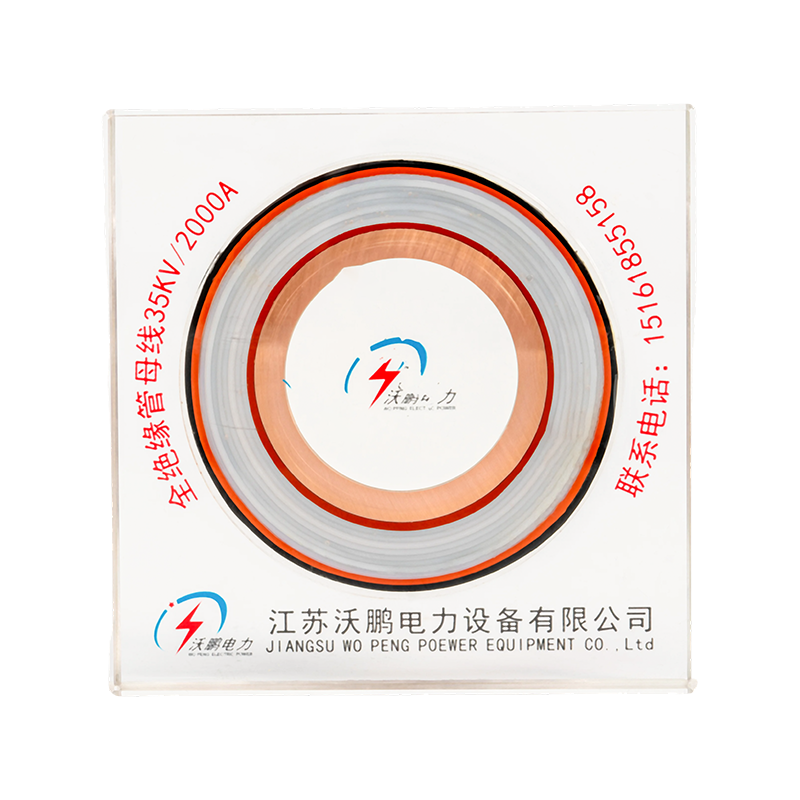
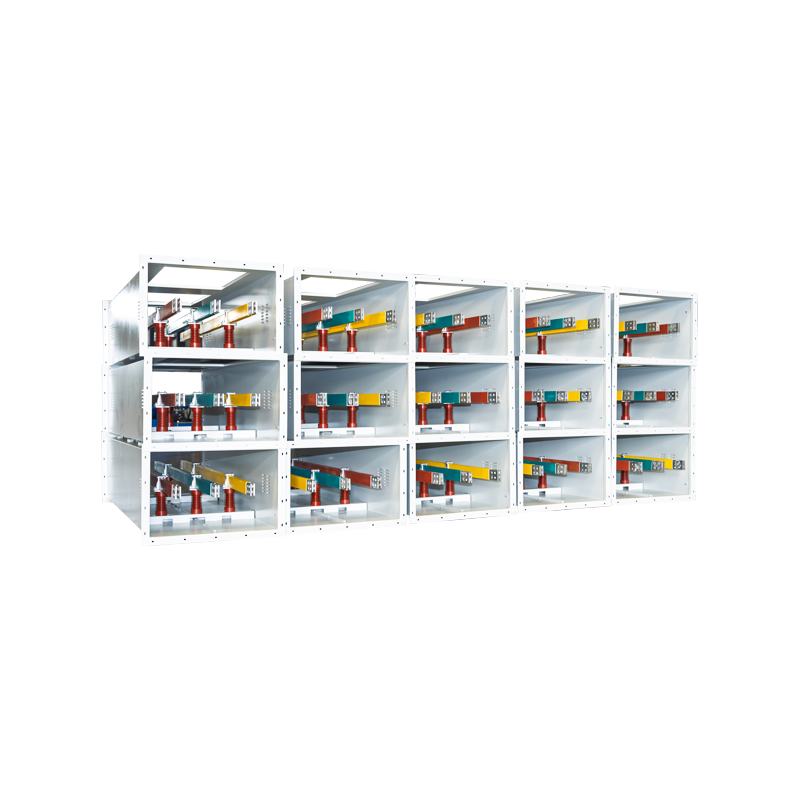


What Is a Fully Insulated Tubular Bus Bar and Where Is It Used?
What Is a Fully Insulated Tubular Bus Bar and Where Is It Used?
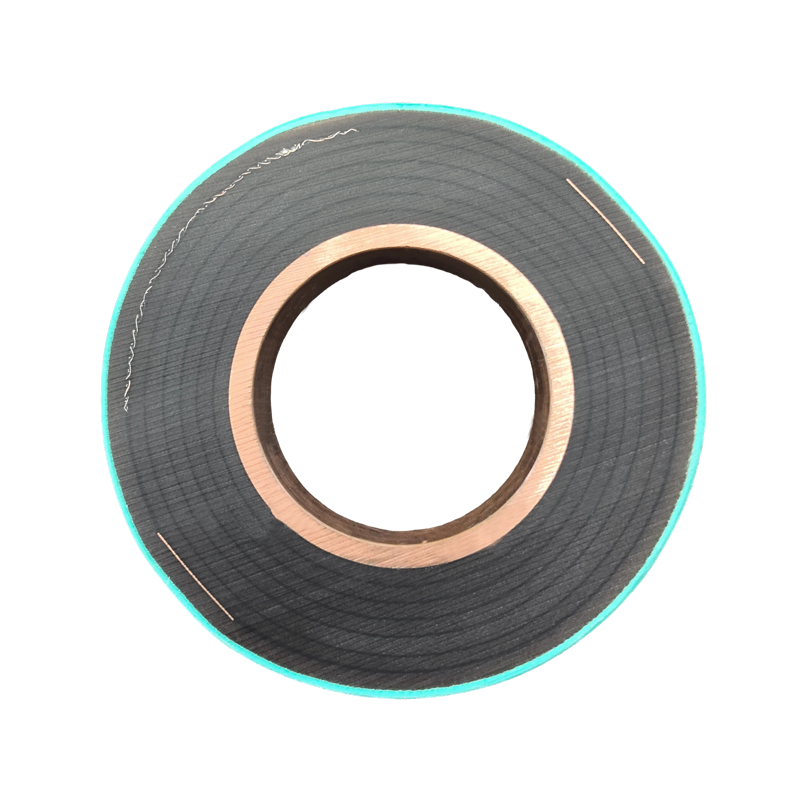
A fully insulated tubular bus bar is a rigid, cylindrical electrical conductor enclosed within a continuous dielectric insulation system, engineered to transmit high levels of electrical current with enhanced safety, minimal footprint, and reliable protection against environmental and mechanical stresses. Unlike conventional open-air busbars, the fully insulated variant wraps each conductor in a robust insulating layer — typically cross-linked polyethylene (XLPE), epoxy resin, or silicone rubber — that prevents accidental contact, suppresses partial discharge, and permits tighter conductor spacing in confined installations. In short: it delivers the power-carrying capacity of a traditional busbar while satisfying the dielectric requirements of modern high-density electrical infrastructure.
These systems are deployed wherever compact, reliable, and safe power distribution is non-negotiable — from urban substations and industrial plants to data centers, offshore platforms, and mass-transit rail networks. The global installed base of insulated tubular busbars has expanded significantly alongside urban densification and the rapid growth of renewable energy infrastructure, making an in-depth understanding of their design, performance characteristics, and application logic increasingly important for electrical engineers and project developers alike. The sections below explore construction details, electrical performance benchmarks, installation environments, lifecycle management, comparative analysis with alternative bus systems, and key specification criteria.
Construction and Core Components of a Tubular Bus Bar Insulation System
Understanding the anatomy of a tubular busbar insulation system is essential before evaluating its suitability for a specific application. Every component in the assembly serves a distinct electrical or mechanical function, and the performance of the overall system is only as good as the weakest individual element.
The Conductor Core
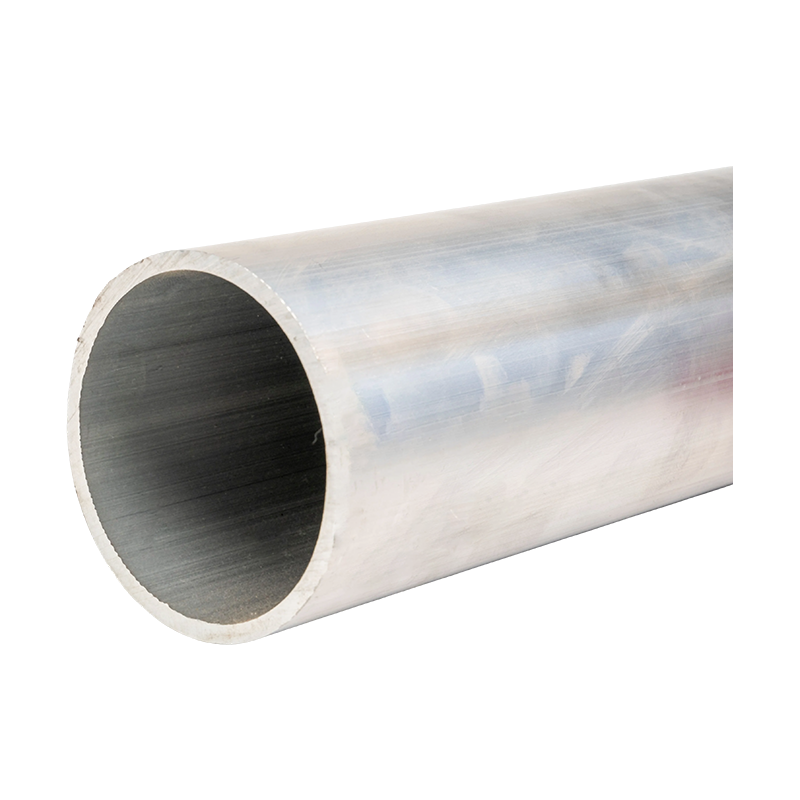
The inner conductor is fabricated from electrolytic-grade copper (99.9% purity, per EN 1977) or aluminum alloy (6101-T6 series per ASTM B317). Copper is preferred where current density is paramount — it offers an electrical conductivity of approximately 58 MS/m, compared to aluminum's 35 MS/m. However, aluminum reduces overall system weight by roughly 50–60%, a decisive advantage for long horizontal runs, seismic-sensitive buildings, or offshore topside installations where structural load is constrained. Conductor outer diameters commonly range from 40 mm to 250 mm, and the tubular (hollow) geometry is deliberate: at power frequencies (50 Hz or 60 Hz), current concentrates near the outer surface of the conductor due to the skin effect. The skin depth in copper at 50 Hz is approximately 9.3 mm, meaning that a solid conductor more than about 18 mm in diameter provides minimal additional current-carrying benefit at its core. Removing that redundant core material reduces mass and material cost without sacrificing ampacity.
The Insulation Layer
The insulation layer is the defining element of a fully insulated tubular bus bar. Its thickness and material class directly determine the voltage rating, service environment, and expected life of the product. Common insulation materials and their engineering characteristics are as follows:
- XLPE (Cross-Linked Polyethylene): Dielectric strength ~20 kV/mm, maximum continuous conductor temperature 90°C, excellent moisture and chemical resistance. The standard choice for medium-voltage applications up to 36 kV.
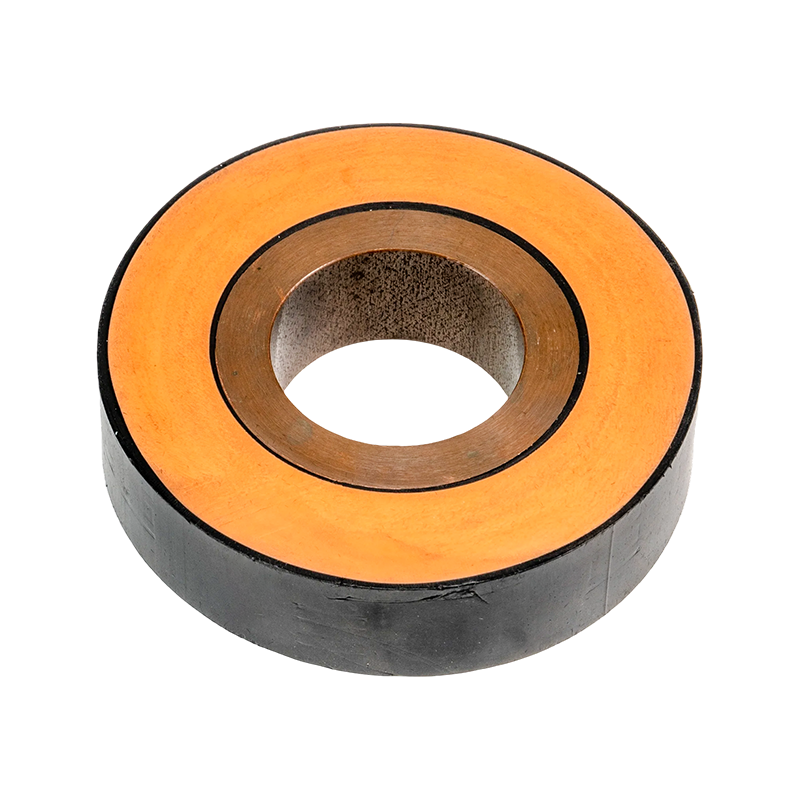
- Epoxy Resin Cast Insulation: Mechanical rigidity, outstanding surface tracking resistance (Comparative Tracking Index greater than 600 in Grade I resins per IEC 60112), and dimensional stability. Widely used in indoor GIS-connected bus systems and gas-insulated switchgear.
- Silicone Rubber: Superior hydrophobic surface properties that self-recover after pollution episodes, flexibility down to -60 degrees Celsius, and UV resistance. The preferred choice for direct outdoor service on high-humidity coastlines or in desert environments with high thermal cycling.
- Heat-Shrink Polymer Sleeves (Joint Kits): Applied over pre-fabricated joints and terminations using controlled heat to provide seamless insulation continuity at the most vulnerable points of the busbar run.
- EPDM (Ethylene Propylene Diene Monomer): Used in some medium-voltage applications for its excellent ozone resistance and long-term elasticity, particularly for flexible connection sections and expansion joints.
Insulation thickness is calculated from the specified impulse withstand voltage (BIL) and the electric field distribution at the conductor surface. For a 12 kV system (Um = 12 kV, BIL = 75 kV), XLPE insulation thickness is typically 3.5 to 5 mm. For a 36 kV system (Um = 36 kV, BIL = 170 kV), this extends to 8 to 12 mm. These thicknesses assume a uniform field geometry; irregularities at conductor joints must be carefully smoothed to avoid field enhancement that could trigger premature partial discharge activity.
Support Structures, Enclosures, and Accessories
Insulated conductors are held in position by epoxy or glass-reinforced polymer (GRP) support insulators, spaced at intervals determined by the short-circuit withstand force calculation. For a three-phase system with a 40 kA/1s rating, support spacing is typically 1.5 to 2.5 meters, depending on conductor weight and the calculated peak electromagnetic force between phases. An outer metallic enclosure — aluminum (EN AW-6061) or hot-dip galvanized steel — is used in outdoor or cable-duct installations to provide mechanical protection, UV shielding, and, in screened designs, a grounded electromagnetic shield that reduces stray electric field radiation and electromagnetic interference (EMI) affecting nearby instrumentation or control cables.
Standard accessory items in a complete tubular busbar insulation system include: 90-degree and 45-degree elbows, T-branch units for ring main configurations, expansion joints with flexible braid connectors, phase transposition sections, and sealed end caps at transformer or switchgear termination points. Each of these components is type-tested to the same dielectric and short-circuit standards as the main straight sections, ensuring system-level integrity.
Insulation Material Properties: Side-by-Side Comparison
Choosing the right insulation material requires balancing dielectric performance, mechanical properties, thermal rating, and environmental resistance. The table below provides a quantitative comparison of the four main insulation materials used in fully insulated tubular bus bar systems.
| Table 1: Key engineering properties of the four principal insulation materials used in tubular busbar systems. Data based on typical manufacturer datasheets and IEC material standards. | ||||
| Property | XLPE | Epoxy Resin | Silicone Rubber | EPDM |
| Dielectric Strength (kV/mm) | 18 – 22 | 14 – 18 | 12 – 20 | 16 – 20 |
| Max. Continuous Conductor Temp. (°C) | 90 | 100 – 120 | 150 | 90 |
| Min. Operating Temp. (°C) | -40 | -40 | -60 | -50 |
| Comparative Tracking Index (CTI) | 250 – 350 | 600+ (Grade I) | 600+ (self-clean) | 400 – 500 |
| Water Absorption (% by weight) | < 0.01 | 0.05 – 0.2 | < 0.1 | < 0.1 |
| Relative Permittivity at 50 Hz | 2.2 – 2.4 | 3.5 – 4.5 | 2.5 – 3.0 | 2.5 – 3.2 |
| Mechanical Form | Semi-rigid | Rigid | Flexible | Flexible |
| Outdoor UV Resistance | Good (with carbon black) | Moderate | Excellent | Good |
| Typical Application Voltage Range | Up to 36 kV | Up to 145 kV (GIS) | Up to 36 kV outdoor | Up to 24 kV |
Electrical Performance Parameters of High Voltage Tubular Bus Bar Systems
The electrical performance of a high voltage tubular bus bar system is characterized by several interdependent parameters that engineers must verify against project specifications before procurement and installation. Overlooking any one of these parameters during the design phase creates risk that typically surfaces during commissioning or, worse, during service.
Current-Carrying Capacity (Ampacity)
Fully insulated tubular busbars are engineered to carry continuous currents ranging from 1,000 A to over 8,000 A, depending on conductor cross-section and the thermal properties of the insulation system. Because the insulation jacket reduces heat dissipation to the surrounding air compared to a bare conductor in free air, designers must apply a derating factor — typically 0.85 to 0.95 — when computing ampacity in enclosed trunking or underground installations. Active cooling via forced air or a water-jacket system can extend the continuous current rating by 20 to 40% for peak-demand scenarios in generator output busbars or high-current rectifier feeders serving electrolytic processes.
Short-Circuit Withstand Rating
Short-circuit withstand is expressed in kiloamperes (kA) over a defined duration, typically 1 second or 3 seconds. Standard ratings for medium-voltage insulated tubular busbars include 25 kA/1s, 31.5 kA/1s, and 40 kA/1s. The mechanical forces generated during a three-phase bolted fault are proportional to the square of the peak current and inversely proportional to the phase spacing. The peak asymmetrical fault current can reach 2.5 to 2.7 times the RMS symmetrical value in circuits with low X/R ratios. Insulated systems that permit tighter phase spacing must therefore be engineered with support clamps and tie bars capable of withstanding the full peak electromagnetic force — a calculation that cannot be omitted even when the insulation itself adequately covers the conductors.
Dielectric Withstand and Partial Discharge
Routine factory testing includes a power-frequency withstand voltage test (typically 2U0 + 1 kV for 1 minute per IEC 62271-1) and a partial discharge (PD) measurement at 1.73 times U0. Acceptable PD levels must be below 10 pC at the specified test voltage, conforming to IEC 60270. Systems exceeding this threshold indicate insulation voids, contaminants, or delamination at the conductor-insulation interface — defects that would accelerate dielectric aging and reduce operational life. A lightning impulse withstand voltage (LIWV) test — applying 1.2/50 microsecond waveforms at the specified peak voltage — is also required as a type test, confirming the busbar's ability to survive transient overvoltages from lightning or switching events on the connected network.
Temperature Rise Limits
Per IEC 62271-1 and IEEE C37.20.2, the maximum permissible temperature rise for insulated busbars at bolted connection points with silver-plated surfaces is 65 K above a 40°C ambient, giving an absolute conductor temperature ceiling of 105°C. XLPE insulation is rated for a maximum conductor temperature of 90°C under continuous load and 130°C under short-circuit thermal stress of up to 5 seconds duration. Exceeding these limits — even transiently — initiates irreversible chemical degradation of the polymer chain structure that reduces the effective remaining service life of the insulation.
Resistance and Power Loss per Unit Length
For a copper tubular conductor with an outer diameter of 100 mm and wall thickness of 8 mm at 75°C, the AC resistance per unit length at 50 Hz is approximately 0.035 milliohms per meter, accounting for skin effect and proximity effect corrections. At a continuous current of 3,000 A, this corresponds to a joule heating loss of approximately 315 W/m for the three-phase system — a figure with direct implications for substation cooling loads and energy efficiency calculations over a 30-year service life. Aluminum conductors of equivalent ampacity will have approximately 1.6 times higher resistance per meter than copper, offset by their lower installation weight and reduced structural loading.
Continuous Current Rating by Conductor Diameter: Reference Chart
The chart below illustrates the relationship between conductor outer diameter, conductor material (copper versus aluminum), and typical continuous current rating for fully insulated tubular busbars installed in free air at a 40°C ambient temperature. These values are representative and must be confirmed against manufacturer thermal calculations for specific installation conditions.
Figure 1: Indicative continuous current ratings (A) for copper and aluminum XLPE-insulated tubular busbars at five conductor diameter classes, in free-air installation at 40°C ambient. Values are representative; detailed thermal calculations per IEC 60287 are required for each project.
Comparison: Fully Insulated Tubular Bus Bar vs. Other Busbar Technologies
Selecting the right busbar technology requires a clear-eyed comparison across multiple performance dimensions. The table below provides a structured overview of the key differences between fully insulated tubular busbars, conventional bare rigid busbars, and sandwiched (laminated) busbar systems — the three most commonly specified rigid busbar technologies in power distribution projects.
| Table 2: Comparative overview of three busbar technologies across eleven engineering and operational criteria. Ratings are general assessments based on IEC standards and typical project experience. | |||
| Criteria | Fully Insulated Tubular Bus Bar | Bare Rigid Bus Bar | Sandwiched / Laminated Bus Bar |
| Voltage Range | Up to 36 kV (MV) / 145 kV (HV GIS) | Primarily LV (< 1 kV) | LV to MV (up to 15 kV) |
| Continuous Current Range | 1,000 A – 8,000+ A | 200 A – 5,000 A | 200 A – 6,000 A |
| Phase Clearance Required | 50 – 100 mm (insulated) | 300 – 600 mm at 12–36 kV | 20 – 50 mm |
| Touch Safety | High — full insulation coverage | Low — physical barriers required | Medium — partial coverage |
| Contamination Resistance | Excellent (fully sealed conductor) | Poor (open conductor surface) | Good |
| EMI / Stray Field Emission | Low (screened designs available) | High | Low |
| Installation Flexibility | Medium — rigid with elbows/T-joints | Low — large clearance zones required | High — flexible configurations |
| Ingress Protection (IP) | Up to IP67 (underground) | IP00 (open) to IP20 | IP40 – IP55 |
| Maintenance Requirements | Low — periodic PD + IR testing | High — cleaning, re-torque joints | Low to Medium |
| Typical Service Life | 30 – 40 years | 25 – 35 years | 20 – 30 years |
| Best Suited For | MV/HV, confined spaces, harsh environments | LV, large open substations | LV power electronics, compact drives |
The data above illustrates that the fully insulated tubular bus bar occupies a distinct performance niche: it is the technology of choice when both high current capacity and elevated voltage are required in a space-constrained or personnel-accessible environment. Sandwiched busbars serve well in dense LV power electronics assemblies, while bare rigid busbars remain the straightforward solution for large, well-ventilated outdoor substation structures where exclusion zones and clearances are not a limiting constraint.
Primary Application Sectors and Installation Environments
The design advantages of the tubular busbar insulation system translate directly into strong demand across a wide range of industries. Below is an in-depth review of six principal application environments where the fully insulated tubular bus bar has become the preferred or standard solution.
Urban and Indoor Substations
Urban substations are increasingly built underground or within multi-story building basements, where space is extremely limited and members of the public may be in close proximity. Fully insulated tubular busbars reduce the required phase clearance by up to 70% compared to bare conductor systems, enabling substations to be designed with floor areas 30 to 50% smaller than equivalent open-air configurations. A representative 33/11 kV urban indoor substation using insulated tubular busbars in the 11 kV distribution section can route a 2,500 A three-phase busbar run through a corridor only 600 mm wide — geometrically impossible with bare conductors at that voltage level. The sealed insulation system also eliminates the need for periodic cleaning of insulator surfaces that would otherwise accumulate dust or moisture in basement environments, reducing the ongoing maintenance burden on urban network operators.
Industrial Plants: Steel Mills, Petrochemical Facilities, and Aluminum Smelters
Heavy industries demand busbars capable of continuously supplying 4,000 A to 8,000 A to arc furnaces, electrolytic cells, and large motor drive starting circuits. In environments with airborne conductive particles — carbon dust in steel mills, coke fines in petrochemical refineries, or alumina powder in smelters — bare busbars are a contamination and surface-tracking hazard. Fully insulated tubular busbars rated IP54 or higher (per IEC 60529) are the standard industrial solution. The enclosed structure also withstands vibration levels up to 2g typical near heavy rotating machinery and reciprocating compressors, without requiring the wide separation distances that bare conductor systems demand for safe operation in vibrating environments.
Data Centers and Mission-Critical Facilities
Hyperscale data centers require dense, high-reliability medium-voltage power distribution from utility transformers to main distribution boards. With total facility loads now routinely exceeding 100 MW at the largest campuses, main feeders must carry several thousand amperes at 11 kV or 33 kV through densely routed cable trays that also contain sensitive control and power conditioning equipment. Insulated tubular busbars allow these feeders to share routing corridors with other infrastructure without risk of accidental flashover or EMI interference. Their sealed construction also supports compliance with Tier III and Tier IV data center availability standards, which require that maintenance of power distribution equipment can be performed while IT equipment operates — a requirement that inherently demands touch-safe, fully enclosed conductors.
Offshore Oil and Gas Platforms
Offshore platforms present some of the most hostile electrical installation environments: salt spray, relative humidity up to 100%, hydrogen sulfide gas, explosive atmospheres, and severe structural vibration from wave action and rotating machinery. Fully insulated tubular busbars with silicone rubber insulation and stainless steel or GRP enclosures have become the standard for topsides power distribution on FPSOs and fixed platforms. Their sealed construction prevents salt ingress, and the absence of accessible energized conductor surfaces reduces arc flash risk in areas classified as IEC Zone 1 or Zone 2 under the ATEX/IECEx explosive atmosphere framework — where an arc ignition event could have catastrophic consequences for personnel and asset integrity.
Mass-Transit Rail Systems
Metro, light rail, and high-speed rail traction substations use fully insulated tubular busbars in both the 25 kV AC and the 1.5 kV/3 kV DC distribution sections. These installations must withstand vibration and shock loads from train passages — oscillations at up to 5 Hz with peak accelerations of 3g are common in cut-and-cover underground structures. Compact installation profile is critical in tunnels where civil construction costs scale with tunnel cross-sectional area: every centimeter saved in busbar assembly diameter across kilometers of tunnel length represents a measurable reduction in civil engineering costs. The maintenance-free service life of the insulated system is also particularly valuable in underground rail environments where access for maintenance activities is operationally constrained.
Renewable Energy Generation and Grid Integration
Large solar photovoltaic farms and offshore wind projects collect power at medium voltage (33 kV or 66 kV) before stepping up for grid transmission. Within offshore substation platforms — where total structural weight affects the cost and feasibility of the support foundation — fully insulated tubular busbars in the 33 kV collector bus and the 132/220 kV HV bus sections deliver meaningful weight and space savings versus gas-insulated switchgear (GIS). Their ability to operate in high-humidity marine environments without pressurized gas systems also reduces maintenance complexity and eliminates the handling risks associated with SF6 gas, which faces increasing regulatory scrutiny due to its exceptionally high global warming potential.
Standards, Testing Requirements, and Certification Framework
Compliance with international and regional standards is mandatory for every fully insulated tubular bus bar system used in public infrastructure or safety-critical industrial applications. The following are the primary standards governing design, testing, and installation:
- IEC 62271-209: Cable connections for gas-insulated metal-enclosed switchgear rated above 52 kV — applicable to HV tubular bus systems integrated with GIS.
- IEC 62271-203: Gas-insulated metal-enclosed switchgear for rated voltages above 52 kV — covers insulated bus duct sections used in high-voltage substations.
- IEC 62271-1: General rules for high-voltage switchgear and controlgear — temperature rise limits, short-circuit ratings, and dielectric tests for connected busbar assemblies.
- IEEE C37.23: North American standard for metal-enclosed bus — construction requirements, test procedures, and service conditions for medium-voltage insulated bus systems.
- IEC 60529: Ingress protection (IP) classification — IP54 for indoor industrial, IP65 for outdoor, and IP67 for underground or submersible installations.
- IEC 60270: Partial discharge measurement techniques — the key factory acceptance test for every insulated busbar section before shipment.
- IEC 60287: Electric cables — calculation of the current rating. The methodology applies directly to insulated tubular busbars to determine ampacity under specified installation conditions.
- IEC 60815: Pollution performance of insulators — defines pollution severity classes (I–IV) and minimum specific creepage distances for outdoor insulated busbar designs.
Type tests — conducted on representative manufactured samples by accredited independent laboratories — include: dielectric withstand (power frequency and lightning impulse), temperature rise under rated continuous current, short-circuit withstand at rated kA and duration, mechanical endurance including vibration and seismic qualification, and fire behavior per IEC 60331 for systems routed in safety-critical paths. Routine factory tests are performed on every manufactured unit and include at minimum a power-frequency withstand test and a partial discharge measurement. Projects in certain jurisdictions may require additional national certification marks beyond the IEC type test evidence, so confirming local regulatory requirements early in the project specification phase avoids delays at the procurement and customs clearance stages.
| Table 3: Factory versus type test requirements for fully insulated tubular bus bar systems, with applicable IEC standard references. | ||||
| Test Category | Specific Test | Standard | Frequency | Acceptance Criterion (example: 12 kV) |
| Routine (Factory) | Power-Frequency Withstand | IEC 62271-1 | Every unit | 28 kV / 1 min, no flashover |
| Routine (Factory) | Partial Discharge Measurement | IEC 60270 | Every unit | < 10 pC at 1.73 脳 U鈧€ |
| Type Test | Lightning Impulse Withstand (LIWV) | IEC 62271-1 | Design qualification | 75 kV peak (1.2/50 碌s), no breakdown |
| Type Test | Temperature Rise | IEC 62271-1 | Design qualification | Max. 65 K rise at rated current |
| Type Test | Short-Circuit Withstand | IEC 62271-1 | Design qualification | 25 kA / 1 s, no structural failure |
| Type Test | IP Classification | IEC 60529 | Design qualification | IP54 or above per specification |
Installation, Jointing, and Long-Term Maintenance Practices
Proper installation of a tubular busbar insulation system directly determines its operational service life. Well-designed systems that are incorrectly installed will underperform; systems of even modest specification that are correctly installed and maintained can achieve 40-year service lives.
Jointing and Termination Methods
The bolted joint is the most critical point in any insulated busbar run. Silver-plated or tin-plated copper contact surfaces are torqued to manufacturer-specified values — commonly 60 to 80 Nm for M12 A4 stainless steel bolts — to achieve a contact resistance below 10 microohms per joint. The insulation is then restored over the joint zone using cold-shrink or heat-shrink sleeve kits, or factory-molded joint housings filled with room-temperature-vulcanizing (RTV) silicone, ensuring full dielectric continuity at the most geometrically complex section of the busbar run. A poorly executed joint can create a local hot spot that degrades insulation at a rate several times the nominal design life aging rate — making joint workmanship training and quality verification a non-negotiable element of any project quality plan.
Thermal Expansion Compensation
Copper expands at approximately 17 times 10 to the minus 6 per degree Celsius. A 10-meter copper busbar run experiencing a 60 K temperature rise from cold shutdown to full load will extend by approximately 10 mm. Without expansion joints or sliding support clamps at appropriate intervals — typically every 15 to 20 meters — this movement transmits mechanical stress to fixed connection points, potentially loosening bolted joints or initiating fatigue cracking at conductor-to-clamp interfaces. Engineers must account for the full thermal cycle from the minimum installation ambient temperature (as low as -40°C in high-latitude climates) to the maximum conductor temperature under sustained rated load, multiplied by the number of daily load cycles expected over the 30-year design life.
In-Service Condition Monitoring
Modern fully insulated tubular bus bar systems increasingly incorporate embedded online partial discharge monitoring sensors — capacitively coupled or acoustic emission type — providing continuous dielectric health data to SCADA or asset management platforms. A rising PD trend above 50 to 100 pC provides weeks to months of advance warning before a dielectric failure occurs, enabling planned maintenance outages rather than unplanned forced outages. Infrared thermographic surveys through purpose-designed access panels — conducted under rated load conditions — remain the most cost-effective tool for identifying developing joint hot spots. A best-practice maintenance schedule typically combines annual thermographic surveys, biennial partial discharge measurements, and joint torque verification at five-year intervals.
End-of-Life Recyclability
At end of service, the copper or aluminum conductor retains its full commodity metal value and is recycled through established smelting routes. The polymer insulation requires separation from the metal before recycling and is processed through mechanical shredding followed by energy recovery or specialist depolymerization. Projects with sustainability targets should note that aluminum conductor busbars have a significantly lower embodied carbon per ampere-meter than copper under lifecycle assessment — particularly when post-consumer recycled aluminum (requiring only 0.7 kWh/kg versus 14 to 17 kWh/kg for primary production) is used as the conductor material.
Design Selection Criteria: How to Specify a Fully Insulated Tubular Bus Bar
When specifying a high voltage tubular bus bar system, engineers must define a complete and unambiguous set of application parameters. Incomplete specifications are the primary source of misapplication, delivery delays, and costly re-engineering on project sites.
- Rated voltage (Um) and insulation level: Specify the highest voltage for equipment, the power-frequency withstand voltage, and the lightning impulse withstand voltage. For a 12 kV system: Um = 12 kV, 28 kV (1 min PF withstand), 75 kV BIL.
- Rated continuous current (Ir) and ambient conditions: Maximum continuous current under worst-case ambient conditions including installation method — in free air, in enclosed trunking, or underground.
- Short-circuit current and duration: Both the RMS symmetrical fault current (Isc) and the peak asymmetrical current (ip = k times root-2 times Isc), with the peak factor k typically 1.7 to 2.0 at 50/60 Hz.
- Environmental class: Indoor or outdoor, operating temperature range, humidity class, pollution degree per IEC 60664, seismic zone, and any chemical exposure (salt fog, H2S, UV, aggressive vapors).
- Conductor material: Copper or aluminum, based on weight, ampacity, and jointing compatibility with the connected equipment terminals.
- Run geometry: Total length, number of elbows (90-degree, 45-degree, or custom), T-branches, expansion joints, and any flexible sections needed to accommodate structural movement or seismic displacement.
- Applicable standards and partial discharge acceptance criterion: Explicitly state which IEC, IEEE, or national standards govern design, testing, and installation, and confirm the PD acceptance level (typically less than 10 pC at 1.73 times U0).
Providing this complete information in a technical specification document enables manufacturers to perform full engineering calculations — including short-circuit electromagnetic force analysis, temperature rise simulation per IEC 60287, and insulation coordination per IEC 60071-1 — before submitting a design for client approval. Projects where these parameters are not fully defined in the specification consistently experience scope changes, re-engineering costs, and delivery schedule impacts that a thorough upfront specification would have prevented.
Common Failure Modes and How the Insulated Design Addresses Them
Even well-engineered busbar systems can fail if subjected to conditions outside their design envelope or if installed without adequate workmanship control. Understanding the primary failure modes — and the specific ways in which the insulated tubular design mitigates or shifts them — is valuable for operations and maintenance teams responsible for long-term asset reliability.
Contamination-Induced Tracking and Flashover
In bare busbar systems, surface contamination — conductive dust, condensation, or saline deposits — can form a resistive current path between conductors or from conductor to ground, eventually initiating a surface flashover. The continuous insulation jacket of a fully insulated tubular busbar eliminates the exposed conductor surface entirely, making contamination-induced tracking impossible on the main conductor body. The residual vulnerability is relocated to exposed termination points at switchgear connections, where properly installed joint kits with high CTI-rated materials and adequate creepage distances are the line of defense that must be specified and verified during installation quality inspection.
Thermal Overload and Joint Degradation
Bolted joints with insufficiently torqued or inadequately prepared contact surfaces develop elevated contact resistance. A joint with 100 microohms contact resistance — ten times the acceptable limit — carrying 2,000 A will locally dissipate 40 W in a small area, initiating a thermal runaway cycle: heating causes oxidation, which raises resistance further, generating more heat. The insulation surrounding the joint ages exponentially faster with temperature per the Arrhenius model — approximately doubling the degradation rate for every 8 to 10°C increase above the rated temperature. Annual infrared thermographic surveys under rated load conditions are the proven and cost-effective countermeasure for identifying developing joint problems before they cause a forced outage.
Insulation Aging and Water Ingress
Polymer insulations degrade through combined thermal, electrical, and environmental stress over time. Water ingress at end terminations or through mechanically damaged insulation accelerates electrochemical water treeing — a process where moisture-filled micro-channels grow through the insulation toward the conductor under the sustained electric field gradient. Trees as short as 2 to 3 mm extending into a 5 mm insulation wall represent a significant reduction in available dielectric strength. Maintaining the mechanical integrity of end seals and joint kits, monitoring for rising PD activity, and promptly replacing insulation found to have mechanical damage are essential elements of a proactive maintenance strategy for insulated busbar systems operating beyond 15 years in service.
Frequently Asked Questions About Fully Insulated Tubular Bus Bars
Q1: What is the maximum voltage rating available for a fully insulated tubular bus bar?
A1: Fully insulated tubular busbars using solid polymer insulation are commercially available and type-tested for voltage classes up to 145 kV (the highest voltage for equipment in the 132 kV nominal voltage system). At this level, XLPE insulation thickness reaches 20 to 25 mm, and manufacturing void-free insulation at that wall thickness is a demanding quality control challenge. Above 145 kV, gas-insulated bus duct using SF6 or compressed clean air as the insulating medium becomes the industry-standard approach, as pressurized gas provides a uniform, defect-free dielectric that is significantly more consistent to quality-assure at manufacturing scale than very thick solid polymer. For the vast majority of power distribution projects — operating at 6 kV to 36 kV — solid polymer insulated tubular busbars are fully adequate and represent the technically preferred solution when compact dimensions and low maintenance requirements are key project priorities.
Q2: How does a fully insulated tubular bus bar differ from an insulated bus duct (busway)?
A2: Both are insulated power distribution systems, but they differ fundamentally in voltage capability, insulation function, and application scope. Insulated bus duct (busway) — as commonly installed in commercial buildings and low-voltage industrial facilities — uses flat or rectangular conductors with relatively thin insulation enclosed in a sheet-metal housing. That insulation primarily provides touch safety and moisture exclusion, not the high dielectric strength required for sustained phase-to-ground voltage stress above 1 kV. Fully insulated tubular busbars have insulation specifically dimensioned and type-tested to withstand the full electrical stresses of medium- and high-voltage systems, including lightning impulse transients. The tubular conductor geometry optimizes skin-effect current distribution, reduces conductor mass, and provides superior mechanical stiffness per unit weight. They are designed and certified as primary high-voltage apparatus under IEC switchgear standards — not merely as a protective mechanical housing around low-voltage conductors.
Q3: Can a fully insulated tubular bus bar be installed outdoors without a protective enclosure?
A3: Yes, provided the insulation material and surface profile are selected for direct outdoor weathering service. Systems using silicone rubber insulation with alternating shed profiles — geometrically analogous to those used on polymer suspension and post insulators — are engineered for direct outdoor installation without any additional enclosure. The shed geometry extends the surface creepage path, preventing formation of a continuous leakage current track even under heavy rain or industrial contamination episodes. Outdoor systems are tested to pollution severity Class III or IV per IEC 60815, corresponding to the most stringent industrial and coastal environments. An aluminum alloy or glass-reinforced polymer (GRP) outer housing can be added for additional UV protection, mechanical impact resistance, or vandal deterrence, but is not a dielectric necessity when the outer insulation is correctly specified for outdoor service.
Q4: What is the expected service life of a fully insulated tubular bus bar system?
A4: A properly designed, correctly installed, and adequately maintained XLPE-insulated tubular busbar system has an engineering design life of 30 to 40 years — consistent with the design life of the substation, switchgear, or power plant infrastructure it serves. This longevity depends on three primary conditions: keeping the operating conductor temperature consistently below the insulation thermal class limit of 90°C; maintaining bolted joints in good contact condition through periodic re-torque verification and thermographic inspection; and preserving the mechanical integrity of end seals and termination joints to prevent moisture ingress. Systems that routinely operate near their thermal ceiling, or that experience repeated high-energy fault events, may show detectable insulation degradation as early as 10 to 15 years into service — identifiable through rising partial discharge trends during routine condition monitoring, enabling planned replacement before a service-affecting failure occurs.
Q5: How is the partial discharge test performed, and why is it a mandatory acceptance test?
A5: The partial discharge (PD) test is performed in accordance with IEC 60270 by applying a precisely controlled AC voltage — typically 1.73 times U0, the phase-to-earth operating voltage — to the assembled busbar section, and measuring the apparent charge magnitude of any discharges using a calibrated coupling capacitor and measuring impedance connected in series with the test specimen. The measuring circuit is calibrated with a known charge injection signal before each test, ensuring traceability to SI units. The mandatory acceptance criterion is typically less than 10 pC at the specified test voltage. This test is required because it detects insulation micro-voids — air inclusions as small as tens of micrometers — that would pass a simple dielectric withstand voltage test undetected. Such voids generate sustained partial discharge activity during service that carbonizes and chemically decomposes the surrounding insulation from the inside outward, ultimately leading to a dielectric failure that could not be predicted from any external examination. Every section that passes the 10 pC criterion has demonstrated an essentially void-free insulation structure and can be expected to achieve its full design life under normal operating conditions.
Q6: Is it feasible to retrofit existing open bare busbar installations with fully insulated tubular busbars?
A6: Retrofitting is technically feasible and is increasingly common in substation asset life-extension projects, safety upgrade programs, and capacity increase projects in constrained spaces. The retrofit requires a planned outage during which existing bare conductors, support insulators, and clearance barriers are removed and the insulated tubular system is installed in their place. Because insulated busbars allow phase spacing to be reduced by up to 70% compared to the original bare conductor installation, the civil support structure may need to be partially reconfigured to the new geometry. In some cases — particularly indoor substations being upgraded from 11 kV to 33 kV where the original building was sized for 11 kV air clearances — the ability to install insulated busbars at the reduced physical clearances makes the voltage upgrade possible within the existing structure, an outcome that would be technically impossible with bare conductors requiring the much larger 33 kV air clearances. A thorough engineering feasibility study including updated load flow analysis, short-circuit calculations, and a detailed survey of the existing civil structure's load-bearing capacity is always required before committing to a retrofit design and outage schedule.



-
 +86-180 3625 3000
-
 admin@wpbusbar.com
-
 No. 8, Yanjin Road, Chengxi Industrial Park, Shanyang Town, Baoying County, Yangzhou City, Jiangsu Province, China
Copyright © Jiangsu Wopeng Power Technology Co., Ltd.
All Rights Reserved.
 Custom Insulated Bus Bar Manufacturer
Tubular Busbar System Factory
Custom Insulated Bus Bar Manufacturer
Tubular Busbar System Factory