

 EN
EN

 English
 русский
 Français
 Español
 عربى
عربى


Copper Bus Bar Ampacity: Sizing Guide, Charts, and Buying Factors for Engineers
Content
- 1 The ampacity question is also a temperature question
- 2 What copper bus bar ampacity really means
- 3 Factors that change copper bus bar ampacity
- 4 Estimating copper bus bar ampacity: a practical approach
- 5 How to apply copper bus bar ampacity in a real project
- 6 Common copper bus bar ampacity mistakes
- 7 Copper bus bar ampacity: common questions
- 8 Use the correct ampacity, then let the system be built around it
The ampacity question is also a temperature question
A 100 x 10 mm copper bus bar can look like a safe choice for a 1000 A switchboard until it is installed in a sealed enclosure with other bars packed around it. The same bar may carry far less current in that crowded space than it would in open air.
The conclusion is simple: copper bus bar ampacity is not a fixed number printed on the material certificate. It is a system rating that depends on cross-section, temperature rise, enclosure, surface condition, AC effects, and joint quality. If you take a generic ampacity chart and apply it without checking those variables, the bus bar can overheat before the protective device operates.
This guide gives engineers and project buyers a practical way to think about copper bus bar ampacity: what the rating means, how to make a first-pass estimate, and what to check before ordering a bus bar or busway system.
What copper bus bar ampacity really means
Ampacity is the amount of current a conductor can carry continuously without exceeding its rated temperature. For a flat copper bar, the limiting factor is almost always thermal, not electrical. Higher current creates more heat, and that heat must be removed fast enough to keep the conductor, nearby components, and insulation stable.
Current-carrying capacity vs. calculated maximum
Some tables call this value "current-carrying capacity," while others call it "ampacity." Both refer to a continuous current under a defined set of conditions. The same physical bar can be listed as 600 A in one table and 900 A in another, depending on the temperature rise assumed in the test. Always read the condition line: ambient temperature, allowable rise, emissivity, AC or DC, and open or enclosed mounting.
Why there is no universal answer
A copper bar rated in free air with high emissivity will not perform the same way inside a compact busway. A chart that assumes a 30°C temperature rise will give a lower current than one that assumes a 65°C rise, even though the bar is identical. The rated temperature rise is the first number to verify when comparing supplier specifications.
Factors that change copper bus bar ampacity
Two engineers can calculate different values for the same copper bar because they assume different installation conditions. The table below shows why that happens.
| Factor | Effect | What to check |
|---|---|---|
| Cross-section | Larger area increases heat capacity and current path, but mechanical tolerances change the real area. | Bar width, thickness, and tolerance in mm. |
| Temperature rise | Higher rated rise increases calculated current, but reduces safety margin for insulation and connections. | 30°C, 50°C, or 65°C rise in the rating table. |
| Ambient temperature | A hotter room leaves less margin before the bar reaches its maximum temperature. | Maximum ambient temperature around the enclosure. |
| Enclosure and ventilation | Sealed busways run hotter than ventilated or open bars. | Open mounting vs. enclosed busway, with or without vents. |
| Spacing and grouping | Bars installed close together trap heat and reduce the effective rating. | Phase spacing, number of parallel bars, and air gap. |
| Surface finish | Surface condition changes emissivity and heat radiation; tin plating mainly affects corrosion and contact resistance. | Bare copper, tinned copper, or coated bus bar. |
| AC frequency | Skin and proximity effects reduce the effective section of large flat bars at 50 or 60 Hz. | DC rating vs. 50/60 Hz AC rating. |
Estimating copper bus bar ampacity: a practical approach
For a first pass, design guides often use a current density per square millimetre of copper section. In enclosed busway design, a conservative working value is 1.0 to 1.2 A per mm² for copper and about 0.8 A per mm² for aluminum. The formula is simple:
I = current density x width x thickness
For a 100 x 10 mm copper bar, that gives 1.2 x 1000 = 1200 A. This is an estimate, not a substitute for a type test, a code calculation, or a manufacturer's test report.
First-pass values for common bus bar sizes
| Bar size (mm) | Cross-section (mm²) | Copper estimate (A) | Aluminum estimate (A) |
|---|---|---|---|
| 50 x 5 | 250 | 300 | 200 |
| 50 x 10 | 500 | 600 | 400 |
| 80 x 8 | 640 | 768 | 512 |
| 100 x 10 | 1000 | 1200 | 800 |
| 120 x 10 | 1200 | 1440 | 960 |
| 160 x 10 | 1600 | 1920 | 1280 |
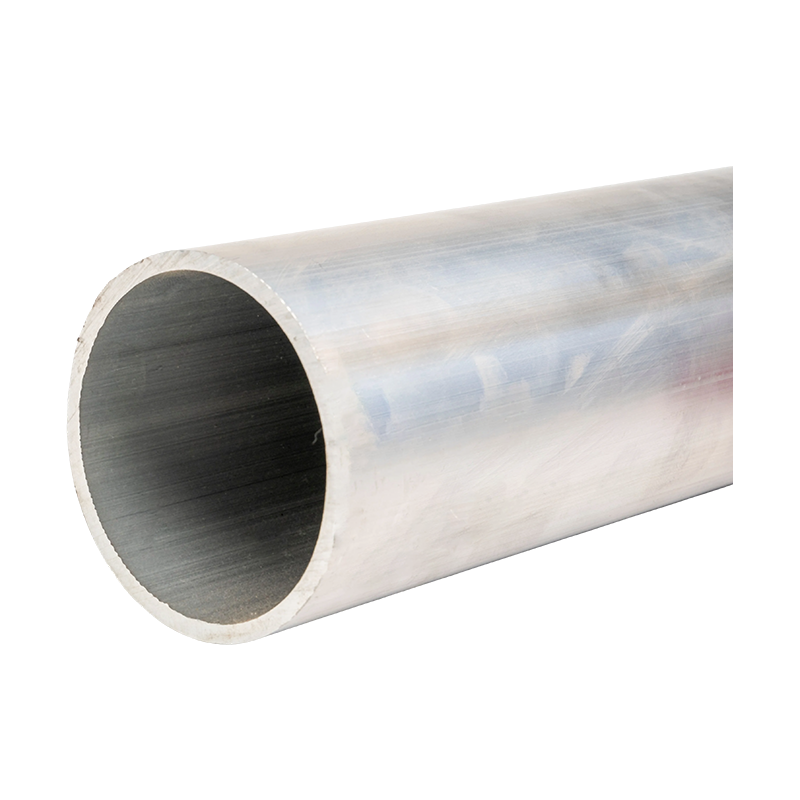
This comparison also explains why material choice is not purely about cost. Aluminum needs a larger section for the same current, and its connections need careful engineering. If you are evaluating outdoor or transmission-related bus bars, the application notes on aluminum alloy tubular bus bars in energy infrastructure show where aluminum can be a practical choice.
How to apply copper bus bar ampacity in a real project
Bus bar selection is not just about reading the biggest ampacity number. The correct approach is to start from the load, then work through the thermal, mechanical, and installation constraints.
Start from the terminal temperature
Every bus bar system has a maximum operating temperature. This is usually set by the insulation class, the connection material, or the enclosure rating. If the design allows a higher temperature rise, the same copper bar can be rated higher, but the risk of loose connections and degraded insulation also increases.
Apply a realistic environment
An ampacity table for a bare bar in open air should not be used for a sealed busway. Similarly, a DC rating should not be used for 60 Hz AC without checking skin effect. Large flat copper bars can lose part of their effective cross-section at power frequencies, so ask whether the chart already includes AC derating.
What to check before you order
- Material grade and minimum electrical conductivity.
- The exact temperature rise used to rate the bus bar.
- Whether the rating is DC, 50 Hz AC, or 60 Hz AC.
- Enclosure conditions: open, vented, sealed, or compact busway.
- Thermal design of joints, terminations, and connection points.
- Mechanical tolerance of the width and thickness.
For medium-voltage projects, the choice goes beyond ampacity. Insulation, clearance, and mechanical strength matter too. A practical overview of how to choose the right bus bar for medium-voltage projects can help you compare those requirements before finalising the specification.
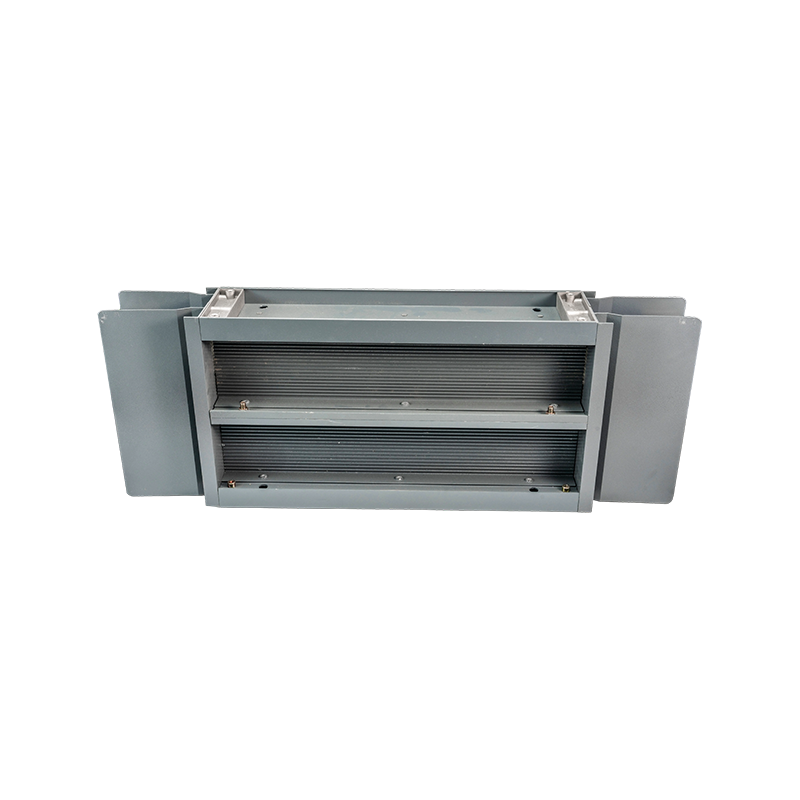
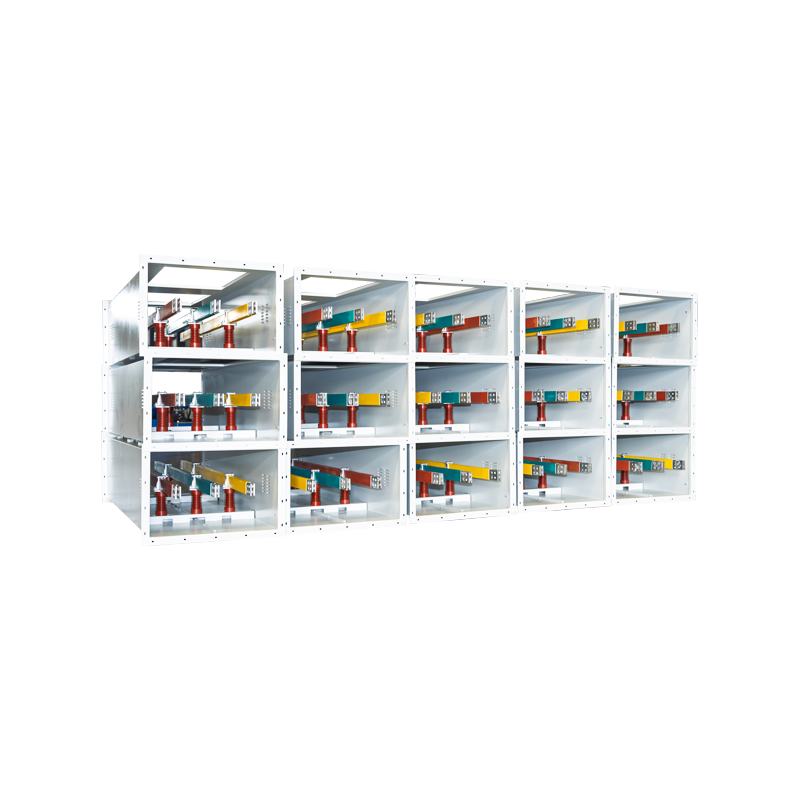
In layouts where space is tight, phase spacing becomes a serious thermal issue. A high-density compact busway is designed with controlled conductor spacing and heat dissipation, which makes it easier to maintain a predictable rating.
 Custom High-density Compact Busway Manufacturer, OEM Factory - Jiangsu Wopeng PJiangsu Wopeng Power Technology Co., Ltd is China OEM High-density Compact Busway manufacturer and custom High-density Compact Busway fac...View Product →
Common copper bus bar ampacity mistakes
The most frequent mistakes happen when a buyer treats bus bar ampacity as a standalone conductor property rather than a system property.
- Using an open-air chart for an enclosed busway.
- Ignoring the ambient temperature inside the switchgear room.
- Forgetting that joints and termination points are usually hotter than the bar itself.
- Assuming two parallel bars carry double current without giving them enough spacing.
- Using aluminum connection hardware directly on copper without proper bimetallic components.
These errors tend to show up as hot spots during thermal imaging, long before a short circuit or overload occurs. The safer approach is to work with a manufacturer that tests the bus bar as part of a complete assembly. A properly rated power busway starts with conductor size, but it also controls joint quality, insulation materials, enclosure cooling, and mechanical clamping.
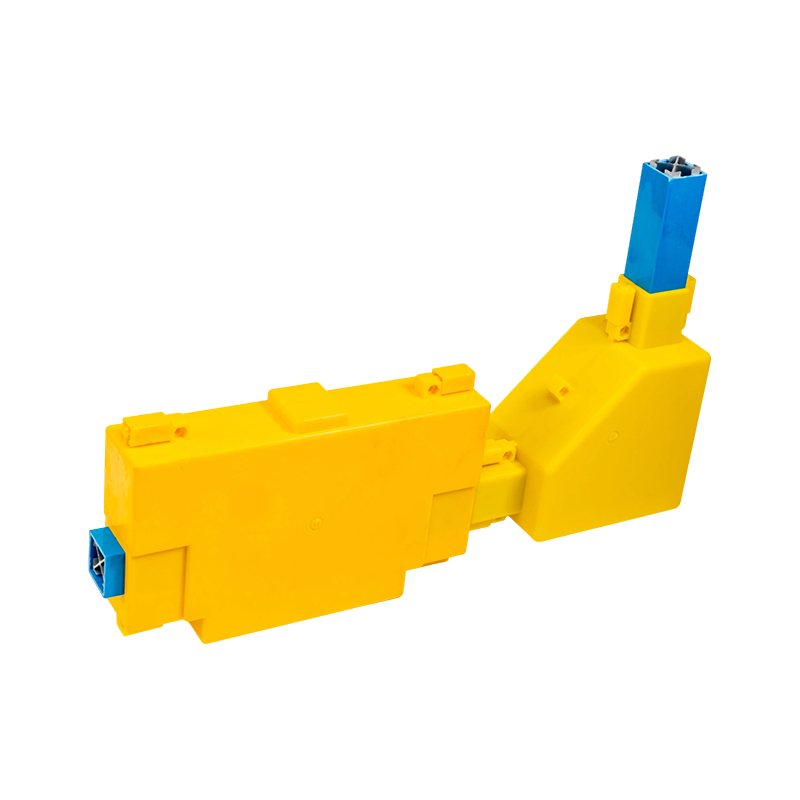 Custom Power Busway Manufacturer, OEM Factory - Jiangsu Wopeng Power TechnologyJiangsu Wopeng Power Technology Co., Ltd is China OEM Power Busway manufacturer and custom Power Busway factory,The Power Busway is a hig...View Product →
Copper bus bar ampacity: common questions
What is the ampacity of a 100 x 10 mm copper bus bar?
A first-pass estimate for an enclosed copper bus bar is about 1200 A using 1.2 A per mm². The final value depends on temperature rise, ambient temperature, enclosure type, and whether the rating is AC or DC.
Can two copper bars double the current rating?
Not linearly. Parallel bars trap heat and may share current unevenly unless they have equal length, identical connections, and enough spacing. A conservative derating factor should be applied when multiple bars are mounted together.
Does tin plating reduce copper bus bar ampacity?
The tin layer is thin, so it does not significantly reduce the ampacity of the copper itself. Tin plating is mainly used to protect the surface against corrosion and oxidation in humid or polluted environments. Always ask for test data from the actual plated product if the rating is critical.
Should I choose copper or aluminum?
Copper gives better conductivity, mechanical strength, and connection stability in a smaller section. Aluminum is lighter and often less expensive, but it needs a larger cross-section and more careful joint treatment. The right choice depends on space, cost, fault current, and the installation environment.
Use the correct ampacity, then let the system be built around it
The best result comes from matching the copper bar material, cross-section, insulation, enclosure, and connection method to the actual load profile. A bus bar manufacturer can test the complete system instead of leaving you to combine a generic ampacity table with an untested enclosure design.
For a complete distribution package, a high and low voltage busway system can be specified around verified performance rather than raw copper alone. If you are designing a switchboard, busway, or industrial power distribution system, contact our engineering team with the load profile, ambient temperature, enclosure layout, and frequency. That information is the difference between a safe, long-lasting bus bar installation and one that fails because the ampacity number was taken from the wrong chart.
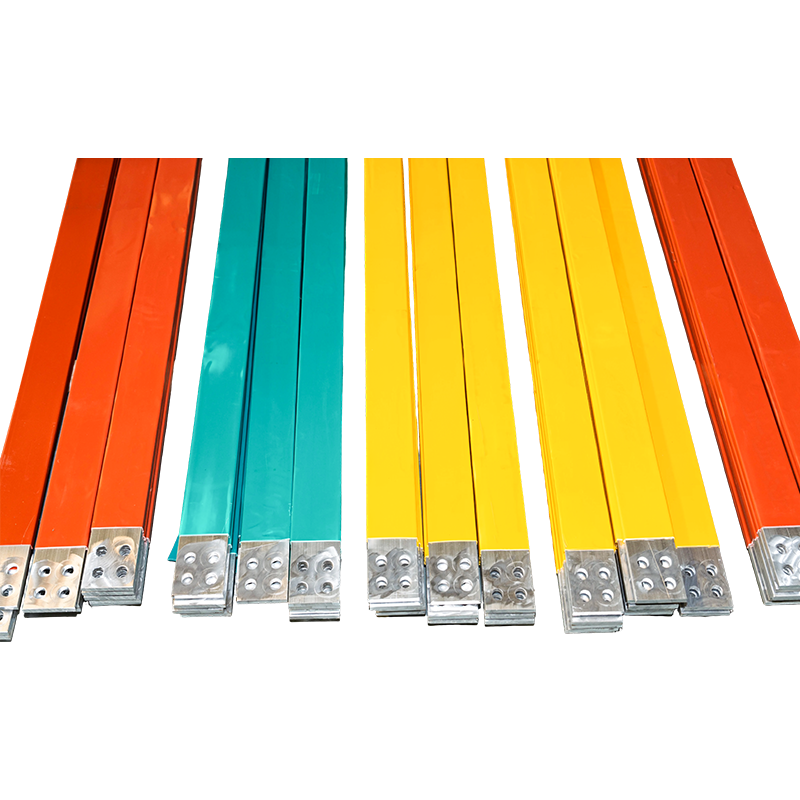 Custom High And Low Voltage Busway System Manufacturer, OEM Factory - Jiangsu WJiangsu Wopeng Power Technology Co., Ltd is China OEM High And Low Voltage Busway System manufacturer and custom High And Low Voltage Bus...View Product →


-
 +86-180 3625 3000
-
 admin@wpbusbar.com
-
 No. 8, Yanjin Road, Chengxi Industrial Park, Shanyang Town, Baoying County, Yangzhou City, Jiangsu Province, China
Copyright © Jiangsu Wopeng Power Technology Co., Ltd.
All Rights Reserved.
 Custom Insulated Bus Bar Manufacturer
Tubular Busbar System Factory
Custom Insulated Bus Bar Manufacturer
Tubular Busbar System Factory