

 EN
EN

 English
 русский
 Français
 Español
 عربى
عربى
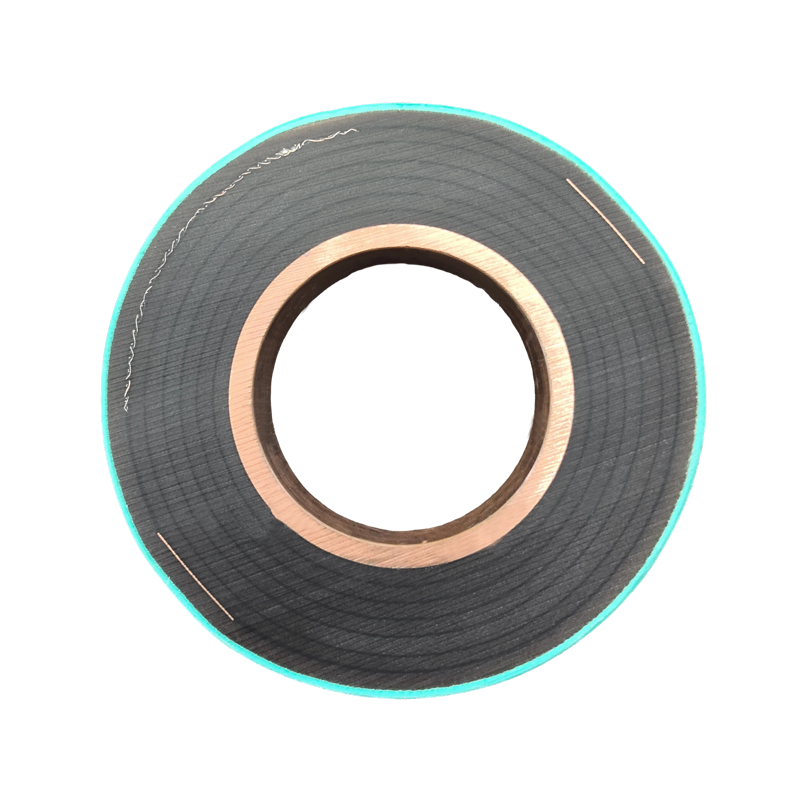
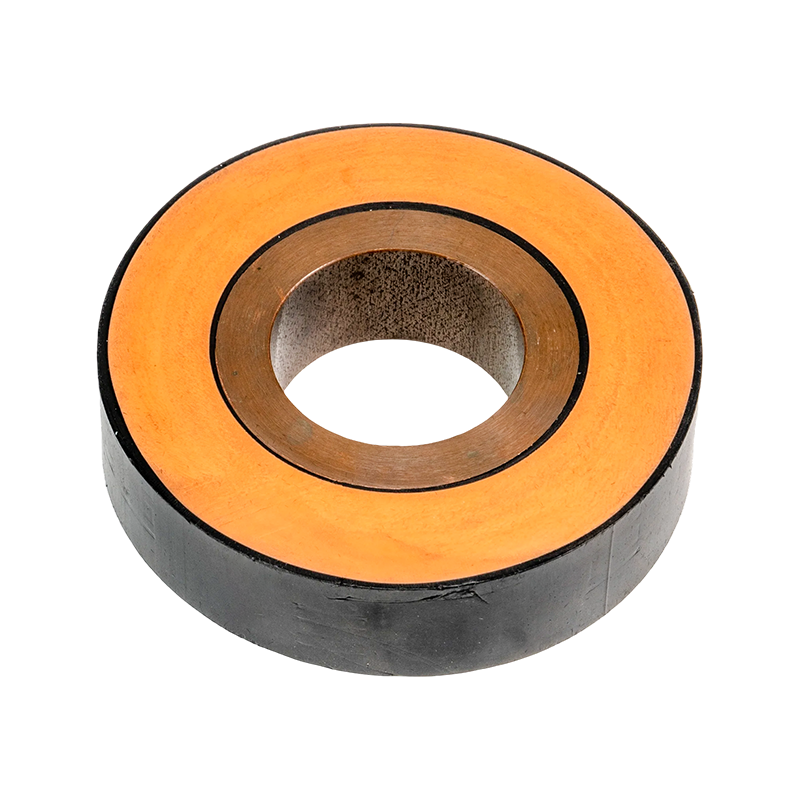
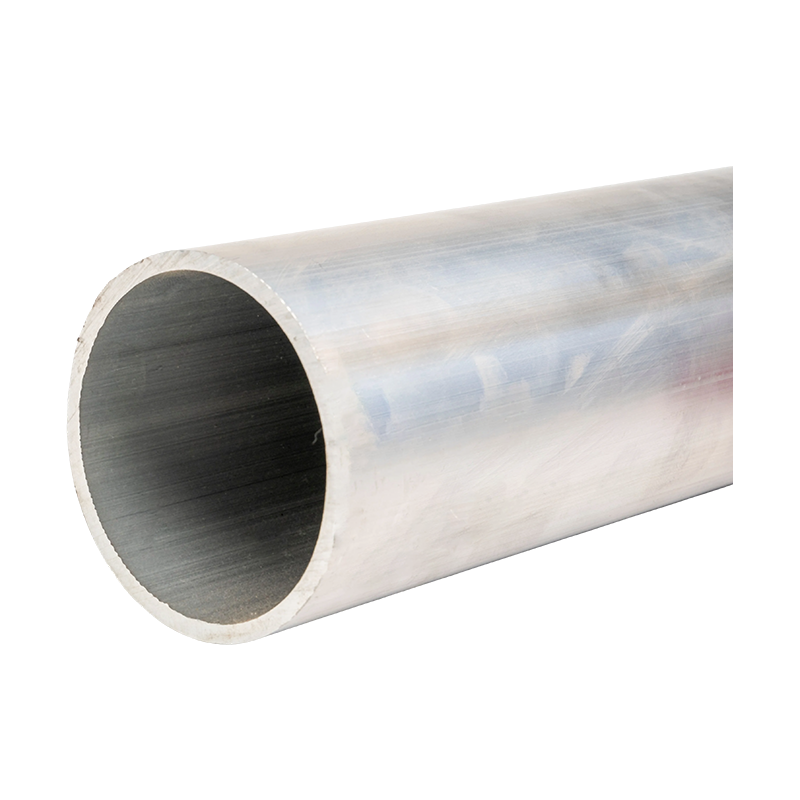
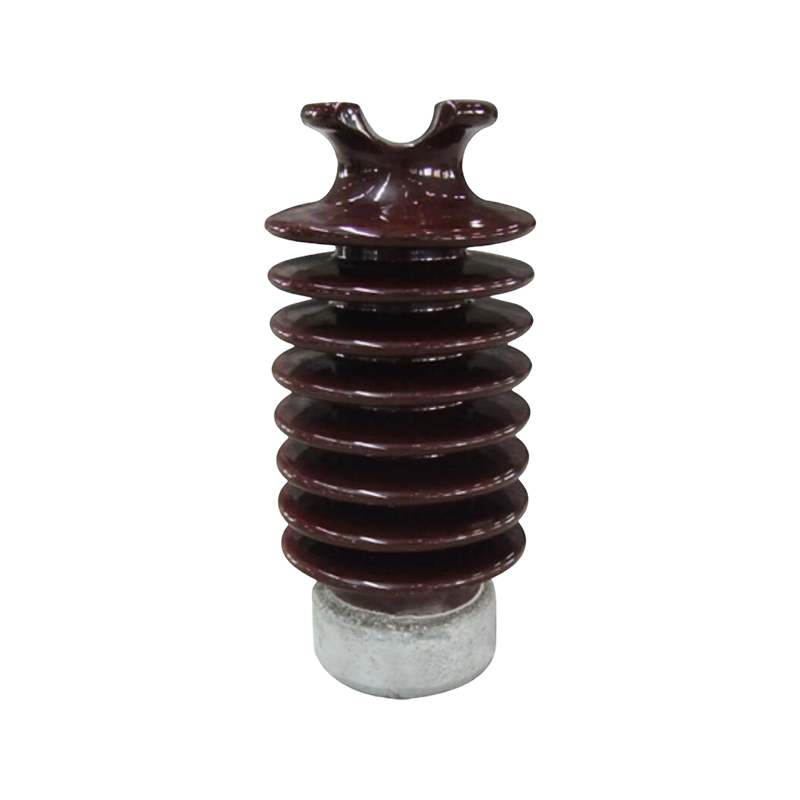
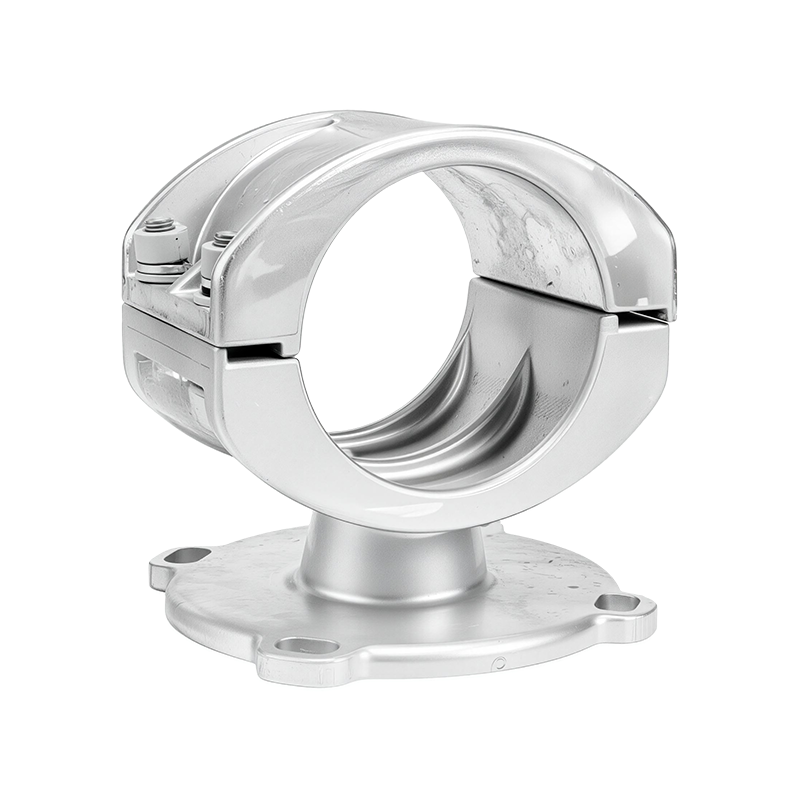
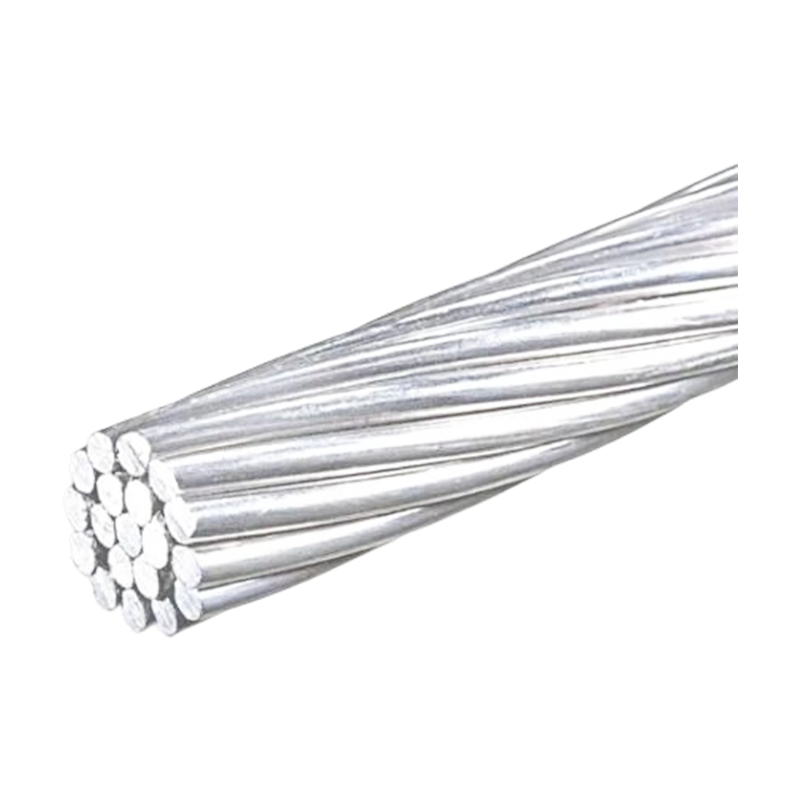
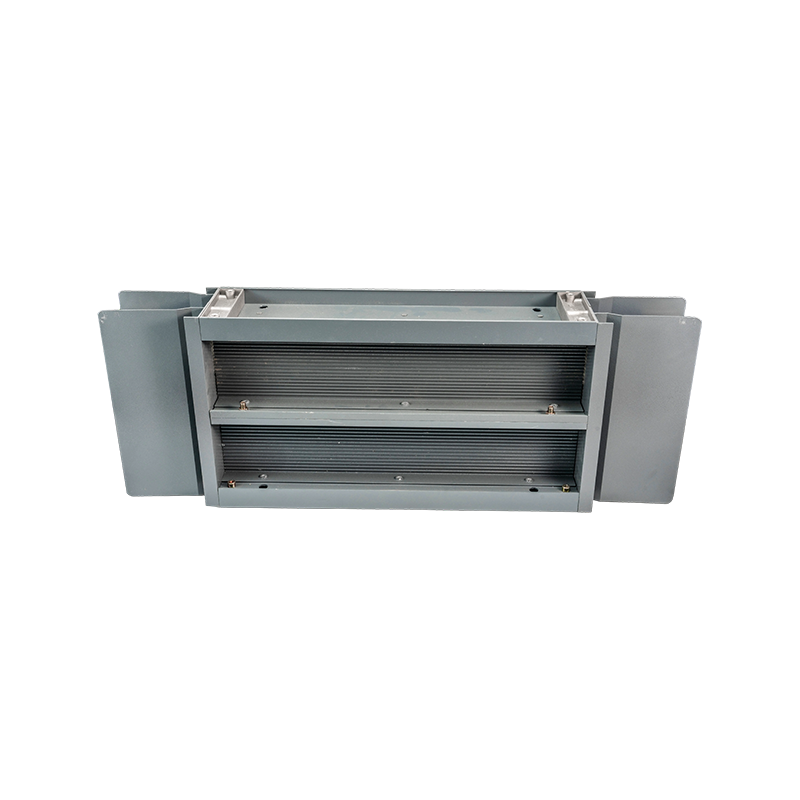
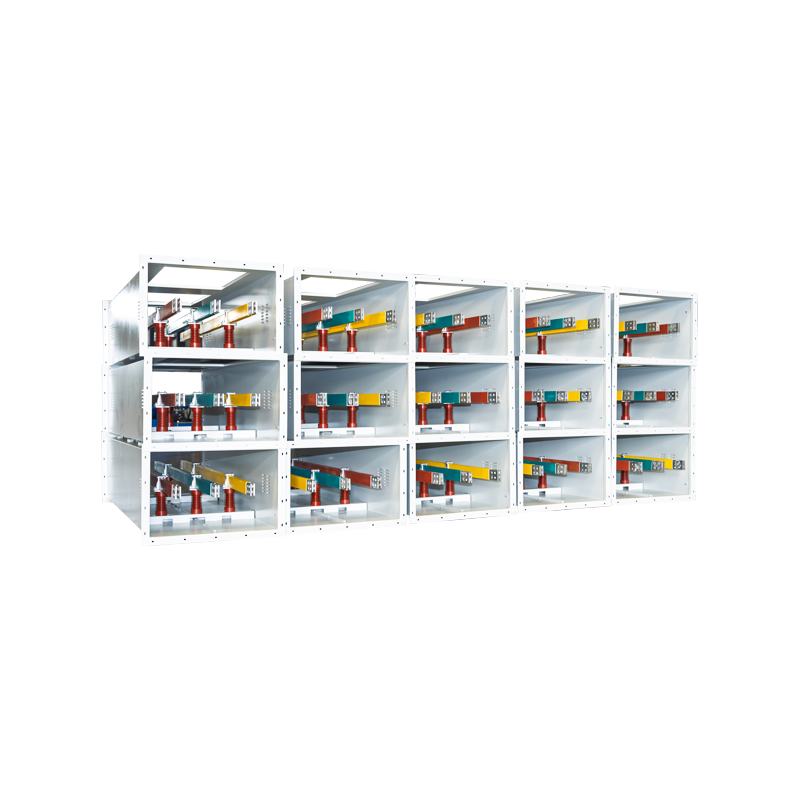


Aluminum alloy tubular bus bars: the "invisible backbone" driving energy transformation and industrial upgrading.
Lightweight Revolution Solves Power Transmission Challenges
Compared to traditional copper busbars, aluminum alloy tubular busbars can reduce weight by approximately 70%, a characteristic that makes them irreplaceable in large substations, underground power stations, and space-constrained urban renewal projects. "In electrolysis workshops stretching for kilometers or compact data centers, reducing the load on the supporting structure means lower civil engineering costs and higher space utilization," a senior engineer from a power design institute pointed out. "The emergence of aluminum alloy tubular busbars has transformed high-current transmission from 'bulky and heavy' to 'lightweight and efficient.'" Furthermore, the naturally formed dense oxide layer on the aluminum alloy surface gives it an exceptionally long service life in corrosive environments such as coastal areas and chemical plants, significantly reducing the total life-cycle maintenance costs.
Three Major Sectors Ignite Market Demand
Industry analysis shows that the current market growth of aluminum alloy tubular busbars is mainly driven by three engines:
**Essential Need for Green Energy Grid Connection:** In the step-up substations of photovoltaic, wind power, and energy storage power stations, aluminum alloy tubular busbars are gradually replacing traditional power fittings. Their superior current-carrying capacity and heat dissipation performance effectively improve the grid connection efficiency and system security of new energy power. High-Energy-Consuming Industries Upgrading: Large-scale energy-saving upgrades are underway in high-energy-consuming industries such as electrolytic aluminum and chlor-alkali chemicals. Aluminum alloy tubular busbars, as ideal current carriers, can effectively reduce line losses, directly translating into economic benefits for enterprises.
Digital Infrastructure Standard: With the deepening of the "East-to-West Data Integration" project, data centers have increasingly stringent requirements for power supply reliability and spatial density. The modular and prefabricated characteristics of aluminum alloy tubular busbars allow for rapid deployment, much like building with Lego bricks, making them the preferred power distribution solution for newly built large-scale data centers.
Industry Competition and Cooperation: From Price Wars to Value Wars: Facing a market worth hundreds of billions, the upstream and downstream of the industry chain are engaging in a new round of competition centered on technological innovation. In the upstream materials sector, the optimization of high-performance aluminum alloy (such as 6101 and 6063 alloys) formulations and the high-value utilization of recycled aluminum have become the focus; in the manufacturing sector, the focus is on continuous extrusion processes for large-section, irregularly shaped tubes and advanced connection technologies such as friction stir welding to improve the overall performance of products.



-
 +86-180 3625 3000
-
 admin@wpbusbar.com
-
 No. 8, Yanjin Road, Chengxi Industrial Park, Shanyang Town, Baoying County, Yangzhou City, Jiangsu Province, China
Copyright © Jiangsu Wopeng Power Technology Co., Ltd.
All Rights Reserved.
 Custom Insulated Bus Bar Manufacturer
Tubular Busbar System Factory
Custom Insulated Bus Bar Manufacturer
Tubular Busbar System Factory