

 EN
EN

 English
 русский
 Français
 Español
 عربى
عربى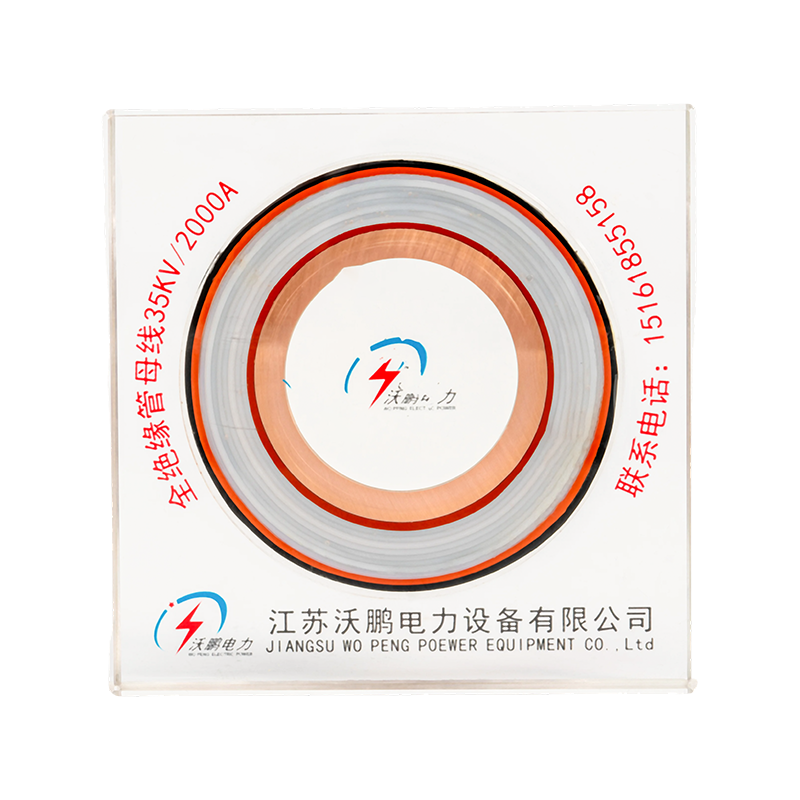
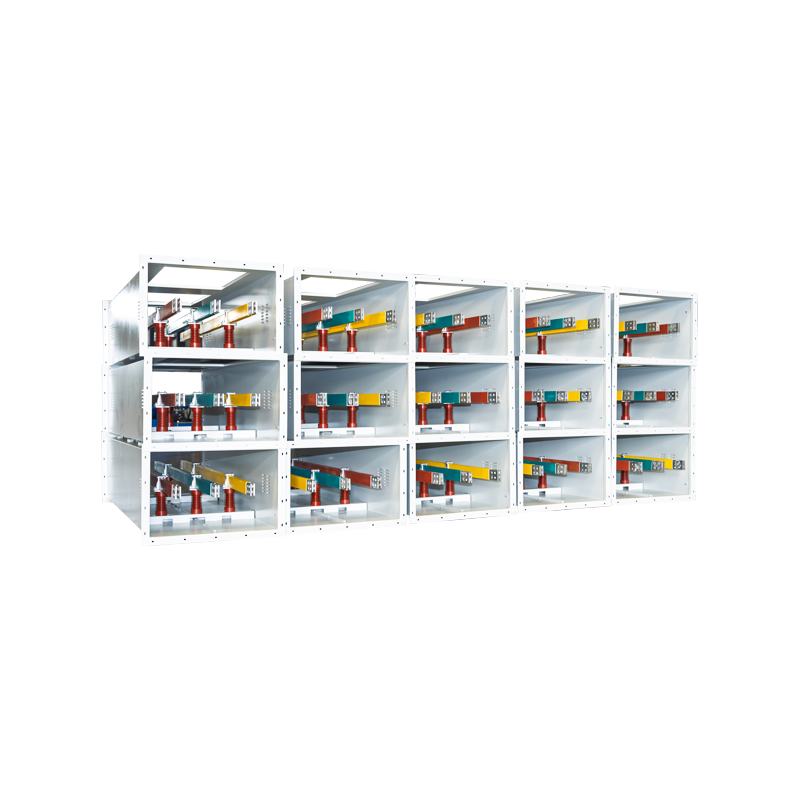


Bus Bar Insulators: Types, Materials, Selection, Common Mistakes & Standards
Content
- 1 What a Bus Bar Insulator Actually Does
- 2 Main Types of Bus Bar Insulators
- 3 Body Materials: What Actually Goes Into an Insulator
- 4 Technical Properties That Matter in Specification
- 5 How to Select the Right Bus Bar Insulator
- 6 Common Mistakes to Avoid
- 7 Maintenance and Inspection
- 8 Final Selection Checklist
Bus bar insulators rarely get attention during routine operation, until a flashover takes down a switchgear section or a cracked support allows a busbar to sag. The insulator is the only component standing between a live conductor at several thousand volts and the grounded frame it passes through. Getting its material, height, and mechanical rating right is not an afterthought; it is a design decision that affects clearance, short-circuit withstand, and long-term reliability.
What a Bus Bar Insulator Actually Does
A bus bar insulator is a non-conductive support that mounts and separates current-carrying busbars within switchgear, busways, and other power distribution assemblies. It performs two essential roles, and engineers should evaluate each independently.
Electrical Insulation
The insulator must provide enough creepage distance and clearance between the conductor and the earthed frame to withstand power-frequency voltage, lightning impulses, and switching transients. Equally important is tracking resistance: when the surface is contaminated by dust or condensation, leakage current can form carbonised paths that eventually cause a flashover. Materials with a high Comparative Tracking Index (CTI) reduce this risk.
Mechanical Support
The insulator carries the dead weight of the busbar, handles the forces generated during a short circuit, and prevents lateral movement. In a tubular busbar system, the support spacing and insulator cantilever strength directly determine how much the conductor deflects under wind or electromagnetic load. An insulator that looks good on paper but has insufficient crushing strength can fail during installation or under a heavy vertical bus.
Main Types of Bus Bar Insulators
Four physical forms dominate most switchgear and busway designs. Each offers a different balance of mechanical strength, cost, and creepage distance.
Conical Insulators
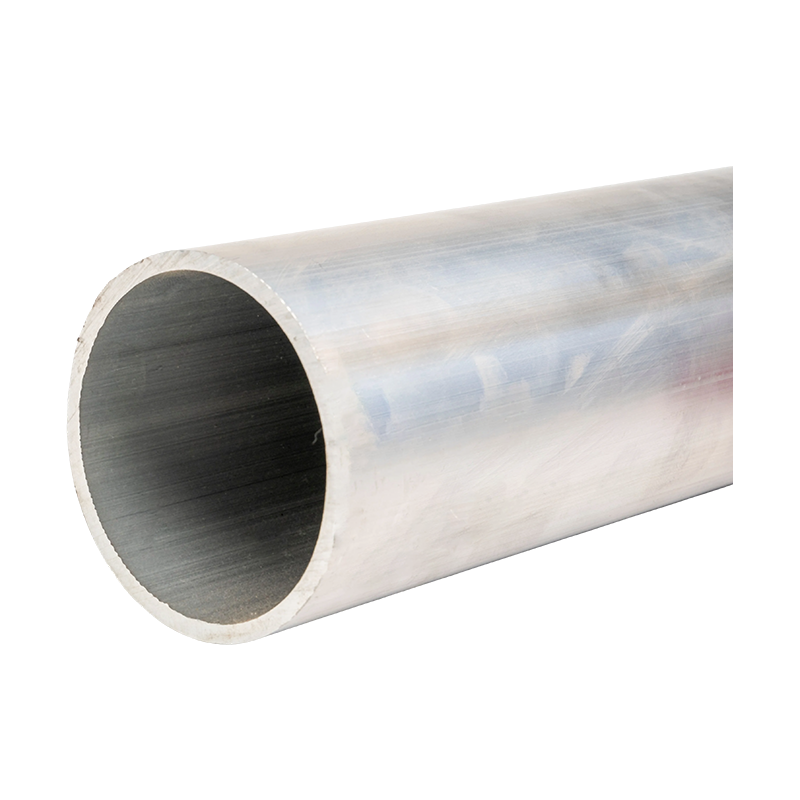
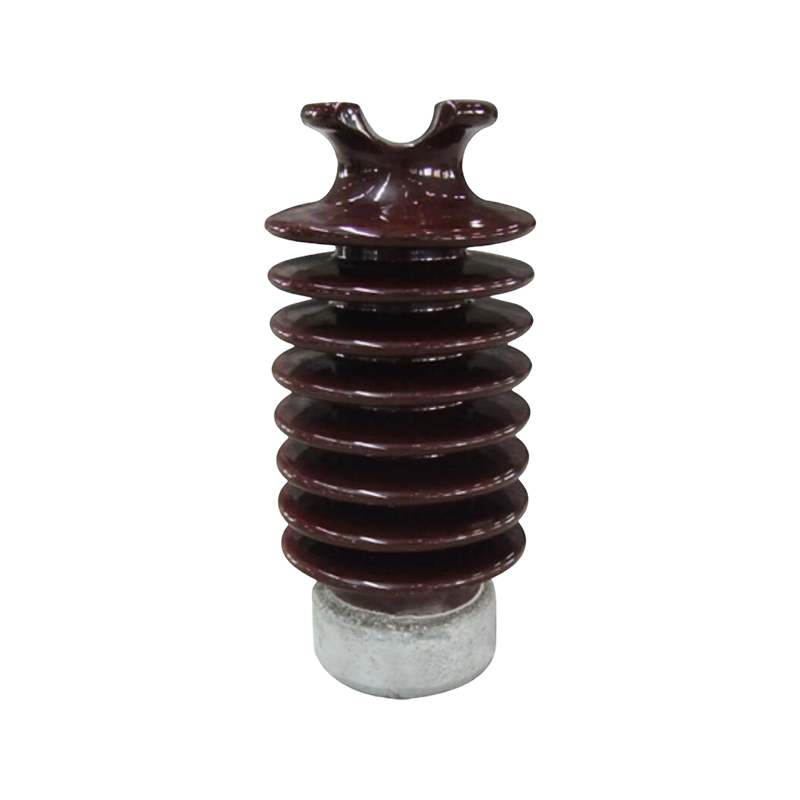
Tapered insulators are common in low-voltage panels and medium-voltage air-insulated switchgear. Their wide base provides good mechanical stiffness while the narrow top sits under the busbar clamp. Conical designs often use metal inserts at both ends for easy mounting. A typical application is the post insulator used to support aluminium tubular busbars in outdoor substations; the insulator height and insert thread must match the busbar clamp and the voltage level. When the conductor is a rigid tubular busbar, the post insulator is usually the most direct way to satisfy both mechanical and electrical requirements.
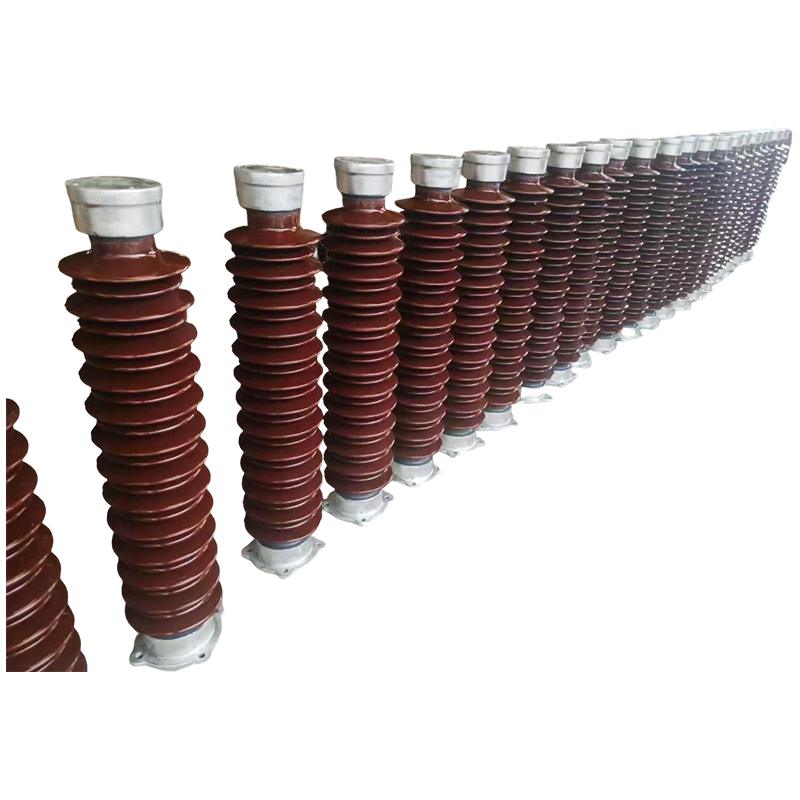 Post Insulator Manufacturer, Electrical Systems Post Insulator FactoryAs China OEM post insulator manufacturer and electrical systems post insulator factory, Jiangsu Wopeng Power professional custom electric...View Product →
Cylindrical Insulators
Cylindrical shapes create a uniform electric field along the surface and are frequently used in higher-voltage applications where creepage distance must be maximised. They are also easier to clean and inspect. In enclosed switchgear, cylindrical insulators often have a central hole for through-bolts and external sheds that increase the leakage path.
Drum-Type Insulators
Drum-shaped insulators offer a large support area and are commonly used for heavy rectangular busbars and bus duct applications. Their construction allows several conductors to be held in a compact space, but they tend to provide less creepage distance per unit height than conical or cylindrical types.
Multi-Pole Busbar Supports
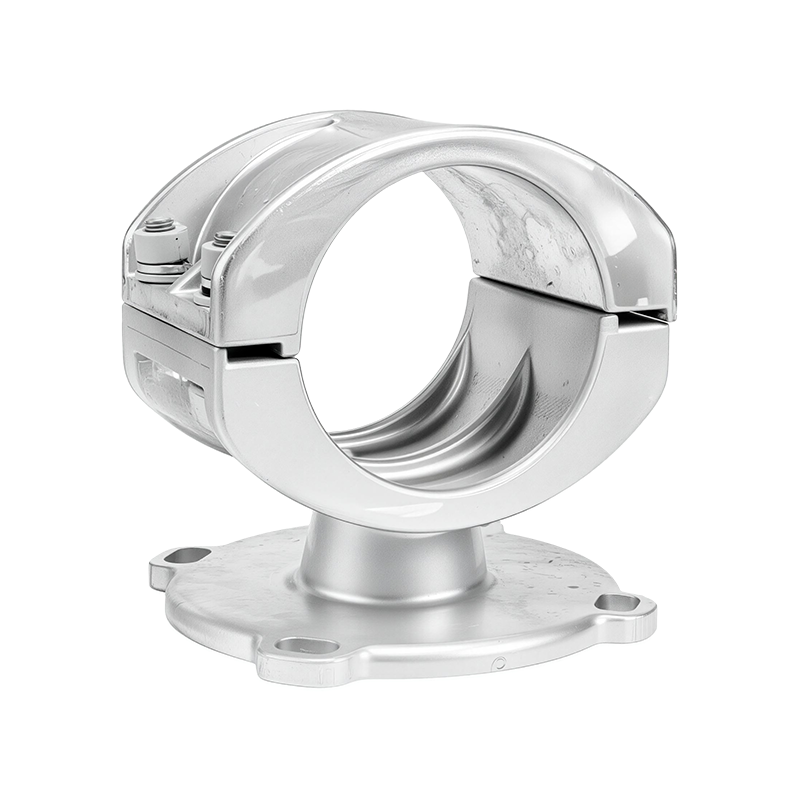
These are single moulded blocks that hold several busbars at a fixed spacing. They are particularly effective in low-voltage busway systems, where phase spacing must remain precise even under the high forces of a short-circuit current. Because they eliminate separate mounting hardware for each phase, they reduce assembly time and improve consistency. A related concept appears in tubular busbar installations, where a fixed-support bracket clamps the conductor while maintaining a defined air gap and reducing the bending moment on the insulator.
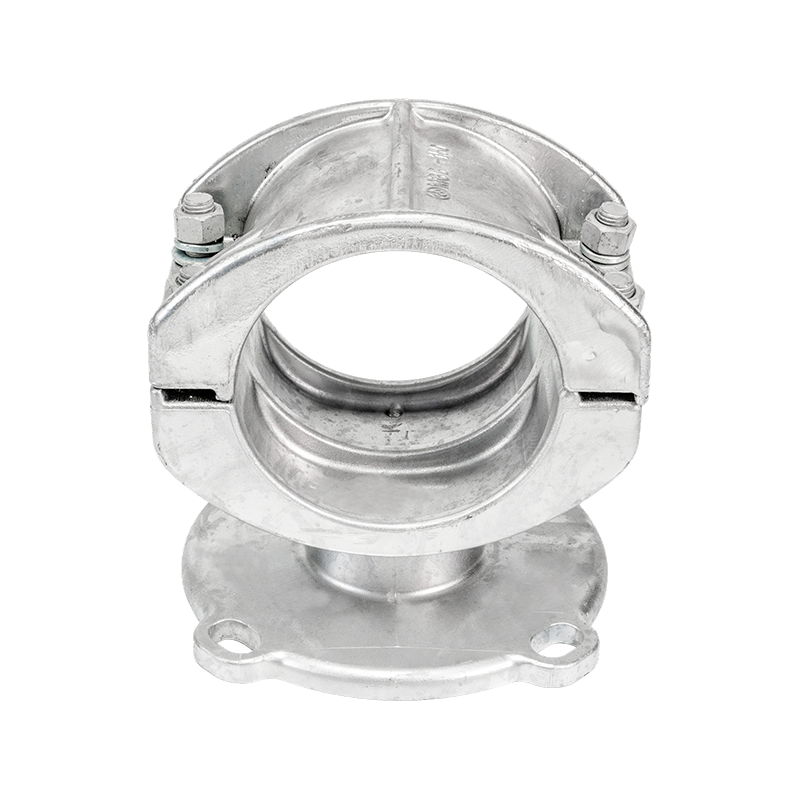 Custom Bus Bar Supports Manufacturer, OEM Bus Bar Supports FactoryAs China OEM bus bar supports manufacturer and electrical systems bus bar supports factory, Jiangsu Wopeng Power professional custom bus ...View Product →
Body Materials: What Actually Goes Into an Insulator
The housing of an insulator is not just a spacer; it has to resist UV radiation, heat, arcing, and mechanical abuse. Two thermoset compound families dominate the market, and a third approach removes the insulator problem entirely.
DMC (Dough Moulding Compound)
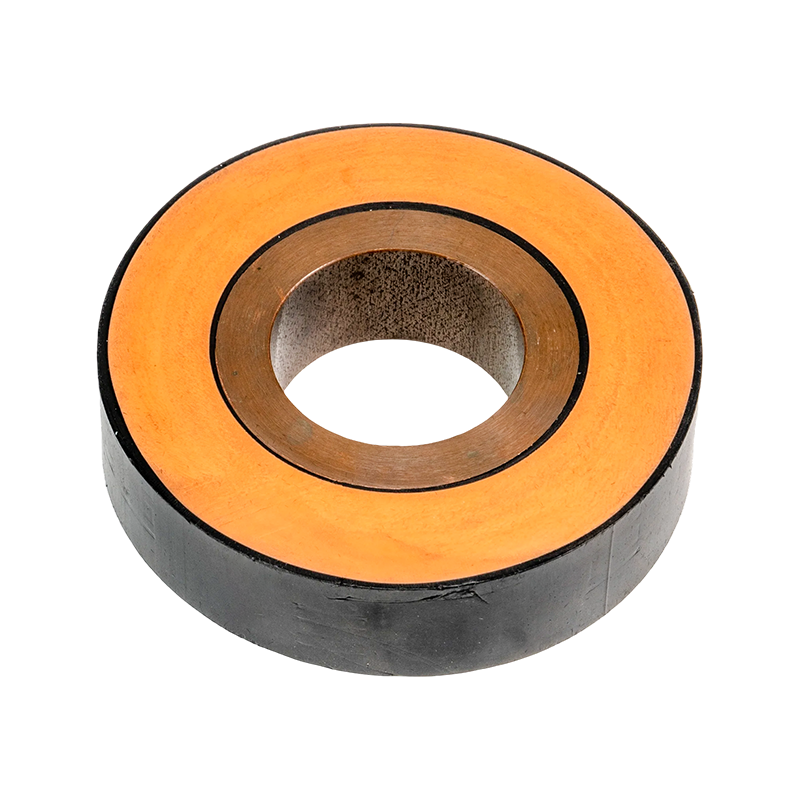
DMC is a glass-fibre-reinforced unsaturated polyester that can be compression moulded into complex shapes. It offers good mechanical strength and arc resistance at a moderate cost, which makes it the most common material for low-voltage busbar insulators and support blocks.
SMC (Sheet Moulding Compound)
SMC provides higher dimensional stability, lower shrinkage, and more consistent wall thickness than DMC. It is often selected for large flat bodies or parts that must hold tight tolerances. SMC also tends to have a smoother surface, so it accumulates less contamination in dirty environments.
Full Conductor Insulation as an Alternative
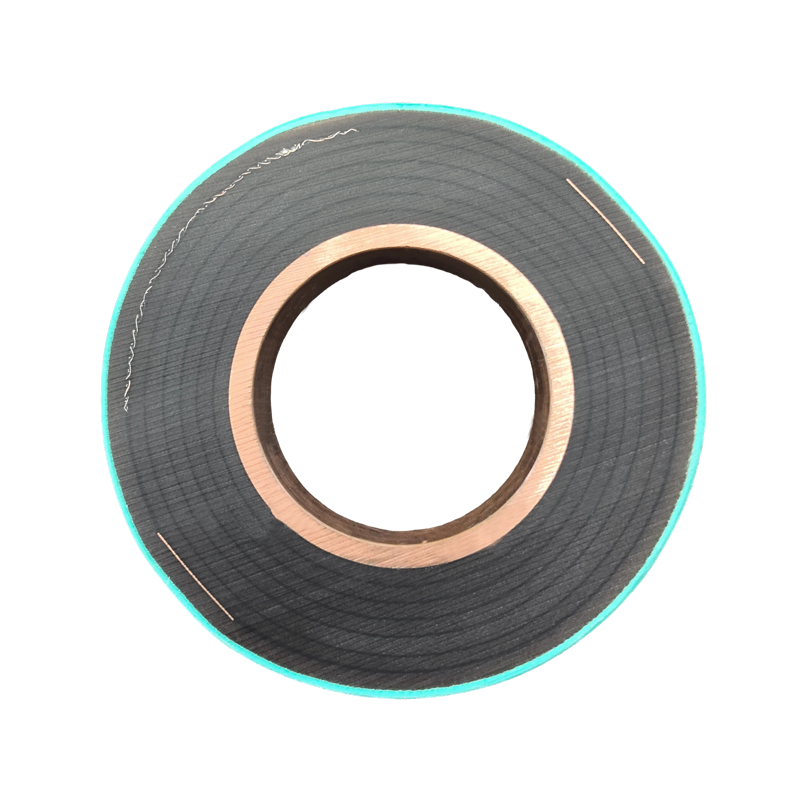
Some fully insulated busbar designs take the opposite approach: instead of relying on a separate insulator to provide all the electrical isolation, the conductor itself is covered with a continuous insulating layer. EPDM/silicone rubber or epoxy resin is cast around the conductor, which changes the insulation coordination completely and greatly reduces the required creepage distance. When you are evaluating whether fully insulated tubular busbar systems are suitable for your project, the main comparison is insulation class, accessory complexity, and long-term moisture resistance.
Technical Properties That Matter in Specification
The four properties below separate a reliable bus bar insulator from a cheap piece of moulded plastic. A data sheet may list dozens of values, but these are the ones that affect design approval and field reliability.
| Property | What It Indicates | Typical Values to Look For |
|---|---|---|
| Dielectric strength | Ability to withstand voltage without breakdown | 12-20 kV/mm for DMC/SMC |
| Comparative Tracking Index (CTI) | Resistance to surface tracking under pollution | IEC 60112: Class 600 is preferred |
| Flammability rating | Fire safety behaviour | UL94 V-0 for indoor switchgear |
| Relative Thermal Index (RTI) | Long-term thermal endurance | 110-130 °C for most thermosets |
A higher CTI number means the insulator can tolerate wet, contaminated conditions without forming surface tracks. In tropical or coastal environments, choose insulators rated at least CTI 600. Flammability rating is especially important in enclosed busways, where fire can spread quickly along a vertical run. RTI shows whether the material will retain its dielectric strength years after installation at normal operating temperature.
The insert material is part of the electrical system too. Brass inserts resist galvanic corrosion when paired with copper busbars and provide better conductivity than mild steel, which is why they appear in most high-reliability designs.
How to Select the Right Bus Bar Insulator
A six-step process is sufficient for most applications. It avoids the two biggest errors: undersizing mechanical strength and choosing the wrong height.
- Thread size: Confirm the bolt thread on the busbar clamp and the mounting frame. Standard sizes are M6, M8, M10, and M12; match the insert thread and thread length to the busbar thickness.
- Height: Determine the minimum creepage distance from the voltage level and pollution degree. For a 12 kV insulated system in a typical indoor environment, this often means a height of 45-75 mm, but always refer to your equipment standard.
- Mechanical load: Calculate the total weight of the busbar plus imposed loads such as short-circuit forces. Multiply by a safety factor of at least 1.5 and verify that the insulator's cantilever strength at the end of the support span is sufficient.
- Voltage level: Separate the selection between low-voltage (<1 kV), medium-voltage (3.6-40.5 kV), and high-voltage systems. Insulation distance and surface finish requirements differ dramatically.
- Environment: Outdoor installations exposed to UV, salt, rain, or dust require a higher CTI, better UV stabilisation, and possibly silicone sheds. In tropical climates, humidity accelerates tracking, so materials such as EPDM/silicone rubber insulation
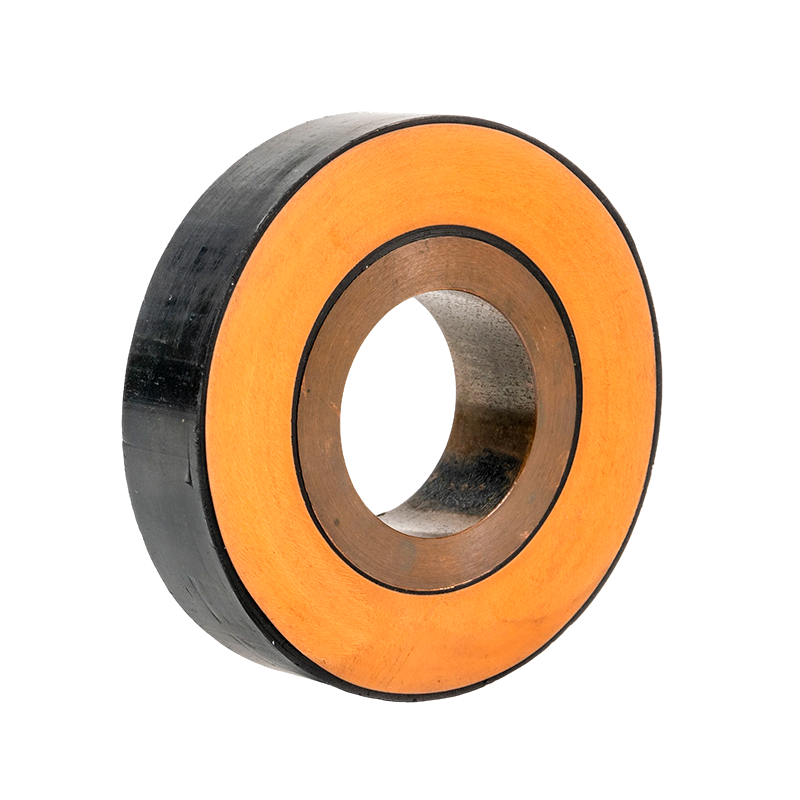 High Voltage EPDM Silicone Rubber Tubular Bus Bar Manufacturer, FactoryAs China OEM high voltage EPDM silicone rubber tubular bus bar manufacturer and factory, Jiangsu Wopeng Power professional custom high vo...View Product → or epoxy encapsulation may be a more reliable long-term choice.
 - Short-circuit level: Check the electrodynamic withstand of the whole arrangement. A busbar supported on insulators spaced too far apart will deflect under a bolted fault and may deform permanently. Most standards accept a maximum bending stress in the busbar below the material yield strength during the first peak current.
For tubular busbars, the mechanical interface is often easier to size with a dedicated support bracket that spreads the load over a larger area. That bracket can be adjusted to control the air gap precisely without overstressing a single insulator.
Common Mistakes to Avoid
A surprising number of field failures come from decisions that seem reasonable during design but fail once the equipment is energised.
- Buying by colour alone: Black, red, and brown housings may look different, but colour has no intrinsic electrical meaning. Always verify CTI, UL94, and RTI values from the material certificate.
- Ignoring the insert material: A mild steel insert can corrode slowly inside the moulding, forcing the housing to crack from internal pressure. Brass inserts avoid this problem in most environments.
- Undersizing the support height: When a cabinet is tight on space, the insulator height is the first thing to be reduced. This directly reduces creepage and increases the risk of flashover in dusty conditions.
- Overtightening the mounting bolts: Thermoset insulators can crack if the clamping torque is too high, especially with a small washer. Follow the manufacturer's torque specification.
- Placing supports too far apart: The busbar looks straight during installation, but during a short circuit the conductor experiences a repulsive force that increases with the square of the current. Insufficient support spacing leads to permanent bending.
Maintenance and Inspection
Bus bar insulators are often treated as maintenance-free, but a ten-minute visual inspection can find problems before they become failures. Look for tracking marks (thin dark lines) on the surface, cracks around the insert, and any white or chalky deposits that indicate partial discharge activity. In polluted environments, clean the insulators regularly and re-torque the mounting bolts after the first heat cycle. Infrared scans of switchgear can reveal hot spots caused by loose busbar clamps; the heat discolours the insulator, but the actual defect is usually in the connection.
Final Selection Checklist
When you are ready to specify, turn the selection into a one-page check: rated voltage and pollution degree; minimum creepage distance; mechanical load with safety factor; material type and insert material; flammability rating; and short-circuit withstand. If any value is missing from the supplier's data sheet, ask for it before approving the component. The difference between an insulator that supports your system for decades and one that fails during commissioning is not price; it is verification.
If you are working on a tubular busbar or fully insulated system and need help tailoring the insulator arrangement to your project, contact our engineering team with your busbar size, voltage, and fault level.



-
 +86-180 3625 3000
-
 admin@wpbusbar.com
-
 No. 8, Yanjin Road, Chengxi Industrial Park, Shanyang Town, Baoying County, Yangzhou City, Jiangsu Province, China
Copyright © Jiangsu Wopeng Power Technology Co., Ltd.
All Rights Reserved.
 Custom Insulated Bus Bar Manufacturer
Tubular Busbar System Factory
Custom Insulated Bus Bar Manufacturer
Tubular Busbar System Factory