

 EN
EN

 English
 русский
 Français
 Español
 عربى
عربى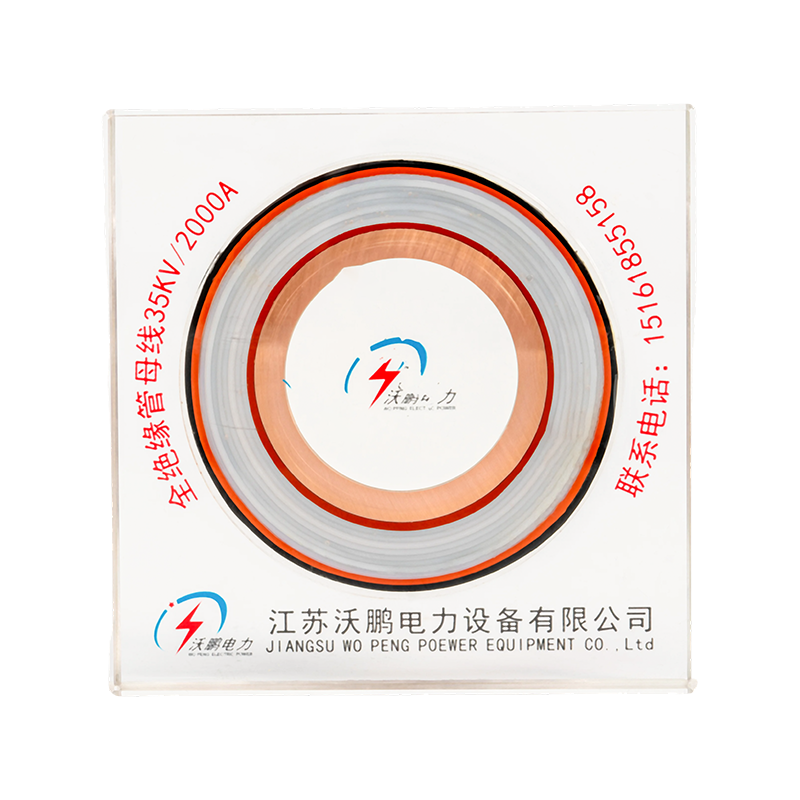
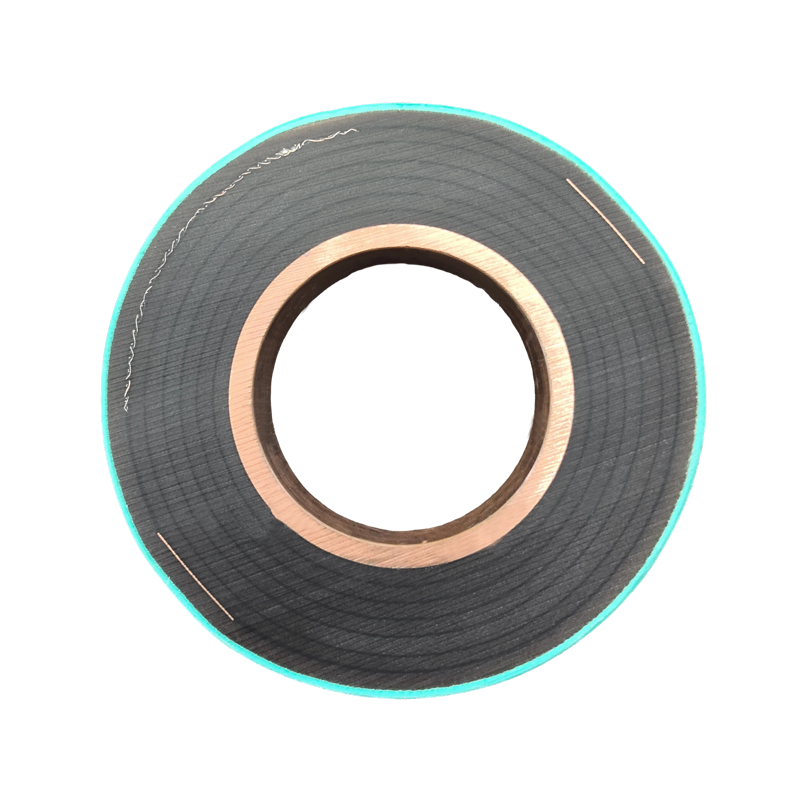
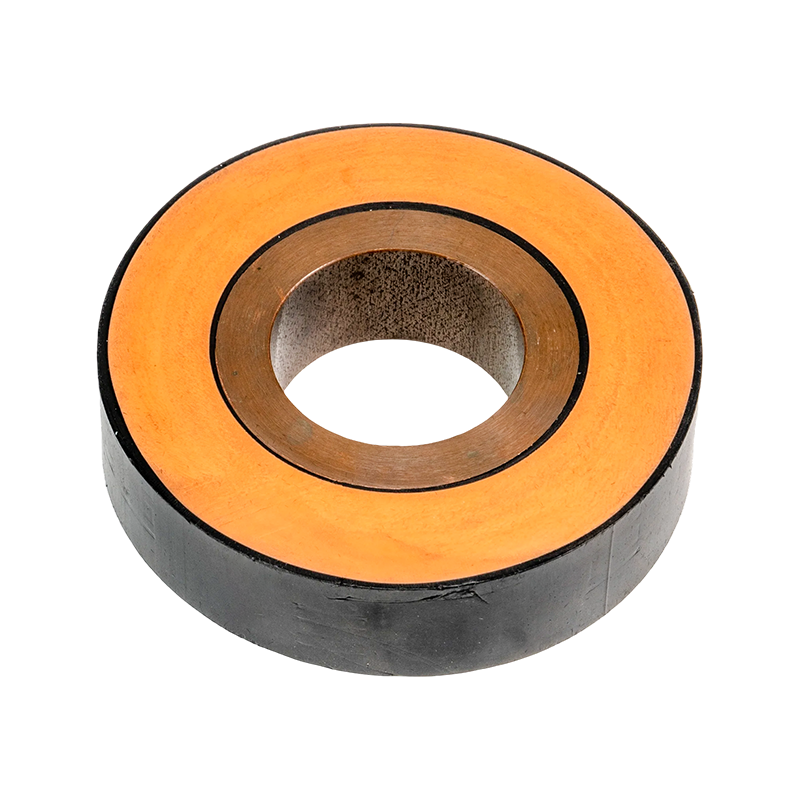
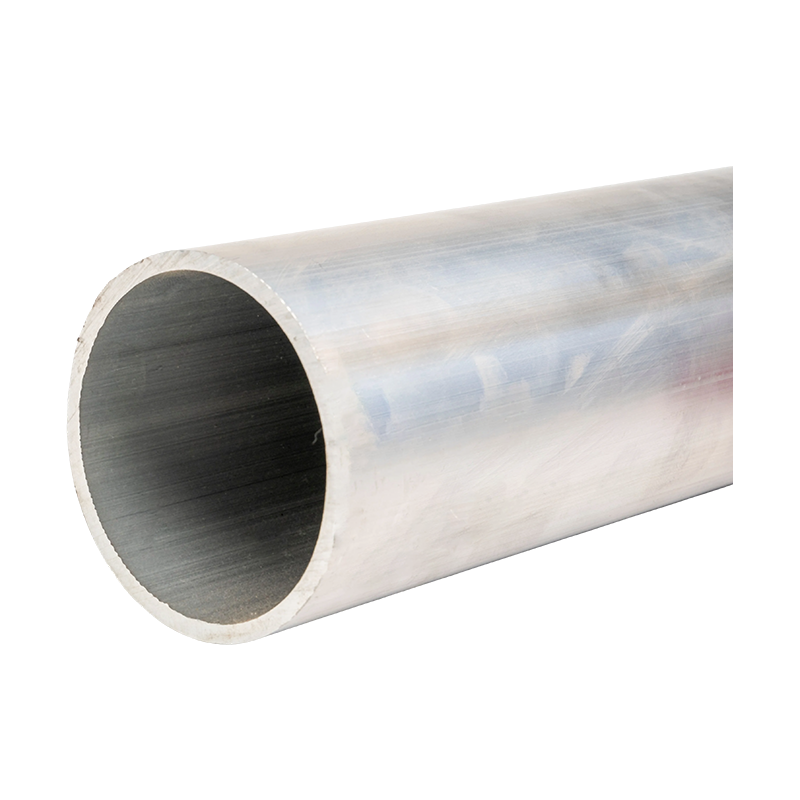
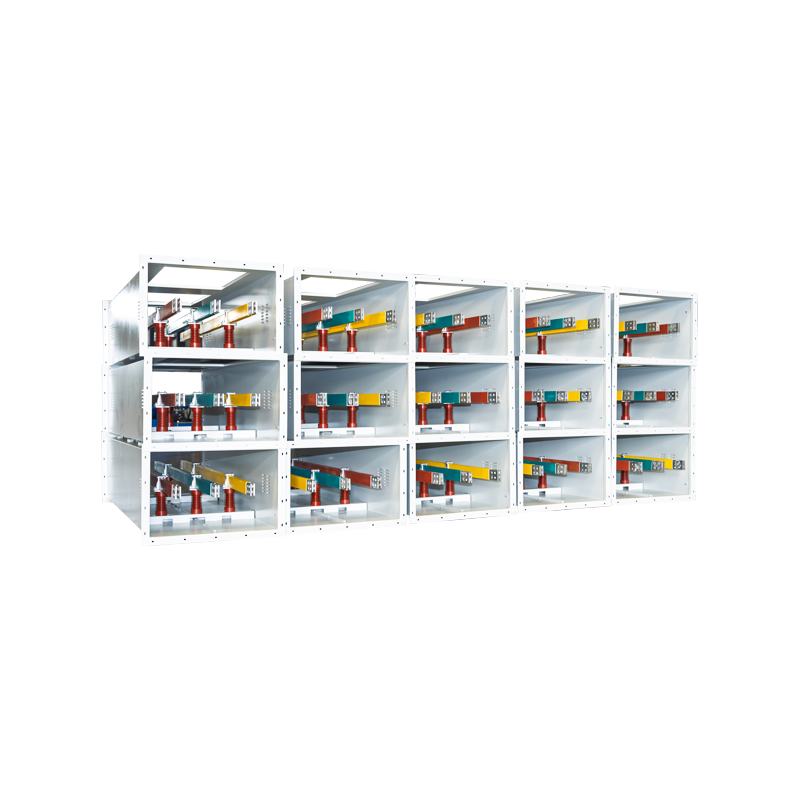


What insulation materials are used for fully insulated tubular bus bars?
Content
- 1 Three Insulation Materials at a Glance
- 2 PTFE Insulation: Chemical and Thermal Stability
- 3 Epoxy Resin Casting: Rigid Structural Insulation
- 4 EPDM Silicone Rubber: Flexible Outdoor Protection
- 5 Tubular Bus Bar Product Series
- 6 How to Select the Right Insulation Material
- 7 Installation and Insulation Testing Standards
- 8 Frequently Asked Questions
Fully insulated tubular bus bars rely on three primary insulation materials: PTFE (polytetrafluoroethylene), epoxy resin casting compound, and EPDM silicone rubber. Each material is selected based on voltage class, operating temperature, and environmental exposure — PTFE for high-frequency and chemical resistance, epoxy resin for solid-cast mechanical strength at medium voltage, and EPDM silicone rubber for outdoor flexibility and UV resistance. The right choice determines dielectric performance, service life, and total cost of the busbar system.
Three Insulation Materials at a Glance
Before selecting a tubular busbar system, engineers typically compare the base electrical and mechanical properties of each insulation type. The table below summarizes the core parameters used in specification documents.
| Property | PTFE | Epoxy Resin Casting | EPDM Silicone Rubber |
|---|---|---|---|
| Dielectric Strength | 60-80 kV/mm | >30 kV/mm | 20-25 kV/mm |
| Continuous Temperature | -60C to 260C | -40C to 130C | -55C to 180C |
| UV / Weathering Resistance | Excellent | Moderate, needs outer jacket | Excellent |
| Mechanical Rigidity | Low, flexible | High, rigid cast body | Medium, elastic |
| Typical Voltage Class | 0.4-35 kV | 0.4-35 kV | 0.4-550 kV |
| Best Fit Application | Chemical plants, switchgear | Indoor substations, compact busway | Outdoor lines, wind farms, coastal sites |
PTFE Insulation: Chemical and Thermal Stability
PTFE wrapping or extrusion is chosen when a tubular busbar must operate in aggressive chemical atmospheres or wide temperature swings. The material carries a near-zero moisture absorption rate and a low dielectric loss factor, which keeps partial discharge levels stable even after years of thermal cycling. In petrochemical and pharmaceutical facilities, PTFE tubular bus bars are frequently specified because the material resists acid mist, solvent vapor, and ozone exposure without cracking. Wall thickness for PTFE layers on a medium-voltage conductor typically ranges from 1.5mm to 3mm, with multiple wraps applied to reach the target withstand voltage.
Epoxy Resin Casting: Rigid Structural Insulation
Vacuum-cast epoxy resin forms a solid, void-free insulation shell around the conductor. This process eliminates air gaps that would otherwise concentrate electric field stress and trigger partial discharge. A cast epoxy layer also acts as a structural component, so the busbar itself gains mechanical rigidity and does not require as many external support brackets. Epoxy resin casting tubular bus bars are the standard choice for indoor switchgear rooms, GIS integration, and high-density busway trunking where compact phase spacing is the priority. Curing is performed under vacuum at controlled temperature to prevent shrinkage cracks, and the finished surface is typically tracking-resistant to Class III pollution levels.
EPDM Silicone Rubber: Flexible Outdoor Protection
EPDM silicone rubber insulation is extruded or molded as a flexible sleeve, allowing the busbar to absorb thermal expansion and mechanical vibration without insulation fatigue. This flexibility, combined with strong hydrophobic surface properties, makes EPDM silicone rubber tubular bus bars well suited to coastal wind farms, overhead transmission spans, and any outdoor installation exposed to salt spray or heavy rainfall. The hydrophobic surface sheds water quickly and resists tracking, which keeps leakage current low even under wet pollution conditions. EPDM formulations also maintain elasticity down to roughly -55C, so the material does not stiffen or crack in cold-climate substations.
Tubular Bus Bar Product Series
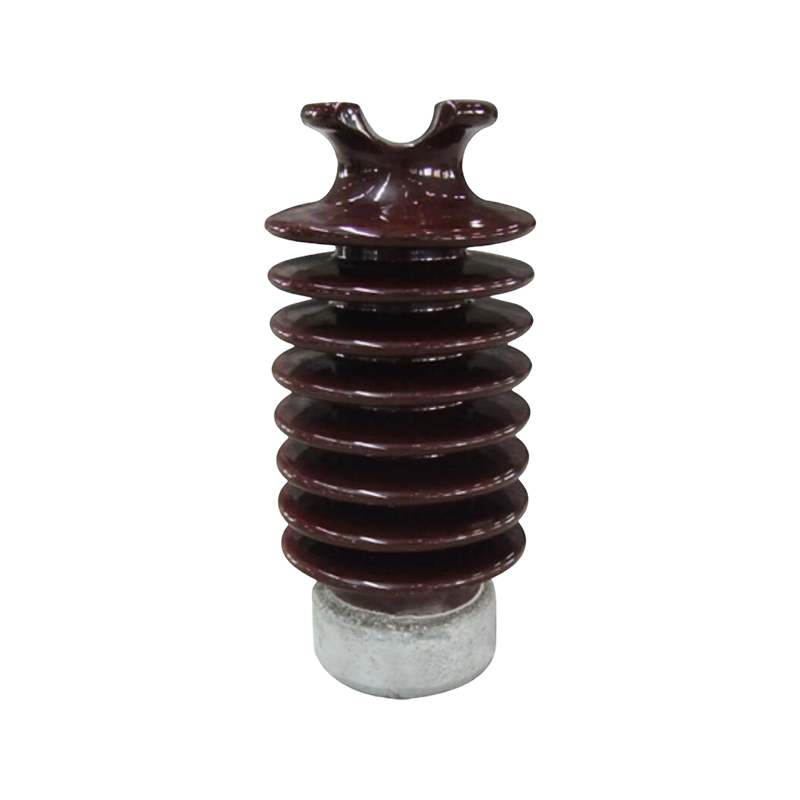
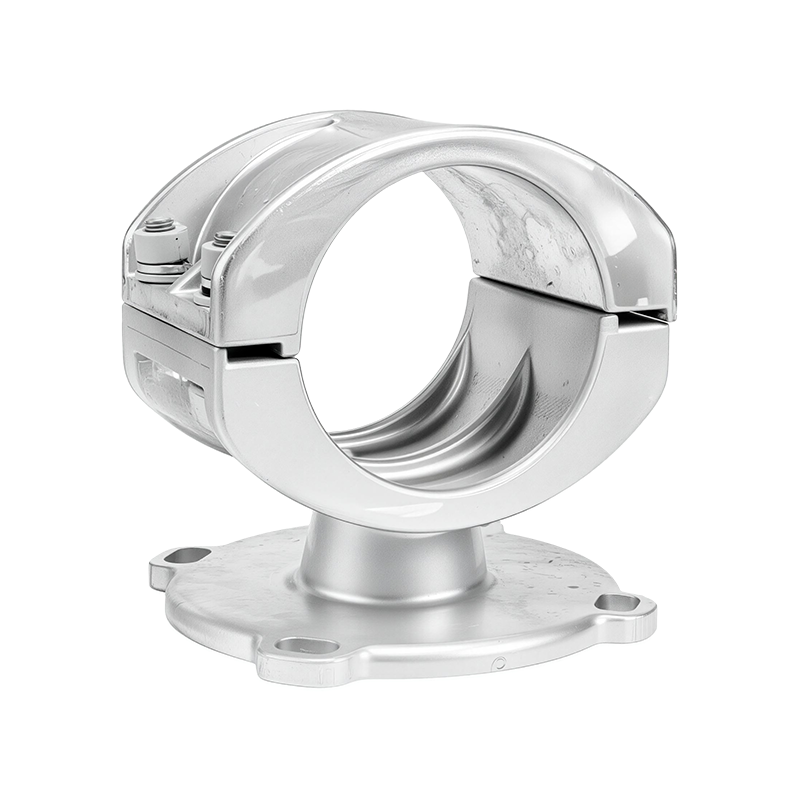
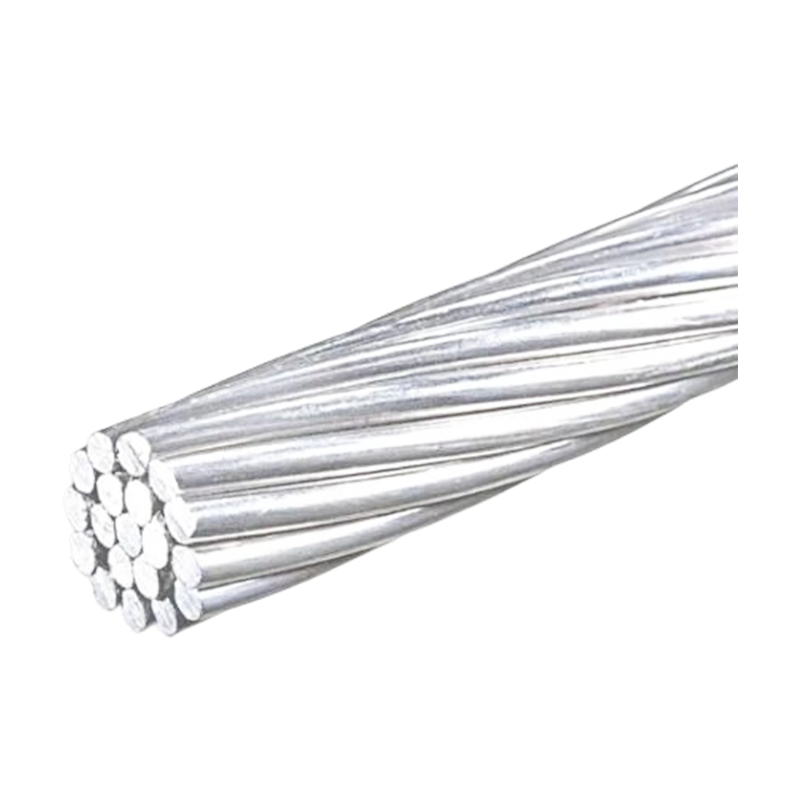
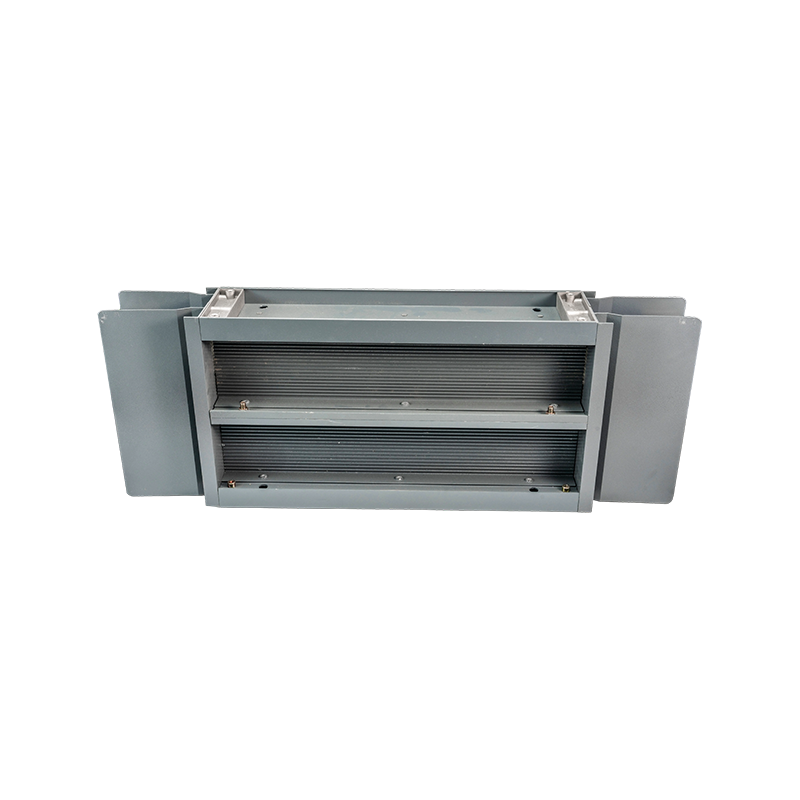
A selection of fully insulated and support components engineered for the voltage classes and environments described above.





How to Select the Right Insulation Material
Material selection should be based on installation environment first, then voltage class and mechanical constraints. The following checklist reflects common specification criteria used by procurement engineers.
- Indoor, space-constrained switchgear: epoxy resin casting is preferred for its rigidity and compact phase spacing.
- Outdoor, coastal, or high-vibration sites: EPDM silicone rubber handles salt spray, UV exposure, and thermal cycling.
- Chemical or corrosive-gas environments: PTFE resists acid vapor, solvents, and ozone without degrading.
- High short-circuit current requirements: confirm the insulation system has been tested to the target kA/1s rating, not just the base material data sheet.
- Ultra-high voltage projects above 110kV: EPDM silicone rubber and magnesium-aluminum alloy combinations are commonly specified for creepage distance and pollution resistance.
Installation and Insulation Testing Standards
Regardless of material, fully insulated tubular bus bars require insulation resistance verification after installation. A 2500V megohmmeter is used to measure resistance between phases and to ground, with acceptable readings no less than 1 megohm. Power-frequency withstand voltage testing is also recommended, with systems expected to withstand 42kV AC without breakdown under IEC 61439-6. Mounting brackets should be spaced at approximately 1.5 meters, and expansion joints should be added on long runs to accommodate thermal movement of the insulation jacket, particularly for EPDM silicone rubber sections that flex more than rigid epoxy sections.
Frequently Asked Questions
Can PTFE and epoxy resin be combined on the same busbar run?
Yes. Some projects use epoxy resin casting for the rigid indoor section and PTFE-wrapped flexible joints at connection points, combining structural rigidity with chemical resistance where needed.
Does EPDM silicone rubber require a protective outer jacket?
Generally no. EPDM silicone rubber is inherently UV and ozone resistant, so it is typically installed as the final outer layer without an additional protective sheath.
Which material offers the longest service life outdoors?
EPDM silicone rubber is usually rated for the longest outdoor service life due to its hydrophobic, self-cleaning surface, which limits tracking and contamination buildup over time.
Is epoxy resin suitable for outdoor installation at all?
Epoxy resin can be used outdoors when paired with a weather-resistant outer coating, but without additional protection it is better suited to indoor or enclosed environments.



-
 +86-180 3625 3000
-
 admin@wpbusbar.com
-
 No. 8, Yanjin Road, Chengxi Industrial Park, Shanyang Town, Baoying County, Yangzhou City, Jiangsu Province, China
Copyright © Jiangsu Wopeng Power Technology Co., Ltd.
All Rights Reserved.
 Custom Insulated Bus Bar Manufacturer
Tubular Busbar System Factory
Custom Insulated Bus Bar Manufacturer
Tubular Busbar System Factory