

 EN
EN

 English
 русский
 Français
 Español
 عربى
عربى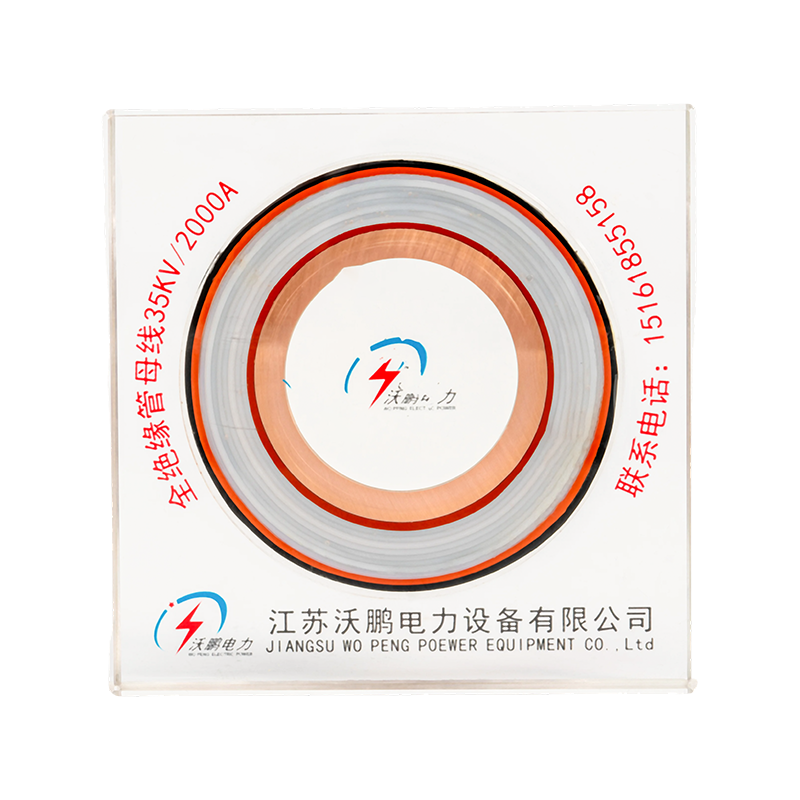


How to Prevent Oxidation on Aluminum Busbar Connections?
Content
- 1 Why Aluminum Busbar Joints Oxidize Faster Than the Conductor Body
- 2 Six Practical Steps to Prevent Oxidation at the Joint
- 3 Choosing Surface Treatments and Plating: A Comparison
- 4 Corrosion-Resistant Busbar Components
- 5 Insulation and Environmental Protection Beyond the Joint
- 6 Inspection Schedule to Catch Oxidation Before It Causes Failure
- 7 Common Mistakes That Accelerate Oxidation
- 8 Frequently Asked Questions
Oxidation on aluminum busbar connections is prevented by removing the natural oxide layer mechanically, applying an oxidation-inhibiting joint compound immediately after cleaning, using the correct plated or bimetallic connector, and maintaining proper torque and sealing so moisture and air cannot re-enter the joint. When these four steps are followed together, a connection on a well-designed tubular busbar system can stay stable for decades, while skipping even one of them is the most common reason field joints overheat within a few years.
Why Aluminum Busbar Joints Oxidize Faster Than the Conductor Body
Aluminum reacts with oxygen almost instantly once a fresh surface is exposed, forming a thin aluminum oxide film. On the open conductor run this film is actually protective, but at a bolted or clamped joint it becomes a problem because aluminum oxide is an electrical insulator, not a conductor. Left in place, this film raises the contact resistance at the joint, and resistance turns directly into heat under load. A high current busbar connection carrying several thousand amps can see a localized temperature rise of 20 to 40 degrees Celsius above the surrounding conductor simply because a thin oxide layer was never removed before assembly.
Moisture, industrial pollutants, and coastal salt air accelerate this process further. In a standard industrial environment, an untreated aluminum joint can show measurable oxide growth within 90 days; in coastal or high-humidity regions, that window shortens to a matter of weeks. This is why every reputable power distribution busbar installation procedure treats joint preparation as a distinct step, separate from simply tightening bolts.
Six Practical Steps to Prevent Oxidation at the Joint
The following sequence reflects standard practice used across substation and industrial busbar installations, and applies to both new construction and retrofit work on an existing electrical busbar system.
- Mechanically abrade the contact surface. Use a stainless steel wire brush or fine abrasive pad to remove the visible oxide layer down to bright metal. Never use a brush that has previously touched copper, as embedded copper particles create galvanic corrosion on aluminum.
- Apply joint compound within minutes. An oxide-inhibiting joint compound (typically a zinc- or aluminum-particle grease) must be applied immediately after abrading, before a new oxide film can reform. The compound displaces air and moisture from the microscopic surface irregularities.
- Re-abrade through the compound. Working the wire brush through the applied compound breaks up any oxide that formed in the seconds after cleaning, embedding fresh conductive contact points.
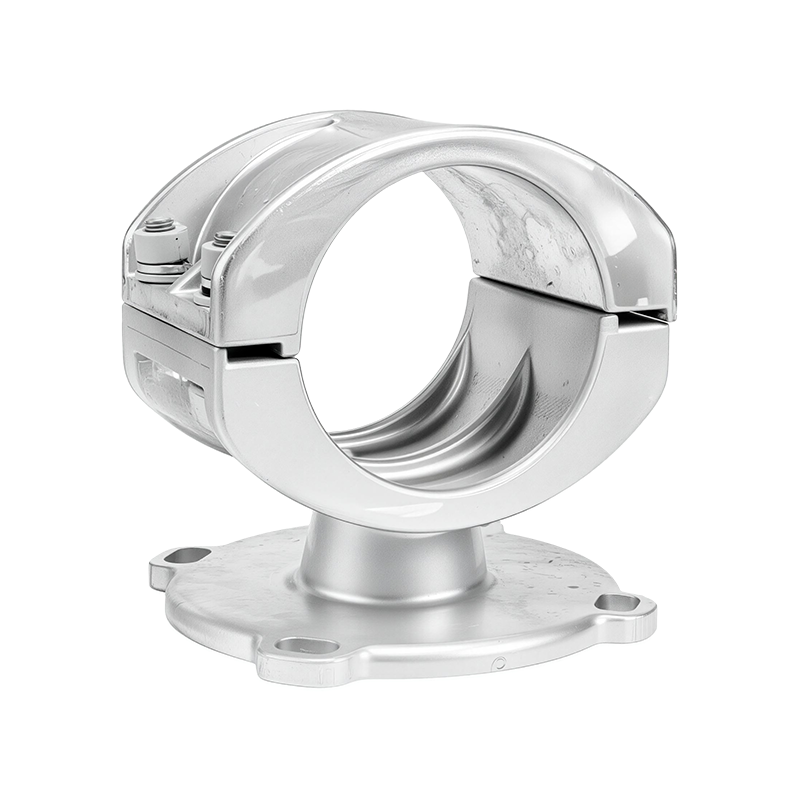
- Select the correct connector material. Aluminum-to-aluminum joints should use aluminum or aluminum alloy hardware; aluminum-to-copper transitions require a certified bimetallic busbar connector to prevent galvanic action between dissimilar metals.
- Torque to the manufacturer's specification. Under-torqued joints leave gaps where air and moisture migrate in; over-torqued joints can crack the oxide-protective compound layer or deform the aluminum. Both extremes shorten joint life.
- Seal and insulate the finished joint. Heat-shrink boots, insulating tape, or a fully enclosed housing keep out humidity, dust, and condensation for the life of the installation.
Choosing Surface Treatments and Plating: A Comparison
Plating and coating choices affect both the initial oxidation resistance and the long-term maintenance interval of a joint. The table below summarizes common options used in busbar system solutions today.
| Treatment | Oxidation Resistance | Typical Use Case |
| Bare aluminum with joint compound | Moderate, needs periodic re-service | Indoor, low-humidity panels |
| Tin-plated aluminum | High | Outdoor substations, humid climates |
| Silver-plated contact points | Very high, low contact resistance | High-current switchgear, critical joints |
| Fully insulated tube encapsulation | Highest, joint isolated from atmosphere | Coastal or chemically aggressive sites |
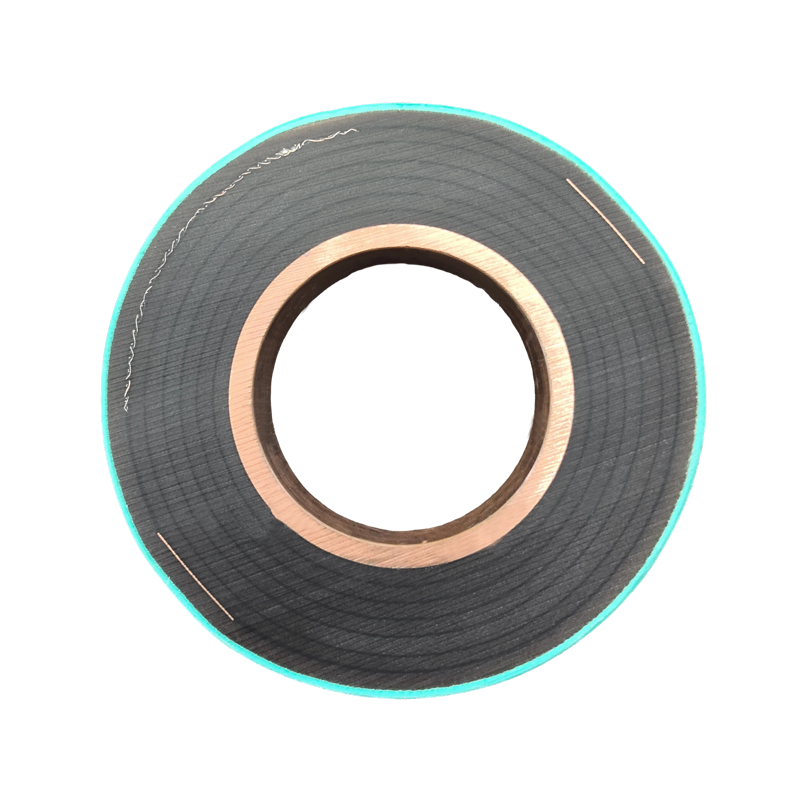
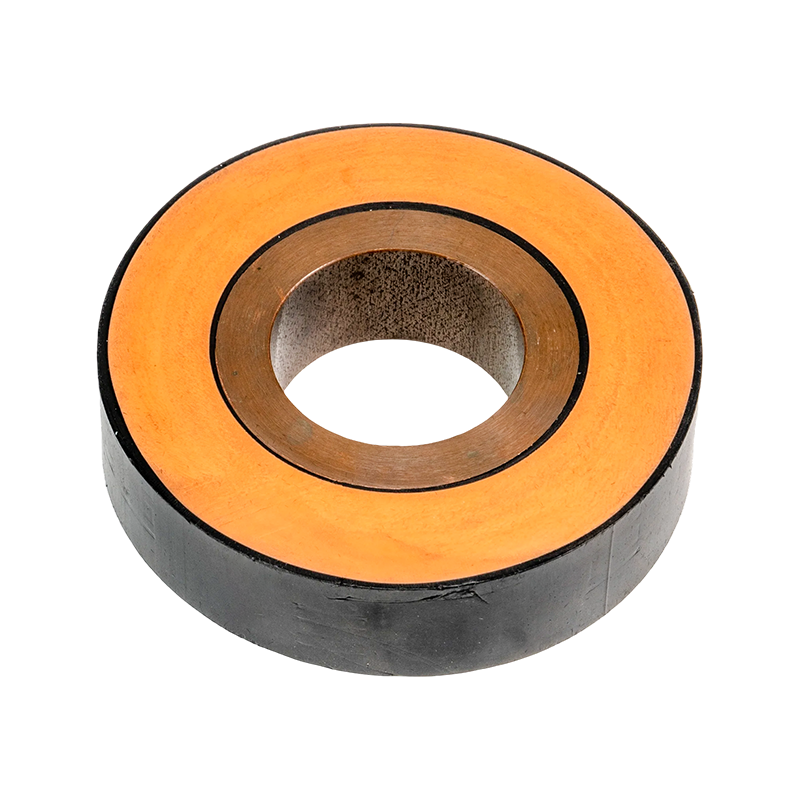
Where the environment is particularly harsh, many engineers move away from open bolted joints entirely and specify a Fully Insulated Tubular Bus Bar, which wraps the conductor in a PTFE, epoxy resin, or EPDM silicone rubber layer so the joint is never exposed to open air after commissioning.
Corrosion-Resistant Busbar Components
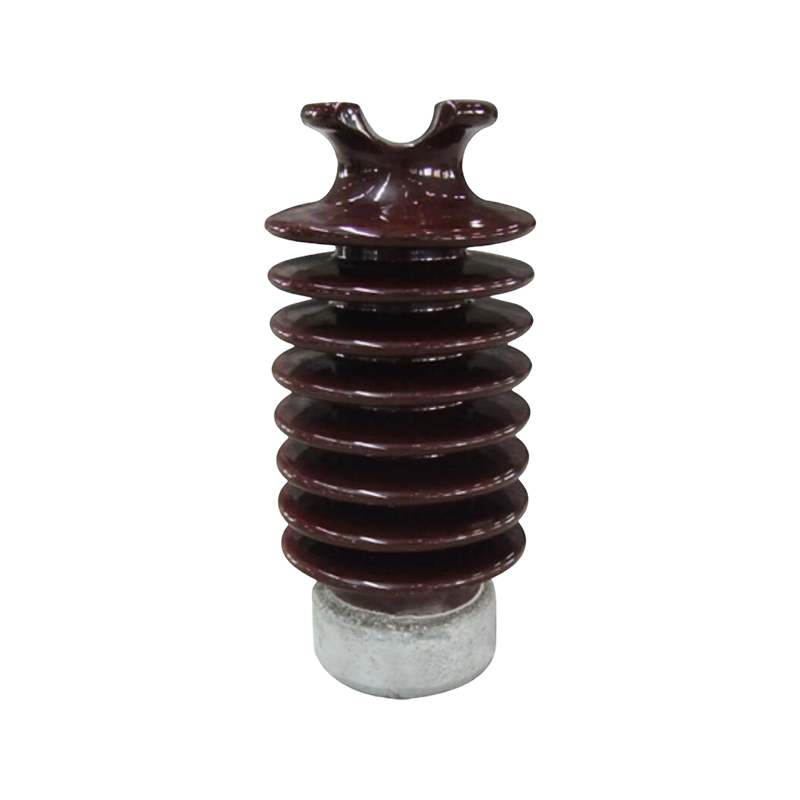
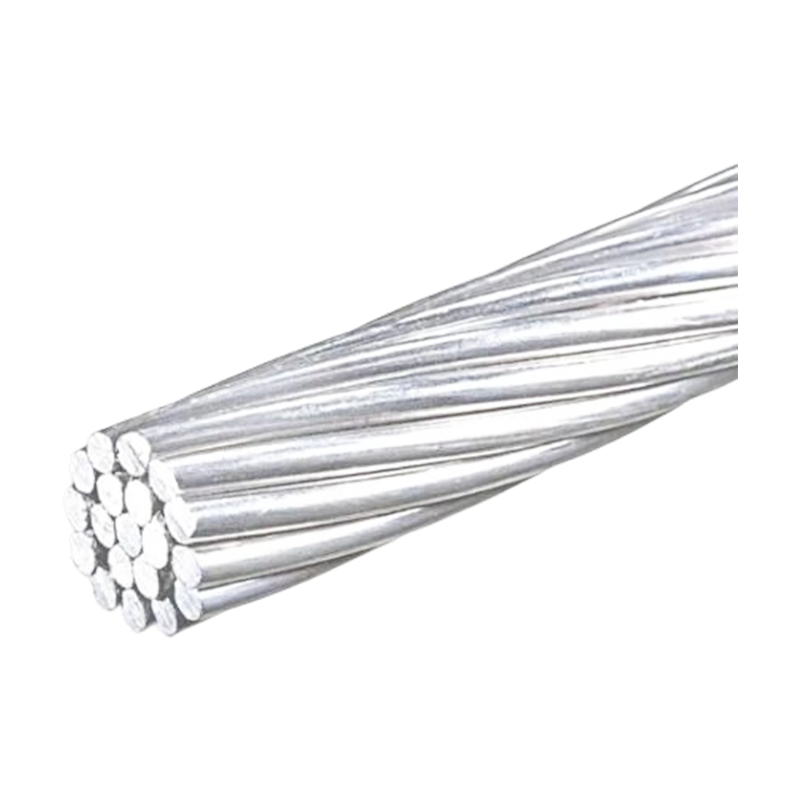
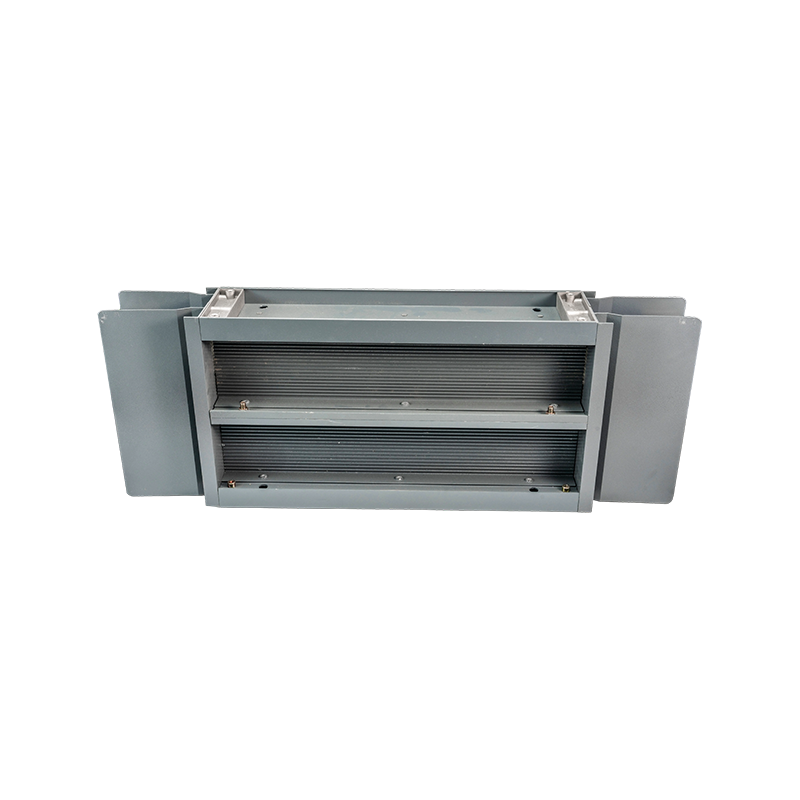
Beyond the joint itself, the surrounding hardware determines how long a connection stays free of oxidation and mechanical stress. The components below are commonly paired with aluminum tubular conductors to extend service life in demanding outdoor and industrial environments.





Insulation and Environmental Protection Beyond the Joint
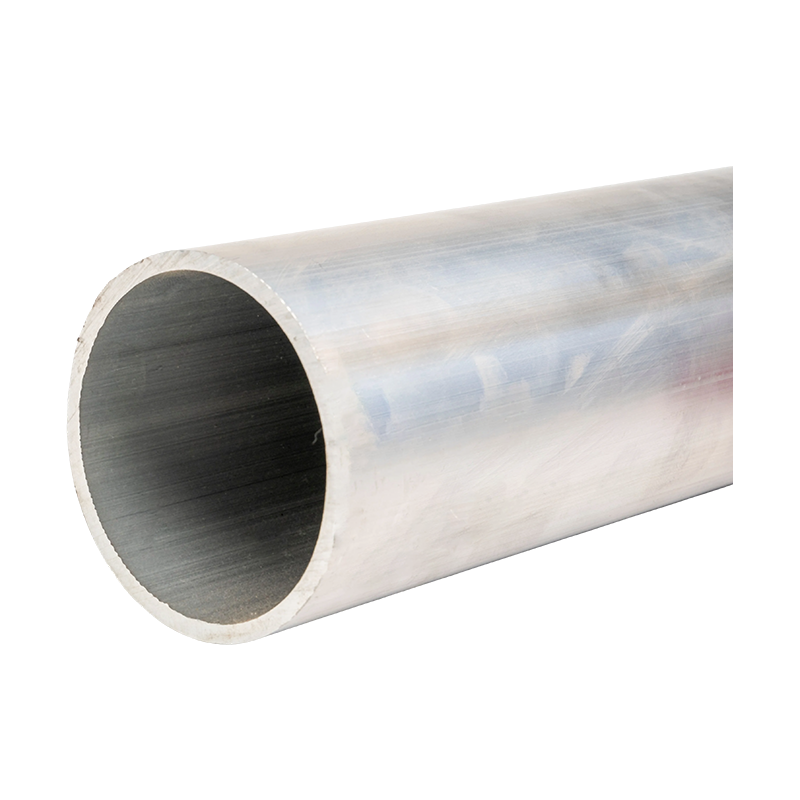
Preventing oxidation is not limited to the connection point. The full length of an Aluminum Alloy Tubular Bus Bar benefits from environmental protection strategies that reduce the overall exposure of bare metal:
- Applying anodizing or a clear protective coating to exposed runs in outdoor or coastal installations.
- Using a PTFE Tubular Bus Bar or EPDM Silicone Rubber Tubular Bus Bar jacket where the conductor passes through corrosive or chemically active zones.
- Maintaining adequate clearance and ventilation so condensation does not collect on the conductor surface overnight.
- Installing bus-bar supports and post insulators rated for the specific voltage class, keeping the conductor mechanically stable so joints are not repeatedly stressed by vibration or thermal expansion.
For sites transitioning to a High-density Compact Busway or a High And Low Voltage Busway System, the enclosure itself acts as the first line of defense, since the conductor is never directly exposed to open air except at inspection points.
Inspection Schedule to Catch Oxidation Before It Causes Failure
Even correctly installed joints benefit from periodic checks, since gasket wear, vibration, and thermal cycling can gradually loosen a connection over years of service.
| Interval | Action |
| Every 3 months | Infrared thermal scan of accessible joints under load |
| Every 12 months | Visual inspection for discoloration, white oxide powder, or corrosion streaks |
| Every 3 to 5 years | Torque verification and re-application of joint compound where seals show wear |
| After any fault event | Full disassembly and inspection of joints that carried fault current |
A thermal scan reading more than 10 degrees Celsius above an equivalent, healthy joint on the same Low-voltage electrical busbar run is generally treated as an early warning sign and scheduled for disassembly at the next planned outage.
Common Mistakes That Accelerate Oxidation
Field experience across substation and industrial retrofit projects points to a small set of recurring errors:
- Reusing a wire brush that has also been used on copper conductors, introducing copper particles that trigger galvanic corrosion.
- Delaying compound application after abrading the surface, allowing a fresh oxide layer to form before the joint is sealed.
- Mixing aluminum and copper hardware directly without a rated bimetallic connector.
- Skipping re-torque checks after the first thermal cycle following commissioning, when hardware settles and clamping force can drop.
- Choosing a generic support structure instead of a support system engineered for the specific busbar diameter and current rating, which can allow micro-movement that repeatedly disturbs the joint seal.
Frequently Asked Questions
Does anodized aluminum still need joint compound at connections?
Yes. Anodizing protects the open conductor surface, but the anodized layer itself is non-conductive and must be removed at the contact area before applying compound and making the connection.
Can aluminum busbars connect directly to copper equipment terminals?
Not without a bimetallic transition connector. Direct aluminum-to-copper contact in the presence of moisture creates a galvanic cell that corrodes the aluminum side rapidly.
How often should joint compound be reapplied?
Most manufacturers recommend inspecting compound condition every three to five years, or sooner in coastal, industrial, or high-humidity environments where the sealing boot may degrade faster.
Is a fully insulated busbar immune to oxidation?
The insulated jacket greatly reduces exposure, but any joint, tap, or termination point where the conductor is exposed for connection still requires the same surface preparation and compound application described above.



-
 +86-180 3625 3000
-
 admin@wpbusbar.com
-
 No. 8, Yanjin Road, Chengxi Industrial Park, Shanyang Town, Baoying County, Yangzhou City, Jiangsu Province, China
Copyright © Jiangsu Wopeng Power Technology Co., Ltd.
All Rights Reserved.
 Custom Insulated Bus Bar Manufacturer
Tubular Busbar System Factory
Custom Insulated Bus Bar Manufacturer
Tubular Busbar System Factory