

 EN
EN

 English
 русский
 Français
 Español
 عربى
عربى
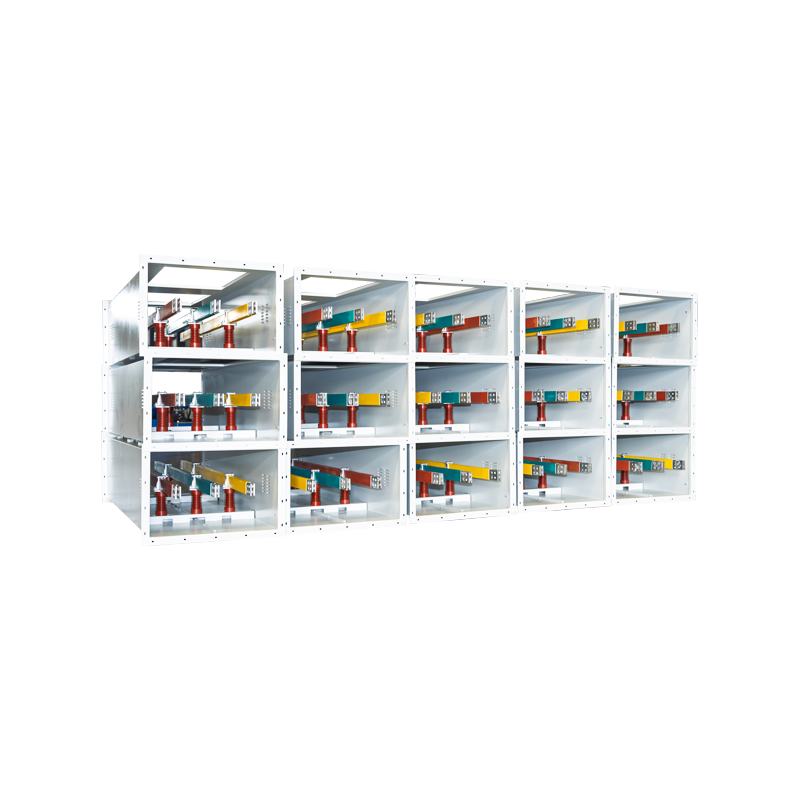


Copper Busbar vs Aluminum Busbar: Ampacity, Weight, Cost and Fault Duty
Content
- 1 Copper vs Aluminum Busbar: The Differences That Change Drawings
- 2 Conductivity, Ampacity and the Weight Math
- 3 Where Copper and Aluminum Actually Fail on Site
- 4 Cost, Life-Cycle and the Numbers Buyers Miss
- 5 Design Choices That Change the Verdict
- 6 A Practical Selection Checklist
- 7 Frequently Asked Questions
A 3,200 A busway extension usually arrives with two quotations and one argument: the aluminum option is cheaper and roughly half the weight, while the copper option is smaller, matches the approved switchgear drawings, and behaves the way maintenance teams expect.
Here is the short answer. Aluminum wins when material cost, weight and long straight runs dominate and the site environment is manageable. Copper wins when the space envelope is tight, fault levels are high, the site chemistry is aggressive, or the equipment at both ends was built around copper terminals. Most problems come not from the metal itself, but from design details copied across from the other metal.
Copper vs Aluminum Busbar: The Differences That Change Drawings
Copper and aluminum differ in ways you can measure, quote and design around. The values below are the ones that move drawings, not the ones that fill textbooks.
| Property | Copper | Aluminum | What it means on the drawing |
|---|---|---|---|
| Electrical conductivity | 100% IACS | 61% IACS | Aluminum needs about 1.5 to 1.6 times the cross-section for the same current |
| Resistivity at 20 °C | 1.72 µΩ·cm | 2.83 µΩ·cm | Loss and voltage drop calculations must use the real section |
| Density | 8.96 g/cm3 | 2.70 g/cm3 | At equal ampacity, aluminum weighs about half as much |
| Thermal conductivity | 401 W/m·K | 237 W/m·K | Heat spreads more slowly, so temperature rise must be confirmed by type test |
| Linear expansion | 16.5 × 10⁻⁶/K | 23 × 10-6/K | Aluminum moves about 40% more, so long runs need expansion provision |
| Short-circuit constant k (IEC 60949) | 226 A·s1/2/mm2 | 148 A·s1/2/mm2 | At equal section, copper absorbs roughly 2.3 times the I²t |
| Surface oxide | Thin and conductive | Insulating, forms in minutes | Aluminum joints need brushing, compound and immediate assembly |
Three rows drive most decisions. If the enclosure width is already fixed, conductivity decides whether aluminum fits at all. If the run is long and outdoors, expansion sets the allowance. If the fault level is high, the short-circuit constant decides whether the section steps up a size.
Conductivity, Ampacity and the Weight Math
The 61% IACS figure is often misread as "aluminum carries 61% of the current". That is true only at identical cross-sections, and nobody sizes a busbar that way.
Equal DC resistance would need about 1.64 times the aluminum area, yet tested designs usually land nearer 1.5 to 1.6 times, because a wider bar has more cooling surface per ampere. The weight then follows density: roughly 1.6 × 2.70 g/cm3 against 8.96 g/cm3, so an equal-ampacity aluminum busbar carries around half the copper mass.
That weight saving is not cosmetic: fewer supports, lighter seismic bracing, less structural steel and cheaper freight. The trade-off is volume. The same ampacity in aluminum needs more space, and inside a fixed 600 mm enclosure that alone can rule aluminum out before price is discussed.
Where Copper and Aluminum Actually Fail on Site
Joints and the oxide layer
Aluminum grows an insulating oxide within minutes of brushing, and that layer melts above 2,000 °C. A joint that looks tight may read as high resistance and heat up under load, so aluminum work needs brushing under antioxidant compound, immediate assembly and calibrated torque. Copper oxide is thin and does not block conduction the same way.
Creep and torque loss
Aluminum creeps under sustained bolt pressure above roughly 90 to 100 °C at the joint, slowly losing contact pressure. Belleville washers plus a documented re-torque interval are the standard countermeasures. Copper is more forgiving here, which is why copper-experienced maintenance teams resist the switch.
Thermal expansion on long runs
Aluminum expands about 40% more than copper. On a 30 m run with a 60 K swing, that is roughly 12 mm of extra movement to absorb through sliding supports or expansion joints. Re-specifying a copper layout in aluminum without touching the supports typically shows up as buckled bars in the first hot season.
Fault energy and short-circuit temperature
With adiabatic constants of about 226 A·s1/2/mm2 for copper and 148 for aluminum, an identical cross-section reaches its limiting temperature at roughly 43% of the copper I²t. Either the aluminum section grows, or the protection clearing time shortens. A coordination study that ignores this is not finished.
Cost, Life-Cycle and the Numbers Buyers Miss
Conductor price is the number everyone quotes and the smallest part of the story. Aluminum costs a fraction of copper per kilogram and you need about half the mass at equal ampacity, so the raw material gap is wide. On a delivered package the saving narrows once the wider enclosure, larger joints and the labour to prepare aluminum joints properly are added.
Two costs get missed most often. First, enclosure and switchgear modification: if the aluminum design needs 800 mm where copper fitted 600 mm, sheet steel, plating and freight can absorb a third of the conductor saving. Second, maintenance: a documented re-torque programme across 25 years is real labour, not a footnote.
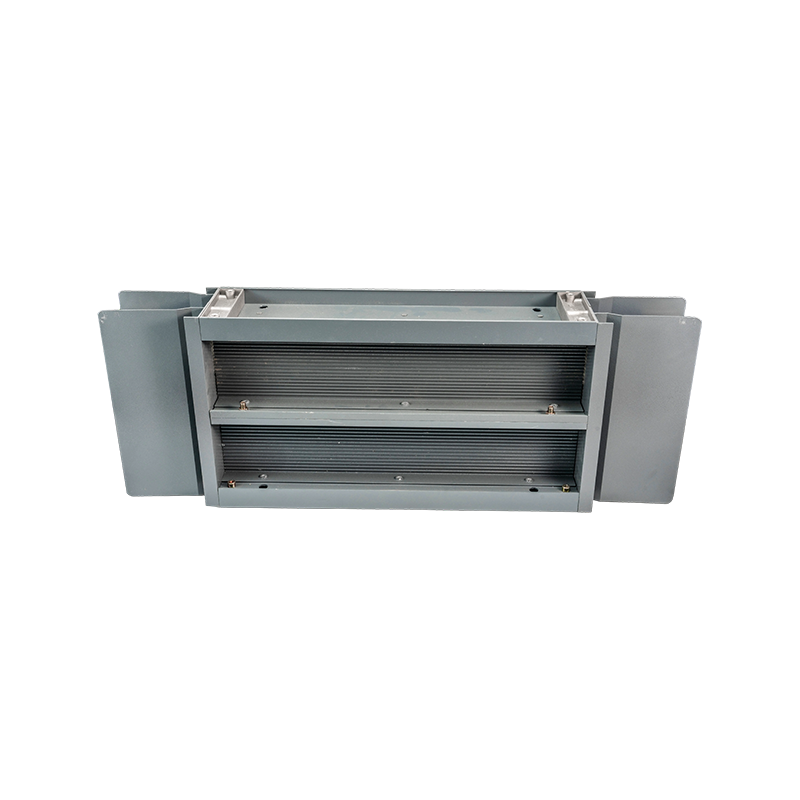
Where the comparison happens at busway level rather than bar level, the conductor stops being the main variable. A tested medium and low voltage busway system packages conductor, insulation, joints and expansion provision as one assembly, so the type test result and the joint design matter more than the alloy.
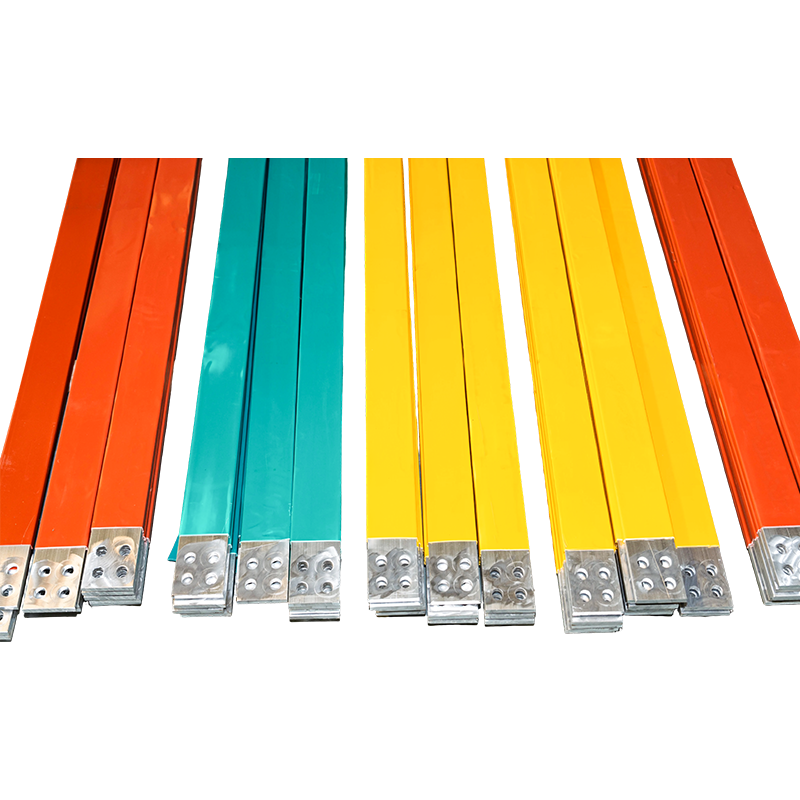 High and Low Voltage Fully Insulated Busway SystemA compact fully insulated busway assembly for medium- and low-voltage distribution, designed around joint performance, modular expansion, and space-constrained retrofit projects.View Product →
Design Choices That Change the Verdict
Three design decisions pull an aluminum solution much closer to copper on performance, and they are usually cheaper than changing metal.
Alloy and temper, not just "aluminum"
Electrical-grade 1350 is soft and creeps. Grades such as 6101-T6 and magnesium-aluminum alloys deliver higher tensile strength and stiffness, which matters for self-supporting tubular runs spanning between supports. Specifying plain "aluminum" without an alloy and temper is how projects end up with sagging bars and joints that lose torque.
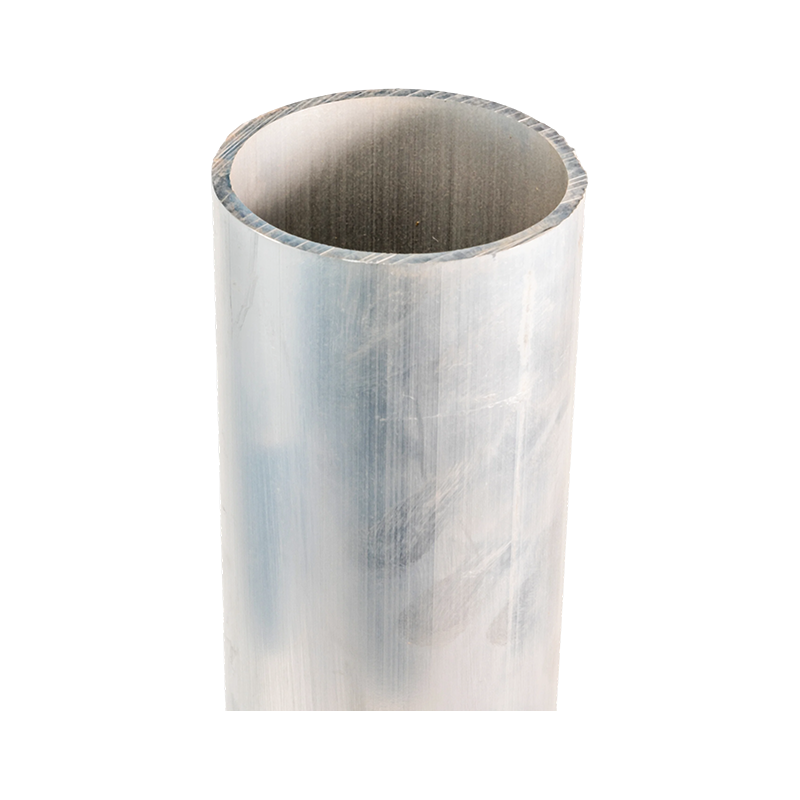 Ultra-High Voltage Magnesium-Aluminum Alloy Tubular Bus BarA UHV magnesium-aluminum tubular busbar with high conductivity, long support spans, and compatibility with epoxy casting or PTFE insulation in demanding stations.View Product →
Insulation that seals the conductor
A fully insulated tubular busbar takes the conductor surface out of the environment altogether. EPDM and silicone rubber covers suit field-installed systems, epoxy resin casting gives a rigid sealed structure for 35 kV class work, and PTFE covers are selected where chemical resistance leads. Once the aluminum is sealed, the corrosion argument for copper largely disappears, and what remains is ampacity, fault energy and space.
 Epoxy Resin Casting Tubular Bus BarA fully insulated, fully shielded tubular busbar with vacuum-cast epoxy insulation and oxygen-free copper conductors, suited to 10–35 kV substations and indoor distribution.View Product →
In coastal substations and chemical plants, the combination we build most often is an aluminum alloy tubular busbar with cast insulation and plated bimetallic transitions at the copper terminals: aluminum cost and weight, with the joint chemistry moved inside a sealed envelope.
A Practical Selection Checklist
Work through these before the quotation is fixed. Each item can flip the choice on its own.
- Ampacity after derating for ambient temperature, altitude and enclosure ventilation.
- Short-circuit withstand: peak current and thermal I²t at the real clearing time.
- Space envelope: available width, height and bend radius along the route.
- Terminal material at both ends, including transformer and generator connections.
- Site chemistry: chloride, ammonia, hydrogen sulfide, humidity and condensation cycles.
- Load profile: continuous or cyclic, because cycling punishes aluminum joints harder.
- Weight limits on existing steel, roof structure or supporting frames.
- Who will re-torque joints, with what tool, and how often.
- Applicable type tests, for example the IEC 61439 series for busbar trunking systems.
- Life-cycle cost over 20 to 25 years, including losses, maintenance and enclosure.
For a medium or low voltage distribution board rather than a tubular run, this guide to choosing the right bus bar for medium and low voltage systems follows the same sequence step by step.
Frequently Asked Questions
Can aluminum carry the same current as copper?
Not at the same cross-section. At 61% IACS, aluminum needs roughly 1.5 to 1.6 times the area for the same temperature rise. Sized and type tested to that rating it performs correctly; the difference shows up as size and weight, not as a compromise in principle.
Can copper and aluminum be bolted directly together?
Direct dry joints are a known weak point. The two metals sit far apart in the galvanic series, so any moisture film drives galvanic corrosion of the aluminum. Use plated bimetallic transitions or tin-plated interfaces with antioxidant compound, kept dry and accessible for inspection.
Which metal is better at high fault levels?
Copper. At equal section it absorbs roughly 2.3 times the I²t before reaching its limiting temperature. In high-fault substations that either enlarges the aluminum section or makes copper the cheaper total solution.
Does aluminum busbar need more maintenance?
Its bolted joints need a documented re-torque schedule, especially after the first thermal cycles. Cast and fully insulated designs reduce this sharply, because the conductor is sealed and the joints are engineered rather than field-prepared.
Neither metal wins universally. Copper buys compactness, fault tolerance and predictable joints. Aluminum buys cost and weight, provided joints, expansion and environment are engineered rather than assumed. Compare ampacity, fault level, space and site chemistry first, then run the price comparison on the final design instead of the first sketch.
If you are weighing the two materials for a specific project and need the section, insulation type and transition detail worked out, our engineering team can run the numbers with you. Send us the duty and site conditions and we will return a sized comparison rather than a catalogue page.



-
 +86-180 3625 3000
-
 admin@wpbusbar.com
-
 No. 8, Yanjin Road, Chengxi Industrial Park, Shanyang Town, Baoying County, Yangzhou City, Jiangsu Province, China
Copyright © Jiangsu Wopeng Power Technology Co., Ltd.
All Rights Reserved.
 Custom Insulated Bus Bar Manufacturer
Tubular Busbar System Factory
Custom Insulated Bus Bar Manufacturer
Tubular Busbar System Factory