

 EN
EN

 English
 русский
 Français
 Español
 عربى
عربى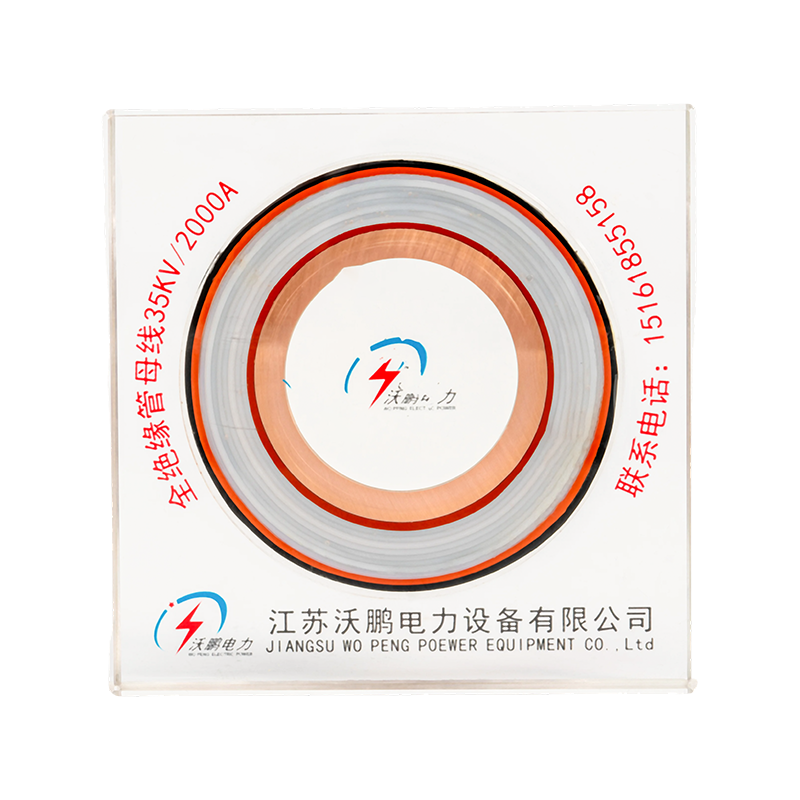
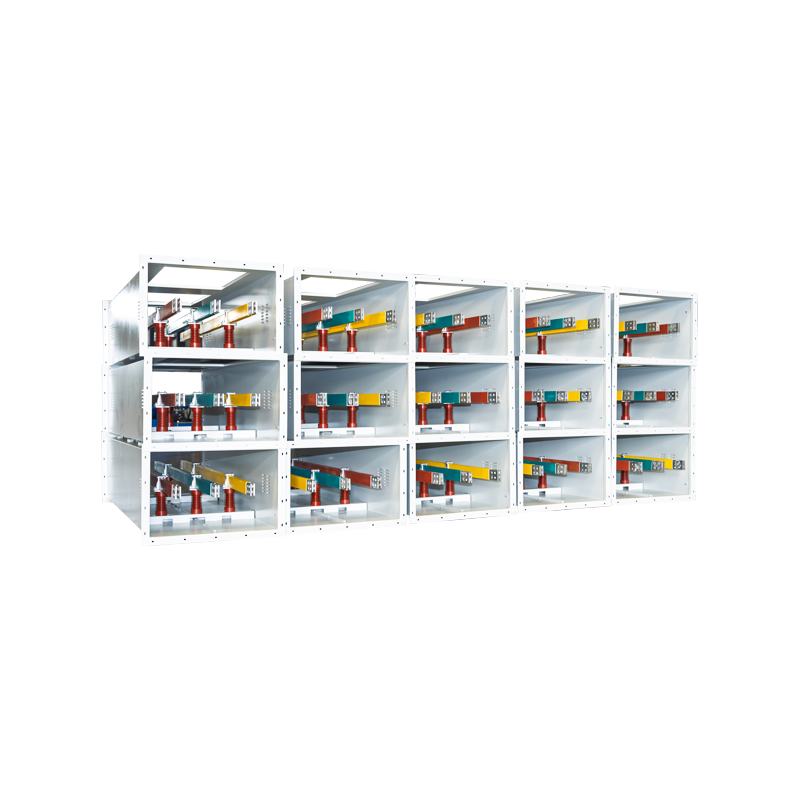


What Is an EPDM Silicone Rubber Tubular Bus Bar and How Does Co-Extrusion Enable Superior Insulation?
Content
- 1 Design Principles of the Composite Shielded Insulation Structure
- 2 Comparative Analysis of Key Material Performance
- 3 Detailed Explanation of Triple-Layer Co-Extrusion Manufacturing Process
- 4 Typical Application Scenarios and Engineering Cases
- 5 Technical Selection Points and Installation Specifications
- 6 Technology Development Trends
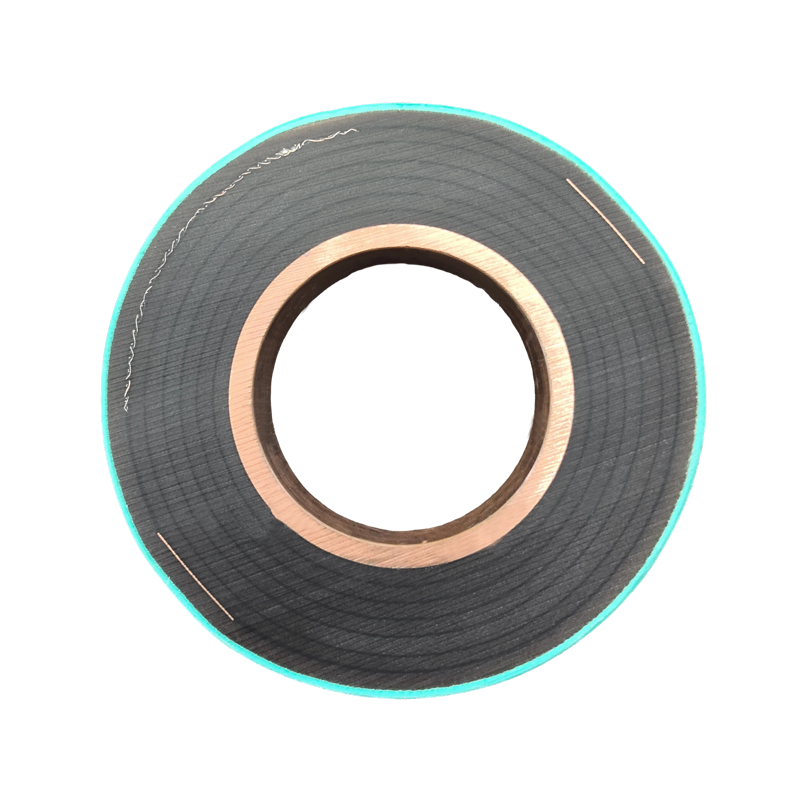
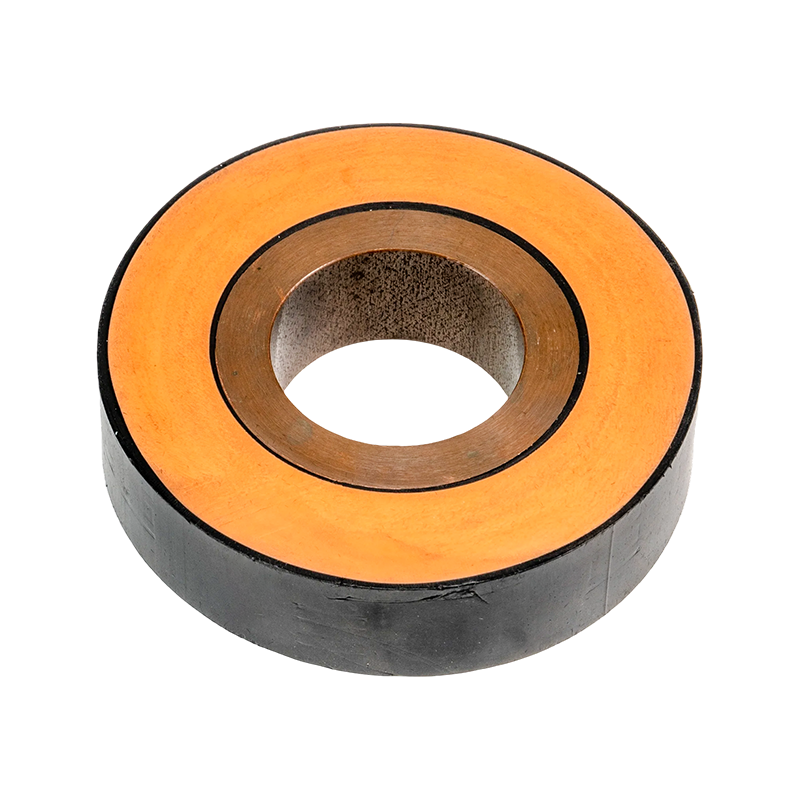
The EPDM silicone rubber tubular bus bar adopts a composite shielded insulation structural design. Through polymer extrusion technology, the tubular copper or aluminum conductor, conductor shielding layer, insulation layer, and insulation shielding layer are co-extruded in a single process, achieving both conductive current-carrying and shielded insulation functions. Compared with traditional wrapped-insulation bus bars, this structure eliminates interlayer air gaps and bubbles, significantly reducing partial discharge risks. The insulation resistance reaches ≥10,000 MΩ (10 kV and above), the lightning impulse withstand voltage reaches 95 kV (10 kV class) to 200 kV (35 kV class), and the protection level reaches IP55, making it suitable for outdoor and heavily polluted environments.
Design Principles of the Composite Shielded Insulation Structure
Structural Advantages of Triple-Layer Co-Extrusion Technology
The EPDM silicone rubber tubular bus bar employs triple-layer co-extrusion technology, simultaneously extruding the conductor shielding layer, insulation layer, and insulation shielding layer to ensure tight, gap-free interfaces between the inner and outer shielding layers and the insulation layer. Traditional wrapped-insulation bus bars use an insulation tape winding process, which has the following inherent defects:
- The winding process tends to produce residual air gaps, increasing partial discharge risks
- The uniformity of insulation liquid coating is difficult to control, and bubbles easily form after curing
- Gaps exist at interlayer interfaces, which may lead to insulation breakdown during long-term operation
Triple-layer co-extrusion technology fundamentally solves the above problems. Through one-step molding, it achieves a zero-gap interface, making electric field distribution more uniform and controlling partial discharge to less than 10 pC.
Functions and Characteristics of Each Layer
| Structural Layer | Material Type | Core Function | Key Performance Parameters |
|---|---|---|---|
| Conductor | Solid copper tube / aluminum tube | High-current carrying | Single-bar current capacity up to 12,000 A |
| Conductor shielding layer | Semi-conductive material | Uniform electric field distribution | Eliminates electric field concentration caused by conductor surface burrs |
| Main insulation layer | EPDM rubber / silicone rubber | Electrical insulation | Dielectric strength 18–20 kV/mm |
| Insulation shielding layer | Copper foil / semi-conductive layer | Grounding protection | Achieves full-line shielded grounding |
| Outer sheath | Polyolefin polymer | Mechanical and environmental protection | Protection level IP40–IP55 |
Comparative Analysis of Key Material Performance
Insulation Performance of EPDM Rubber vs. Silicone Rubber
EPDM (ethylene propylene diene monomer) rubber and silicone rubber are the core materials for tubular bus bar insulation layers. Each has advantages in electrical performance and environmental resistance:
| Performance Indicator | EPDM Rubber | Silicone Rubber |
|---|---|---|
| Temperature range | -50°C to +150°C | -60°C to +200°C |
| Dielectric strength | 18 kV/mm | 20–28 kV/mm |
| Flexibility | Excellent | Outstanding |
| Weather resistance | Excellent (ozone, UV resistant) | Outstanding (hydrophobic, self-cleaning) |
| Flame retardancy | UL94 V-0 | UL94 V-0 |
| Primary applications | Outdoor exposure, vibration environments | High-temperature zones, flexible connections |
As the data shows, silicone rubber has advantages in dielectric strength and temperature range, with dielectric strength up to 28 kV/mm and an operating temperature range of -60°C to +200°C. EPDM rubber excels in weather resistance and anti-vibration performance, and has a relatively lower cost. In practice, a single material or composite use can be selected based on specific working conditions.
Conductor Material Selection: Copper Tube vs. Aluminum Tube
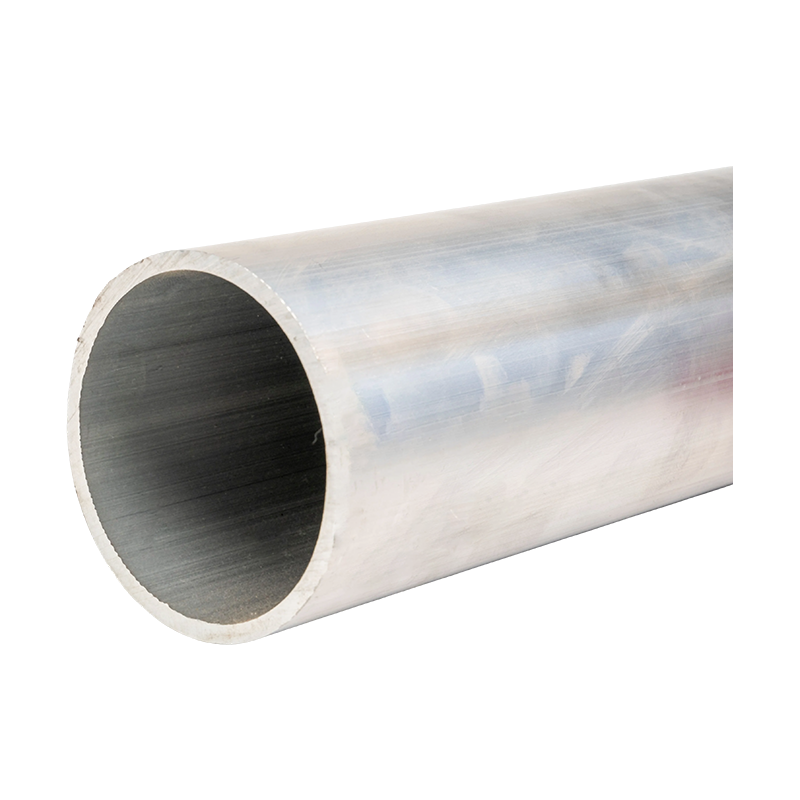
The tubular bus bar conductor adopts a hollow copper tube or aluminum tube structure, offering the following advantages over traditional rectangular bus bars:
- The hollow structure effectively reduces the skin effect, improving current-carrying capacity
- The circular tube shape optimizes electric field distribution and reduces corona discharge
- Copper conductors have low resistivity and high current capacity; aluminum conductors are lightweight and cost-effective
Copper conductors typically use C11000 or C10100 high-purity electrolytic copper, while aluminum conductors use 1350 or 6101 aluminum alloy. When bending the conductor, the bending radius should be ≥2.5 times the tube diameter to avoid insulation layer cracking.
Detailed Explanation of Triple-Layer Co-Extrusion Manufacturing Process
Process Flow and Quality Control
The manufacturing of EPDM silicone rubber tubular bus bars employs precision extrusion processes. The main steps include:
- Raw material preparation: Copper/aluminum tubes are drawn and cut to standard specifications; insulation materials require drying pretreatment
- Conductor processing: Cutting, indenting, punching, and tin plating according to drawings to reduce contact resistance; CNC pipe benders adjust angles
- Triple-layer co-extrusion: The extruder simultaneously extrudes the conductor shielding layer, insulation layer, and insulation shielding layer, ensuring tight interlayer bonding
- Outer sheath extrusion: Polyolefin polymer outer sheath provides mechanical protection and environmental sealing
- Joint shielding treatment: Shielded design achieves full-line insulation, with partial discharge at joints controlled below 10 pC
Key Testing Standards
Finished products must pass the following rigorous tests:
- Power-frequency withstand voltage test: Verifies insulation layer reliability at rated voltage
- Lightning impulse withstand test: 10 kV class must withstand 95 kV impulse voltage; 35 kV class must withstand 200 kV
- Partial discharge detection: Requires partial discharge <10 pC
- Temperature rise and dynamic stability test: Simulates full-load and short-circuit conditions to verify heat dissipation and mechanical strength
- Welding quality inspection: Automatic argon arc welding, joint resistance ≤1 μΩ
Typical Application Scenarios and Engineering Cases
New Energy Power Generation
In photovoltaic power stations and wind farms, EPDM silicone rubber tubular bus bars are widely used for high-current transmission on the low-voltage side of transformers. The rated voltage covers 0.4 kV to 35 kV (some products support 110 kV), and the single-bar current capacity reaches 12,000 A, meeting the power collection and step-up needs of large-capacity new energy units. Outdoor-type products have a protection level of IP55, capable of resisting sand, salt spray, and UV erosion.
Industrial Power Distribution Systems
In large industrial enterprise distribution rooms and switchgear, tubular bus bars replace traditional rectangular bus bars and cables, solving the following problems:
- Heat dissipation: Hollow conductors combined with insulation layer heat conduction provide better temperature rise control than densely insulated bus trunking
- Mechanical strength: Tubular structure has better bending and vibration resistance than rectangular bus bars
- Space optimization: Compact design reduces switchgear footprint
Rail Transit Traction Power Supply
In 25 kV AC traction substations for high-speed railways and urban rail transit, equipment withstands extreme vibration and impact. Structures using glass-fiber-reinforced polymer composite insulators with silicone rubber outer sheaths provide high mechanical strength and fatigue resistance through the glass-fiber core. The hydrophobic self-cleaning characteristics of the outer silicone rubber effectively resist conductive brake dust and environmental pollutants, ensuring traction power supply reliability.
Electric Vehicle High-Voltage Systems
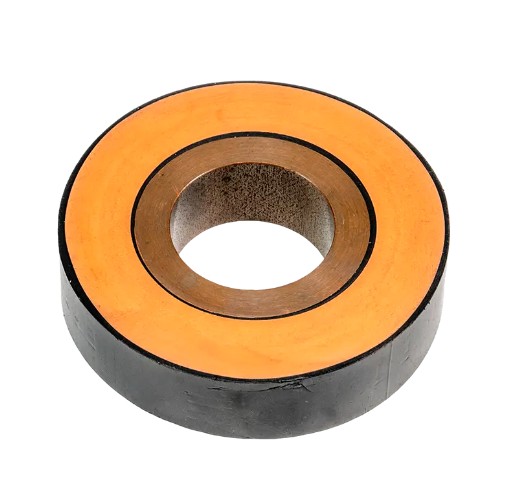
With the proliferation of electric vehicles (EVs) and hybrid electric vehicles (HEVs), demand for high-voltage bus bar insulation sleeves has surged. Silicone rubber heat-shrink sleeves (such as ST-OR type) are specifically designed for bus bar insulation coverage, with dielectric strength up to 28 kV/mm and an operating temperature range of -40°C to +200°C. After heat-shrink installation, they maintain the flexibility of silicone rubber, serving as an alternative to high-voltage cables to improve distribution system reliability and simplify production processes.
Technical Selection Points and Installation Specifications
Voltage Class and Insulation Thickness Matching
Select the corresponding insulation thickness and shielding structure according to the system voltage class:
| Rated Voltage | Lightning Impulse Withstand Voltage | Insulation Resistance | Applicable Scenarios |
|---|---|---|---|
| 10 kV | 95 kV | ≥10,000 MΩ | Medium-voltage distribution, industrial power |
| 35 kV | 200 kV | ≥10,000 MΩ | High-voltage transmission, new energy step-up stations |
| 110 kV | Customized per standards | ≥10,000 MΩ | Ultra-high-voltage transmission (supported by some products) |
Environmental Adaptability Selection
Different application environments impose differentiated requirements on bus bar insulation materials:
- High-altitude environments (>1,000 m): Reduced air density leads to decreased dielectric strength, requiring increased insulation clearance and creepage distance, with altitude correction per IEC 62271-1 standards
- Coastal and heavily polluted areas: Silicone rubber outer sheaths are selected, utilizing their hydrophobic characteristics to prevent continuous water film formation, combined with deep-rib shed structures to extend creepage paths
- High-vibration areas (railways, ships): Avoid brittle materials; select flexible materials such as EPDM or silicone rubber to ensure fatigue resistance
- Extreme temperature environments: Material thermal expansion coefficients must match metal conductors to prevent insulation layer cracking from temperature cycling
Installation Precautions
The following aspects require attention during installation:
- Bending radius control: Minimum bending radius ≥2.5 times the tube outer diameter to prevent excessive stretching of the insulation layer
- Joint treatment: Shielded joint design ensures full-line insulation continuity
- Fixing spacing: Reasonably set support point spacing according to bus bar specifications and span to avoid mechanical stress concentration
- Grounding requirements: Insulation shielding layers must be reliably grounded to ensure personnel and equipment safety
Technology Development Trends
New Materials and Intelligent Manufacturing
EPDM silicone rubber tubular bus bar technology is evolving in the following directions:
- Functional co-extrusion: Developing co-extrusion processes for silicone rubber with TPU and other materials to balance flexibility and wear resistance, or constructing multi-layer sandwich structures for functional integration
- Liquid silicone rubber (LSR) extrusion: Used for ultra-high-precision, complex cross-section micro-components, providing higher automation and cleanliness
- Online inspection and MES integration: 100% online monitoring of critical dimensions and surface defects, with traceable data, meeting high-reliability field requirements such as automotive electronics
- Radiation-crosslinked silicone rubber: Used for special cables, providing higher heat resistance and mechanical performance
With the acceleration of new energy vehicles, 5G communications, and data center construction, demand for high-voltage, high-frequency, miniaturized insulation components will continue to grow, driving EPDM silicone rubber tubular bus bar technology toward higher performance and greater intelligence.



-
 +86-180 3625 3000
-
 admin@wpbusbar.com
-
 No. 8, Yanjin Road, Chengxi Industrial Park, Shanyang Town, Baoying County, Yangzhou City, Jiangsu Province, China
Copyright © Jiangsu Wopeng Power Technology Co., Ltd.
All Rights Reserved.
 Custom Insulated Bus Bar Manufacturer
Tubular Busbar System Factory
Custom Insulated Bus Bar Manufacturer
Tubular Busbar System Factory