

 EN
EN

 English
 русский
 Français
 Español
 عربى
عربى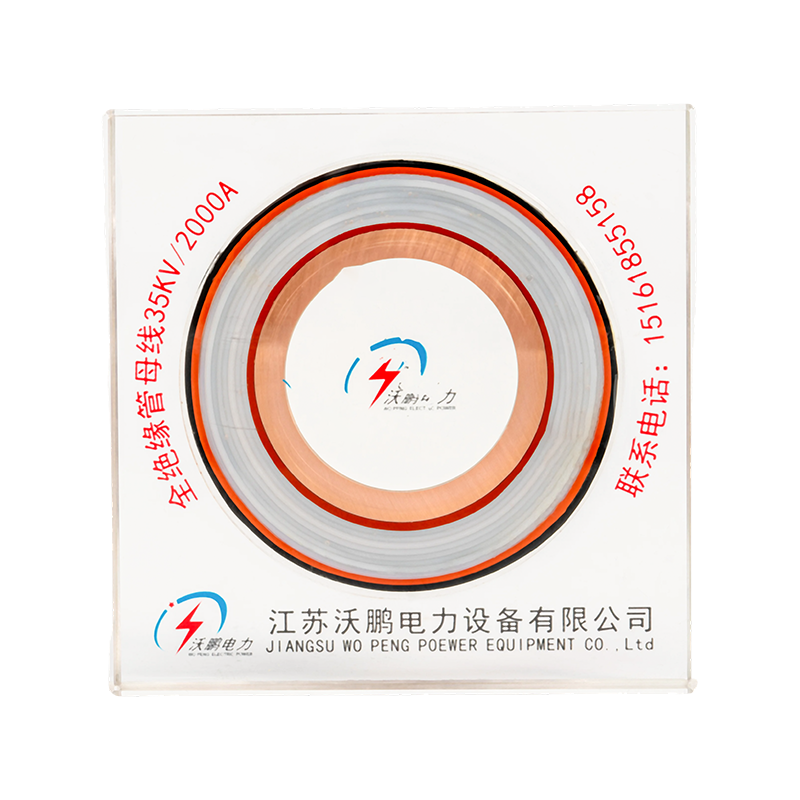
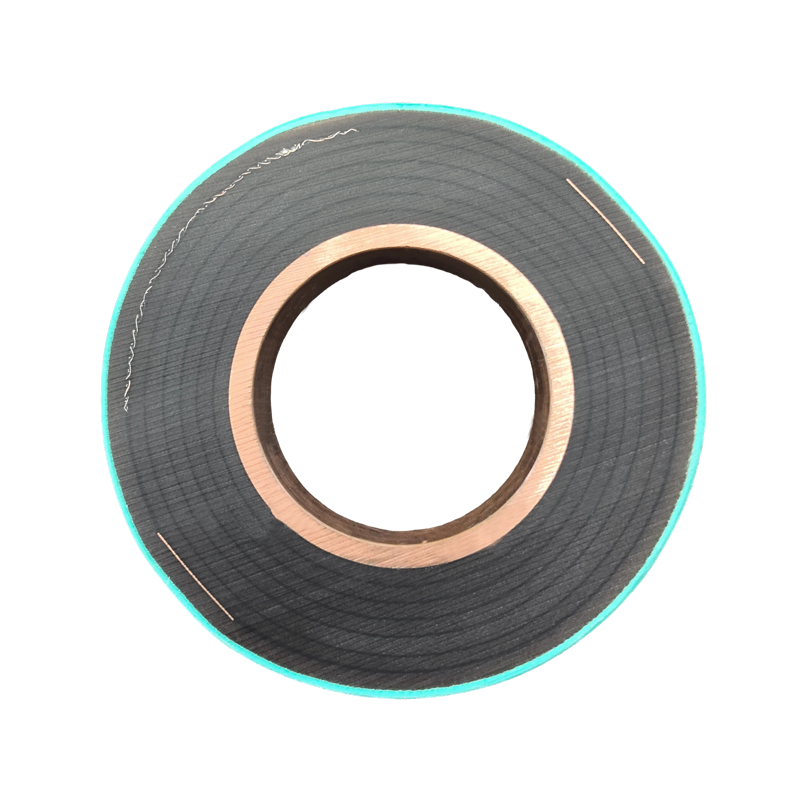
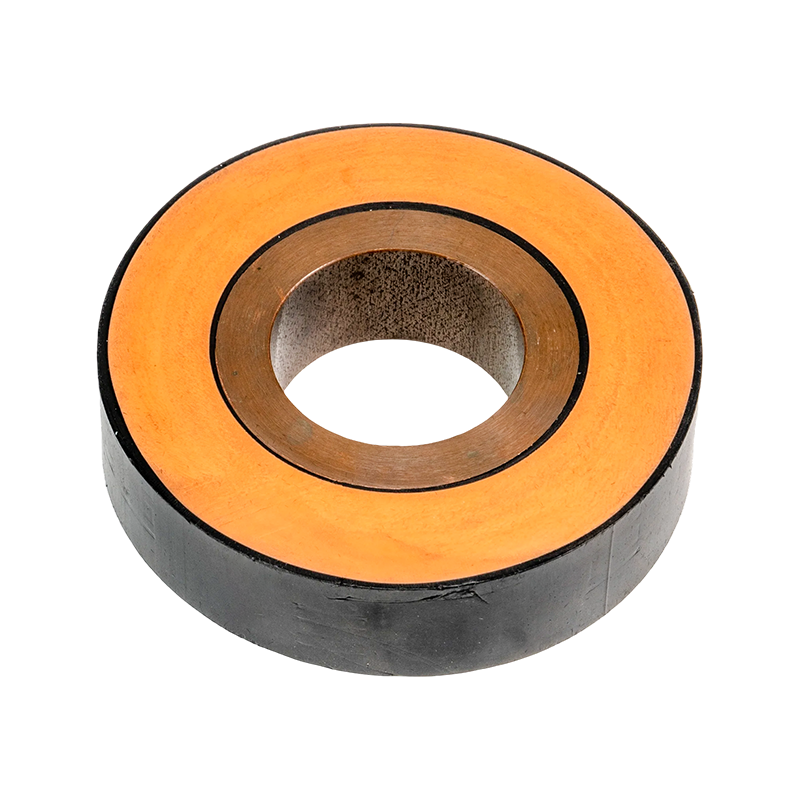
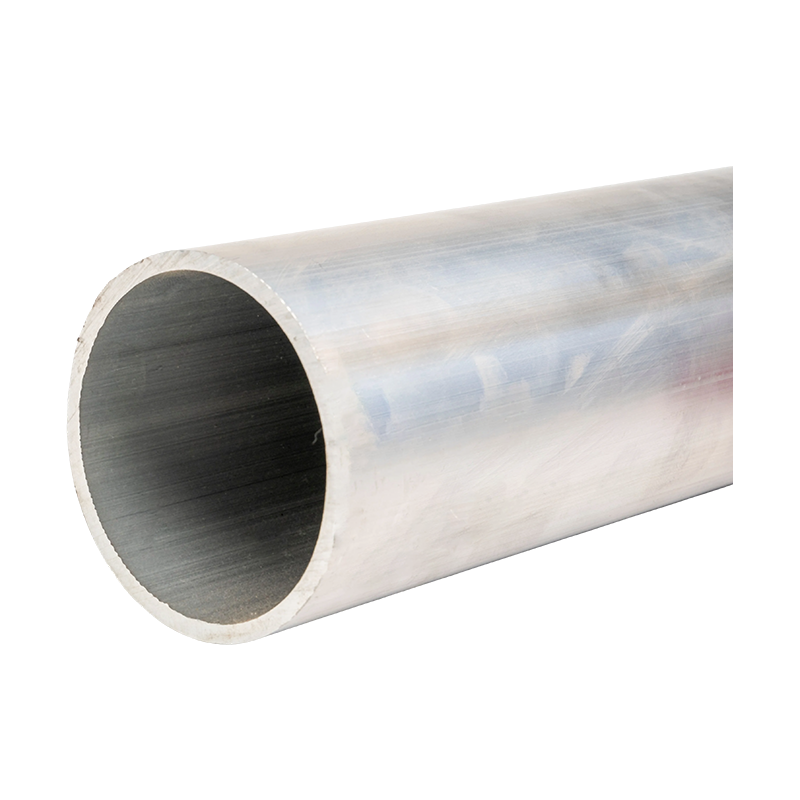
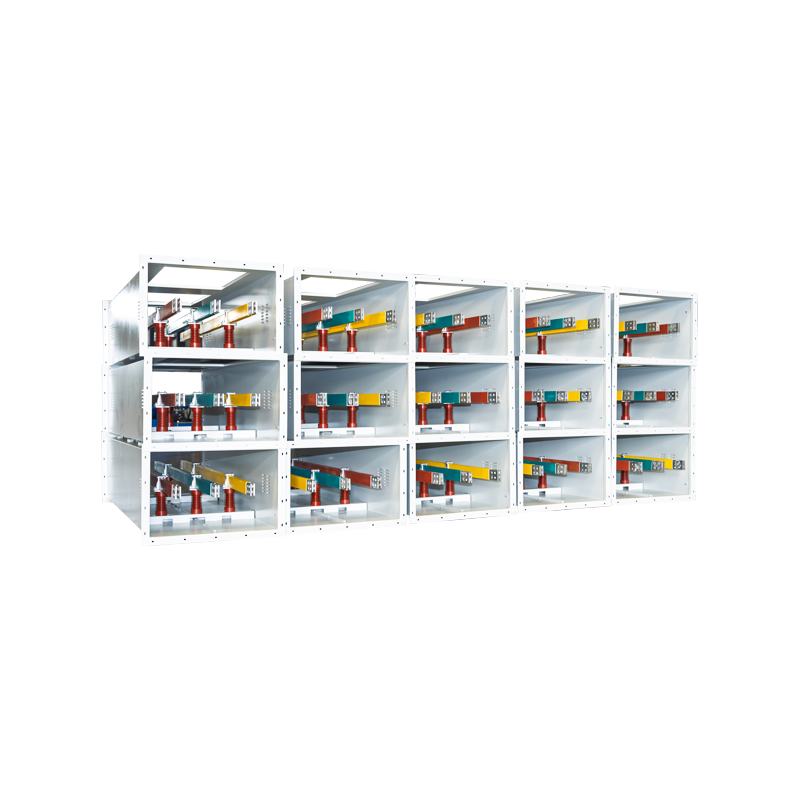


What is an Epoxy Resin Casting Tubular Bus Bar?
Content
- 1 Latest 2026 Technology Trends: Intelligence and Green Manufacturing
- 2 Structural Design Advantages: From Geometry to Physical Performance
- 3 2026 Industry Comparison: Epoxy Resin Casting Tubular Bus Bar vs. Traditional Solutions
- 4 Critical Connection Technology: Ensuring Seamless Power Flow
- 5 Diverse 2026 Application Scenarios: Embracing a New Energy Era
- 6 Conclusion: Leading the Reliable Future of Smart Grids
In the context of the global energy transition and accelerated industrial electrification in 2026, the Epoxy Resin Casting Tubular Bus Bar has emerged as a core component for high-voltage and extra-high-voltage power distribution systems. This technology utilizes a hollow cylindrical copper or aluminum tube as the conductor, encapsulated in a high-performance epoxy resin composite through an automated vacuum casting process, achieving a seamless integration of the insulation layer and the conductor.
The primary advantage of this bus bar lies in its fully enclosed, maintenance-free, and weather-resistant design. According to the latest 2026 industry technical standards, these bus bars not only offer superior electrical strength but also feature a design service life that has been extended to 30–50 years, far exceeding traditional cables or air-insulated bus bars. Market data indicates that with the surge in data centers and renewable energy integration, bus bars with IP68 protection ratings are replacing traditional wiring at a compound annual growth rate of approximately 6%.
Latest 2026 Technology Trends: Intelligence and Green Manufacturing
As we move through 2026, the Epoxy Resin Casting Tubular Bus Bar is no longer just a static power transmission tool; it is evolving toward digitalization and environmental sustainability.
Integrated Intelligent Sensing Systems
The latest generation of products has begun embedding fiber optic sensors or digital monitoring chips directly within the cast insulation layer. These sensors capture real-time data on temperature rise, partial discharge (PD) signals, and mechanical vibrations. Utilizing IoT technology, maintenance personnel can monitor bus bar status remotely, making Predictive Maintenance a reality and significantly reducing the risk of unplanned outages.
High-Performance Eco-Friendly Casting Media
In response to global green supply chain requirements, mainstream manufacturers in 2026 have adopted low-volatile, high-thermal-stability epoxy resin systems. These new materials enhance flame retardancy (meeting the highest V0 standards) while optimizing thermal conductivity. This allows for a 15% improvement in heat dissipation efficiency during full-load operation, notably reducing energy losses caused by temperature rise.\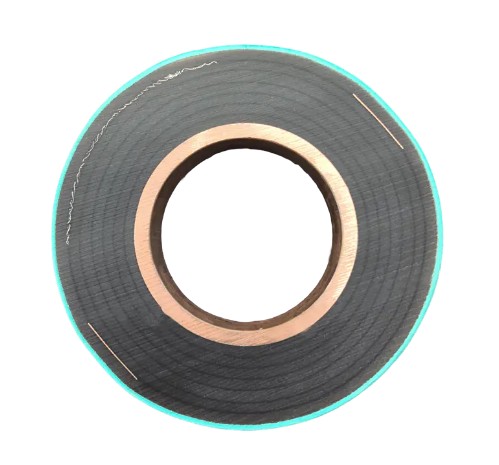
Structural Design Advantages: From Geometry to Physical Performance
The combination of tubular geometry and advanced material science allows this product to perform exceptionally well in managing high-frequency skin effects and large current transmissions.
Current Characteristics of Tubular Conductors
In AC transmission, the Skin Effect causes current to concentrate on the surface of a conductor. The tubular conductor provides a uniform electric field distribution, and its hollow interior increases the effective surface area for heat dissipation. Data shows that for the same cross-sectional area, the current-carrying capacity of a tubular conductor is 20% to 30% higher than that of a rectangular conductor.
Vacuum Injection and High-Temperature Curing
Utilizing automatic dual-component vacuum injection molding machines, the resin is injected under pressure in a vacuum environment to ensure total conductor encapsulation without microscopic bubbles. This process creates a solid, non-detachable structure capable of withstanding immense short-circuit electrodynamic forces, thereby protecting downstream electrical equipment.
2026 Industry Comparison: Epoxy Resin Casting Tubular Bus Bar vs. Traditional Solutions
To demonstrate its technical superiority, here is a comparison based on the latest 2026 industrial test data:
| Metric | Epoxy Resin Casting Tubular Bus Bar | Traditional Air-Insulated Busway | Power Cables |
|---|---|---|---|
| Protection Rating | IP68 (Fully Waterproof) | IP40-IP54 | Typically IP67 |
| Max Temp Rise Tolerance | Up to 130°C | Approx. 85°C | 70°C - 90°C |
| Maintenance Needs | Maintenance-Free | Periodic tightening/cleaning | Moderate |
| Service Life | 30 - 50 Years | 15 - 20 Years | 20 - 25 Years |
Critical Connection Technology: Ensuring Seamless Power Flow
In 2026 technical specifications, the handling of intermediate connections is considered the "Gold Standard" of bus bar quality.
Embedded Stainless Steel Clamp Welding: This process uses specialized reinforcement at connection points. Through high-precision clamping and advanced welding, contact resistance is minimized. Latest engineering data shows that connections using this technology typically have a running temperature 5°C-10°C lower than the conductor itself. This "inverse temperature rise" design ensures peak operational safety even during severe load fluctuations.
Diverse 2026 Application Scenarios: Embracing a New Energy Era
- Hyperscale Data Centers (IDC): The surge in AI computing in 2026 requires extreme power density. The compact footprint and efficient cooling of tubular bus bars make them the ideal choice for high-power server rack supplies.
- Renewable Energy & Storage Plants: In solar and wind farms, bus bars must endure outdoor heat, UV rays, and extreme humidity. The UV resistance and anti-aging properties of epoxy resin ensure long-term stability.
- Coastal & High-Pollution Industrial Zones: In the face of 2026 climate challenges, the fully insulated structure isolates conductors from salt spray and acid rain, preventing flashover failures caused by environmental factors.
Conclusion: Leading the Reliable Future of Smart Grids
With the deepening of Industry 4.0 and smart grids, the Epoxy Resin Casting Tubular Bus Bar has moved beyond traditional power transmission concepts. It provides not only exceptional insulation and mechanical protection but also adapts to modern energy systems through integrated sensing and green materials. For power projects seeking long-term economic benefits and extreme system safety, this solution is undoubtedly the most forward-looking choice for 2026 and the decades to follow.



-
 +86-180 3625 3000
-
 admin@wpbusbar.com
-
 No. 8, Yanjin Road, Chengxi Industrial Park, Shanyang Town, Baoying County, Yangzhou City, Jiangsu Province, China
Copyright © Jiangsu Wopeng Power Technology Co., Ltd.
All Rights Reserved.
 Custom Insulated Bus Bar Manufacturer
Tubular Busbar System Factory
Custom Insulated Bus Bar Manufacturer
Tubular Busbar System Factory