

 EN
EN

 English
 русский
 Français
 Español
 عربى
عربى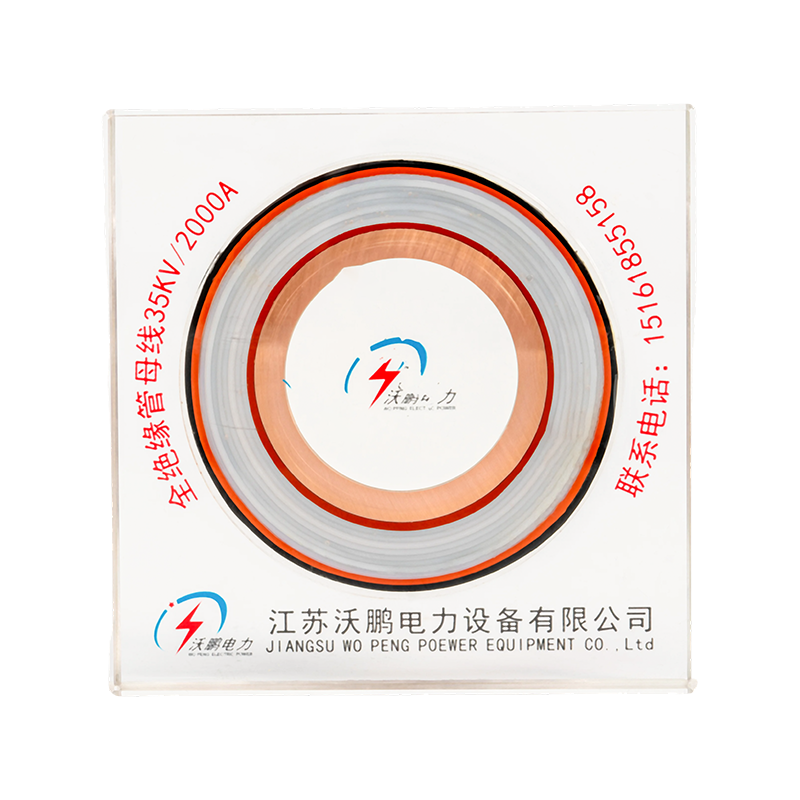
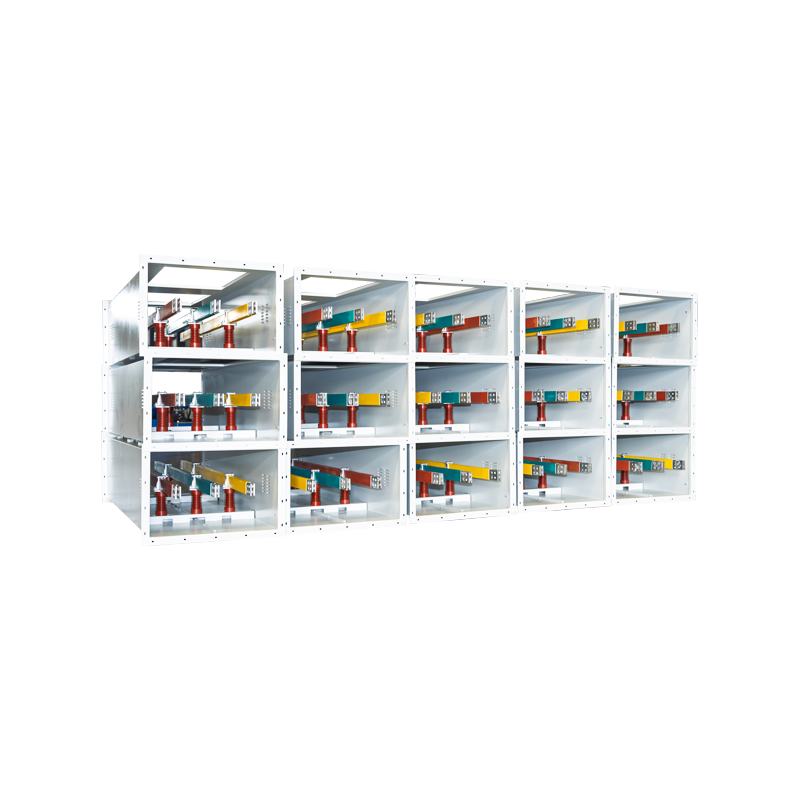


What is a Power Busway?
Content
- 1 How a Power Busway System Is Built
- 2 Current Rating, Voltage Drop and Short-Circuit Performance
- 3 Why Facilities Choose Busway Over Cable and Conduit
- 4 Related Busbar and Busway Product Lines
- 5 Where Power Busway Systems Are Installed
- 6 Choosing the Right Busway Configuration
- 7 Installation and Maintenance Notes
- 8 Key Takeaways
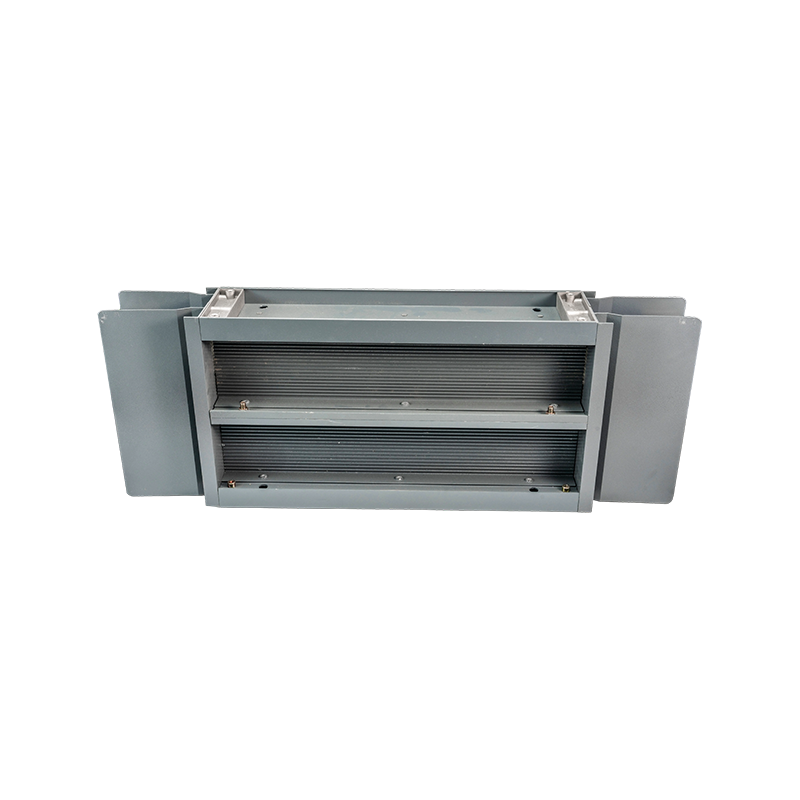
A power busway is a prefabricated, fully enclosed electrical distribution system that carries current through solid copper or aluminum conductors housed inside a metal enclosure, replacing bundles of cable and conduit for medium and high-current runs. Current ratings typically span from 40A to 6300A, and the sandwich-insulated construction used in modern systems occupies only 50 percent to 60 percent of the space required by an equivalent air-insulated bus duct, while keeping the voltage drop lower over long feeder runs. This makes power busway the default choice for vertical risers, data center power trains, and industrial main feeders where current density, reliability, and installation speed all matter at once.
How a Power Busway System Is Built
Every power busway shares the same basic logic: flat copper or aluminum bars carry the current, a solid insulation layer separates the phases, and a metal housing protects the assembly and doubles as a heat sink. The choice of conductor and insulation determines how the busway behaves under load, so manufacturers offer several insulation classes rather than a single generic design.
| Insulation Type | Operating Temperature | Best-Fit Environment |
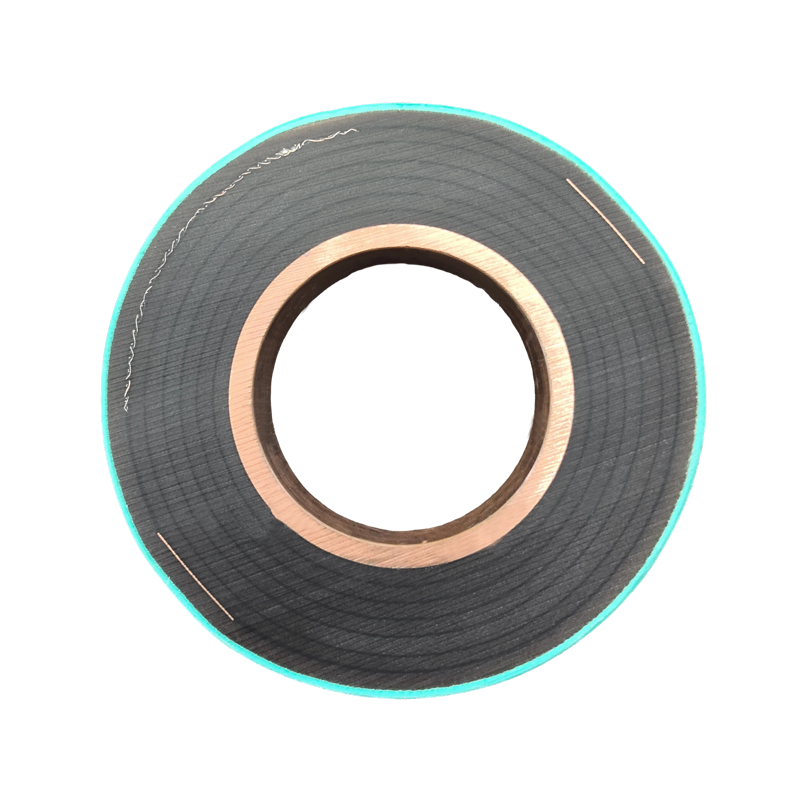
| PTFE Tubular Bus Bar | Up to 200 degrees C | Chemical plants, high-temperature process areas |
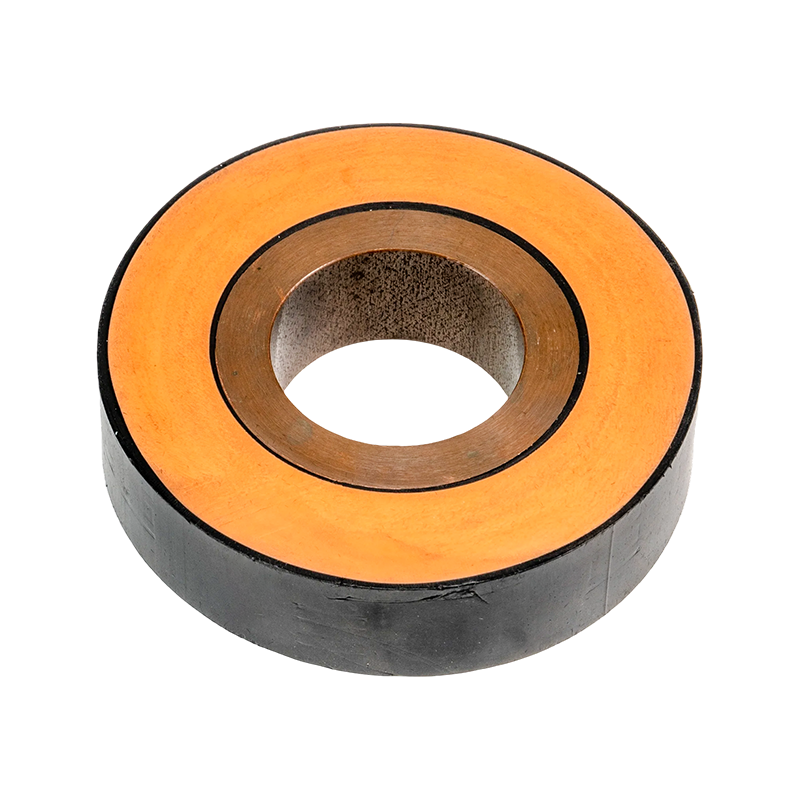
| Epoxy Resin Casting Tubular Bus Bar | Class F, up to 155 degrees C | Indoor industrial feeders, switchgear rooms |
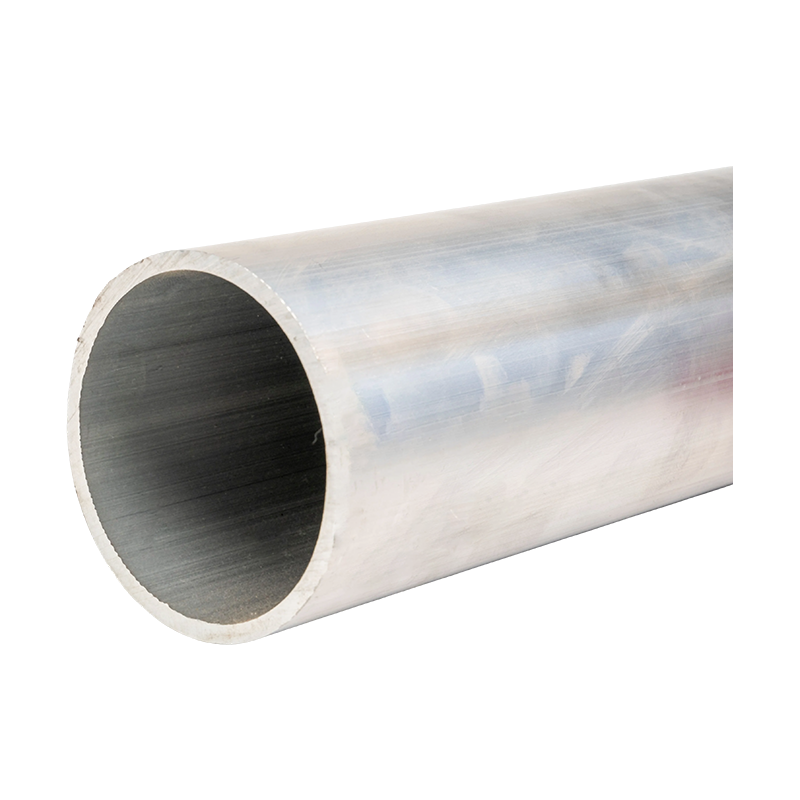
| EPDM Silicone Rubber Tubular Bus Bar | Up to 180 degrees C, flexible at low temperature | Outdoor runs, humid or coastal installations |
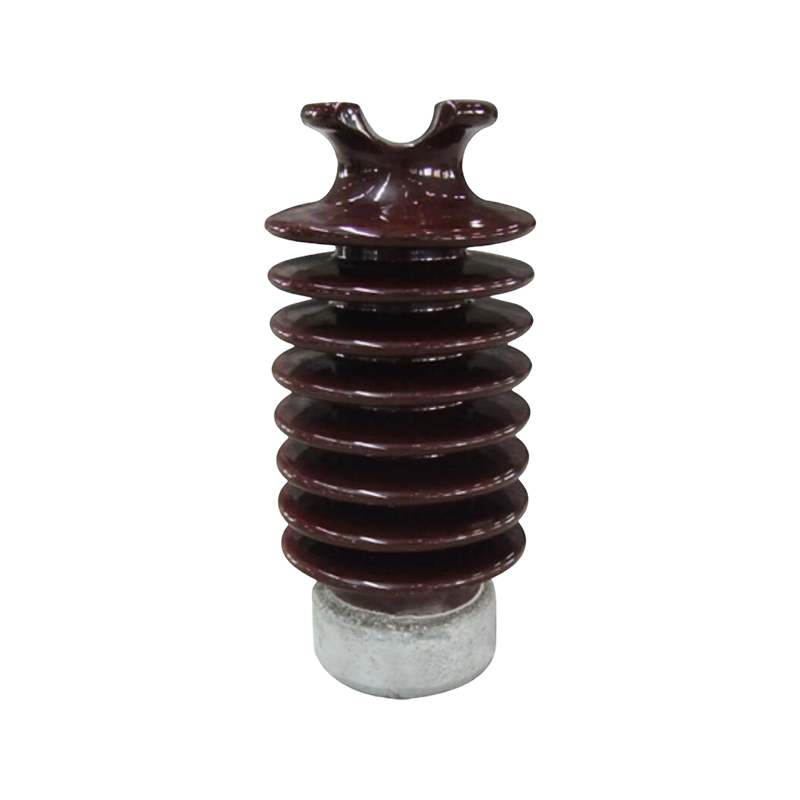
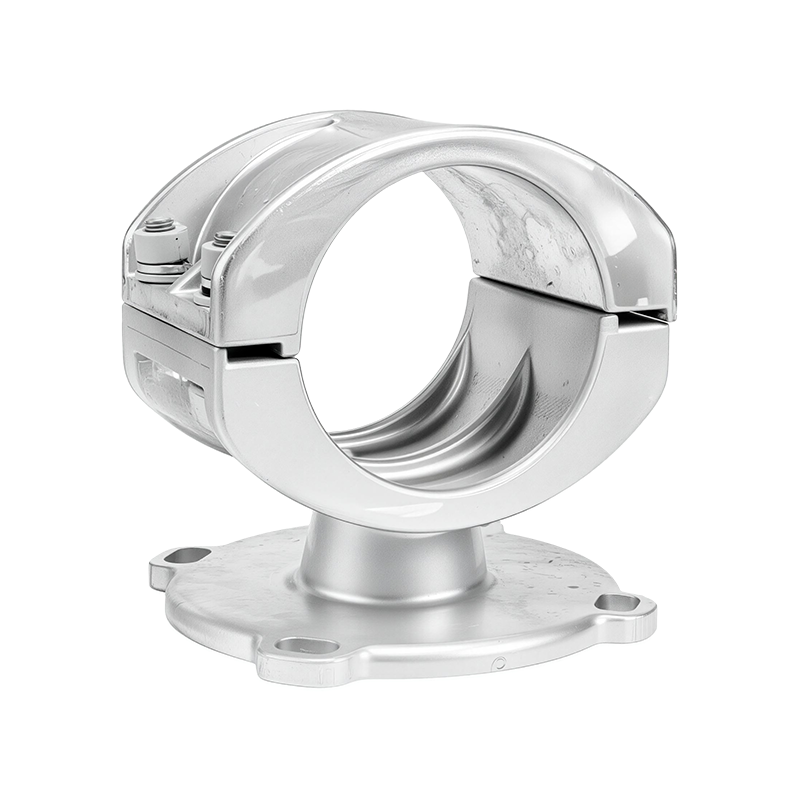
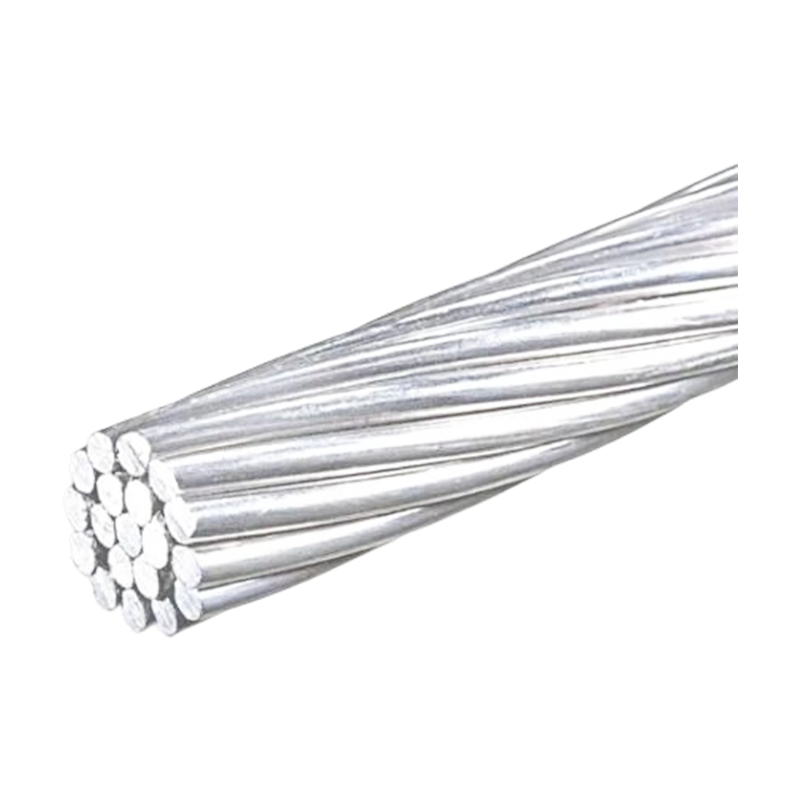
Beyond the insulation, an insulated bus bar assembly depends on its supporting hardware just as much as its conductors. Post insulators and bus-bar supports carry the mechanical load of the run and absorb the electrodynamic forces generated during a fault, while reinforcing steel aluminum strand is used where long spans need extra tensile strength. A busway that skimps on reinforced busbar support systems will show its weakness the first time a downstream short circuit puts real mechanical stress on the line.
Current Rating, Voltage Drop and Short-Circuit Performance
Two busway systems can share the same current rating on paper and still behave very differently under fault conditions. The numbers below reflect the range typically published for compact, sandwich-type power busway compared with older air-insulated bus duct designs.
| Parameter | Compact Power Busway | Air-Insulated Bus Duct |
| Current rating | 40A - 6300A | 250A - 6300A |
| Voltage drop at 6300A | Approximately 0.036 - 0.041 V/m | Higher, due to greater phase spacing |
| Rated short-time withstand | Up to 125kA | Typically 50kA - 150kA |
| Rated peak withstand | Up to 275kA | Lower, depending on bracing |
| IP protection rating | IP54 - IP68 | IP30 - IP54 |
| Installed footprint | 50 percent - 60 percent of air-insulated type | Baseline, 100 percent |
The lower reactance of a tightly sandwiched conductor pack is what drives most of this improvement. Reducing the physical gap between phases lowers inductive reactance, which in turn reduces voltage drop and improves overall power transmission efficiency across long feeder runs, an effect that becomes significant once a run exceeds roughly 30 to 40 meters.
Why Facilities Choose Busway Over Cable and Conduit
- Faster installation. Standardized 3-meter sections with keyed, factory-machined joints let crews assemble a riser in a fraction of the time needed to pull and terminate an equivalent cable bundle.
- Lower long-term cost. Fewer joints, less copper waste from cable cutting, and reduced labor hours bring the lifetime cost below cable and conduit even when the upfront material cost is similar.
- Tap-off flexibility. Plug-in busway allows a new load to be connected at almost any point along the run, which matters in facilities that add or move equipment frequently, such as manufacturing floors and data halls.
- Predictable thermal behavior. A solid busbar connector and metal enclosure conduct heat away more evenly than a cable tray, which reduces hot spots at heavily loaded sections of the run.
- Simplified inspection. A busway system solutions package typically groups fewer physical connection points than an equivalent cable installation, which shortens the time needed for periodic infrared inspection.
Related Busbar and Busway Product Lines
A power busway is rarely specified on its own. It is usually paired with supporting bus-bar supports, insulation systems, and adjacent busway types to complete a distribution route from switchgear to load. The product families below are commonly combined with power busway on the same project.

Power Busway
Power Distribution
High And Low Voltage Busway System
Busway System
High-density Compact Busway
Compact Busway
Epoxy Resin Casting Tubular Bus Bar
Tubular Bus Bar
EPDM Silicone Rubber Tubular Bus Bar
Insulated Bus BarWhere Power Busway Systems Are Installed
Because a power busway scales cleanly from 40A branch circuits to 6300A main feeders, the same underlying electrical busbar system shows up across a wide range of building types, not just heavy industry.
Choosing the Right Busway Configuration
Selecting a power busway is a matter of matching four variables to the site, rather than picking the largest current rating available.
| Selection Factor | Guidance |
| Load current | Size the busway with roughly 25 percent headroom above the calculated maximum demand load |
| Environment | Specify IP65 or higher for outdoor, dusty, or wash-down areas; IP54 is generally sufficient for clean indoor switchgear rooms |
| Tap-off need | Choose plug-in busway when loads will be added or relocated; choose bolt-on feeder busway for fixed point-to-point runs |
| Conductor material | Copper suits the highest current density and smallest cross-section; aluminum reduces weight and material cost on long vertical risers |
It is also worth confirming third-party certification before finalizing a custom busbar solution. Compliance with IEC 61439-1 and IEC 61439-6, along with certifications such as CCC, KEMA-KEUR, or ASTA, indicates that the manufacturer has verified short-circuit withstand and temperature rise under standardized test conditions rather than by calculation alone.
Installation and Maintenance Notes
Most power busway ships in standardized 3-meter sections with factory-machined, keyed joints, which keeps field alignment errors low and lets crews complete a run without on-site cutting or drilling. A few habits extend service life well beyond the design minimum:
- Torque-check bolted busbar connector joints at commissioning and again after the first thermal cycle, since new joints can settle slightly under load.
- Schedule periodic infrared thermal scanning of joints and tap-off points to catch a loosening connection before it becomes a hot spot.
- Keep hanger spacing within the manufacturer's specification, particularly on horizontal runs, so the bus-bar supports carry the intended share of the mechanical load.
- Avoid exposing indoor-rated sections to dust or moisture levels beyond their IP rating; the enclosure is only as good as the environment it was specified for.
Key Takeaways
- Power busway replaces cable and conduit for current levels from 40A to 6300A with a smaller footprint and lower voltage drop.
- Sandwich-type insulation, using PTFE, epoxy resin, or EPDM silicone rubber, removes internal air gaps and improves both thermal and short-circuit performance.
- Plug-in configurations offer tap-off flexibility, while bolt-on feeder busway suits fixed, high-current point-to-point runs.
- Verified IEC 61439 compliance and IP rating selection matter as much as raw amperage when specifying a system for a given site.



-
 +86-180 3625 3000
-
 admin@wpbusbar.com
-
 No. 8, Yanjin Road, Chengxi Industrial Park, Shanyang Town, Baoying County, Yangzhou City, Jiangsu Province, China
Copyright © Jiangsu Wopeng Power Technology Co., Ltd.
All Rights Reserved.
 Custom Insulated Bus Bar Manufacturer
Tubular Busbar System Factory
Custom Insulated Bus Bar Manufacturer
Tubular Busbar System Factory