

 EN
EN

 English
 русский
 Français
 Español
 عربى
عربى
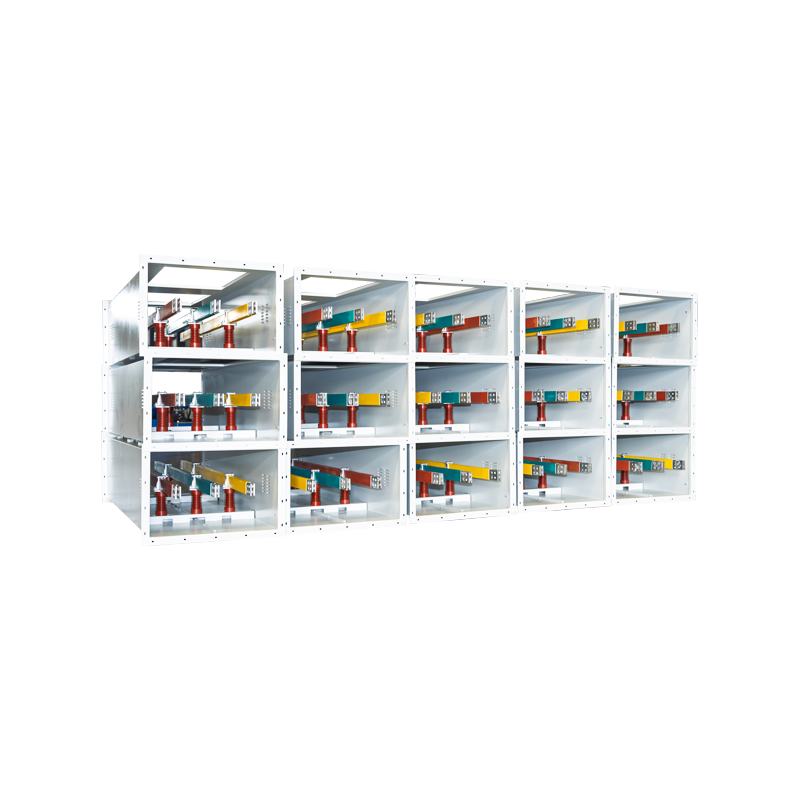


Can compact busway handle the same current as traditional bus duct?
Content
- 1 Compact Busway vs Traditional Bus Duct: Current Capacity Comparison
- 2 Structural Design Differences
- 3 Current-Carrying Capacity and Thermal Performance
- 4 Voltage Drop and Impedance Characteristics
- 5 Mechanical Strength and Short-Circuit Capability
- 6 Space Efficiency and Installation Advantages
- 7 Application Scenarios and Selection Guidelines
- 8 Standards and Certifications
- 9 Conclusion
Compact Busway vs Traditional Bus Duct: Current Capacity Comparison
Compact busway can handle the same current as traditional bus duct, and in many cases, it performs even better. Both systems share the same maximum current capacity range of 250A to 6300A, but compact busway achieves this within a significantly smaller physical footprint. The key difference lies in the structural design: compact busway uses a sandwich configuration with conductors tightly packed together and separated only by thin, high-performance insulating materials, while traditional bus duct relies on larger air gaps between conductors. This compact arrangement does not compromise current-carrying ability; instead, it enhances heat dissipation through direct conduction via the metal enclosure, resulting in more efficient thermal management.
Structural Design Differences
The fundamental distinction between compact busway and traditional bus duct is the internal conductor arrangement. Traditional air-insulated bus duct features significant air gaps between copper or aluminum bars, relying on air as the primary insulating medium. This design results in a bulkier system that requires more installation space and a high degree of environmental cleanliness to prevent dust accumulation and potential arcing.
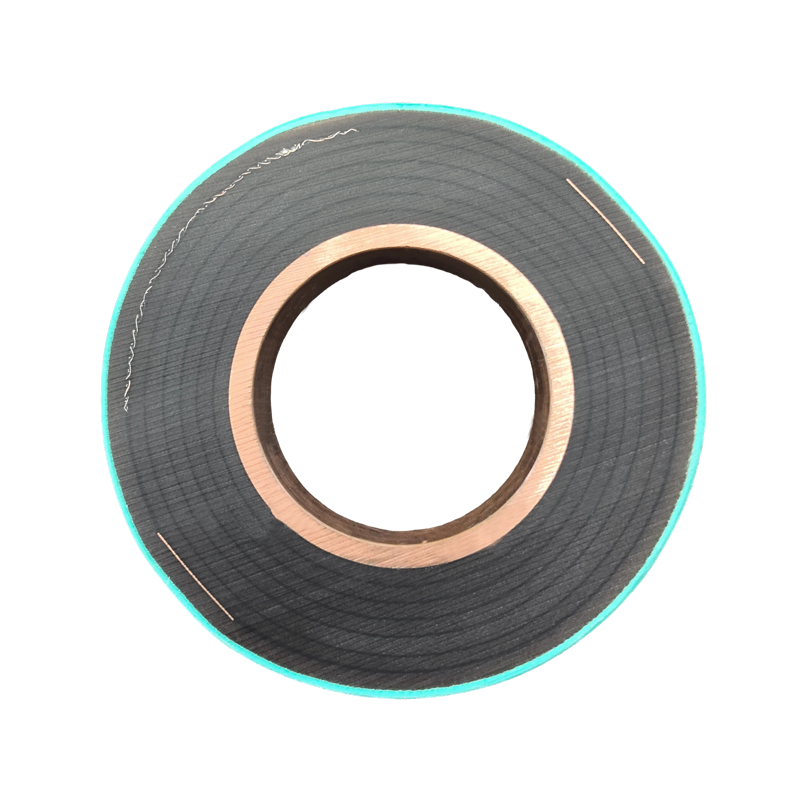
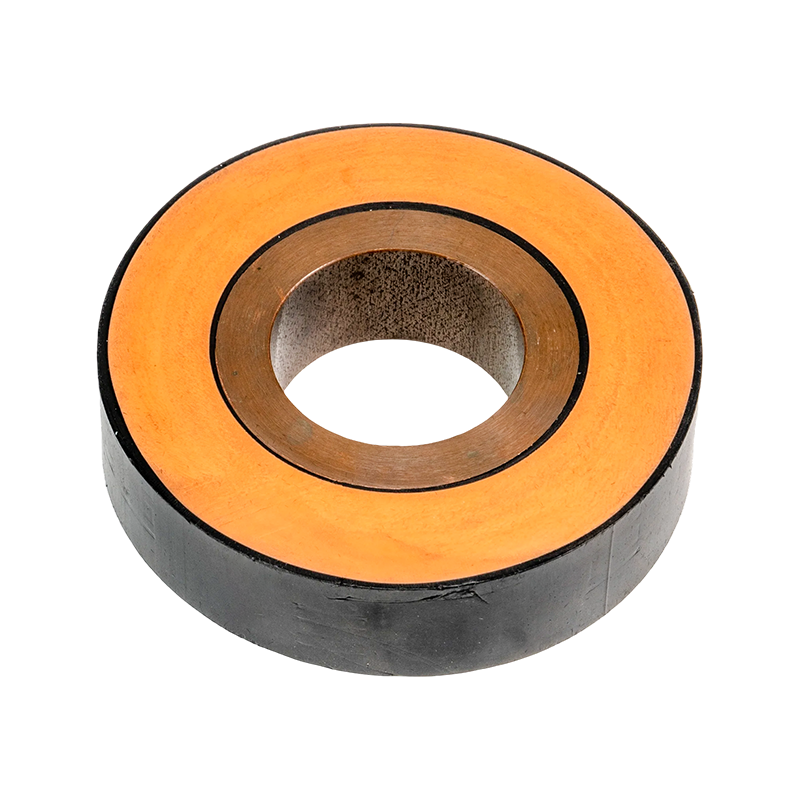
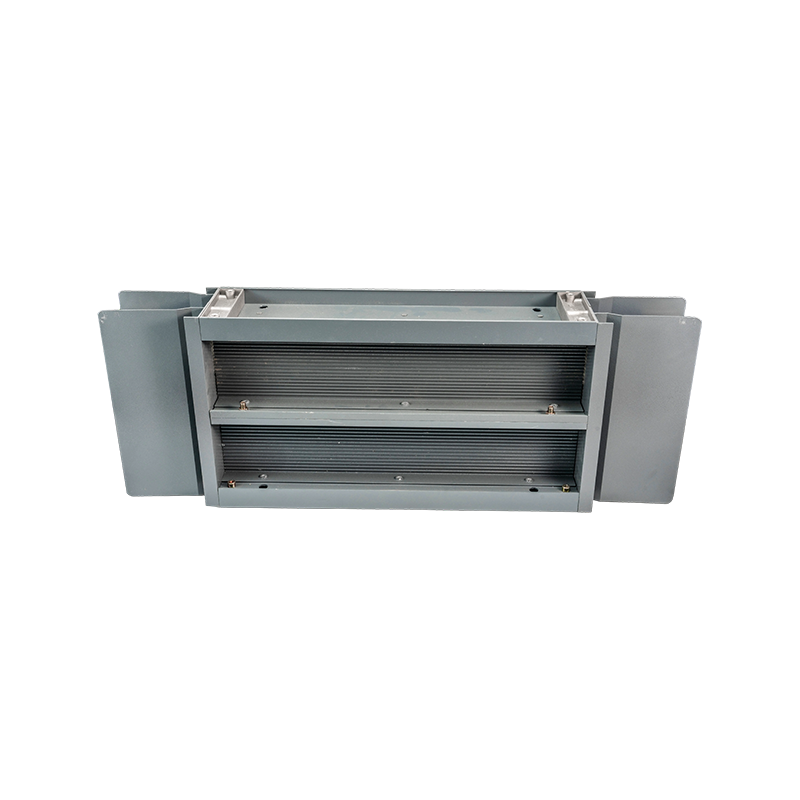
Compact busway, also known as sandwich busway, positions conductive bars in direct contact with thin, high-strength Class B or Class F insulating materials such as polyester film or epoxy resin. The entire conductive assembly is compressed within a metal enclosure, forming a seamless sandwich-style structure. This design eliminates internal air gaps while maintaining excellent electrical isolation.
Current-Carrying Capacity and Thermal Performance
Both compact busway and traditional bus duct systems are available with current ratings spanning from 250A to 6300A. The maximum rated current of 6300A represents the upper limit for both technologies, demonstrating that compact busway can indeed match traditional bus duct in terms of raw current capacity.
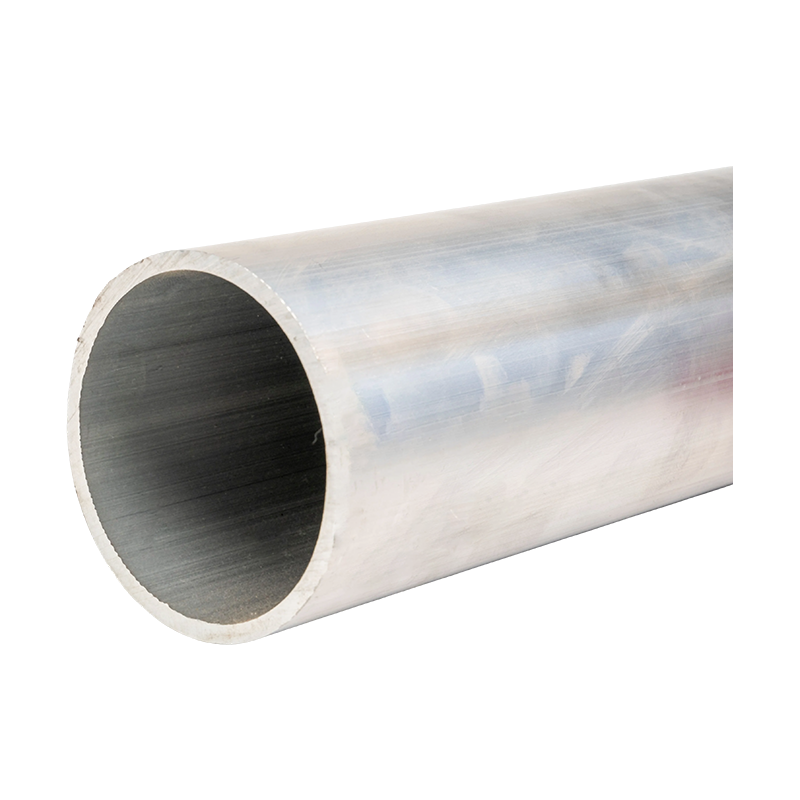
However, the critical advantage of compact busway lies in its superior heat dissipation mechanism. Air is a poor conductor of heat, and traditional air-insulated systems rely on natural convection, which limits cooling efficiency. Compact busway utilizes its tightly fitted metal housing, typically made from extruded aluminum alloy, for direct thermal conduction. This method dissipates heat far more efficiently than air convection, effectively controlling temperature rise even under high current loads.
The following table compares key performance parameters between compact busway and traditional bus duct:
| Performance Parameter | Compact Busway | Traditional Bus Duct |
|---|---|---|
| Current Rating Range | 250A - 6300A | 250A - 6300A |
| Insulation Method | Sandwich (solid insulation) | Air-insulated |
| Space Occupied | 50% - 60% of air-insulated type | 100% (baseline) |
| Heat Dissipation | Conduction via metal enclosure | Natural air convection |
| Voltage Drop | Lower reactance, reduced drop | Higher reactance |
| Short-Circuit Withstand | Up to 275kA peak current | Typically 50-150kA |
| Operating Temperature | Up to 140 degrees C (advanced insulation) | Up to 105 degrees C |
| IP Protection Rating | IP54 - IP68 | IP30 - IP54 |
| Installation Flexibility | Compact, suitable for confined spaces | Requires larger clearance |
| Overload Capacity | Superior (better heat management) | Standard |
Voltage Drop and Impedance Characteristics
The compact arrangement of conductors in sandwich busway reduces the distance between phases to an absolute minimum. This configuration results in extremely low reactance, which directly translates to reduced voltage drop during long-distance, high-current transmission. For example, in a 6300A system, the compact design achieves a voltage drop of approximately 0.0362-0.0413 V/m depending on the power factor, compared to higher values typically observed in air-insulated systems.
Lower impedance not only improves power transmission efficiency but also reduces energy losses across the distribution network. This efficiency gain is particularly valuable in large-scale installations such as data centers, industrial plants, and high-rise buildings where long feeder runs are common.
Mechanical Strength and Short-Circuit Capability
When a short-circuit fault occurs, massive electrodynamic forces are generated between busbars. The compact, extruded structure of sandwich busway provides superior dynamic thermal stability. High-density compact busway systems can withstand rated short-time withstand currents up to 125kA and rated peak withstand currents up to 275kA, significantly exceeding the capabilities of many traditional air-insulated designs.
The aluminum alloy enclosure used in compact busway systems contributes to both mechanical rigidity and corrosion resistance. The material's high thermal conductivity further enhances the overall heat dissipation performance, creating a synergistic effect between structural integrity and thermal management.
Space Efficiency and Installation Advantages
By eliminating internal air gaps, compact busway typically occupies only 50% to 60% of the volume required by an equivalent air-insulated bus duct. This space saving is critical in modern buildings where electrical shaft space is at a premium. In high-rise buildings, data centers, and industrial facilities, the reduced footprint allows for more flexible routing and easier integration with other building systems.
Compact busway also simplifies installation in confined vertical shafts and complex cable tray intersections. The standardized modular design, with typical section lengths of 3 meters, enables rapid assembly and reduces on-site labor requirements.
Application Scenarios and Selection Guidelines
Compact busway is the preferred choice for applications requiring high current density in limited space. Typical applications include:
- High-rise building vertical power distribution
- Data center power distribution systems
- Industrial manufacturing facilities
- Commercial complexes and shopping centers
- Hospital critical power systems
- Metro and rail transit projects
- Airport terminal buildings
Traditional air-insulated bus duct may still be suitable for applications with ample installation space and lower environmental protection requirements. However, for modern projects prioritizing energy efficiency, safety, and space maximization, compact busway represents the superior engineering choice.
Standards and Certifications
High-quality compact busway systems comply with international standards including IEC 61439-6, IEC 61439-1, and GB/T 7251.6. Third-party certifications such as CCC, KEMA-KEUR, and ASTA ensure that the products meet stringent safety and performance requirements. These certifications validate that compact busway systems can safely handle the same current levels as traditional bus duct while operating within specified temperature limits.
Conclusion
Compact busway not only matches traditional bus duct in current-carrying capacity but often surpasses it in overall performance. With identical maximum ratings of up to 6300A, compact busway delivers superior thermal management, lower voltage drop, enhanced short-circuit withstand capability, and significant space savings. The sandwich insulation structure, combined with aluminum alloy enclosures, creates an efficient heat dissipation pathway that maintains safe operating temperatures even under heavy loads. For modern electrical distribution projects, compact busway is the recommended solution when high current capacity and space efficiency are both required.



-
 +86-180 3625 3000
-
 admin@wpbusbar.com
-
 No. 8, Yanjin Road, Chengxi Industrial Park, Shanyang Town, Baoying County, Yangzhou City, Jiangsu Province, China
Copyright © Jiangsu Wopeng Power Technology Co., Ltd.
All Rights Reserved.
 Custom Insulated Bus Bar Manufacturer
Tubular Busbar System Factory
Custom Insulated Bus Bar Manufacturer
Tubular Busbar System Factory