

 EN

 English
 русский
 Français
 Español
 عربى
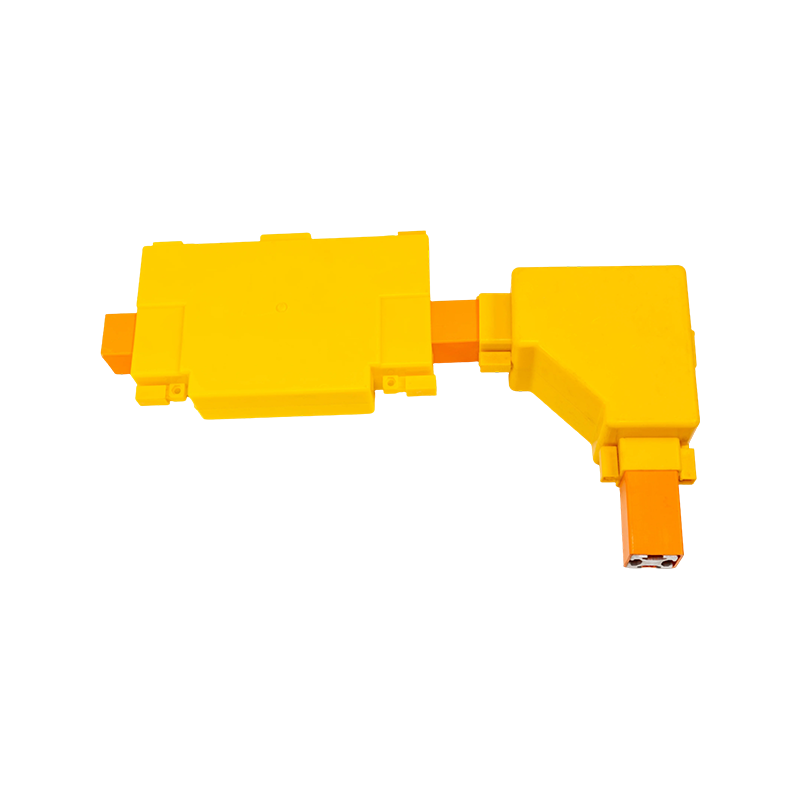

Aluminium Bus Bar Guide: Alloy Choice, Current Rating, Joints and Supports
Content
- 1 What an aluminium bus bar is, and the three forms that get confused
- 2 Aluminium or copper: the comparison that decides real projects
- 3 Alloy and temper: a short, practical selection
- 4 Sizing: what actually limits an aluminium bar
- 5 Supports, insulators and the insulation system
- 6 Where aluminium bus bars are the better answer
- 7 A procurement checklist that prevents rework
- 8 Frequently asked questions
Take a 2500 A low-voltage switchboard built in copper, rebuild the same current path in aluminium, and the weight of the conductors falls by roughly half. The losses stay comparable only if the aluminium bar runs about 1.6 times the copper cross-section, and that single piece of arithmetic is where most specification arguments about aluminium bus bars begin.
The short answer: aluminium is the better default when weight, cost per amp and long outdoor runs matter, while copper stays easier where space is tight and bolted joints are numerous. Everything below explains how that trade-off plays out in alloy choice, sizing, jointing, support and inspection.
What an aluminium bus bar is, and the three forms that get confused
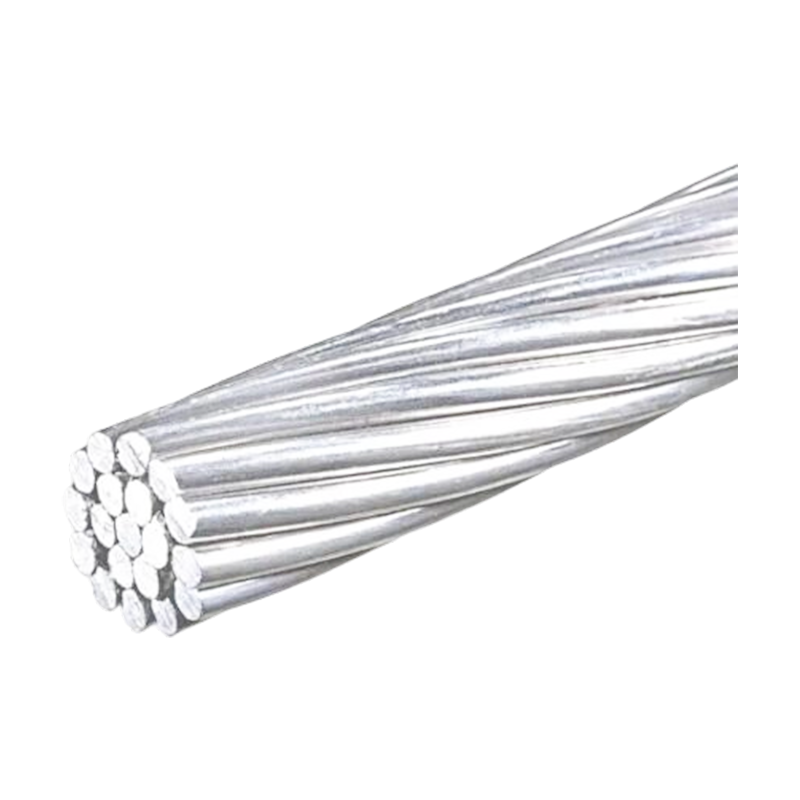
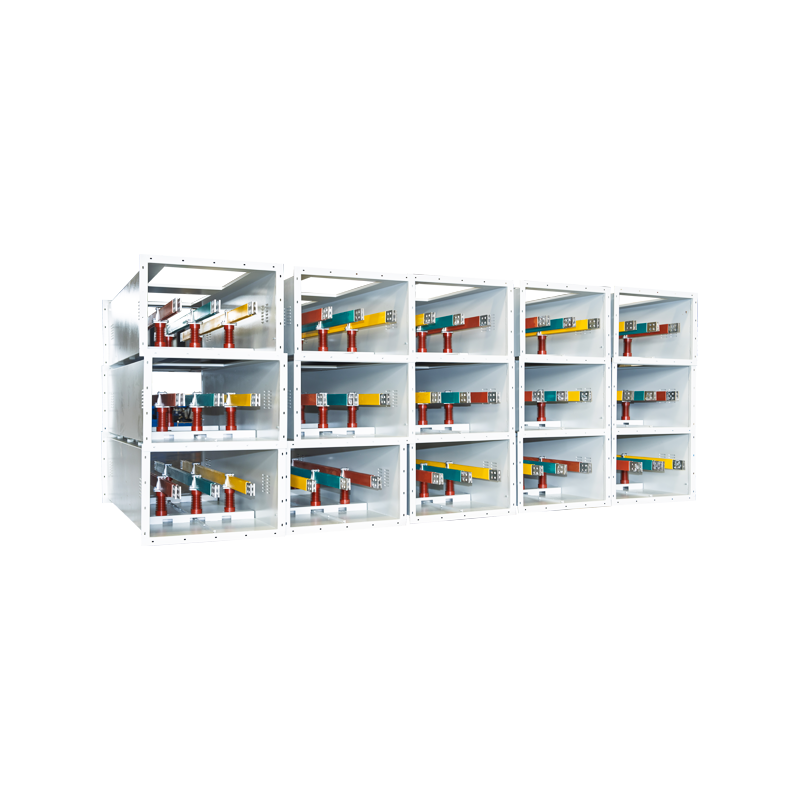
A bus bar is a rigid conductor that collects and distributes current inside switchgear, substations, busways and battery racks. In aluminium it appears in three practical forms, and they are not interchangeable:
- Flat bar (rectangular): the workhorse of low-voltage panels, usually 1350 or 6101, punched and bent during assembly.
- Tubular bar (round, also called tube bus): used outdoors in substations and at high current, where the smooth round surface controls corona and the hollow section saves metal.
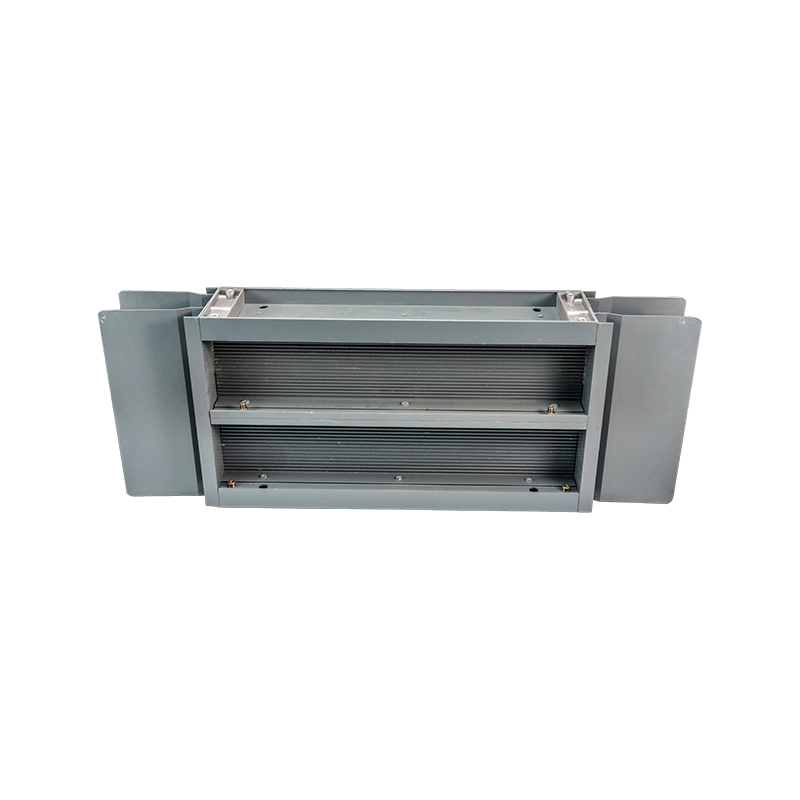
- Extruded profile: shaped bars for busway conductors and heat-dissipating sections, where the enclosure dictates the geometry.
All three are made from electrical-grade aluminium: 1350 with a conductivity near 61% IACS, or a heat-treatable 6xxx alloy that trades a few percent of conductivity for noticeably higher mechanical strength. The distinction matters because a bar selected purely on ampacity may be too soft for the span, and a bar selected purely on strength may run hotter than the enclosure allows.
Aluminium or copper: the comparison that decides real projects
The properties below change the design. The rest of the datasheet mostly changes the marketing.
| Property | Aluminium (1350-H112) | Copper (ETP) | What it changes on site |
|---|---|---|---|
| Conductivity | About 61% IACS | 100% IACS | Roughly 1.6 times the cross-section for equal losses |
| Density | 2.70 g/cm3 | 8.96 g/cm3 | About half the conductor weight at equal ampacity |
| Thermal expansion | About 23 microns per metre per kelvin | About 16.5 microns per metre per kelvin | Expansion sections or slotted supports on long runs |
| Surface film | Hard oxide, forms in seconds | Softer oxide, easier to break | Wire brushing plus jointing compound at every bolted joint |
| Behaviour under bolt load | Creeps over months | More forgiving | Disc springs and a documented re-torque interval |
| Bimetallic contact | Needs a copper-aluminium transition | Not applicable | No direct aluminium-to-copper clamping in damp air |
| Melting point | 660 C | 1085 C | Less thermal margin during a fault, so check the I2t duty |
Two rows deserve extra attention during design review. Aluminium re-oxidises immediately after brushing, so the jointing compound and the torque have to be applied in one continuous operation rather than at the end of a shift. And because the metal creeps, a joint that measured correctly at commissioning can lose clamp load within a year, which is why spring washers and re-torque schedules are part of the specification rather than an afterthought.
Alloy and temper: a short, practical selection
Most disagreements in tenders are not about aluminium versus copper, but about which aluminium. Three families cover nearly every case.
1350 (EC grade) when conductivity leads
This is the closest aluminium gets to a pure conductor grade, with a minimum conductivity of about 61% IACS. It is soft in the annealed and H112 tempers, easy to bend on site and the natural choice for flat bar in low-voltage equipment where the bar is fully supported and mechanically protected.
6101 and 6063 when strength leads
Heat-treatable alloys in T6 temper bring yield strength several times higher than 1350 while staying in the 55 to 57% IACS band. That makes them suitable for tubular bus bars on longer spans, for cantilevered connections and for anything carrying wind or seismic load. The trade-off is a slightly larger section for the same temperature rise.
Magnesium-aluminium for very high voltage
At ultra-high voltage the tube diameter grows faster than the wall thickness, and magnesium-aluminium alloys keep the spans stiff without over-loading the support structures.
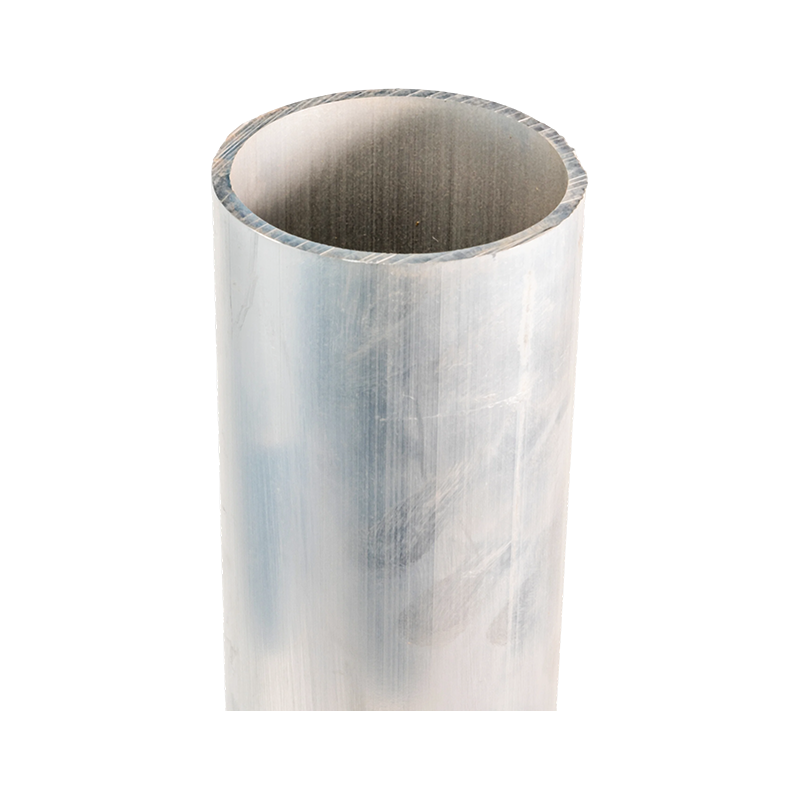 Ultra-High Voltage Magnesium-Aluminum Alloy Tubular Bus BarReview this magnesium-aluminum tubular bus bar for UHV spans where high current capacity, mechanical stiffness and weather resistance are required.View Product →
For general-purpose indoor and outdoor runs, our aluminium alloy tubular bus bar range covers the standard diameters, wall thicknesses and surface finishes, while the flat-bar and busway equivalents sit alongside it in the same catalogue. If you are still matching geometry to a layout, the guide to selecting an aluminium alloy tubular bus bar breaks the decision into span, current and fault-level steps.
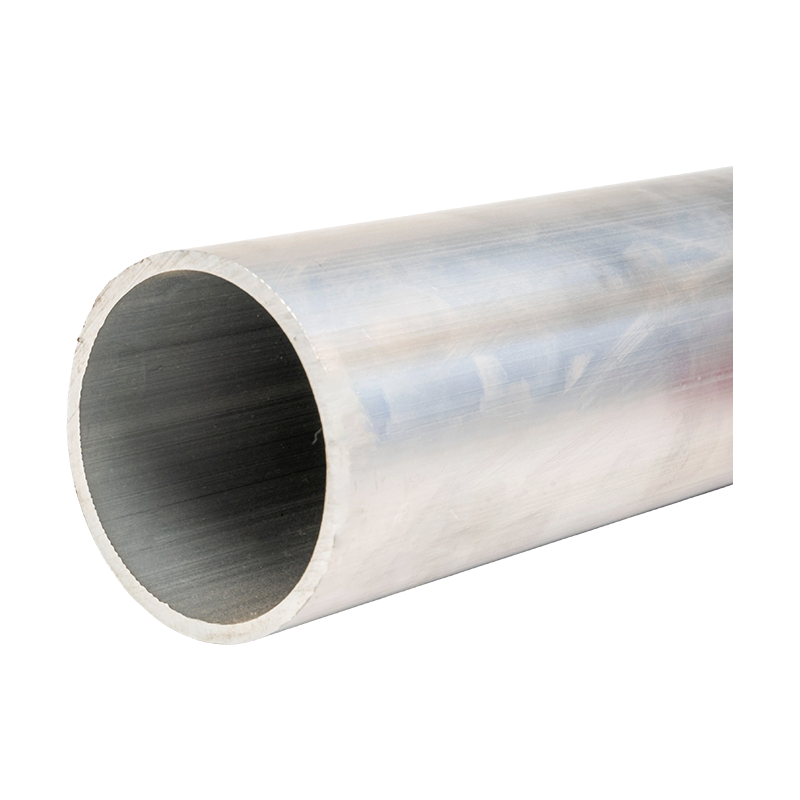 OEM Aluminum Alloy Tubular Bus Bar RangeCompare 6063G and related alloy tubular bus bars for substations and converter stations, then check temperature rise and enclosure conditions.View Product →
Sizing: what actually limits an aluminium bar
Temperature rise sizes the bar; current is only the input. A bar that looks generous on an ampacity table can still fail a temperature-rise test because the enclosure traps heat, the ambient assumption was optimistic, or the bars are stacked too closely for convection to work. Four checks do most of the work:
- Continuous current against the temperature-rise limit defined by the assembly standard you are working to, with an ambient that matches the site rather than the lab.
- Skin effect. At 50 Hz the current in aluminium concentrates in roughly the outer 12 mm, so wall beyond that adds stiffness and fault-energy mass but very little ampacity.
- Short-circuit withstand. The fault energy heats the bar almost adiabatically for a fraction of a second, and the final temperature has to be checked against retained mechanical properties, not just against melting.
- Expansion and support spacing. Expansion of about 23 microns per metre per kelvin becomes visible on a 30 m outdoor run and must be absorbed by expansion sections or slotted fixings.
As a starting hypothesis for naturally ventilated enclosures, designers often work between 1 and 2 A per square millimetre of aluminium, and higher for open outdoor arrangements with free air movement. Any such figure is a hypothesis, not a rating: confirm it with a temperature-rise test or a validated calculation that uses your real enclosure, your real altitude and your real ambient.
Supports, insulators and the insulation system
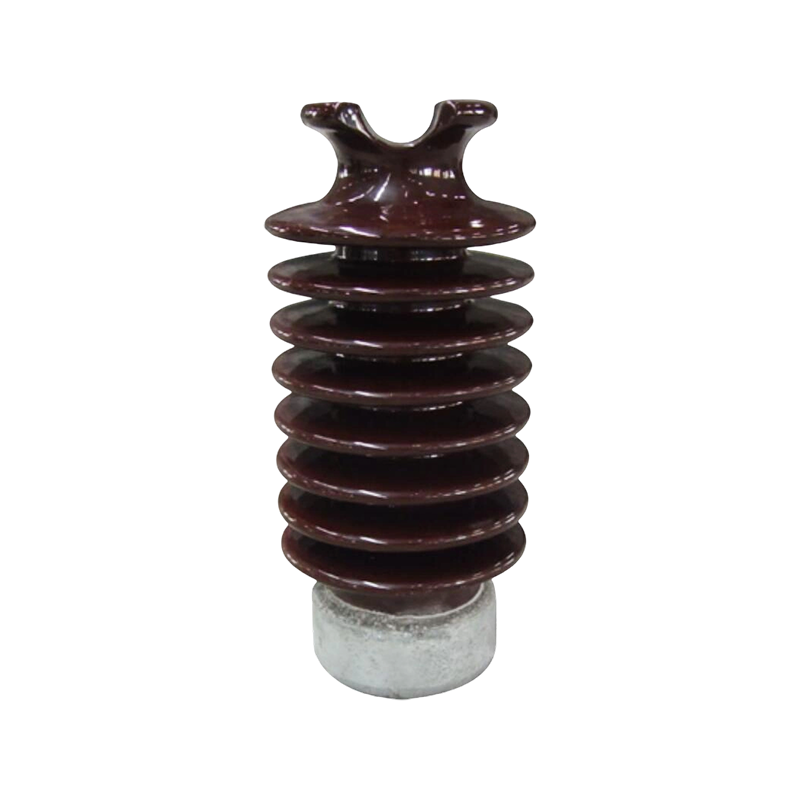
A bus bar is only as good as what holds it. Support spacing is set by the peak electromagnetic force during a short circuit and by the cantilever strength of the insulator, not by the convenience of the steelwork. Tightening the spacing is usually cheaper than upgrading the insulator, but only up to the point where the clamps start to restrain thermal expansion.
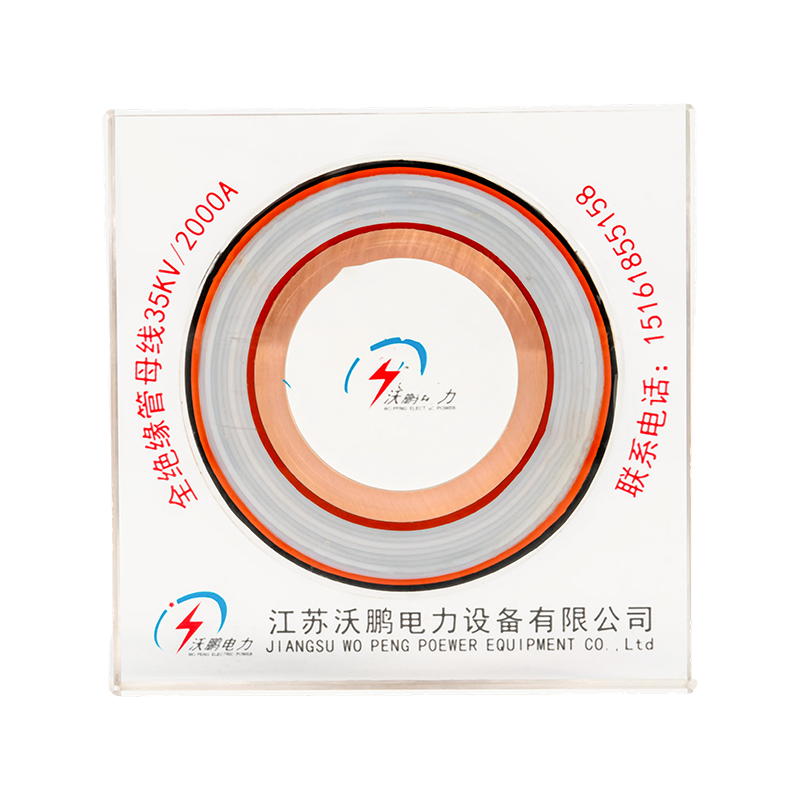
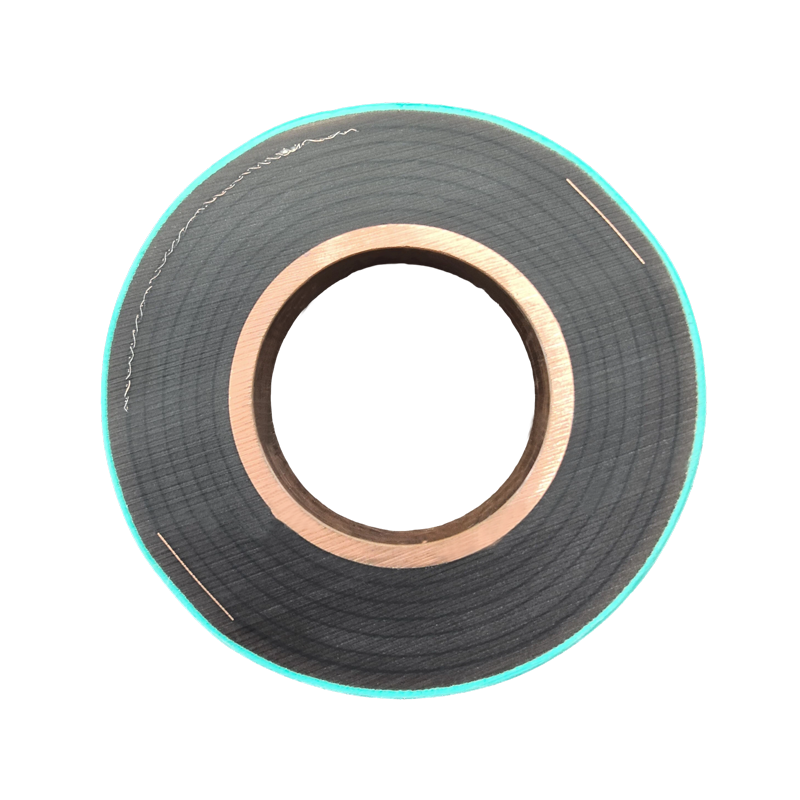
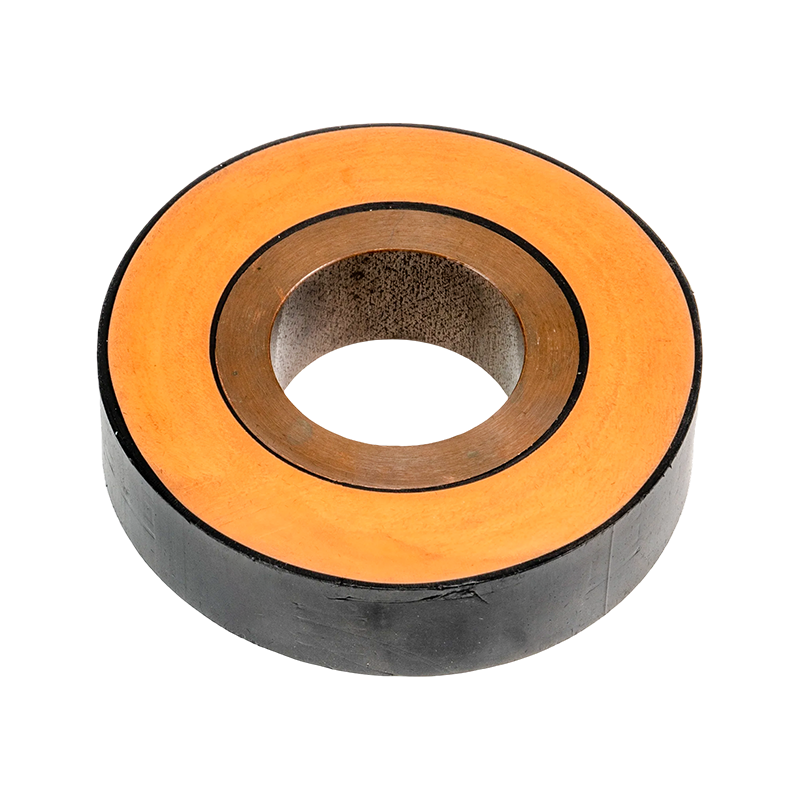
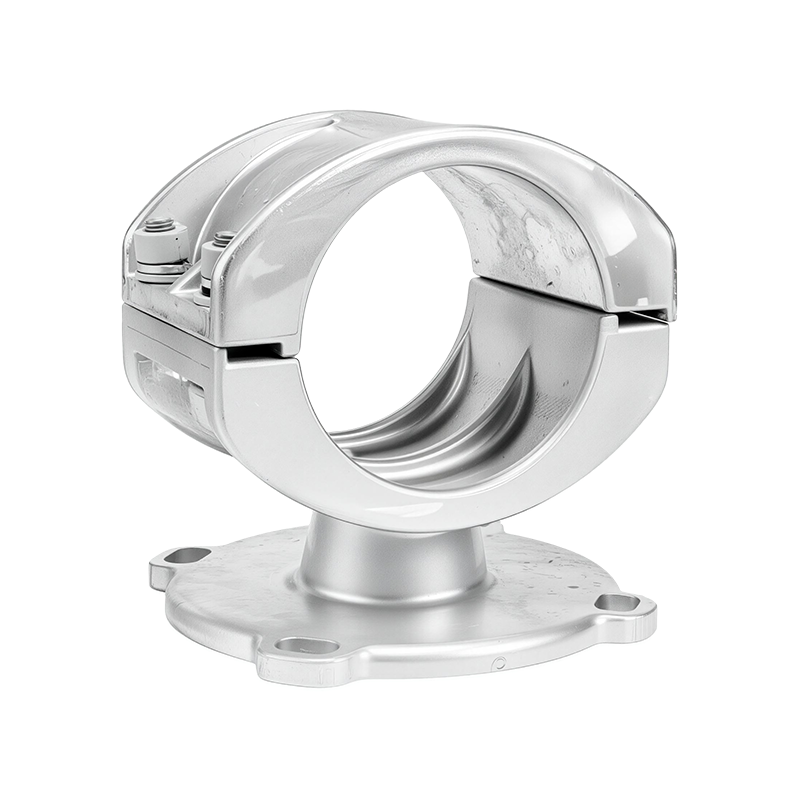
Outdoor tubular runs generally stay air-insulated on post insulators, with creepage distance selected for the local pollution level and sheds arranged to shed water rather than trap it. Indoor and enclosure work moves to heat-shrink, epoxy cast, EPDM or PTFE insulation depending on temperature class, required ingress protection and whether the assembly has to be touch-safe or fully sealed.
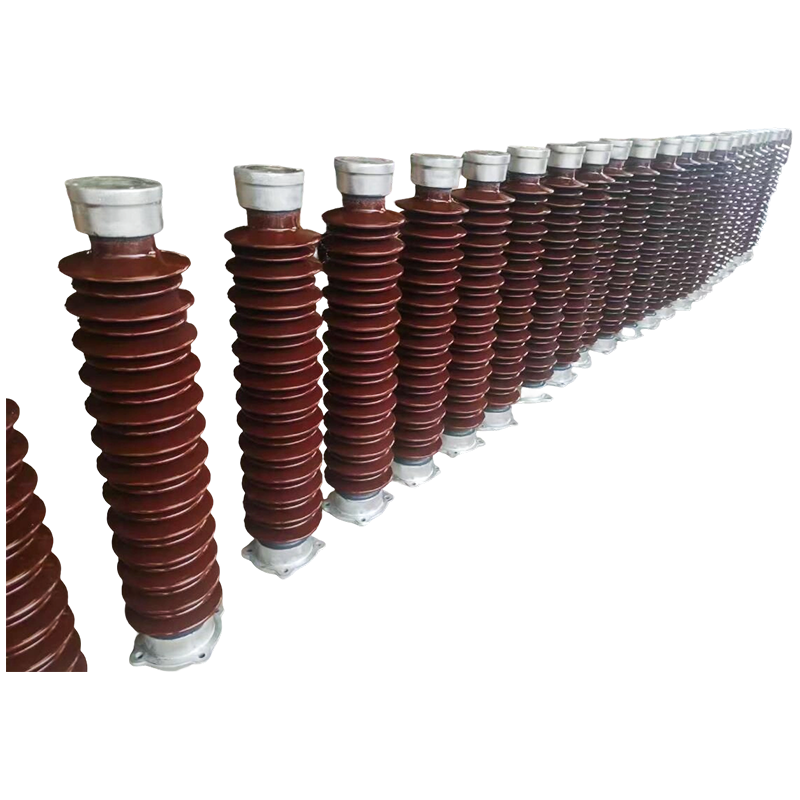 Post Insulator for Tubular Bus Bar SupportCompare this post insulator for substation and switchgear support, with porcelain, glass or composite options for high-altitude and polluted sites.View Product →
Whatever the insulation, keep the aluminium away from direct contact with copper terminals in damp air, and give the joint a transition plate rather than relying on a plated finish to survive a twenty-year service life.
Where aluminium bus bars are the better answer
The weight argument is strongest wherever the conductor is carried by something expensive — steel, a tower, a nacelle or a building frame.
- Substations and generation: tubular aluminium outdoors reduces the load on portals and gantries, and the round profile keeps corona in check at high voltage.
- Wind: runs inside the nacelle and tower favour aluminium, provided the finish suits the corrosion category of the site.
- Rail and traction: vibration and thermal cycling are the governing loads, so the joint detail matters more than the alloy.
- Industrial plants and data centres: aluminium-conductor busway moves large currents through a building with fewer hangers and faster installation than cable.
- Large commercial buildings: risers and distribution busways benefit from the lower weight per amp during handling and lifting.
A procurement checklist that prevents rework
Ask for these before the purchase order, not after the delivery arrives on site.
- Alloy, temper and minimum conductivity in writing, together with the test method used to verify them.
- Dimensional tolerances on width, thickness, straightness and the minimum bending radius permitted.
- Surface finish stated explicitly: mill, anodised, tinned or painted, with salt-spray hours for coastal sites.
- Joint hardware listed as line items: disc springs, bimetallic transition plates, jointing compound and specified torque.
- Type-test or routine-test evidence for temperature rise and short-circuit withstand on the assembly, not just on a sample bar.
- Packing that protects edges and prevents white-rust staining in transit or during site storage.
Frequently asked questions
Is an aluminium bus bar as good as copper?
For the same current it needs about 1.6 times the cross-section and weighs roughly half as much. It performs as well as copper where weight and cost dominate and the joints are engineered properly; copper still wins inside tight enclosures where every millimetre of space is already committed.
Which alloy should I specify for an outdoor tubular bus bar?
1350-H112 where conductivity drives the design, 6101-T6 where span stiffness or wind loading governs, and magnesium-aluminium alloys at ultra-high voltage where the diameter-to-wall ratio grows quickly.
Why do aluminium bus bar joints loosen over time?
Because aluminium creeps under sustained bolt load and its oxide film is electrically resistive. Disc springs, the correct torque, freshly brushed surfaces and jointing compound address both causes, and a re-torque interval covers the remainder.
How thick should a tubular aluminium bus bar wall be?
Around 12 mm is the practical limit for carrying 50 Hz current; extra wall beyond that adds strength and fault-energy mass rather than ampacity. Many outdoor designs settle between 6 and 12 mm depending on span and short-circuit level.
If you are weighing aluminium against copper on a specific rating, send the continuous current, the ambient, the fault level and the span. Our engineers will return a section, an alloy and a joint detail you can drop into a tender package. Reach the team through the contact page, or start from the full bus bar product range to compare tubular, insulated and busway options side by side.



-
 +86-180 3625 3000
-
 admin@wpbusbar.com
-
 No. 8, Yanjin Road, Chengxi Industrial Park, Shanyang Town, Baoying County, Yangzhou City, Jiangsu Province, China
Copyright © Jiangsu Wopeng Power Technology Co., Ltd.
All Rights Reserved.
 Custom Insulated Bus Bar Manufacturer
Tubular Busbar System Factory