

 EN
EN

 English
 русский
 Français
 Español
 عربى
عربى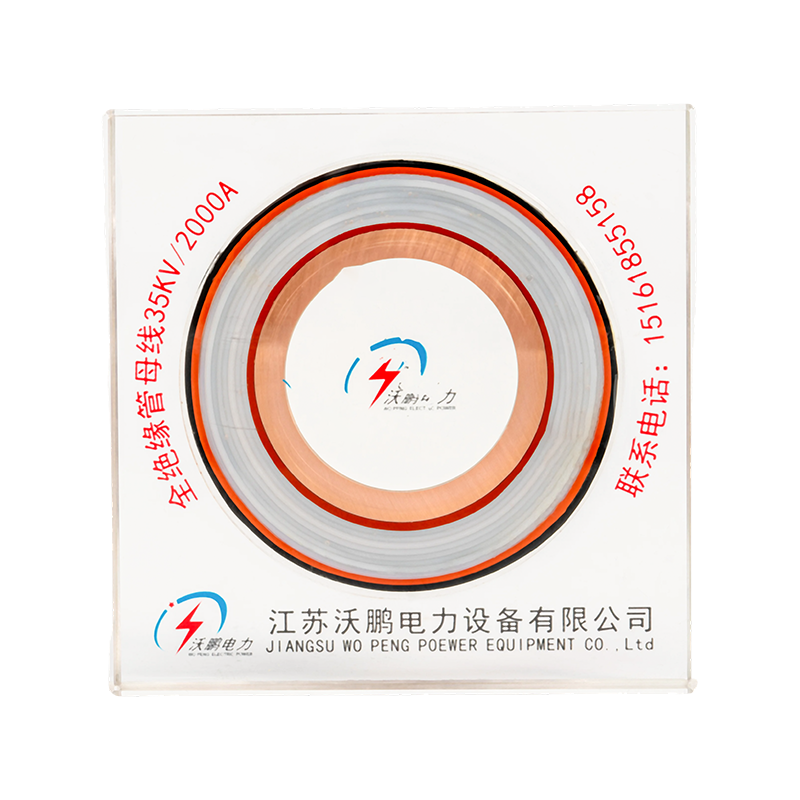
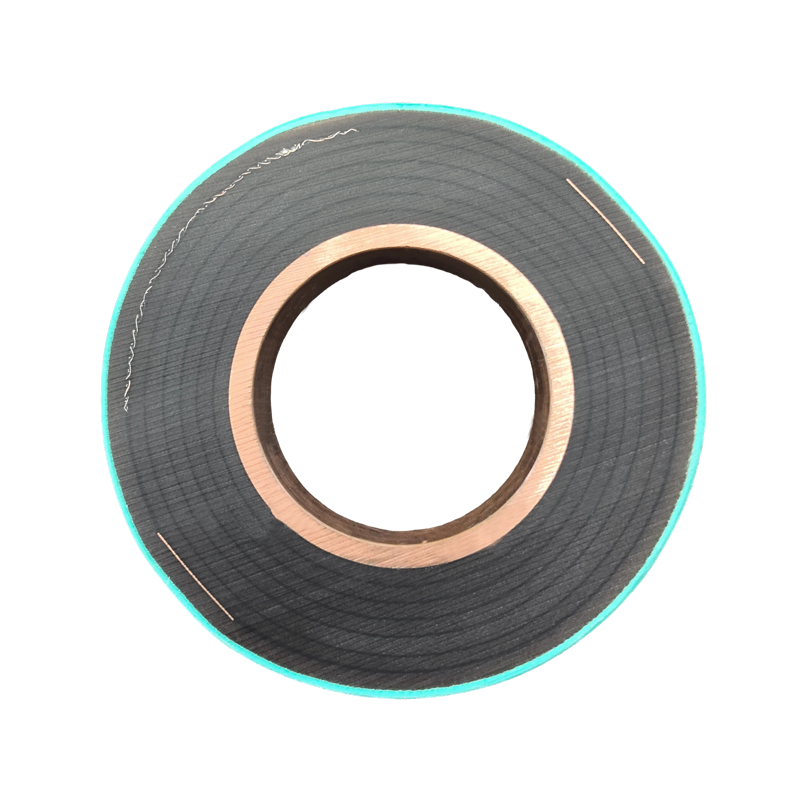
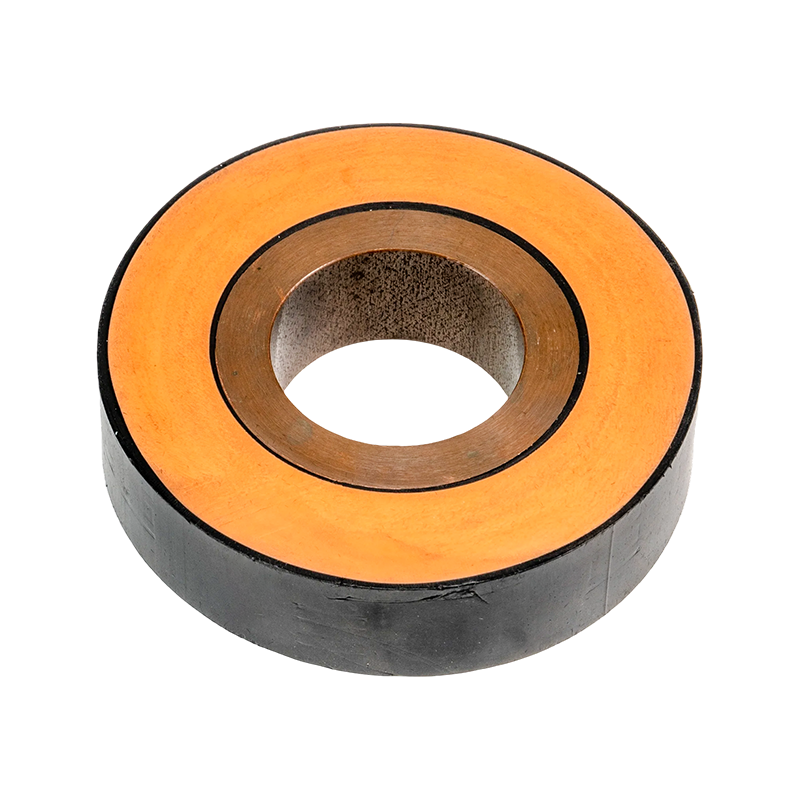
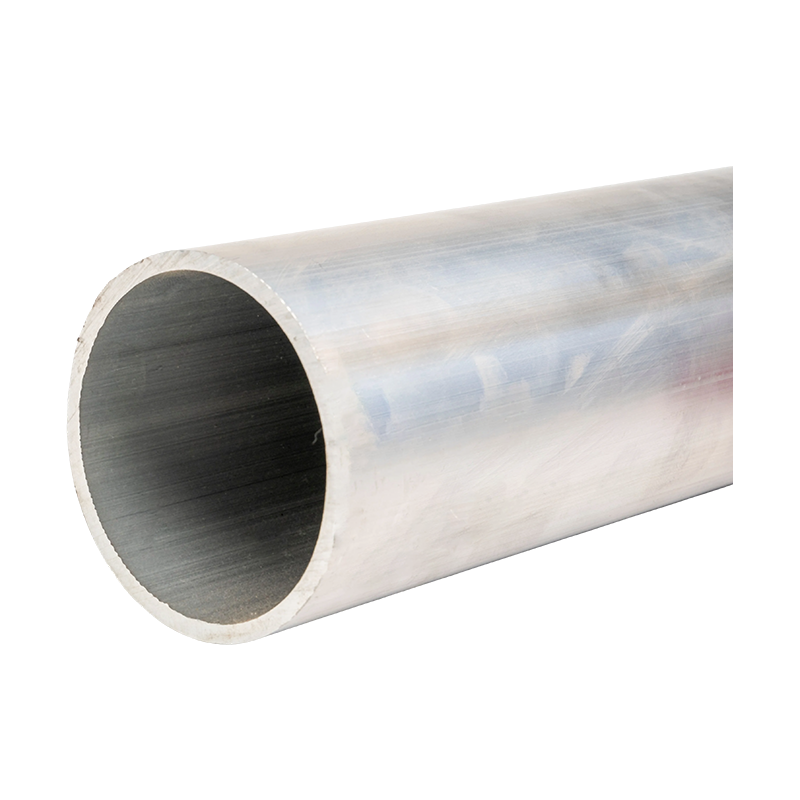
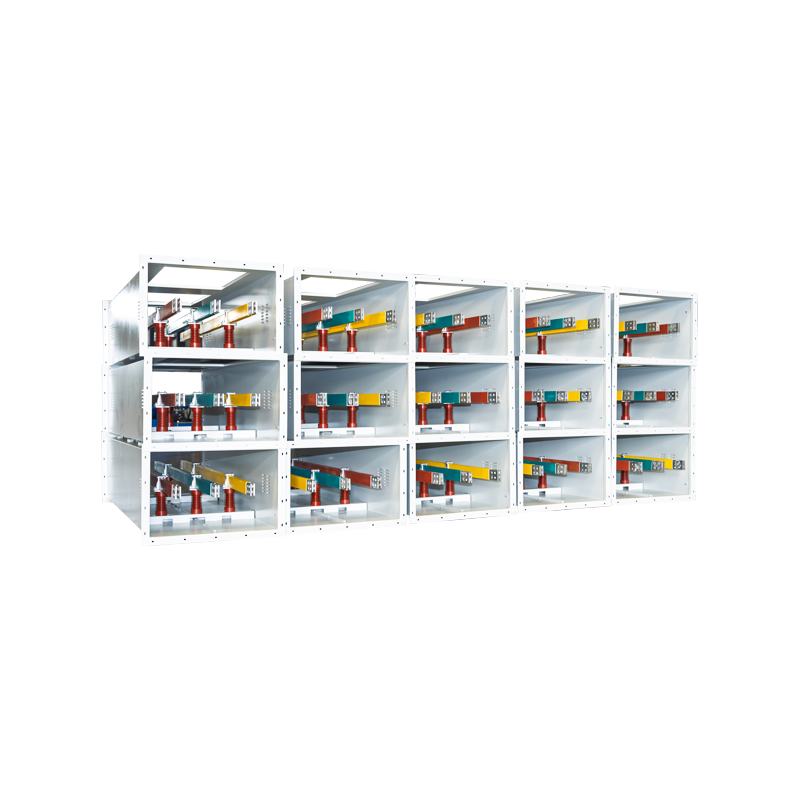


The global market for fully insulated tubular busbars is experiencing steady growth.
Technological Advantages Drive Market Penetration Growth
Fully insulated tubular busbars, as a key innovative solution for power distribution, are redefining the standards of modern power transmission and distribution environments. Compared to traditional exposed conductors, they significantly reduce the risk of arcing faults and simplify electrical clearance requirements in high-density installation scenarios by integrating a continuous insulation layer around the tubular conductor. This technological characteristic perfectly meets the urgent needs of urban substations, data centers, and large industrial plants for compact space and high security.
Expanding Application Areas and Industry Customization
The report points out that technological advancements in conductor materials (aluminum/copper) and insulation materials (epoxy resin, polypropylene, PVC, etc.) enable fully insulated tubular busbars to adapt to a variety of complex environments, from low to high voltage and from indoor to outdoor. Their application value is particularly prominent in data centers, where high reliability, modularity, and rapid deployment are emphasized, and in transportation and manufacturing industries, where vibration tolerance and compact layout are crucial.
Regional Markets Show Diversified Development Patterns
Regionally, the demand for infrastructure modernization in the Americas has driven the widespread adoption of modular systems with rapid installation and retrofitting flexibility; Europe, the Middle East, and Africa, due to stringent regulatory frameworks and diverse climates, have placed higher demands on the fire resistance and weather resistance of insulation materials; while the Asia-Pacific region, characterized by high manufacturing density and rapid electrification, continues to show strong demand for cost-effective and high-performance solutions.
Supply Chain Restructuring and Full Lifecycle Management
Faced with the uncertainties brought about by global trade dynamics and tariff adjustments, industry procurement strategies are undergoing profound changes. The report emphasizes that engineering and procurement teams are shifting from simply focusing on product technical parameters to comprehensively considering total cost of ownership, supply chain resilience, and the supplier's ongoing service capabilities. Leading manufacturers are building new competitive advantages through materials science innovation, customized profile manufacturing capabilities, and full lifecycle service models encompassing design consulting, installation training, and condition monitoring.



-
 +86-180 3625 3000
-
 admin@wpbusbar.com
-
 No. 8, Yanjin Road, Chengxi Industrial Park, Shanyang Town, Baoying County, Yangzhou City, Jiangsu Province, China
Copyright © Jiangsu Wopeng Power Technology Co., Ltd.
All Rights Reserved.
 Custom Insulated Bus Bar Manufacturer
Tubular Busbar System Factory
Custom Insulated Bus Bar Manufacturer
Tubular Busbar System Factory