

 EN
EN

 English
 русский
 Français
 Español
 عربى
عربى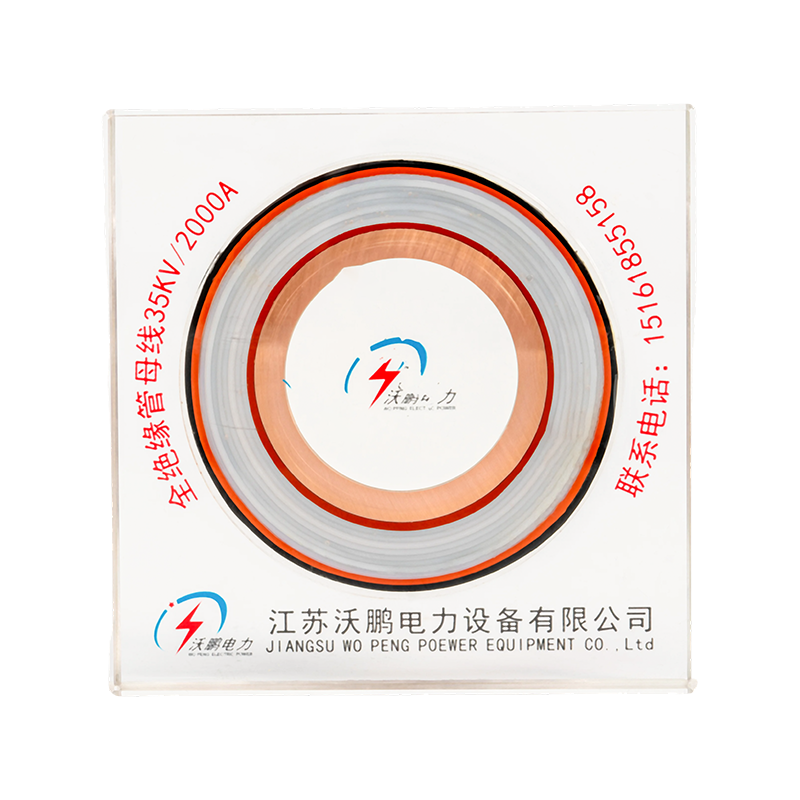
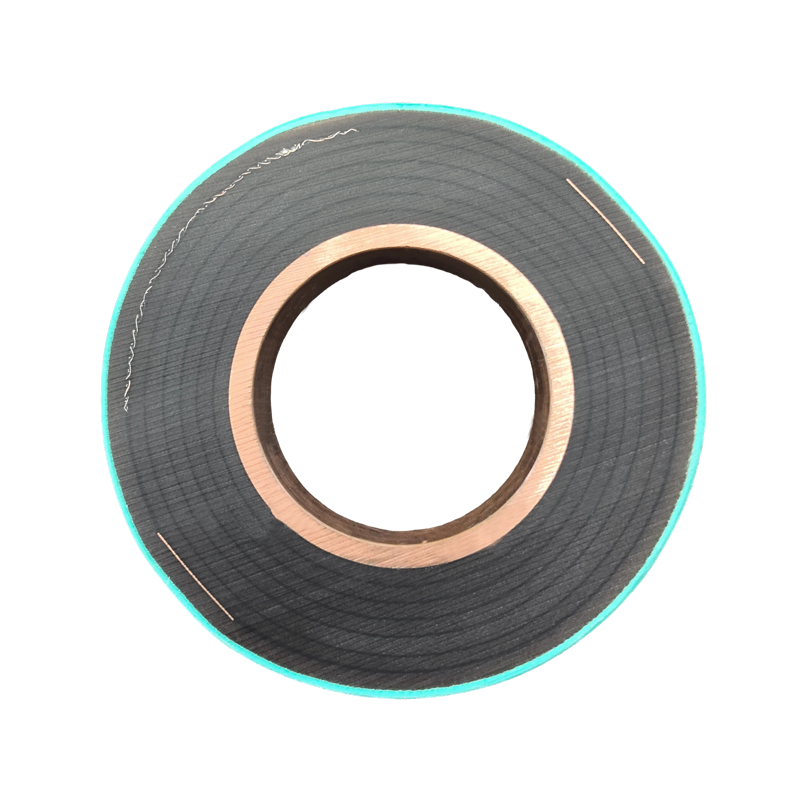
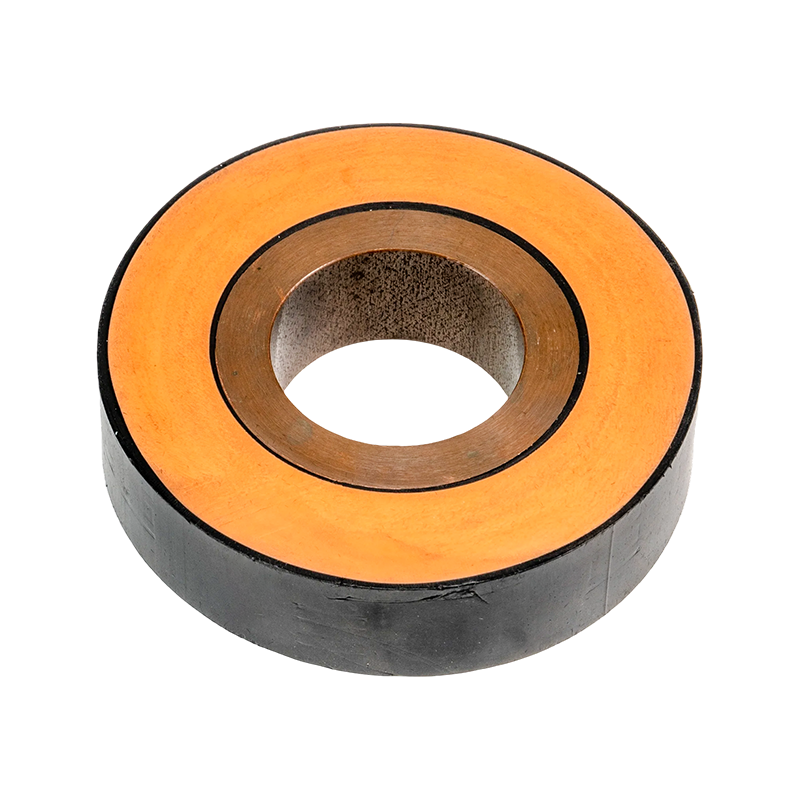
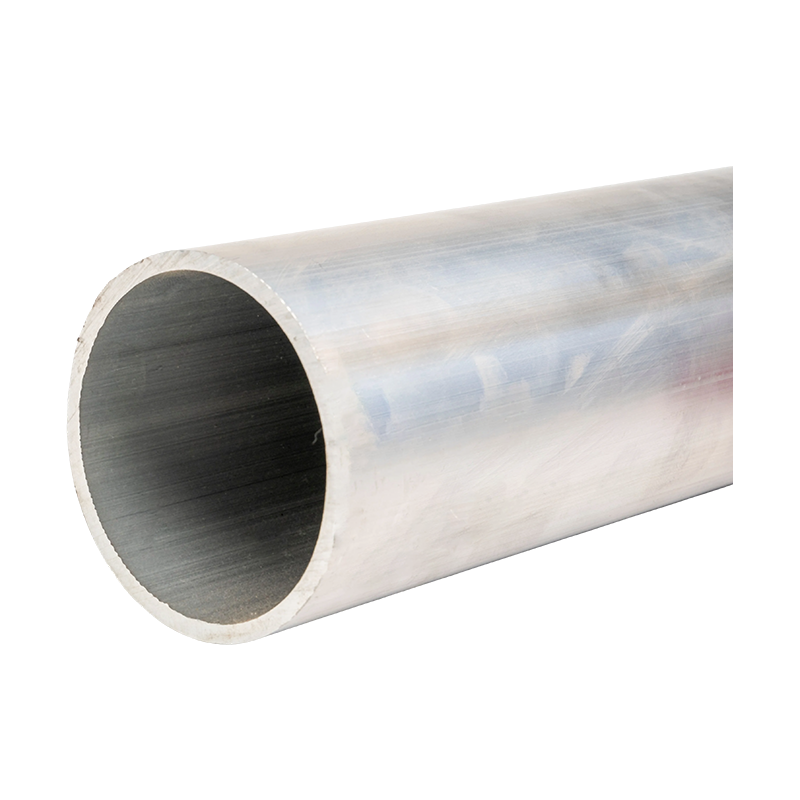
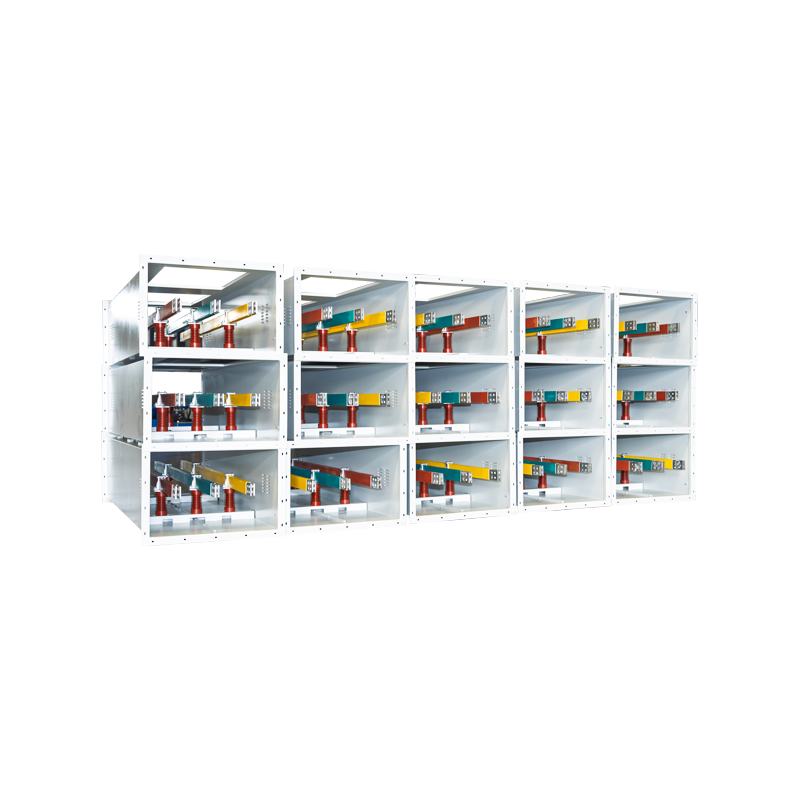


Fully Insulated Tubular Bus Bar: PTFE vs Epoxy vs EPDM Guide
Content
- 1 Why Tubular Design Outperforms Flat Bus Bar in High Current Systems
- 2 PTFE, Epoxy Resin Casting, or EPDM Silicone Rubber: Comparing the Three Insulation Systems
- 3 Fully Insulated Tubular Bus Bar Product Line
- 4 Matching Insulation Type to Your Installation Environment
- 5 Technical Parameters to Confirm Before Ordering
- 6 Installation and Maintenance Notes
A Fully Insulated Tubular Bus Bar is a hollow copper or aluminum conductor wrapped in a continuous dielectric layer such as PTFE, cast epoxy resin, or EPDM silicone rubber, built to carry high current while keeping the entire conductor surface protected from accidental contact, moisture, and pollution. The right choice among the three insulation types depends mainly on installation environment, operating temperature, and required creepage distance, not on price alone.
Below is a practical breakdown of how these three fully insulated tubular bus bar systems differ, where each performs best, and which technical parameters buyers should confirm before placing an order.
Why Tubular Design Outperforms Flat Bus Bar in High Current Systems
Unlike a solid rectangular bar, a tubular conductor carries current mainly along its outer wall. This hollow geometry reduces the skin effect at power frequency, which lowers AC resistance compared with a solid bar of the same weight. The larger surface area also improves natural convection cooling, so the tubular bus bar system typically runs at a lower temperature rise under the same load.
For engineers specifying an insulated bus bar for a substation, panel board, or renewable energy project, the tubular format brings three practical advantages over flat busbar system solutions: better heat dissipation, higher mechanical stiffness over long support spans, and a smoother surface that accepts a uniform insulation coating without weak points at sharp edges.
PTFE, Epoxy Resin Casting, or EPDM Silicone Rubber: Comparing the Three Insulation Systems
Every fully insulated tubular bus bar manufacturer builds around one of these three insulation approaches. Each targets a different combination of temperature, chemical exposure, and outdoor weathering.
| Insulation Type | Continuous Temperature Range | Best Suited Environment | Key Strength |
| PTFE Tubular Bus Bar | up to 200 degrees C | chemical plants, high ambient heat, harsh solvent exposure | exceptional chemical and thermal resistance |
| Epoxy Resin Casting Tubular Bus Bar | 125 to 155 degrees C (class B/F) | indoor MV switchgear, compact substations | void-free vacuum casting, very high dielectric integrity |
| EPDM Silicone Rubber Tubular Bus Bar | -40 to 130 degrees C | outdoor substations, coastal or high-pollution sites | outstanding UV, ozone, and tracking resistance |
Relative Continuous Operating Temperature by Insulation Type
Reference values for comparison only. Confirm exact ratings against the datasheet of the specific fully insulated tubular bus bar model being quoted.
Fully Insulated Tubular Bus Bar Product Line
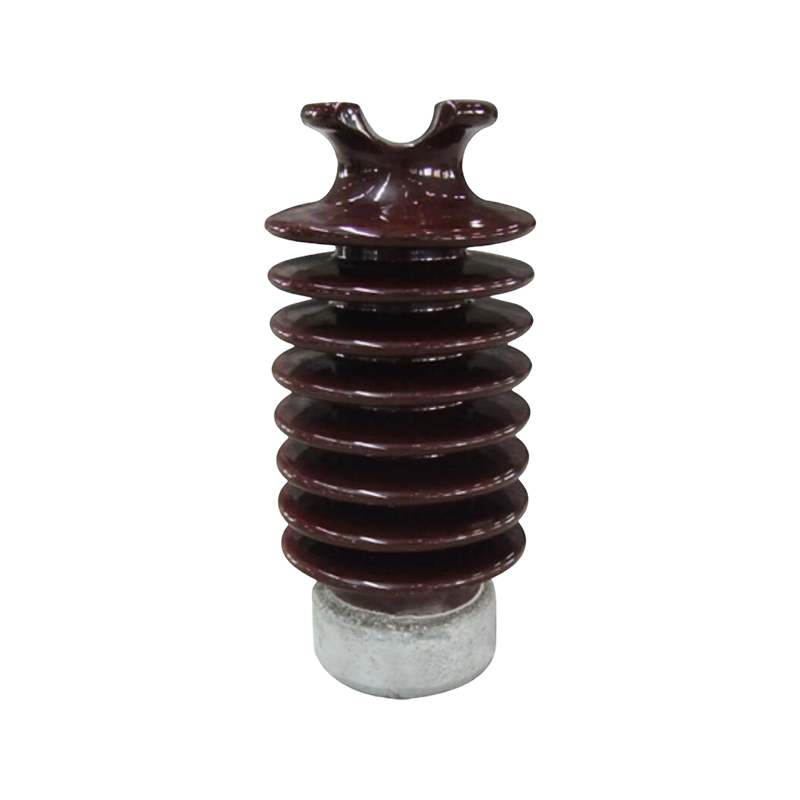
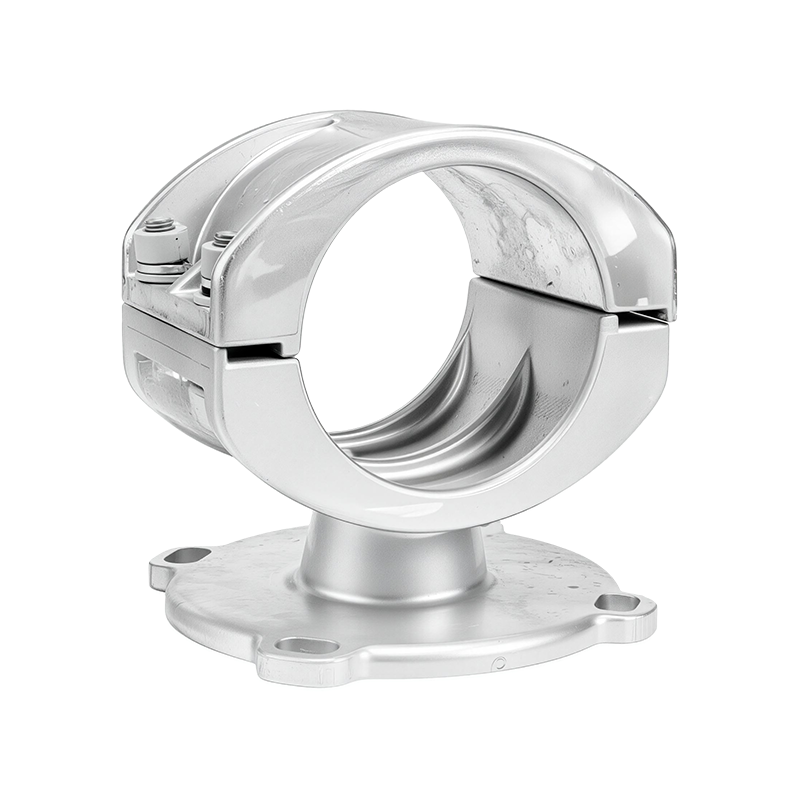
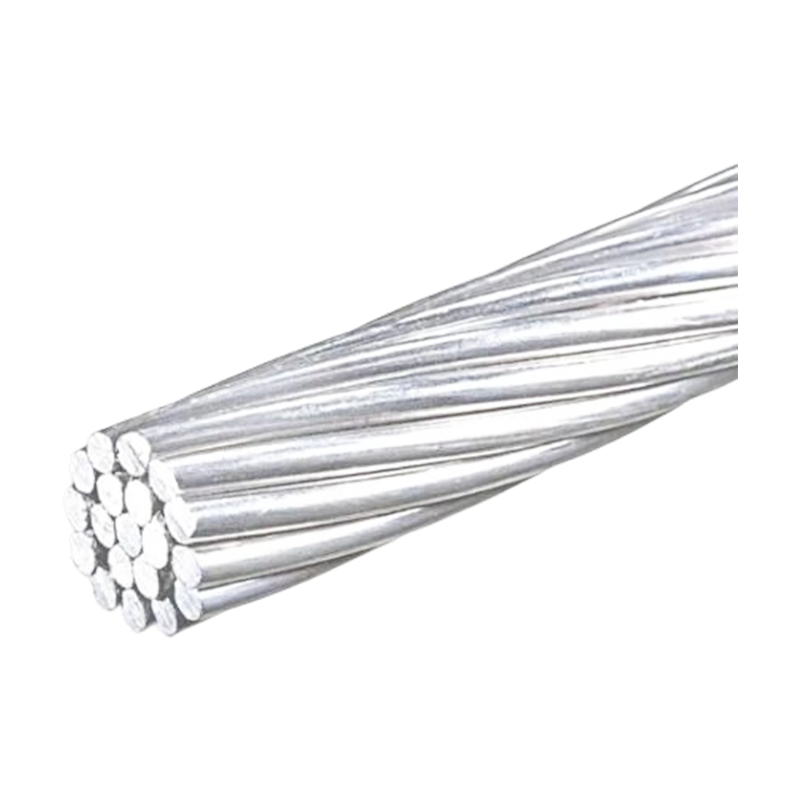
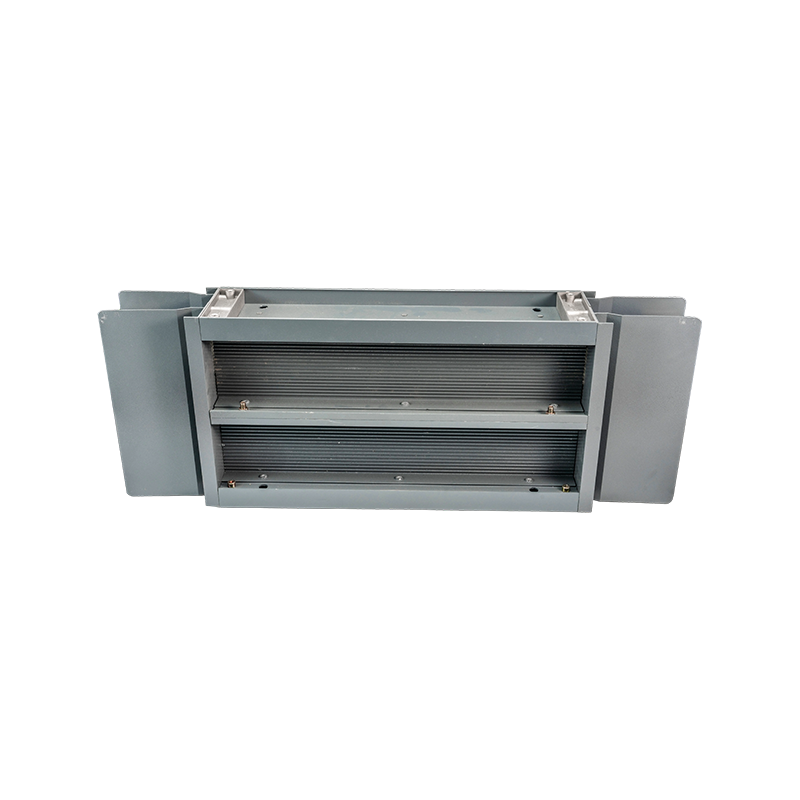
Insulated tubular bus bars, high voltage aluminum alloy conductors, and the support insulators that carry them, built for indoor, outdoor, and high-temperature power distribution projects.





Matching Insulation Type to Your Installation Environment
Indoor Switchgear and Compact Substations
An epoxy resin casting tubular bus bar is the common choice for medium and low voltage bus bar compartments where space is limited and stable indoor conditions apply. The vacuum-cast process leaves no internal air gaps, which supports consistent partial discharge performance over the service life of the panel.
Outdoor, Coastal, or High-Pollution Sites
A high voltage EPDM silicone rubber tubular bus bar resists surface tracking, salt fog, and prolonged UV exposure far better than rigid coatings. This makes it the preferred electrical busbar insulation for outdoor busbar system solutions near coastlines, chemical zones, or areas with heavy dust and humidity.
High-Temperature or Chemically Aggressive Areas
Where ambient heat or solvent exposure would degrade ordinary coatings, a custom PTFE tubular bus bar keeps its dielectric properties intact at sustained high temperatures, making it the standard specification for foundries, chemical processing lines, and heavy industrial power distribution busbar runs.
Technical Parameters to Confirm Before Ordering
Before requesting a quotation from any fully insulated tubular bus bar manufacturer, buyers sourcing for high current busbar or low-voltage electrical busbar projects should have these figures ready or ask the supplier to confirm them in writing:
| Rated voltage and current | Matched to system voltage class and continuous load, plus short-time withstand current for fault conditions |
| Insulation thickness and dielectric withstand test | Verified against the applicable IEC or national standard for the target voltage class |
| Temperature rise limit | Commonly limited to 65K rise over a 40 degree C ambient reference for enclosed panel applications |
| IP protection rating | Higher IP ratings required for outdoor or high-pollution installation sites |
| Flame retardant classification | Especially relevant for epoxy and silicone insulated bus bar systems installed inside enclosed cabinets |
| Support span and mounting method | Determines the required spacing of bus-bar supports along the run |
Installation and Maintenance Notes
Choosing between PTFE, epoxy resin casting, and EPDM silicone rubber ultimately comes down to matching the insulation system to where the tubular busbar system will actually operate. A supplier offering custom busbar solutions across all three insulation types can help align the specification with both the electrical requirements and the site conditions before production begins.



-
 +86-180 3625 3000
-
 admin@wpbusbar.com
-
 No. 8, Yanjin Road, Chengxi Industrial Park, Shanyang Town, Baoying County, Yangzhou City, Jiangsu Province, China
Copyright © Jiangsu Wopeng Power Technology Co., Ltd.
All Rights Reserved.
 Custom Insulated Bus Bar Manufacturer
Tubular Busbar System Factory
Custom Insulated Bus Bar Manufacturer
Tubular Busbar System Factory